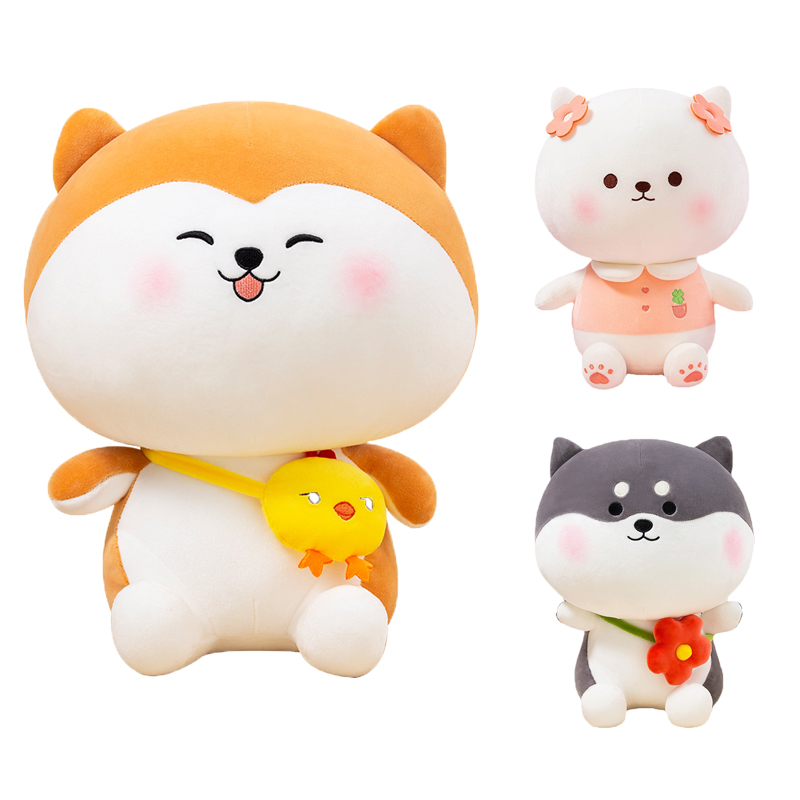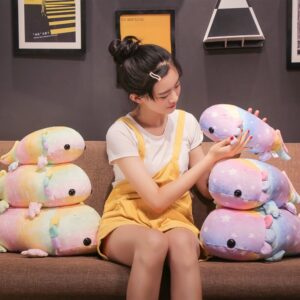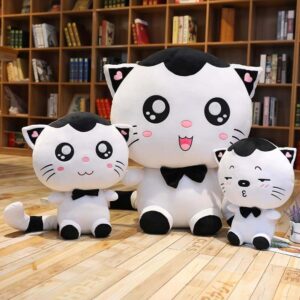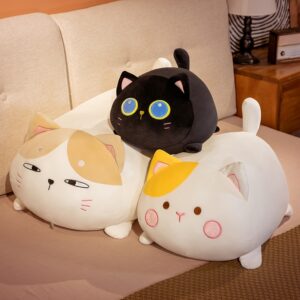

Twelve-year-olds like plushies because a soft toy gives them comfort, calm and a sense of control during one of the most changeable years of childhood. At 12, most children are starting puberty, moving into middle school and working out who they are. A plushie is a familiar, judgement-free friend that helps them self-soothe, sleep, express their personality, bond with friends and enjoy cute things without pressure. Liking plushies at 12 is completely normal and, for most children, a healthy sign.
If you are a parent who has noticed your 12-year-old asking for a giant capybara, lining up tiny food plushies on a shelf or quietly carrying the same worn teddy bear to every sleepover, you are not alone. Plenty of parents wonder whether their child “should” have outgrown stuffed animals by now. And plenty of 12-year-olds wonder whether it is embarrassing to still love them. The honest answer, backed by developmental psychology and by common sense, is that soft toys are not a sign of being babyish. They are a tool that many children (and many adults) use to feel safe, calm and happy.
This guide explains, in plain language, why plushies matter so much at this particular age. We look at what is happening in a 12-year-old’s body and brain, what research says about touch and comfort, why cute things are so appealing, how plushies fit into friendships, collecting and online trends, and how you can support your child without making it awkward. You will also find practical advice on choosing, caring for and gifting plushies to tweens, with real examples from our shop, and a long FAQ at the end.
Key Takeaways
- It is normal. Many 12-year-olds still love plushies, and plenty of adults keep or sleep with soft toys too.
- Twelve is a transition year. Puberty, a new school and shifting friendships make comfort objects especially useful.
- Soft touch calms the body. Research on touch and soft objects suggests that cuddling something soft can ease stress and loneliness.
- Plushies are personal. The plushie a tween chooses often reflects their humour, interests and sense of style.
- Plushies are social. Matching plushies, trading and collecting help tweens bond with friends.
- Support, do not tease. The most helpful thing a parent can do is treat a plushie as a normal part of their child’s life.

Why Do 12-Year-Olds Like Plushies? The Short Answer
If you only have a minute, here is the summary. Each reason is explained in detail further down the page.
| Reason | What it means for a 12-year-old |
|---|---|
| Comfort and self-soothing | Hugging something soft is a quick, private way to calm down after a hard day. |
| A familiar friend during change | A long-loved plushie is a constant while school, bodies and friendships change. |
| Better sleep routines | A bedtime plushie signals “time to rest” and makes the dark feel less lonely. |
| Cuteness is naturally appealing | Round faces and big eyes trigger a warm, caring feeling at any age. |
| Identity and self-expression | A shark, a frog or a capybara says something about a child’s humour and style. |
| Friendship and sharing | Matching plushies, swaps and gifts give tweens something easy to bond over. |
| The joy of collecting | Sets, series and themes satisfy the urge to complete, organise and display. |
| Online trends | Videos and memes keep certain animals (capybaras, axolotls, fat cats) in the spotlight. |
| Early nostalgia | At 12, children start to look back on childhood, and plushies keep that connection alive. |
| Pressure-free play | Plushies invite creativity, storytelling and fun with no scores, levels or likes. |
None of these reasons are childish. Most of them apply to teenagers and adults as well. In fact, plush toys have been loved by grown-ups ever since the first modern stuffed animals appeared in the late 19th century, a story we cover in our history of stuffed animals. What makes 12 special is that so many of these needs peak at the same time.
What Is Happening at Age 12? Understanding the In-Between Year
To understand why plushies matter so much to 12-year-olds, it helps to understand what this age actually feels like from the inside. Twelve sits right on the border between childhood and adolescence. Your child is not a little kid any more, but they are not a teenager yet either. They are often expected to act more grown-up while still feeling, in many moments, very young. That tension is the background to almost everything in this guide.
Puberty usually begins around this age
Puberty does not start at the same age for everyone. According to the NHS, girls usually start puberty between the ages of 8 and 13, and boys usually start between 9 and 14. That means a typical class of 12-year-olds contains children at very different stages: some who look and feel almost like teenagers, and some who have not started changing at all. Both experiences can be unsettling. Children who develop early may feel self-conscious, while children who develop later may worry about being “behind”.
Puberty brings physical changes such as growth spurts, body hair and skin changes, along with emotional changes. Many parents notice stronger moods, more need for privacy and more sensitivity to embarrassment. In that context, a soft toy is a small, reliable source of comfort that does not ask questions. It does not comment on a new haircut or a voice crack. It is simply there.
The move to middle school
In many school systems, children change schools around age 11 or 12. In the United States this is usually the move to middle school or junior high. In the UK it is the move to secondary school at 11, which means a 12-year-old has typically just finished their first year. Either way, the change is big: a larger building, multiple teachers, more homework, a new timetable and, often, a new mix of classmates.
School transitions are a known source of stress for children, even when they go smoothly. Old friendship groups can split up, and new ones take time to form. Many tweens come home tired from a day of “holding it together” in a new environment. A plushie waiting on the bed is part of the reset button at the end of that day.
The search for identity begins
The psychologist Erik Erikson described human development as a series of stages, each with its own central challenge. In his model, the school-age years (roughly 6 to 12) are about “industry versus inferiority”: learning skills and feeling capable. Adolescence (roughly 12 to 18) is about “identity versus role confusion”: working out who you are, what you value and where you fit in. A 12-year-old is standing in the doorway between these two stages.
That is why tweens can seem to change their tastes overnight. They experiment with music, clothes, hobbies and even the way they talk. Plushies are part of that experiment. Choosing between a cool shark, a silly banana duck or a sleepy capybara is a low-stakes way to try out a personality, and we will look at that in detail below.
New thinking skills
Jean Piaget, one of the most influential researchers in child development, described the “formal operational” stage of thinking, which he believed typically begins at around 11 or 12. At this stage, children become better at abstract thinking, imagining possibilities and reflecting on their own thoughts and feelings. This is a wonderful development, but it also means a 12-year-old can worry in new ways: about the future, about what others think of them and about big world issues they hear about online.
Ironically, the same new thinking skills also explain why tweens can enjoy plushies on a more sophisticated level than younger children. A 12-year-old understands perfectly well that a stuffed animal is not alive. They may still give it a name, a personality and a backstory, but they do it knowingly, with humour and creativity, in the same way an adult might name their car or talk to their houseplants.
Friendships become more important and more complicated
At this age, friends often start to matter as much as, or more than, family when it comes to everyday opinions. Tweens care a great deal about belonging. Group chats, shared jokes and shared interests become the glue of friendships, and falling out with a friend can feel enormous. Plushies sit at an interesting crossroads here: they are private comfort objects, but they are also social objects that friends swap, gift, photograph and talk about.
Put all of this together and you get a year full of change. Bodies, schools, friendships, thoughts and feelings are all shifting at once. It makes sense that children reach for something steady, soft and familiar. That is the core of why so many 12-year-olds love plushies.

Reason 1: Plushies Provide Comfort and Help Tweens Self-Soothe
The most important reason 12-year-olds like plushies is also the simplest: hugging something soft feels good, and it helps them calm down. Self-soothing is the ability to settle your own emotions without needing someone else to do it for you. It is one of the key skills children develop as they grow up, and comfort objects are one of the oldest tools humans use to practise it.
Why soft touch matters
One of the most famous experiments in psychology history was carried out by Harry Harlow in the 1950s. Harlow raised infant rhesus monkeys with two artificial “mothers”: one made of bare wire that provided milk, and one covered in soft cloth that did not. The baby monkeys spent most of their time clinging to the soft cloth mother, and ran to it when they were frightened, only visiting the wire mother to feed. Harlow published his findings in 1958 in a paper called “The Nature of Love”. The experiments are now seen as ethically troubling, but the conclusion changed how scientists think about comfort: contact with something soft is a powerful source of security, not just a nice extra.
Later research on human touch has helped explain part of the reason. Scientists have identified a type of nerve fibre in hairy skin, known as C-tactile afferents, that responds most strongly to slow, gentle stroking, the kind of touch that people tend to describe as pleasant. A 2009 study by Löken and colleagues, published in Nature Neuroscience, found that these fibres fired most at stroking speeds that participants also rated as most pleasant. Stroking a soft plushie is not the same as a hug from a person, but it does deliver a gentle, soothing tactile experience that many people find calming.
What studies say about teddy bears specifically
A few experiments have looked directly at what happens when people touch a teddy bear. In a 2011 study published in Social Psychological and Personality Science, researchers Kenneth Tai, Xue Zheng and Jayanth Narayanan asked participants to recall or experience feeling socially excluded. Those who then touched a teddy bear were more willing to help others afterwards than those who did not touch it, which the researchers interpreted as touch easing some of the sting of exclusion.
In another study, published in Psychological Science in 2014, Sander Koole and colleagues found that touching a teddy bear reduced anxious thoughts about mortality among people with low self-esteem. These were studies with adults, done in lab settings, and they do not prove that a plushie can “fix” anxiety. But they fit the everyday experience of millions of people: holding something soft can take the edge off a difficult feeling.
For a 12-year-old who has had a rough day, perhaps a friendship drama, a bad test result or simply too much noise, a plushie offers exactly this kind of quiet comfort. It is private, immediate and always available. Our guide on whether stuffed animals can help with anxiety goes deeper into this topic for children and adults.
Self-soothing without screens
Many tweens now have their own phone or tablet, and scrolling is a very common way to escape stress. That is understandable, but screens are not always restful, especially at bedtime. A plushie offers a screen-free way to decompress. Lying on the bed, hugging a long cat pillow and listening to music, or simply squeezing a squishy plush while thinking, can help a child process the day rather than distract from it.
Some families build a “calm corner” or calm-down kit for their tween: a soft blanket, a favourite plushie, headphones, a journal and perhaps a night light. Older children often appreciate this more than you might expect, as long as it is presented as a cosy space rather than a punishment or a “baby” thing.
Weighted plushies and deep pressure
Some children, including many who are autistic, have ADHD or experience anxiety, find deep pressure especially calming. Weighted stuffed animals contain small beads or pellets that give them extra heft, which can feel similar to a firm hug when placed on the lap or chest. Research on weighted products is still limited and results are mixed, so they should not be treated as a medical treatment. But many families find them helpful as part of a comfort routine. You can read more in our page on weighted stuffed animal benefits, and browse the weighted plush collection.
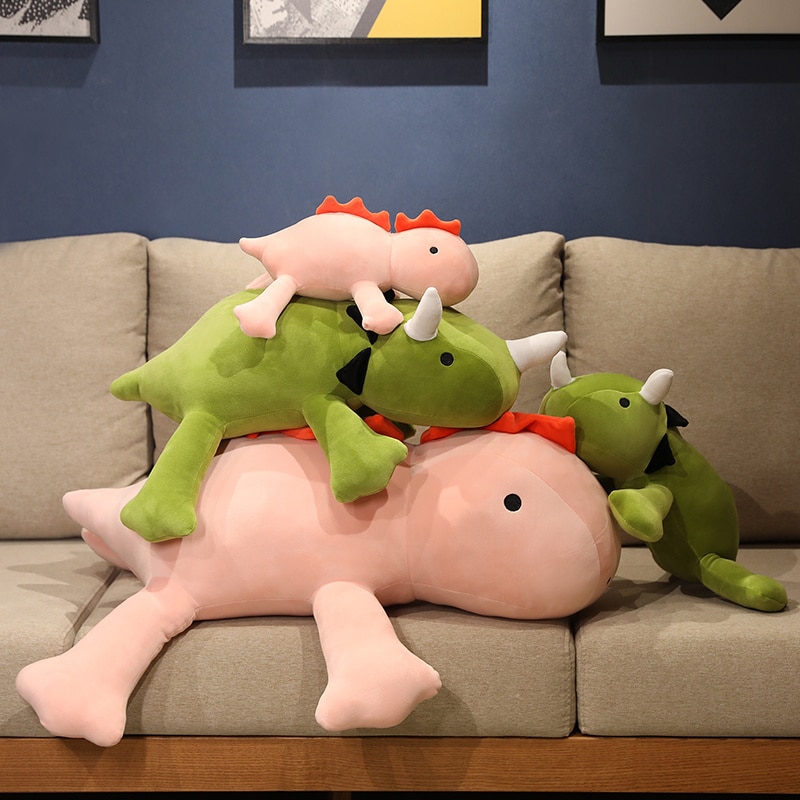
If your child has significant anxiety, sensory needs or sleep problems, a weighted plushie can be a nice addition, but it is always worth speaking to your doctor or an occupational therapist for personalised advice.
Reason 2: A Familiar Friend During a Year of Change
Many 12-year-olds are not attached to just any plushie. They are attached to that plushie: the bunny they got when they were three, the bear that has been on every family trip, the dog with one ear slightly chewed. This kind of long-term attachment has been studied for decades, and it helps explain why older children hold on to particular toys.
The transitional object
In 1953, the British paediatrician and psychoanalyst Donald Winnicott published a paper called “Transitional Objects and Transitional Phenomena”. He described how many young children become attached to a special object, such as a blanket or teddy bear, which he called a transitional object. In Winnicott’s view, this object helps a child move from complete dependence on a parent towards independence. It stands in for comfort and security when a parent is not there, such as at bedtime or in a new place.
Winnicott was mainly writing about babies and toddlers. But the basic idea, that a familiar object can carry feelings of safety into new situations, applies just as well to a 12-year-old starting a new school or spending a week at camp. Transitions are exactly when comfort objects become most valuable, and 12 is full of transitions.
Why the original plushie matters so much
Parents sometimes discover that a “replacement” plushie, even an identical one, is not accepted. There is a fascinating study about this. In 2008, psychologists Bruce Hood and Paul Bloom published research in the journal Cognition in which young children were shown a “copying machine” (really a clever trick with two boxes) that appeared to make an exact duplicate of an object. Children who had a strong attachment to a particular toy were much more likely to want to keep their original rather than take the “copy”. To them, the original had a unique history and identity that an identical duplicate could not replace.
Older children understand this feeling well. A 12-year-old’s old teddy bear carries memories: family holidays, scary nights, illnesses, birthdays. It is a physical link to their own story. That is one reason why tweens may happily add new plushies to their collection while still treating one old favourite as completely irreplaceable. We look at this in more depth in why children become so attached to stuffed animal toys.
Keeping the old friend, but differently
At 12, the relationship with a childhood plushie often changes. A child might stop carrying it around in public but keep it on the bed, or move it to a shelf where it is “retired” but still visible. Some tweens pack their old friend for sleepovers in the bottom of their bag, just in case. Others decide to give it a little makeover, such as a gentle wash, a new ribbon or a repair to a loose seam.
All of these are healthy ways of growing up without throwing away the past. If your child’s beloved plushie is getting fragile, you can help them take care of it so it lasts. Our guide to looking after a plush collection has tips on safe cleaning and storage.

Reason 3: Plushies Make Bedtime Easier
Sleep is a big deal at 12. Tweens need a lot of it, but they often get less than they need because of homework, after-school activities, screens and a natural shift in body clocks that starts around puberty. A bedtime plushie is one of the simplest, cheapest sleep aids there is.
How much sleep does a 12-year-old need?
In 2016, the American Academy of Sleep Medicine published consensus recommendations on how much sleep children need. For children aged 6 to 12, it recommends 9 to 12 hours of sleep per 24 hours on a regular basis. For teenagers aged 13 to 18, it recommends 8 to 10 hours. A 12-year-old sits at the top of the first group, so 9 hours or more is a good target.
Many tweens fall short of that, often because they go to bed later while still needing to get up early for school. Around puberty, the body’s internal clock also tends to shift later, which can make it harder to feel sleepy at the old bedtime. Anything that helps a child relax and wind down at night is worth having in their toolkit.
Why a plushie helps at night
Bedtime is when worries tend to surface. With the lights off and no distractions, a 12-year-old might replay an awkward moment from school or think about a test tomorrow. A soft plushie gives the body something comforting to hold, which can make it easier to relax. It also acts as a routine cue: in the same way that brushing teeth or reading a chapter of a book tells the brain that bedtime is coming, cuddling up with the same plushie every night becomes part of the “time to sleep” signal.
Some children also simply feel less alone with a plushie in bed, especially if they have recently moved to their own room, if a sibling has moved out, or if the family has moved house. That feeling of company is not silly. Humans are social animals, and many of us sleep better when we feel safe and accompanied.
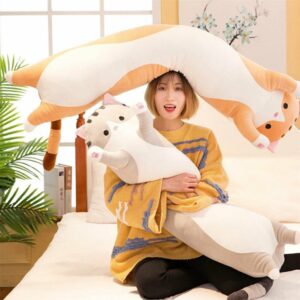
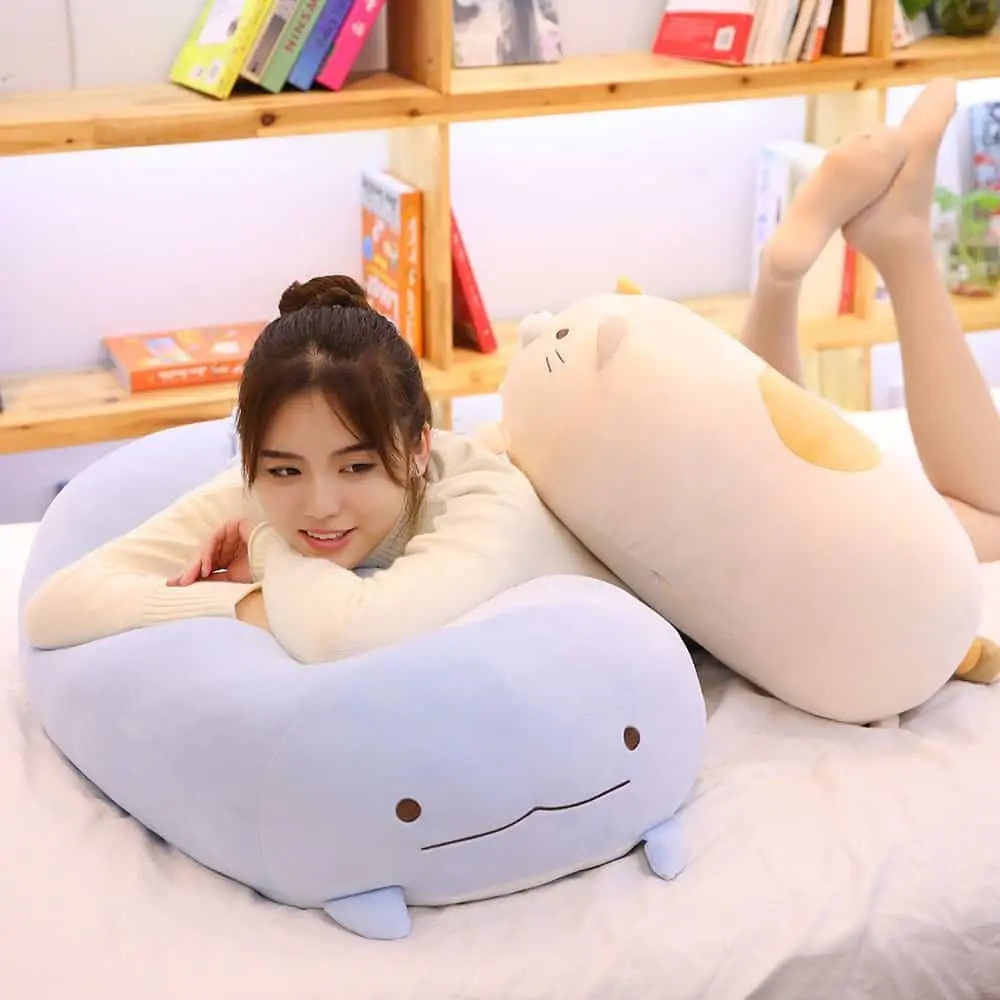
Long body pillows are particularly popular with tweens because they double as a support pillow for side sleeping. A long plush cat, shiba or goose can be hugged with arms and legs, which many people find comfortable. Our article on why plushies belong in your sleeping routine covers more ideas.

Do adults sleep with stuffed animals too?
Yes, and quite a lot of them. In 2010, the hotel chain Travelodge surveyed around 6,000 adults in Britain and reported that roughly a third of them said they still slept with a teddy bear or soft toy. Surveys commissioned by companies should be read with some caution, but the finding is a useful reminder: sleeping with a plushie is not something people necessarily “grow out of” by a certain birthday. If your 12-year-old still wants their plushie at night, they are in good company. Our article on why it is OK to have a stuffed animal as an adult explores this further.
Night lights and plushies for older kids
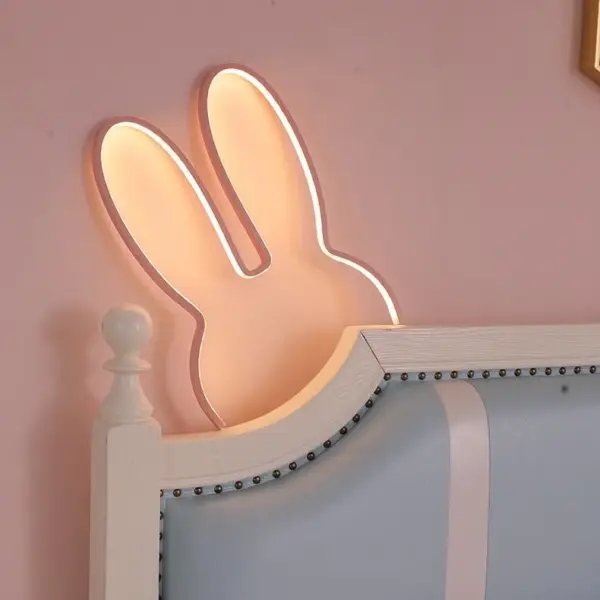
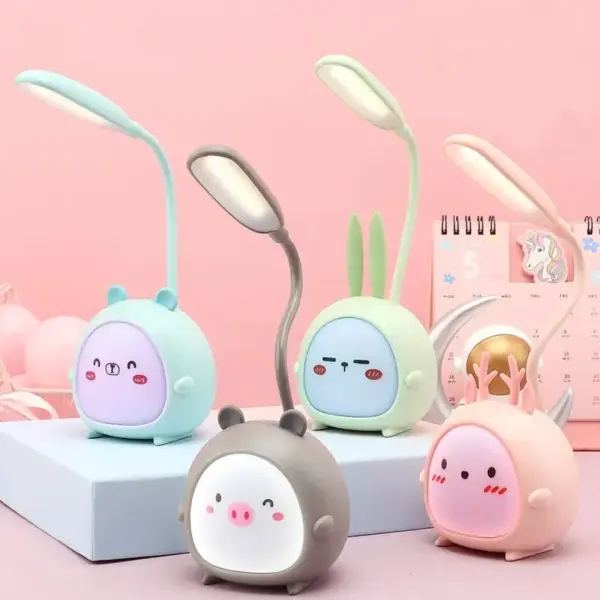
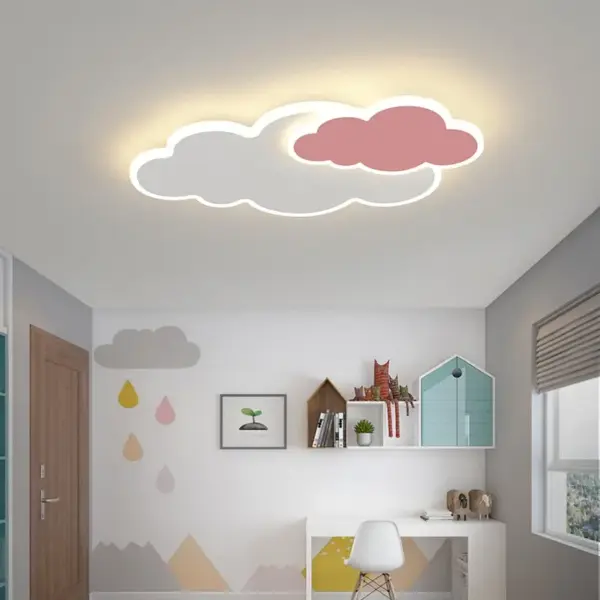
Some tweens still like a little light at night but feel that a classic nursery night light is too young for them. Cute silicone lamps and soft glowing plushies are a popular middle ground: they look like decor rather than a “baby” item, and many have dimmable or timed settings. A light-up star pillow, for example, can be a gentle glow in the room while doubling as a cushion during the day.
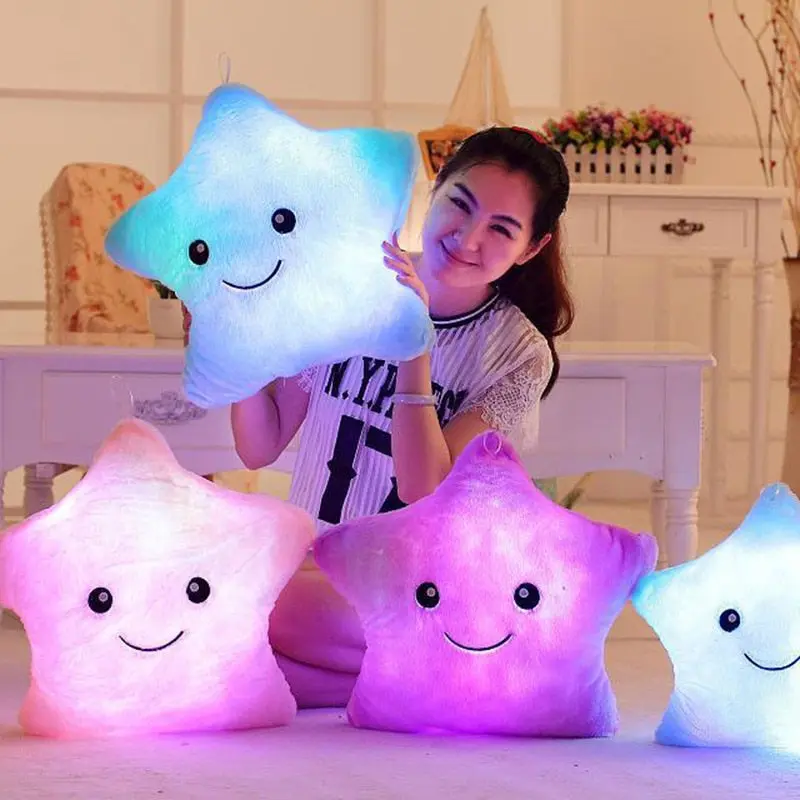
If light helps your child sleep, choose a warm, dim glow and use a timer where possible, since bright light at night can make it harder to fall asleep. You will find many more ideas in our cute lamps and night lights collection.
Reason 4: Cuteness Is Naturally Appealing at Every Age
Ask a 12-year-old why they like a particular plushie and the answer is often simply “because it’s so cute”. That is a perfectly scientific answer. Humans seem to be wired to respond to cuteness, and that response does not switch off when we turn 12, or 30, or 70.
The baby schema
In 1943, the Austrian zoologist Konrad Lorenz proposed the idea of the Kindchenschema, or “baby schema”. He suggested that certain features, such as a large head relative to the body, big eyes set low on the face, round cheeks, a small nose and mouth and a soft, rounded body, trigger a caring, protective response in adults. These are the features of human babies, and also of many young animals.
Later research supported this idea. In a 2009 study published in the journal Ethology, Melanie Glocker and colleagues digitally altered photographs of babies’ faces to make them more or less baby-like. Adults rated the more baby-like faces as cuter and said they felt more motivated to care for them. The baby schema, in other words, seems to be a real feature of how people perceive faces.
Why plushie designers use it
Look at most popular plushies and you will see the baby schema everywhere: oversized heads, tiny paws, huge eyes, round bodies, blushing cheeks. Designers exaggerate these features on purpose, because they make a toy irresistible. Even animals that are not typically “cute” in real life, such as sharks, crocodiles or dinosaurs, become adorable when their proportions are softened and rounded. You can see this in action in our article on the cutest plushie ever, and in the history of the teddy bear, which became rounder and more baby-faced over the 20th century.
For a 12-year-old, cuteness provides a quick, pleasant emotional lift. Seeing a smiling plush face when they walk into their room is a small, reliable dose of happiness. That might sound trivial, but small, reliable doses of happiness are exactly what people need during stressful times.

Cuteness, care and responsibility
The caring response triggered by cuteness can be surprisingly useful for tweens. Many 12-year-olds are starting to want responsibility, such as caring for a pet, babysitting a younger sibling or looking after a younger cousin. A plushie collection can be a small first step: children often enjoy arranging, cleaning, repairing and “caring” for their plushies. It is play, but it also exercises gentle, nurturing instincts.
Reason 5: Plushies Help Tweens Express Who They Are
At 12, children are beginning to build an identity that is separate from their parents. They choose their own clothes, their own music and their own way of decorating their room. Plushies are part of this toolkit of self-expression, and the specific plushies a tween chooses can tell you a lot about them.
What a plushie choice can say
Here are some common plushie “personalities” we see among tween customers. Of course, every child is different, and many children love several of these at once.
| Plushie type | What it often reflects | Examples |
|---|---|---|
| Capybaras, sloths and seals | A calm, laid-back, “nothing bothers me” sense of humour | Giant Capybara Plush, Seal Plush |
| Sharks, dinosaurs and crocodiles | A love of “cool” or slightly fierce animals, softened into something huggable | Giant Shark Plush, Weighted Dinosaur Plush |
| Food plushies | Playfulness, a love of snacks and a quirky sense of humour | Plush Mood Sushi, Giant Avocado Plush |
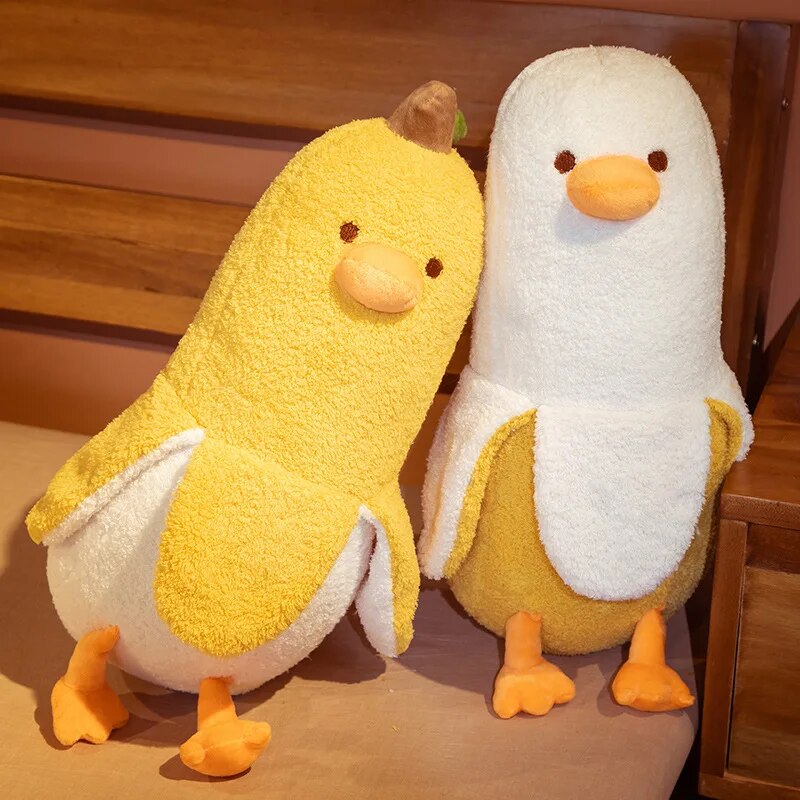
| Funny or absurd plushies | A meme-loving, offbeat personality | Banana Duck Plush, Kawaii Mushroom Plushie |
| Anime and Japanese characters | An interest in anime, manga and Japanese culture | Sumikko Gurashi Plush Large, Giant Chiikawa Plush |
| Classic teddy bears | A love of tradition, nostalgia and timeless comfort | Classic Teddy Bear |
| Real-looking animals | A nature lover, future vet or animal-obsessed child | Highland Cow Stuffed Animal |
Choosing a plushie is a safe way to try out an identity. A child who has always been seen as “the sensible one” might fall in love with a ridiculous banana duck. A quiet child might choose a giant shark. These small choices are part of how tweens figure out what they like, separately from what they liked as little kids or what their parents expect.
Plushies and the bedroom as a personal space
A 12-year-old’s bedroom often becomes their main personal territory. Many tweens start to want more say in how it looks: new bedding, posters, fairy lights, a new desk setup. Plushies are a big part of this, because they are easy to rearrange and they instantly add colour and personality.
Some tweens go for a full “kawaii room” with pastel colours and lots of plushies. Others prefer a single giant plushie as a statement piece, or a small curated shelf. If your child is redecorating, our guides to the kawaii room aesthetic and plush room decor ideas for teens are full of ideas you can adapt together.
Respecting their taste
One tip for parents: try not to judge a tween’s plushie taste, even if it is not what you would choose. A child who feels that their choices are respected is more likely to keep talking to you about what they like, which matters far more in the long run than whether their shelf is full of sushi plushies or cuddly cows.
Reason 6: Plushies Bring Friends Together
Plushies might look like solitary comfort objects, but for many 12-year-olds they are surprisingly social. They are gifts, conversation starters, shared jokes and photo props. They show up at sleepovers, in group chats and in school bags.
Matching plushies and best-friend gifts
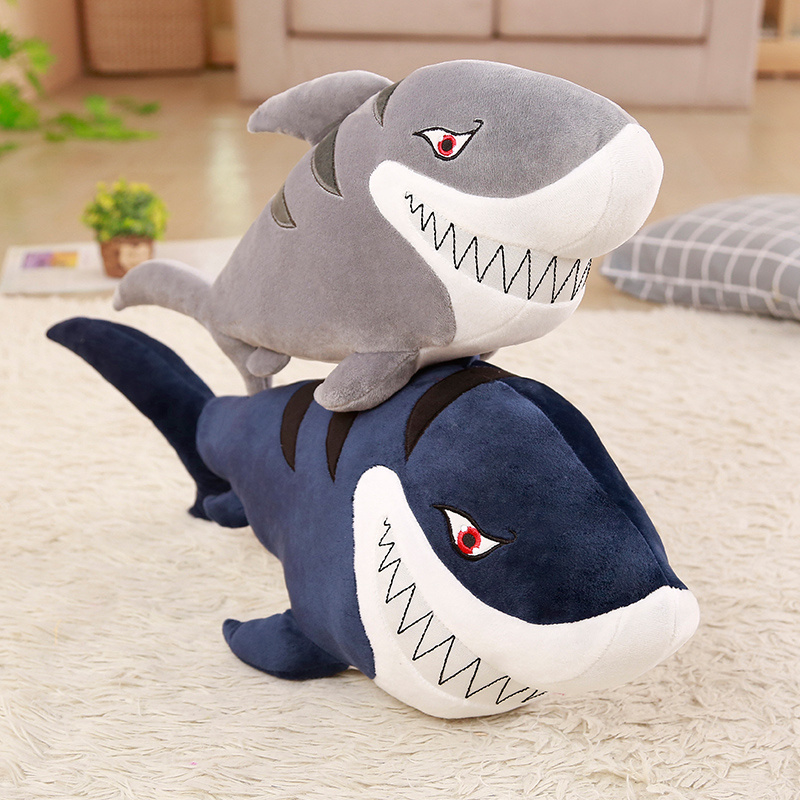
Matching plushies are a popular way for best friends to show their bond. Two friends might each have the same capybara, or one might have the grey version of a shark while the other has the blue one. Some pairs choose different animals from the same series, such as a duck and a frog, as a kind of “friendship set”. This is the plush equivalent of friendship bracelets, and it can mean a lot to a child who is navigating a new school or a changing friendship group. Browse our matching plushies collection for ideas.
Sleepovers and plushie culture
Sleepovers are a big part of tween social life, and plushies often come along. Some friend groups make a game out of it: bringing the biggest plushie, the silliest plushie or the plushie with the funniest name. Others use plushies as pillows during movie nights. If your child is nervous about sleepovers, packing a familiar plushie can make it easier, and they are unlikely to be the only one who brings one.
Plushies as conversation starters
A plushie keychain on a school bag or a plushie in the background of a video call can start a conversation. “Where did you get that?” is an easy opener for a shy 12-year-old. Shared interests, such as a love of a particular anime character or animal, often spark new friendships, and plushies make those interests visible.
Giving and receiving
Plushies are also one of the most common gifts tweens give each other, partly because they are affordable and partly because they carry emotional meaning. A plushie says “I thought of you” in a way that a gift card does not. Some children keep every plushie a friend has given them as a kind of friendship archive. If you are helping your child pick a present for a friend, our gift guide has plenty of suggestions across budgets.
Reason 7: The Joy of Collecting
Many 12-year-olds are natural collectors. Whether it is trading cards, stickers, sneakers, stationery or plushies, this age group often loves to gather, organise, complete and display. Collecting gives children a sense of mastery and control, and it can teach useful skills along the way.
Why collecting appeals to tweens
Collecting taps into several things that matter at 12. It offers a clear goal (complete the set), a sense of expertise (knowing every character in a series), something to share with friends (swapping and showing off) and a way to express taste (curating a shelf). In Erikson’s language, it feeds the sense of “industry”, the feeling of being competent and good at something.
Plush collecting can follow many themes: one animal in every size, a whole series from one anime, every type of food plush, a rainbow of colours or a mini set that fits on a single shelf. Some tweens are proud of a huge collection, while others prefer a small, carefully chosen group of favourites.
Mini plushies and surprise sets
Small plushies are especially popular with tween collectors because they are affordable and easy to display. Sets of minis, sometimes packed in snack-style bags, give the fun of a mini collection all at once. Surprise or “blind” formats, where you do not know exactly which character you will get, are exciting but can encourage overbuying, so it is worth talking with your child about budgeting if they love that format.

Collecting as a learning opportunity
A plushie collection can quietly teach a lot of practical life skills:
- Budgeting: saving pocket money, comparing prices and deciding what is really worth it.
- Organisation: sorting, displaying and storing a collection neatly.
- Research: learning about the real animals behind the plushies, or the history of a character.
- Care and maintenance: washing, repairing and protecting items they value.
- Decision-making: choosing which items to keep, donate or swap when space runs out.
If your tween is getting serious about collecting, our guide on how to start a plush collection and our collectible plushies range are good places to start. For storage, a set of fabric boxes or a toy shelf keeps the room tidy without hiding the collection completely.

Our article on stuffed animal storage ideas has more ways to display or store plushies, from hammocks to shelves.
Reason 8: Internet Trends Keep Plushies in the Spotlight
Today’s 12-year-olds belong to what is often called Generation Alpha, the children born from roughly 2010 onwards. They have grown up with smartphones, tablets, streaming and short-form video. Even if they are not allowed on social media yet, trends reach them through YouTube, friends, older siblings and school conversations.
Why certain animals go viral
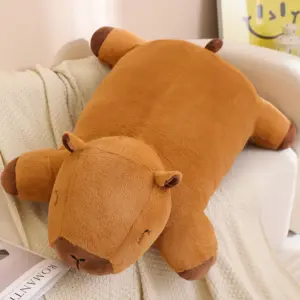
Online culture has a habit of turning specific animals into superstars. Capybaras became internet favourites thanks to videos of them sitting calmly next to other animals and relaxing in hot springs in Japan. Axolotls became popular because of their permanent smiles and their appearance in a well-known building game. Chubby cats, sleepy frogs and expressive ducks are all part of meme culture. When an animal becomes a meme, demand for the plushie version often follows.
We have written about several of these trends, including why capybara plushies are so popular and why chonky fat cat plushies win. For many tweens, owning a trending plushie is a way of joining in with a shared joke that everyone their age understands.

Older generations made plushies cool
Another reason plushies feel acceptable for 12-year-olds is that older teens and young adults have openly embraced them. Many Gen Z adults post their plushie collections online, decorate their rooms with them and talk about using them for comfort. When a 12-year-old sees older people they admire enjoying plushies, it sends a clear message: this is not something you have to give up to be grown-up. We explored this shift in why Gen Z is obsessed with plushies.
A note on social media and age limits
Most major social media platforms set a minimum age of 13 for accounts, partly because of the United States Children’s Online Privacy Protection Act (COPPA), which places strict rules on collecting personal data from children under 13. Many 12-year-olds are just below that line. If your tween wants to share their plushie collection online, it is a good moment to talk about privacy, what to post and what not to post (for example, avoiding school uniforms, home addresses or identifiable locations in photos). Plushies make great photo subjects precisely because a child can show their personality without showing their face.
Reason 9: Twelve Is When Nostalgia Begins
It might seem strange to talk about nostalgia for a 12-year-old, but many children start to feel it around this age. As they move into secondary or middle school, they become aware that their early childhood is over. They may look back fondly on primary school, old cartoons, family traditions and favourite toys.
Plushies are one of the most tangible links to that earlier time. A 12-year-old might feel a little sad seeing their old toys boxed up, or protective when a younger sibling plays with their old plushie. Keeping a few treasured plushies is a way to hold on to the good parts of childhood while still moving forward.
Parents can help by not forcing a big clear-out. If space is tight, invite your child to choose which plushies to keep, which to store in a memory box and which to donate. Giving them control over the decision respects their feelings and makes the process much less painful. Some families take photos of plushies before donating them so the memory is kept even when the object goes.
Reason 10: Plushies Offer Creative, Pressure-Free Play
A lot of a 12-year-old’s life is measured: grades, test scores, sports results, game levels, follower counts. Plushies are refreshingly free of measurement. There is no “winning” at plushies. They invite creativity, imagination and humour on a child’s own terms.
Ways tweens play with plushies
Twelve-year-olds rarely play with plushies the way a five-year-old would, but many still play with them in creative, grown-up-ish ways:
- Photography: staging plushie photo shoots, sometimes with tiny props and backdrops.
- Stop-motion videos: using a phone or tablet app to animate plushies frame by frame.
- Storytelling: writing stories, comics or “plushie lore” about their characters.
- Crafting: sewing plushie outfits, making accessories or learning to repair seams.
- Drawing: sketching their plushies in different art styles.
- Naming: coming up with clever, funny names and personalities.
These activities build real skills: storytelling, visual composition, basic sewing, video editing and design thinking. If your tween loves naming their plushies, our list of plushie name ideas is a fun resource. And if they enjoy making up stories, our post on why storytelling matters for kids explains why that kind of creative play is so valuable.

Play that does not feel babyish
Many 12-year-olds feel embarrassed to say they still “play”. Framing plushie activities as hobbies (photography, animation, crafting, collecting) can help them enjoy it without feeling self-conscious. The truth is that play remains important for wellbeing at every age. Adults play with board games, video games, sport, music and crafts. Plushies are just one more form of play.
Do Boys Like Plushies Too?
Yes. Boys love plushies too, although they may feel more pressure to hide it. From a young age, many boys pick up the message that soft, cuddly things are “for girls”, which is simply not true. Comfort, cuteness, humour and collecting are human interests, not gendered ones.
In our experience, boys aged around 12 often gravitate towards plushies with a slightly “cool” or funny edge: sharks, dinosaurs, dragons, wolves, characters from games and anime, or absurd meme plushies. Giant plushies that double as gaming cushions or bean bag-style loungers are also popular. But plenty of boys love classic teddies and cute animals as well, and that is perfectly fine.
If you have a son who seems embarrassed about his plushies, the best approach is the same as for any child: treat it as normal. You might mention that plenty of grown men collect plushies, win them at fairs for fun or keep a childhood teddy in a drawer. Avoid jokes about it in front of siblings or friends, and let him decide how public or private he wants to be.

Is It Normal for a 12-Year-Old to Still Like Plushies?
This is the question parents ask us most, so let us be clear: yes, it is normal. There is no developmental rule that says a child must give up soft toys by a certain age. Many children continue to enjoy plushies through their teens and into adulthood, and comfort objects are widely seen as a healthy coping tool.
Signs that a plushie is a healthy comfort
For most tweens, plushies are simply a source of comfort and fun. Some signs that the relationship is healthy include:
- Your child uses the plushie for comfort at home or at night but still goes to school, sees friends and joins activities.
- They can cope if the plushie is not with them, even if they would prefer it to be.
- They enjoy plushies alongside other interests such as sport, games, music or reading.
- They talk about their plushies with humour and affection.
When to look a little closer
Occasionally, a strong reliance on a comfort object can be one sign that a child is going through a difficult time. It is not the plushie that is the problem. Rather, the plushie might be one way a child is coping with stress, anxiety, bullying, grief or other big feelings. It may be worth talking to your child, and to your doctor or a school counsellor, if you notice things like:
- Extreme distress whenever the plushie is out of sight.
- Avoiding school, friends or activities they used to enjoy.
- Big changes in sleep, appetite or mood that last more than a couple of weeks.
- Signs of being bullied or excluded, including about their plushies.
- A sudden return to much younger behaviours after a stressful event.
In those situations, taking the plushie away is usually not the answer. A comfort object is often helping, not hurting. The more useful step is to understand and address whatever is causing the stress, with professional help if needed.
What about teasing?
Some 12-year-olds worry that their friends or classmates will make fun of them for liking plushies. Unfortunately, teasing does happen at this age, and tweens are very sensitive to it. You can help by reassuring your child that their interests are valid, talking through how they might respond if someone comments, and reminding them that they can decide what they share at school. Many tweens keep their plushies at home and show only a small plushie keychain in public, and that is a perfectly reasonable choice.
If teasing turns into ongoing bullying, it is important to involve the school. No child should be bullied for something as harmless as a comfort toy.
How Parents Can Support a 12-Year-Old Who Loves Plushies
Parents play a big role in whether a tween feels comfortable or ashamed about their plushies. The good news is that support does not need to be complicated. Small, everyday choices make a big difference.
Do
- Treat it as normal. Talk about plushies the same way you would talk about any other hobby or comfort, such as a favourite blanket, a cosy jumper or a playlist.
- Let them lead. Allow your child to decide how many plushies they keep, where they go and when they are ready to change their relationship with them.
- Show interest. Ask about names, personalities and where a plushie came from. Many tweens love telling the story behind their favourites.
- Help with care. Offer to help wash, repair or store plushies safely. It shows that you value what matters to them.
- Use plushies as a bridge. Sometimes it is easier for a child to talk about feelings while holding a plushie, or even through the plushie (“What would Capy think about this?”).
- Respect privacy. If your child prefers their friends not to know about their plushies, keep it between you.
Do not
- Tease, even gently. Jokes like “Aren’t you a bit old for that?” can sting much more than you intend, especially at an age when children are already sensitive to embarrassment.
- Use plushies as punishment. Taking away a comfort object as a consequence can increase anxiety and damage trust.
- Force a clear-out. Give away or box up plushies only with your child’s agreement.
- Compare with siblings or friends. Each child develops at their own pace, and comparison rarely helps.
- Assume it means something is wrong. In the vast majority of cases, loving plushies at 12 is simply loving plushies at 12.
Plushies and conversations about feelings
Twelve-year-olds can find it hard to talk about their emotions face to face. Many parents find that conversations flow more easily when they are side by side, such as in the car, while cooking or while sorting through a plushie shelf together. A plushie can be a useful “third party” in these moments. Some families even keep a “worry plushie” that a child can hold, or put on a parent’s pillow, as a signal that they want to talk without having to start the conversation themselves.
If your child is working through big feelings, simple mindfulness practices can help too, such as slow breathing while holding a plushie or a short body scan before sleep. Our guide on cultivating mindfulness in your child has ideas that work well for tweens.
How to Choose the Right Plushie for a 12-Year-Old
Buying a plushie for a tween is a little different from buying one for a small child. Twelve-year-olds tend to have clear opinions, and they care about style, trends and how a plushie fits into their room. Here is how to get it right.
Ask, or listen carefully
The best plushie gift is one your child actually wants. If the plushie is a surprise, pay attention to the animals, characters and colours they mention, the videos they watch and the plushies their friends have. Many tweens have a very specific wish list. If you are unsure, a capybara, cat, axolotl or food plushie is a safe bet at the moment, but trends move quickly.
Think about size
| Size | Best for | Example |
|---|---|---|
| Mini (palm-sized) | Collecting, bag charms, desk decor, small budgets | Mini Pudding Plushies |
| Medium (around 30 to 40 cm) | Everyday cuddling, sleeping, travelling, bed decor | Cozy Capybara Plush with Scarf |
| Long body pillow | Side sleepers, hugging at night, lounging | Kawaii Shiba Inu Long Pillow |
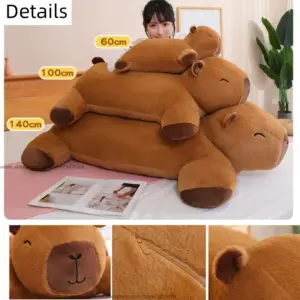
| Giant | A statement piece, gaming or reading cushion, maximum hugs | Giant Capybara Plush |
Giant plushies are very popular with tweens because they feel more like furniture or room decor than toys. They make great reading companions, gaming cushions and movie-night loungers. Our giant stuffed animals guide explains how to choose the right size, and you can browse our jumbo plushies and cuddle buddies collections.

Think about texture
Texture matters a lot, especially for children who are sensitive to touch. Some tweens love ultra-soft, stretchy “mochi” fabric that squishes when you hug it. Others prefer a fluffier, longer pile like a teddy bear, or a smooth velvety finish. If your child has sensory preferences, our sensory plushies collection groups together plushies with especially satisfying textures and shapes.
Think about function
Many tween-favourite plushies do more than look cute:
- Neck pillows for car journeys, flights and school trips.
- Body pillows for sleep and lounging.
- Light-up plushies and silicone lamps for a gentle glow at night.
- Weighted plushies for deep-pressure comfort.
- Plush slippers for cosy mornings and evenings.

Travel plushies are especially handy for tweens heading off on school trips or summer camp. A compact neck pillow or a small favourite plushie is easy to pack and can make a strange bed feel more like home. You will find more ideas in our travel plushies collection and our guide on keeping kids entertained on long journeys.
Match the plushie to the personality
If you are still unsure, think about your child’s personality and interests:
- The animal lover: a realistic or semi-realistic animal, such as a Highland Cow Stuffed Animal.
- The joker: a silly food or meme plushie, such as the Banana Duck Plush or Giant Avocado Plush.
- The anime fan: a character plushie, such as the Giant Chiikawa Plush or a Sumikko Gurashi plush. Our guide on building an anime plush collection is full of tips.
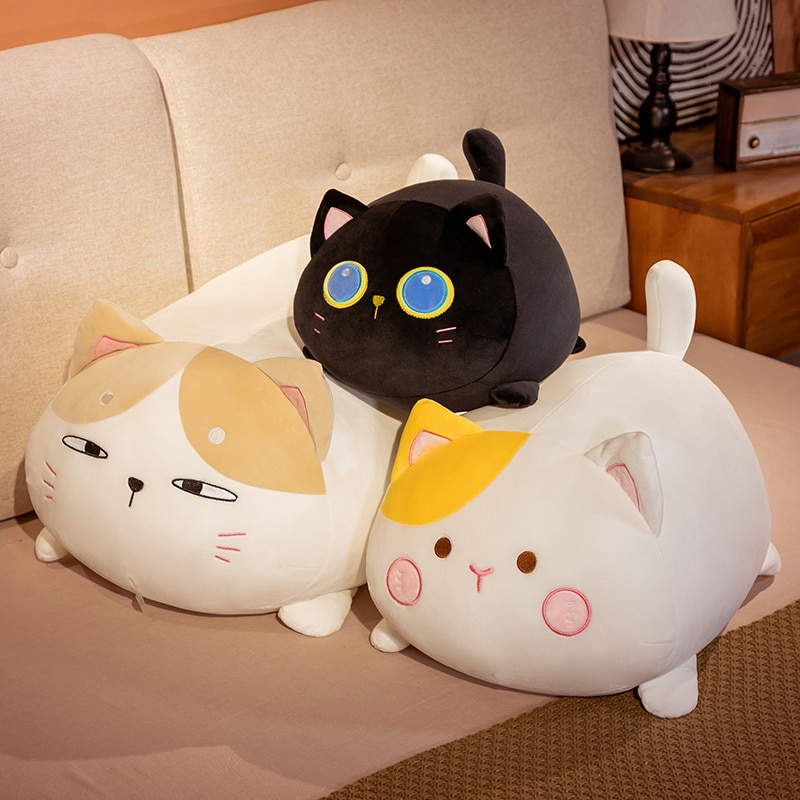
- The chill one: a capybara, seal or sleepy cat, such as the Fat Cat Plush.
- The adventurer: a shark, dinosaur or dragon, such as the Giant Shark Plush.
- The traditionalist: a classic teddy from our teddy bear collection.
Plushie Safety and Care for Tweens
Twelve-year-olds are old enough to look after their own plushies, but a few safety and care basics are still worth knowing, especially if there are younger siblings in the house.
Safety basics
- Check labels. Toys sold in the United States are expected to meet the ASTM F963 toy safety standard, and toys sold in Europe should meet the EN 71 standards and carry a CE mark (UKCA in Great Britain). Labels also tell you the recommended age and care instructions.
- Watch out for younger siblings. Small parts such as plastic eyes, beads or accessories can be a choking hazard for babies and toddlers. Keep tween collections out of reach of very young children if needed.
- Safe sleep for babies. If your 12-year-old has a baby brother or sister, remember that the American Academy of Pediatrics advises keeping soft objects, including stuffed animals, out of an infant’s sleep space for the first year.
- Weighted plushies. These are designed for older children and adults. They should never be placed over the face, and they are not suitable for babies.
- Electrical items. For light-up plushies and lamps, follow the charging instructions, use the cable supplied and avoid leaving items charging under bedding.
For more detail on materials, our article on what to know about chemicals in children’s toys explains what to look for.
Cleaning and care
Plushies that are hugged every night pick up dust, skin oils and the occasional snack crumb. Regular gentle cleaning keeps them fresh:
- Read the care label first. Some plushies are machine washable, while others should be spot cleaned only.
- Spot clean small marks with a cloth, mild soap and lukewarm water.
- Machine wash where allowed on a gentle cycle at a low temperature, inside a pillowcase or laundry bag.
- Air dry thoroughly, fluffing the fabric as it dries. Avoid high heat unless the label says otherwise.
- Brush fluffy fabrics gently with a soft brush once dry to restore the pile.
Tweens can take on this job themselves, which is a nice way to build responsibility. For full instructions, see our guides on how to clean giant stuffed animals and how often to wash your kids’ stuffed animals.
Plushie Gift Ideas for 12-Year-Olds by Budget
Whether it is for a birthday, a holiday, a “well done” after exams or a “just because”, a plushie is one of the most reliable gifts for a 12-year-old. Here are some ideas from our shop, grouped by budget. Prices are current at the time of writing and may change.
Small treats
- Cute Kawaii Teddy Bear ($13.99): a small, sweet teddy for a desk or bag.
- Cloud Night Light ($12.99): a smiling cloud lamp that adds a gentle glow to a bedside table.
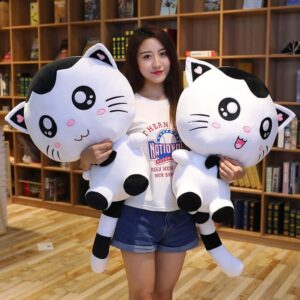
- Big Cat Plush ($17.99): a simple, huggable cat at a pocket-money-friendly price.
- Giant Penguin Plush ($19.99): a classic, cuddly penguin.
Mid-range favourites
- Kawaii Axolotl Plush ($27.99): pastel, smiling and very on-trend.
- Kawaii Long Cat Plush ($20.99): a body pillow for sleep and lounging.
- Seal Plush ($30.99): soft, round and calming.
- Giant Chiikawa Plush ($25.99): for anime fans.
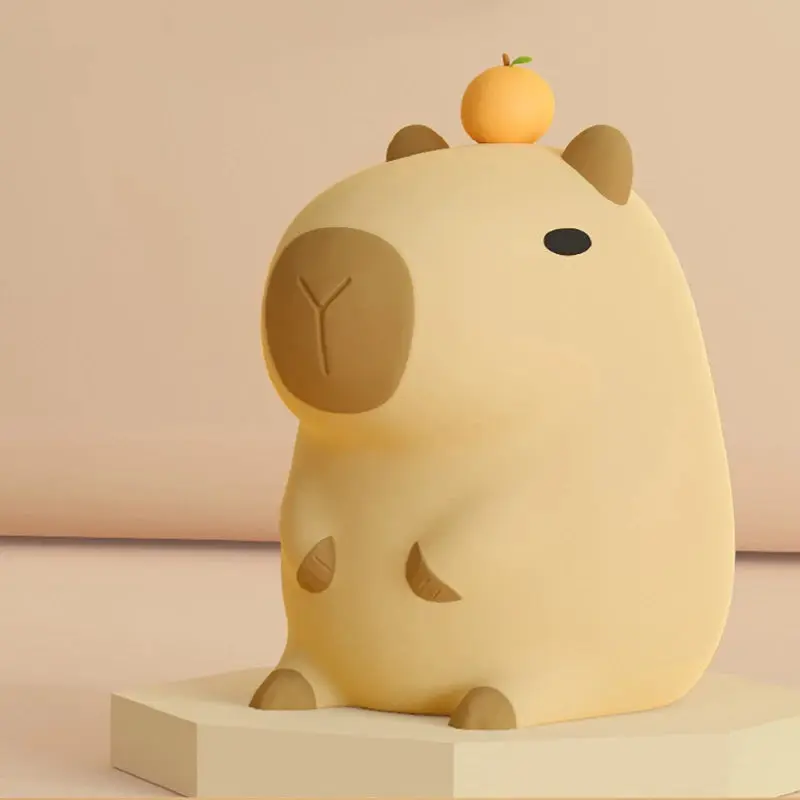
- Capybara Night Light ($24.99): a silicone capybara lamp for the bedside.
- Cozy Capybara Plush with Scarf ($35.99): a cosy capybara that suits any season.
Big-hug splurges
- Giant Capybara Plush ($50.99): a huge, relaxed capybara to lean on.
- Giant Shark Plush ($55.99): a toothy but friendly giant.
- Goose Stuffed Animal ($50.99): a long, funny goose that doubles as a body pillow.
- Weighted Dinosaur Plush ($60.99): extra weight for a grounding cuddle.
If you are buying for a specific date, please allow time for delivery. Orders are usually processed within 2 to 5 business days, and transit typically takes 10 to 30 days depending on the destination. For more gift ideas across all ages, see our full gift guide and our kawaii stuffed animals collection.
Everyday Situations Where a Plushie Helps a 12-Year-Old
Theory is useful, but most parents want to know how plushies help in real life. Here are some common situations at this age where a soft toy can make a genuine difference.
The first weeks of a new school
The first few weeks of middle school or secondary school can be exhausting. Children are learning new routes, new rules and new names, and trying hard to make a good impression. Many come home drained and irritable. Having a familiar plushie waiting on the bed, and some quiet time with it before homework or dinner, can help them decompress. Some tweens also like a tiny plushie keychain on their school bag as a discreet reminder of home.
Sleepovers, camps and school trips
Sleeping away from home is a big step, and even confident children can feel homesick at night. A plushie is one of the easiest ways to bring a piece of home along. If your child is worried about being teased, a small plushie, a plush neck pillow or a plushie that doubles as a pillow can feel more discreet. It is worth reassuring them that many children, and plenty of adults, pack a comfort item when they travel.
Moving house or changing family situations
Moving house, parents separating, a new sibling or a family member moving in can all shake a child’s sense of stability. During these times, familiar objects matter more than ever. A child might cling more tightly to an old plushie for a while. That is a healthy coping response. Try to keep the plushie with them during the move, rather than packed in a box, and avoid insisting on decluttering during the same period.
Illness, hospital stays and medical appointments
Children of all ages often bring a comfort object to hospital or to stressful medical appointments. A plushie gives anxious hands something to hold during an injection or a long wait, and it can make an unfamiliar room feel a little friendlier. For a tween recovering from an illness or injury at home, a giant plushie can also be a practical support cushion on the sofa or in bed.
Loss and grief
The death of a grandparent, a pet or another loved one can be the first real experience of grief for a 12-year-old. Some children find comfort in a plushie that reminds them of a lost pet, or in a plushie that was a gift from the person who has died. Hugging something soft can give a physical outlet for sadness when words are hard to find. If grief is overwhelming or lasts a long time, it is worth seeking support from a doctor, a school counsellor or a bereavement service for children.
Exam and test season
School pressure tends to increase around age 12, with more tests, projects and homework. Study breaks with a plushie, a quick cuddle before an exam or a small plushie on the desk as a “study buddy” can lighten the mood. It might sound silly, but anything that brings a smile and a moment of calm during a stressful revision session is worth having.

Plushies Through the Tween and Teen Years: What Changes?
The way children relate to plushies tends to evolve as they grow. This is a general pattern rather than a rule, and many people skip stages or never stop loving plushies at all.
| Age | Typical relationship with plushies |
|---|---|
| Around 8 to 10 | Plushies are still openly played with. Imaginative play, plushie families and adventures are common. |
| Around 11 to 12 | Play becomes more private or hobby-like. Comfort, sleep, collecting and trends become the main reasons. Some children feel self-conscious about being seen with plushies in public. |
| Around 13 to 15 | Plushies often shift towards decor, collecting, trends and humour. Comfort use continues for many, often at night or during stress. |
| Around 16 to 18 | Plushies may become part of a personal aesthetic or a nostalgic keepsake. Many teens openly enjoy them again, especially as they see young adults doing the same. |
| Adulthood | Many adults keep childhood plushies, collect new ones or use them for comfort and sleep. Giant plushies and character collections are especially popular. |
One common pattern is that children become self-conscious about plushies around 11 to 13, then relax about it again in their mid-to-late teens once they feel more secure in their identity. Knowing this can help parents avoid treating a temporary phase of embarrassment, or a temporary phase of extra attachment, as permanent.
Plushies Compared With Other Comfort Habits
Every child finds ways to comfort themselves when they are stressed. Some habits are more helpful than others. Plushies compare very favourably with many alternatives.
| Comfort habit | Pros | Possible downsides |
|---|---|---|
| Cuddling a plushie | Calming, screen-free, private, always available, no side effects | Occasional embarrassment, needs regular cleaning |
| Scrolling or watching videos | Distracting, entertaining, social | Can disrupt sleep, comparison with others, hard to stop |
| Comfort eating | Quick and pleasurable | Can become an unhealthy pattern if relied on often |
| Nail biting or skin picking | Relieves tension in the moment | Can cause soreness or infection |
| Talking to someone | Builds connection and problem-solving | Not always available, can feel hard to start |
| Exercise or movement | Great for mood and health | Not always practical late at night or in small spaces |
A plushie is not a replacement for talking, moving or getting enough sleep, but it is a gentle, harmless tool that works well alongside them. If a tween reaches for a plushie instead of a phone at bedtime, that is a small win.
What the Research Does and Does Not Tell Us
It is worth being honest about the evidence. Much of the research on comfort objects focuses on babies and young children, such as Winnicott’s work on transitional objects and Hood and Bloom’s study of preferred toys. Studies on touch and teddy bears, such as those by Tai and colleagues and by Koole and colleagues, were mostly done with adults in laboratory settings. Research on weighted products is limited and the results so far are mixed.
Here is a quick summary of the research mentioned in this guide:
| Researcher(s) and year | What they studied | Key takeaway |
|---|---|---|
| Konrad Lorenz, 1943 | The “baby schema” of cute features | Round faces, big eyes and small noses trigger a caring response |
| Donald Winnicott, 1953 | Transitional objects in early childhood | Special comfort objects help children move towards independence |
| Harry Harlow, 1958 | Infant monkeys with cloth and wire surrogates | Soft contact is a powerful source of security |
| Bruce Hood and Paul Bloom, 2008 | Children’s attachment objects versus “duplicates” | Children with attachment objects preferred the original over an identical copy |
| Melanie Glocker and colleagues, 2009 | Baby-like faces and perceived cuteness | More baby-like features increased cuteness ratings and caretaking motivation |
| Line Löken and colleagues, 2009 | C-tactile nerve fibres and gentle stroking | Slow, gentle stroking activates fibres linked to pleasant touch |
| Kenneth Tai and colleagues, 2011 | Touching a teddy bear after social exclusion | Touch was linked to more helpful behaviour after feeling left out |
| Sander Koole and colleagues, 2014 | Touching a teddy bear and existential anxiety | Touch reduced anxious thoughts in people with low self-esteem |
| American Academy of Sleep Medicine, 2016 | Sleep needs by age | Children aged 6 to 12 need 9 to 12 hours of sleep |
So, there is no single study that proves “plushies make 12-year-olds happier”. What we do have is a consistent picture from several directions: soft touch is calming, familiar objects provide security during change, cute features naturally attract care and attention, and comfort objects are widely used by people of all ages without harm. Combined with what we know about the challenges of age 12, it is reasonable to see plushies as a helpful, low-risk source of comfort and joy for many children.
If you would like to read more about the developmental side of soft toys, our articles on how stuffed animals contribute to child development and the benefits of soft toys for children cover the earlier years in more depth.

Plushies for Neurodivergent Tweens
Many families of autistic children, children with ADHD and children with sensory processing differences tell us that plushies play an especially important role in their child’s life. Every child is different, so the points below are general observations rather than advice for any individual.
Sensory regulation
Some neurodivergent children seek out particular textures, pressures or movements to help them regulate. A plushie with a specific feel, such as super-stretchy mochi fabric, short velvety fur or a firm weighted body, can provide a predictable, soothing sensory input. Some children like to rub a particular seam or tag, squeeze a plushie rhythmically or press a weighted plushie against their chest. These are healthy ways of meeting a sensory need.
Predictability and routine
Changes in routine can be particularly hard for some neurodivergent tweens, and age 12 is full of change. A familiar plushie can bring predictability into new situations: the same companion at the dentist, on the bus, at a relative’s house and in bed. Some families find that keeping one “travel” plushie and one “home” plushie works well, so that the most precious one is never at risk of being lost.
Social connection and special interests
Plushies often connect with a child’s special interests, whether that is a particular animal, a game, an anime series or a type of food. A child who knows everything about sharks may find real joy in owning a shark plushie and sharing facts about it. Plushies can also be a social bridge, giving a child something concrete to show and talk about with peers who share the same interest.
If your child has sensory or emotional needs, an occupational therapist can offer tailored advice on textures, weights and routines. You can explore textures in our sensory plushies collection and read more on our weighted stuffed animals page.

Display Ideas: Making Plushies Part of a Tween’s Room
As children get older, many want their plushies to look intentional rather than piled in a toy box. Helping your tween display their collection nicely can boost their pride in their room and make tidying much easier.
- A curated bed lineup. Three to five favourite plushies arranged against the pillows looks deliberate and cosy, especially in matching colours.
- Floating shelves. A shelf above the desk or bed turns a collection into a display. Group plushies by colour, size or theme.
- A statement giant. One giant plushie in a reading corner, perhaps with a cushion and a small lamp, becomes a feature of the room.
- Baskets and boxes. Fabric storage boxes keep the rest of the collection tidy and dust-free while still being easy to reach.
- Rotating favourites. Some tweens swap their displayed plushies every month or season, which keeps the room feeling fresh without buying more.
- Soft lighting. A cute night light or fairy lights near the display adds a warm glow in the evening.
For a full makeover, our step-by-step guide on how to create a kawaii room covers colours, bedding, lighting and storage. You can also browse our plush toy storage range for practical solutions.
Conversation Starters: Talking With Your Tween About Plushies
If you would like to connect with your 12-year-old over their plushies, but are not sure how to start without sounding awkward, here are some easy, open questions:
- “Which of your plushies has been with you the longest? Do you remember where it came from?”
- “If your plushies had personalities, who would be the boss and who would be the troublemaker?”
- “Which plushie is the best at cheering you up, and why?”
- “What’s the most popular plushie at school right now?”
- “If you could design your own plushie, what would it look like?”
- “Do you want help giving any of your plushies a wash or a repair?”
- “Would you like to make a little display shelf for your favourites?”
Questions like these show interest without judgement. They also open the door to bigger conversations, because a child who feels that their small joys are respected is more likely to share their bigger worries too.
A Quick Guide for Grandparents, Relatives and Family Friends
If you are a grandparent, aunt, uncle or family friend buying for a 12-year-old, it can be hard to know whether a plushie will be welcome. Here are a few simple tips:
- Ask the parents. They will know whether the child is currently into plushies and which animals or characters they love.
- Go for “cool cute”. Trending animals (capybaras, axolotls, chubby cats), funny food plushies and anime characters tend to feel age-appropriate for tweens, while very babyish designs may not.
- Think bigger or more useful. A giant plushie, a body pillow, a light-up plushie or a plush neck pillow feels like more than “just a toy”.
- Consider a mini set. A pack of mini plushies is fun for collectors and fits easily on a shelf.
- Include a gift receipt or note. A simple note such as “I thought this one looked like you” makes the gift personal and lets the child know you see their personality.
Most importantly, do not worry about whether a plushie is “too young”. If it matches the child’s interests, it is very likely to be loved. Our most popular plushies are a good place to see what other families are choosing.
How to Build a Calm-Down Kit With Your Tween
A calm-down kit is a small collection of items a child can turn to when they feel stressed, angry, sad or overwhelmed. For younger children it is often a box in the living room. For a 12-year-old, it works better as a personal, private kit that lives in their own room, chosen by them. A plushie is usually the heart of it.
Here is a simple way to build one together:
- Choose a container. A basket, a fabric box or a drawer works well. Let your child pick something that suits their room.
- Pick a comfort plushie. This could be an old favourite, a weighted plushie or a squishy one that feels good to squeeze.
- Add something for the senses. A soft blanket, a stress ball, a scented hand cream or a pair of fluffy socks.
- Add something for the mind. A small notebook and pen for writing or drawing feelings, a book they love or a puzzle.
- Add something for the ears. Headphones and a calming playlist or audiobook.
- Add a light. A small, warm night light can make the space feel cosy in the evening.
- Write a reminder card. Together, write three or four things that help, such as “slow breaths”, “message a friend” or “talk to Mum or Dad”.
The point of the kit is not to avoid feelings but to give your child tools to handle them. Having those tools ready, with a familiar plushie at the centre, makes it more likely they will use them when they need them.
Plushies and Screen Time: Finding a Healthy Balance
Many parents of 12-year-olds are trying to manage screen time, especially in the evening. Plushies can be a surprisingly helpful ally here. They will not replace phones or games, and they do not need to, but they can fill some of the moments when a child reaches for a screen simply out of habit or for comfort.
A few ideas that families find useful:
- A screens-off bedtime routine. Phones charge outside the bedroom, and the last part of the evening is for reading, music and a plushie.
- Cosy offline corners. A giant plushie, a cushion and a lamp in a corner of the room creates an inviting place to read or draw.
- Creative screen use. If your child loves screens, channel it into creative projects with their plushies, such as photography or stop-motion, which are active rather than passive.
- Movie nights together. Shared family screen time, with plushies as cushions, can be a lovely way to connect. Our cosy movie night setup has ideas.
The goal is balance rather than banning. Children who have pleasant, comforting alternatives to screens tend to find it easier to put the phone down when it is time.
Plushie Words Your Tween Might Use: A Quick Glossary
If your 12-year-old talks about plushies in a language that sounds unfamiliar, this short glossary will help you keep up.
- Plushie: an informal word for a soft stuffed toy made from plush fabric. Our article on plushies vs stuffed animals explains the subtle difference.
- Kawaii: the Japanese word for cute, also used for a whole style of design with round shapes, pastel colours and simple faces. See our kawaii stuffed animals guide.
- Mochi fabric: a very soft, stretchy, smooth fabric that squishes like the Japanese rice cake it is named after.
- Minky: a soft, short-pile polyester fabric often used on plushies and baby blankets.
- Body pillow: a long plushie designed to be hugged with arms and legs, often used for side sleeping.
- Jumbo or giant plushie: an extra-large plushie, often 80 cm or more, used as a cushion or statement decor.
- Mini or keychain plushie: a small plushie, sometimes with a clip, used on bags or as part of a collection.
- Blind bag or blind box: packaging where you do not know which character is inside until you open it.
- Weighted plushie: a plushie with added weight from beads or pellets for a firmer, deep-pressure cuddle.
- Comfort object: any item a person uses for emotional comfort, from a blanket to a teddy bear. Psychologists sometimes use the term “transitional object” for a young child’s first special comfort item.
- Plush collection: a group of plushies kept and displayed on purpose, often around a theme such as one animal, one series or one colour.
Learning a few of these terms is an easy way to show your tween that you are interested in their world, and it makes gift shopping a lot simpler too.
Frequently Asked Questions
Why do 12 year olds like plushies so much?
Twelve-year-olds like plushies because they offer comfort, calm and familiarity during a year of big changes, including puberty, a new school and shifting friendships. Plushies also help tweens sleep, express their personality, bond with friends, enjoy collecting and join in with online trends such as capybara and axolotl plushies.
Is it weird for a 12-year-old to sleep with a stuffed animal?
No. Sleeping with a stuffed animal is common at 12 and well beyond. Many teenagers and adults sleep with a plushie too. A bedtime plushie can make it easier to relax, feel safe and stick to a regular sleep routine.
At what age do kids stop liking stuffed animals?
There is no set age. Some children lose interest around 9 or 10, others keep loving plushies into their teens and adulthood. Many tweens become more private about their plushies around 11 to 13, but that does not mean they have stopped enjoying them.
Should I take away my 12-year-old’s plushie?
Usually not. A plushie is a harmless comfort tool, and taking it away can increase anxiety or damage trust. If you are worried that your child relies on it very heavily, focus on understanding what is causing their stress, and speak to a doctor or school counsellor if needed.
Do 12-year-old boys like plushies?
Yes. Many boys enjoy plushies, although they may feel more pressure to hide it. Sharks, dinosaurs, dragons, game and anime characters and funny meme plushies are especially popular, but boys can love any plushie. The best thing parents can do is treat it as completely normal.
What kind of plushie should I buy a 12-year-old?
Choose something that matches their interests and current trends, such as a capybara, axolotl, chubby cat, food plushie or anime character. Consider size (giant plushies and body pillows are popular), texture (super-soft “mochi” fabric is a favourite) and function (light-up, weighted or travel plushies).
Are giant plushies a good gift for tweens?
Yes. Giant plushies are one of the most popular gifts for this age group because they work as room decor, a reading or gaming cushion and a big comfort hug all at once. Just check that your child has enough space, and see our giant stuffed animals guide for sizing tips.
Can plushies help with anxiety in tweens?
Plushies can help some children feel calmer, and research on touch suggests that cuddling something soft can ease stress. However, a plushie is a comfort tool, not a treatment. If your child has ongoing anxiety, please speak to a doctor or mental health professional.
Are weighted plushies safe for 12-year-olds?
Weighted plushies are generally designed for older children and adults, and many tweens enjoy them. Follow the manufacturer’s guidance, never place weighted items over the face and keep them away from babies. If your child has medical or sensory needs, ask a doctor or occupational therapist first.
How can I stop my child being teased about plushies?
Reassure your child that liking plushies is normal, help them decide what they want to share at school and talk through how to respond to comments. A small plushie keychain is a discreet option. If teasing becomes bullying, speak to the school.
How should my 12-year-old clean their plushies?
Check the care label, spot clean small marks with mild soap and water, machine wash on a gentle, cool cycle in a pillowcase if the label allows, and air dry thoroughly. Tweens can usually handle this themselves with a little guidance the first time.
Final Thoughts: Plushies Are Part of Growing Up, Not Something to Grow Out Of
If your 12-year-old loves plushies, there is nothing to worry about and quite a lot to celebrate. A plushie is a small, soft constant in a year when almost everything else is changing. It helps tweens calm down after a long day, fall asleep, feel brave at sleepovers, express their sense of humour, connect with friends and enjoy the simple pleasure of something cute.
Most importantly, a child who feels free to enjoy their plushies without judgement is learning a valuable lesson: that it is fine to look after your own feelings, and that growing up does not mean giving up the things that make you happy. Whether your tween treasures one old teddy bear or a whole shelf of capybaras, the best thing you can do is respect it, support it and maybe even join in.
If you are looking for a new plush friend for your tween, explore our kawaii stuffed animals, capybara plushies and collectible plushies, or visit the My Heart Teddy homepage to see everything we offer. For more reading, our article on what plushies are and why people love them is a great next step.