What Makes Japanese Culture So Unique?
Japanese culture is a study in remarkable contrasts. It is simultaneously one of the most ancient and most forward-thinking cultures on Earth. Centuries of deliberate isolation during the Edo period (1603–1868) allowed Japan to develop an extraordinarily distinctive aesthetic philosophy — one that prizes precision, minimalism, and harmony with nature — while the post-war Meiji and Showa eras opened Japan to global influences that it absorbed and transformed into something unmistakably its own.
At its core, Japanese culture is guided by a set of aesthetic principles that appear in everything from garden design to food presentation to street fashion. Wabi-sabi — the acceptance of imperfection and transience — shapes architecture and pottery. Mono no aware — the bittersweet awareness of passing beauty — informs literature and art. Ma — the conscious use of negative space — governs music and visual design. And threading through all of these is a uniquely Japanese relationship with cuteness: kawaii.
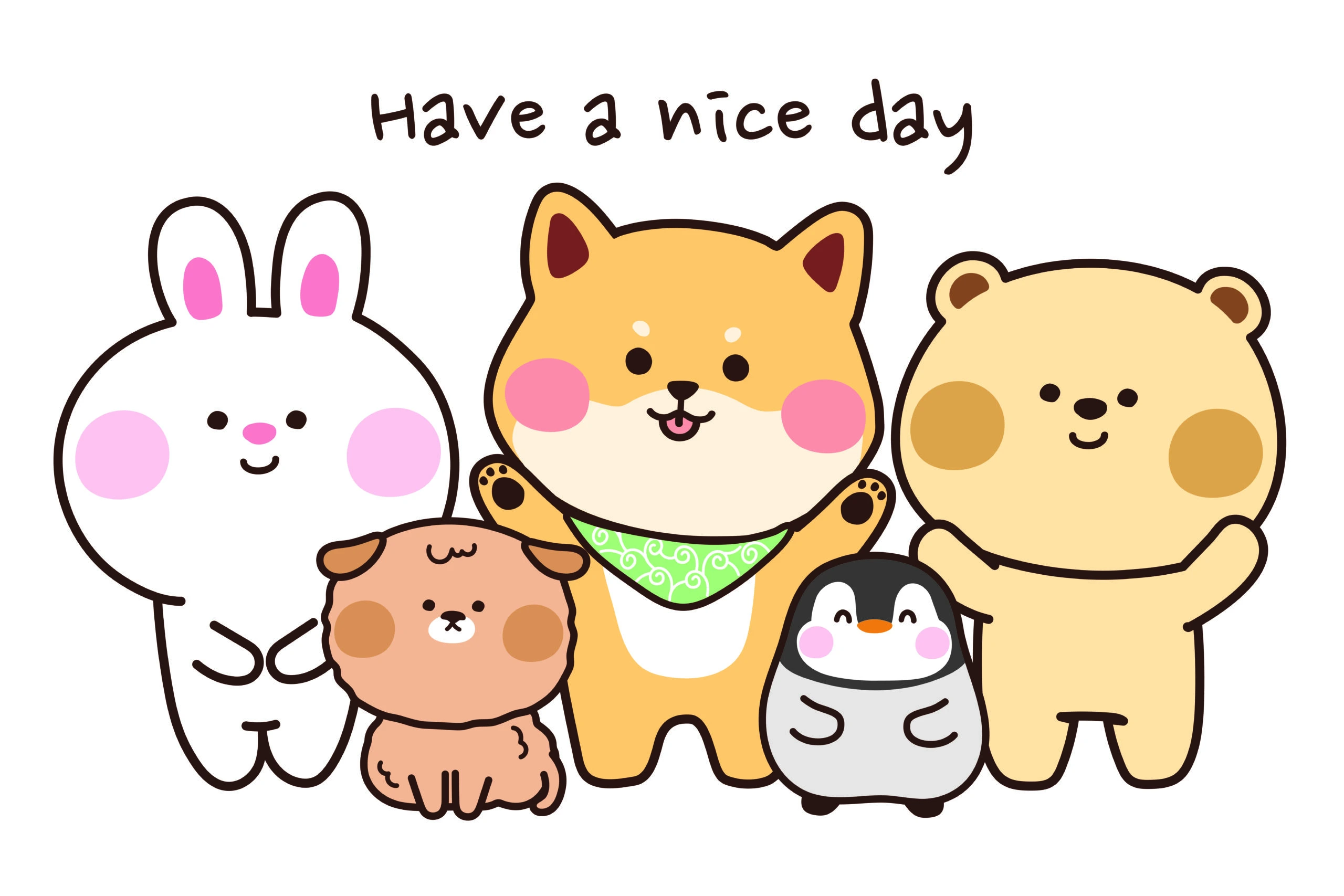
Japan is the world's third-largest economy, the birthplace of anime, manga, J-pop, Nintendo, Toyota, and sushi — yet arguably its most globally influential export is an attitude rather than a product. Kawaii, the Japanese concept of cuteness as a philosophical and social force, has spread from Tokyo's Harajuku district to the streets of Paris, Seoul, New York, and São Paulo. Understanding kawaii means understanding something essential about Japan itself.
The Origins of Kawaii: How Japan Invented Cute
The word kawaii (可愛い) has ancient Japanese roots meaning "loveable" or "pitiable" — a quality associated with childlike innocence and the instinct to protect something small and vulnerable. But as a cultural movement, kawaii is unmistakably a product of post-war Japan.
In the 1960s and early 1970s, a generation of Japanese teenagers began rejecting the rigid formality of adult society. They adopted a handwriting style called marui ji (round characters) — a deliberately childlike, bubble-lettered script that mixed hiragana with English words, hearts, stars, and cat faces. This practice was banned in many Japanese schools as "corrupting" the language, which only amplified its appeal. The act of writing cute was an act of rebellion.
"Kawaii is not just about looking cute — it is about reclaiming softness as a form of power in a society that demands hardness." — Cultural historian's observation on Japanese youth culture
The commercialisation of kawaii accelerated rapidly in the 1970s when Sanrio launched a small plastic coin purse featuring a white cat with no mouth named Hello Kitty in 1974. The character's blankness — its lack of expression — was intentional. Hello Kitty's face was a canvas onto which anyone could project their own feelings. The product became a global phenomenon, and with it came an entire industry built on the premise that cuteness was not childish — it was universal.
Throughout the 1980s, Japanese manufacturers discovered that making everyday objects kawaii — staplers shaped like pandas, calculators in pink with bow-shaped buttons, pencil cases featuring sleeping bears — drove consumer purchases across all age groups. By the 1990s, kawaii was not a subculture. It was Japan's dominant consumer aesthetic, and its influence was beginning to cross borders through anime, video games, and J-pop.
For a deeper exploration of kawaii's vocabulary, aesthetics, and history, visit our Kawaii Encyclopedia — the most comprehensive English-language reference for kawaii culture.
Kawaii Subcultures: The Many Faces of Japanese Cute
One of the most misunderstood aspects of kawaii is its diversity. Kawaii is not a single aesthetic — it is an umbrella term that encompasses dozens of distinct subcultures, each with its own visual language, community, and philosophy. Far from being a soft or simple concept, the kawaii universe is a richly stratified system of expression.
The Core Kawaii Styles
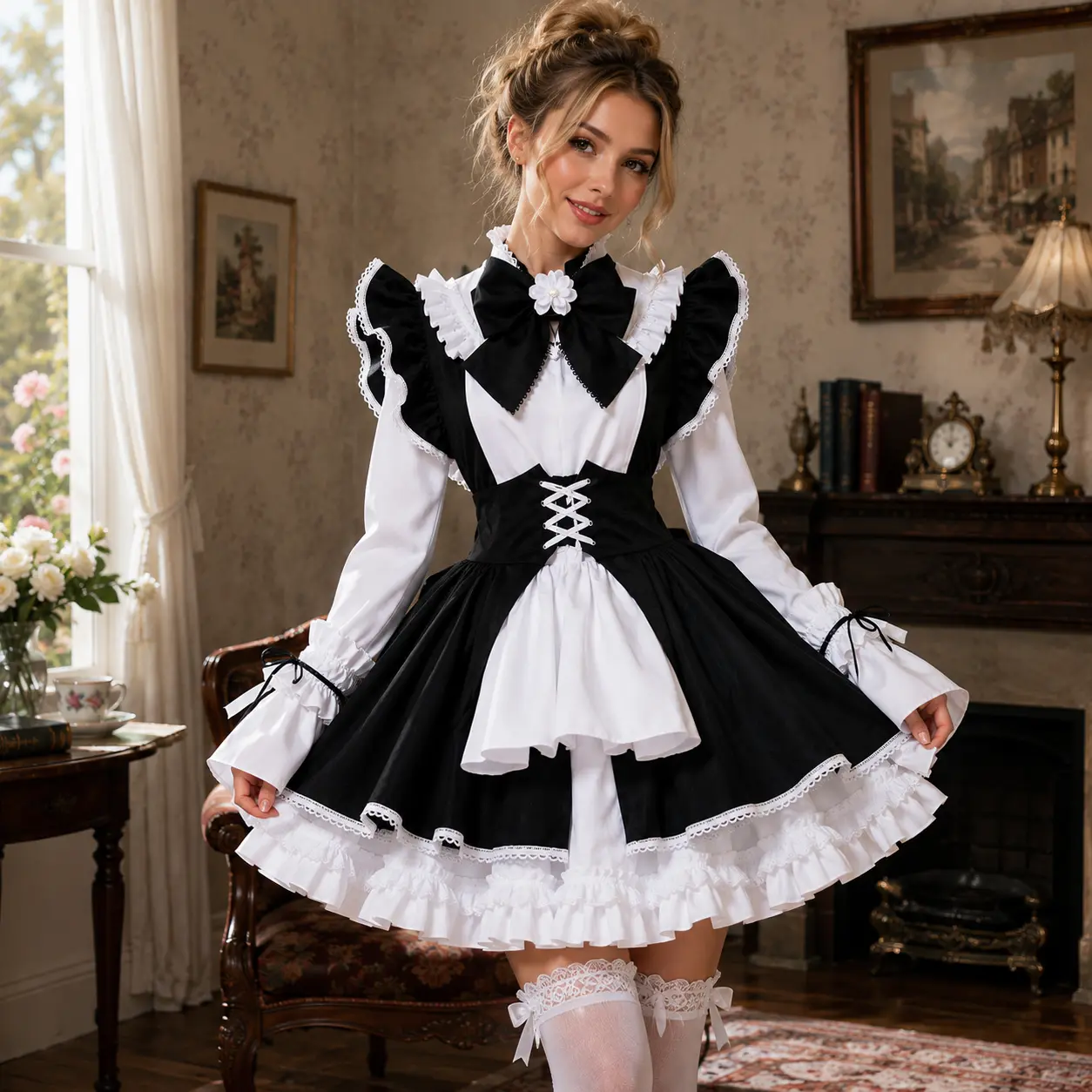
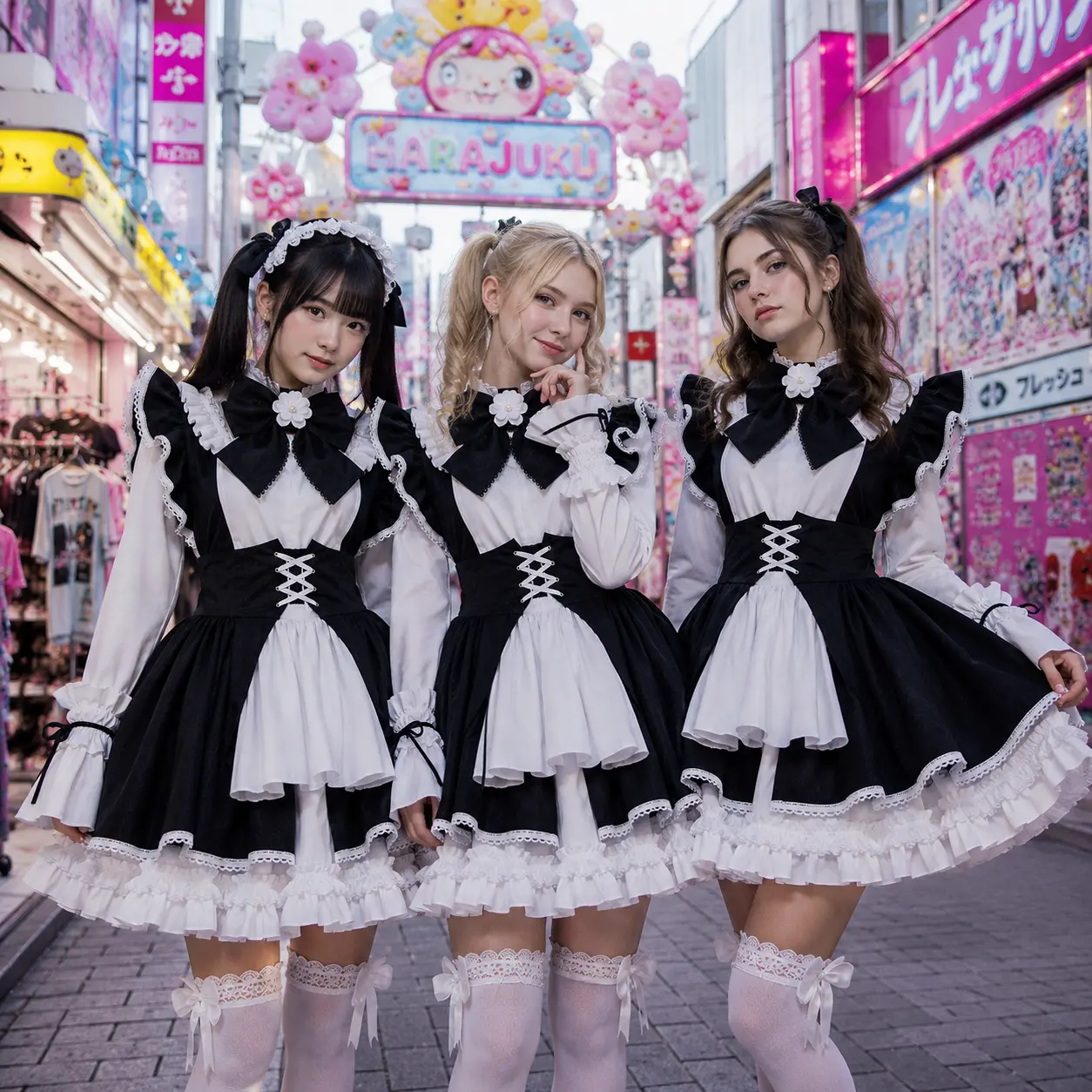
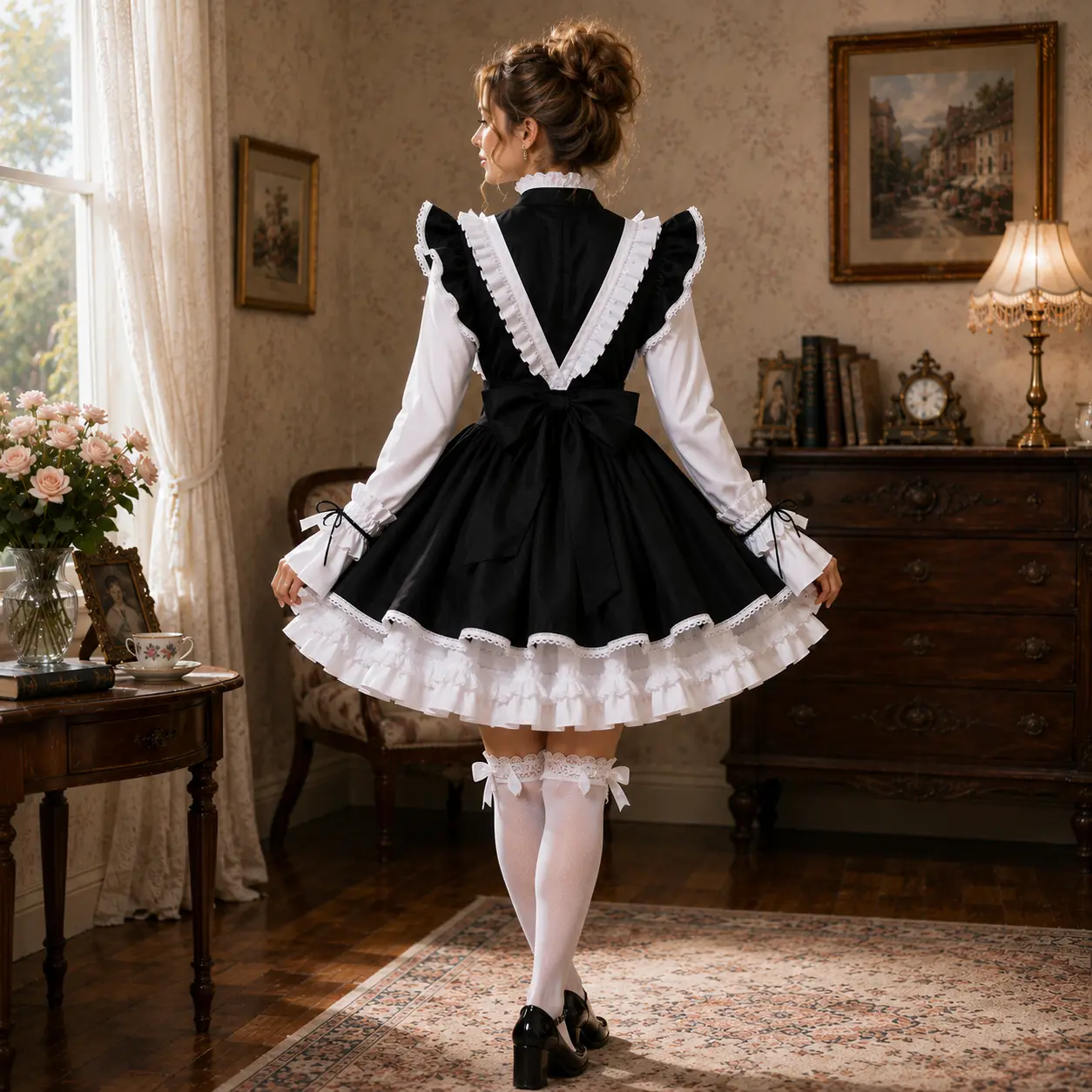
Sweet Lolita draws on Victorian and Rococo aesthetics — petticoats, lace, ribbons, and pastel colours — to create an image of innocence that is simultaneously theatrical and sincere. It rejects the sexualisation of femininity in favour of doll-like elegance. Decora Kei takes layering to its logical extreme: participants pile on hundreds of hair clips, plastic accessories, mismatched socks, and cartoon prints until the body becomes a collage. Fairy Kei channels the pastel nostalgia of 1980s toys and Western cartoons — Care Bears, My Little Pony, Rainbow Brite — filtered through a Japanese aesthetic sensibility.
Pastel Goth is perhaps the most internationally recognised: it fuses the dark palette of goth subculture — black, purple, skulls, occult symbols — with kawaii softness: pastel pink hair, cartoon cats, and oversized plush toys. It is a deliberate aesthetic contradiction that resonates deeply with a generation navigating complex emotional landscapes. You can explore all of these styles and more in our dedicated Kawaii Fashion guide.
What all of these subcultures share is a refusal to accept that adulthood requires abandoning softness. Japanese kawaii culture — at its most politically conscious — is a statement about the right to remain playful, expressive, and unapologetically gentle in a world that often demands otherwise.
Harajuku: The Global Epicentre of Kawaii Fashion
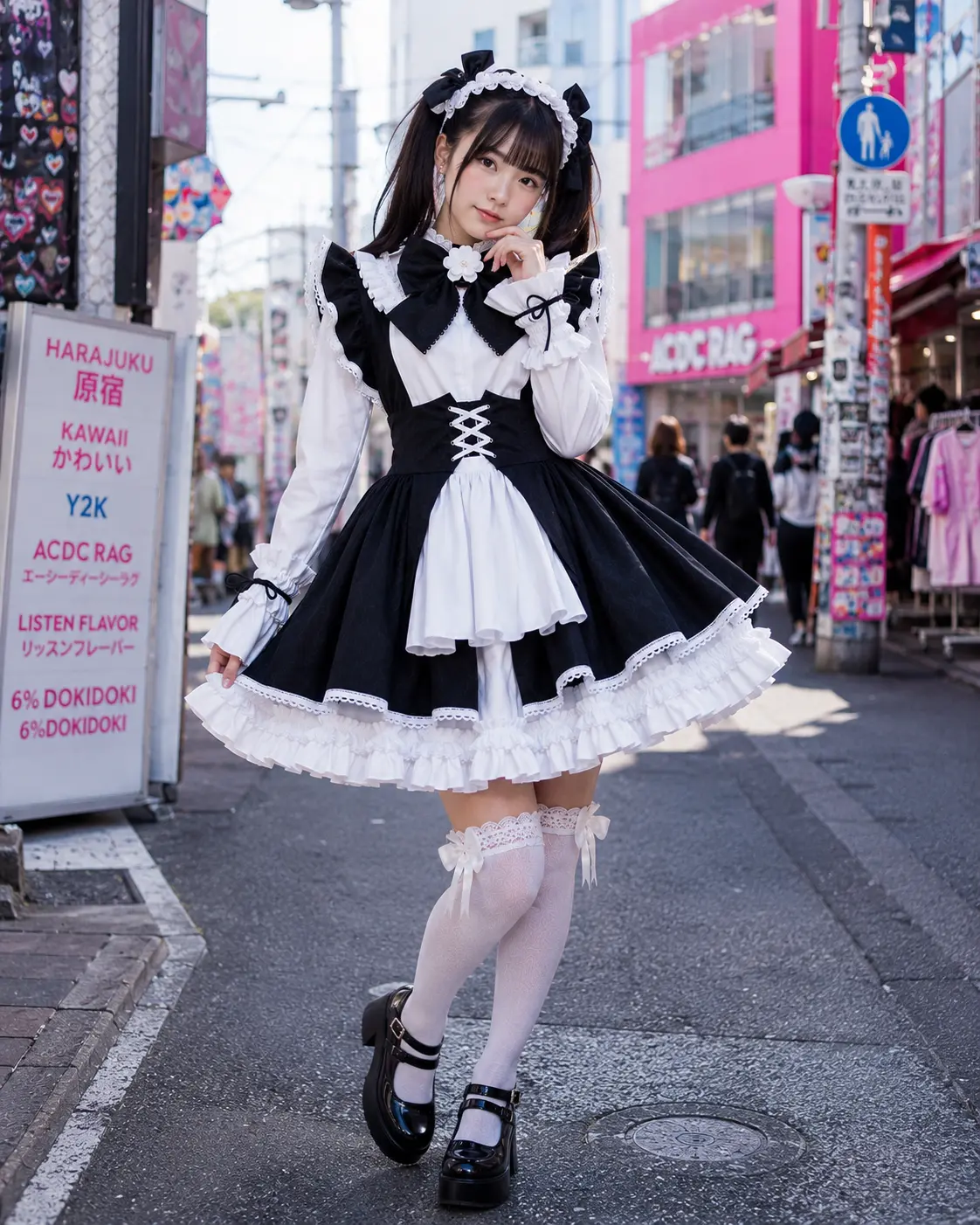
No neighbourhood on Earth has had a greater influence on global street fashion than Harajuku. Located in the Shibuya ward of Tokyo, Harajuku is home to Takeshita Street — a narrow, 350-metre pedestrian lane lined with vintage shops, crepe stalls, and fashion boutiques catering to teenagers. On weekends throughout the 1990s and 2000s, the bridge leading to Yoyogi Park became the gathering point for the Harajuku Girls — young women who would arrive in full costume, mixing and matching styles in ways that defied any single category.
Harajuku fashion is characterised by its radical individualism. Unlike Western street fashion, which tends to cluster around recognisable designer labels or mainstream trends, Harajuku style is almost entirely DIY in spirit — even when it involves expensive garments. The goal is not to look like anyone else. It is to project a complete, coherent, self-authored visual world.
The most iconic Harajuku fashion category in global consciousness is cosplay — costume play, the practice of dressing as anime, manga, or video game characters. While cosplay originated in Japan's science fiction fan communities (mirroring American science fiction conventions of the 1970s), Harajuku gave it a street-fashion legitimacy it lacked elsewhere. In Harajuku, cosplay is not confined to convention halls — it is everyday wear.
International attention arrived when singer Gwen Stefani introduced her "Harajuku Girls" to Western audiences in 2004. While the subsequent cultural conversation was complicated, the effect on kawaii fashion's global reach was undeniable. Today, kawaii clothing is sold and celebrated on every continent, and the aesthetic vocabulary of Harajuku — pastel colours, oversized silhouettes, cute prints, layered accessories — has become part of mainstream fashion language.
Central to both Harajuku cosplay and kawaii street fashion is the role of hair — and specifically kawaii wigs. In cosplay culture, the wig is inseparable from the character: the exact shade of Hatsune Miku teal, the spiky orange of Naruto, or the twin tails of a Sailor Moon recreation are as iconic as any costume element. In Harajuku street fashion, a pastel rainbow wig or a soft lavender bob communicates aesthetic identity instantly and can transform even a simple outfit into a complete, considered kawaii look. Kawaii wigs — from pastel bobs and anime character styles to ombre gradients and princess-length curls — are among the most powerful and beloved tools in the kawaii fashion wardrobe.
Equally central to the Harajuku and kawaii aesthetic is beauty — and kawaii makeup is its own deeply developed art form. The kawaii beauty aesthetic prioritises luminous, dewy skin, wide-eyed softness, high-placed pastel blush, and gradient lips — the specific visual language of J-beauty and K-beauty filtered through the kawaii cultural lens. In cosplay, makeup is as technically demanding as the costume itself: character-accurate eye shapes, vivid colour work, and theatrical effects that hold up under convention lighting. For everyday kawaii street style, kawaii makeup is the final detail that completes the look — the dewy skin, the jelly lip, the press-on nails with pastel prints that tie the whole aesthetic together.
Kawaii Clothing Today
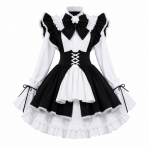
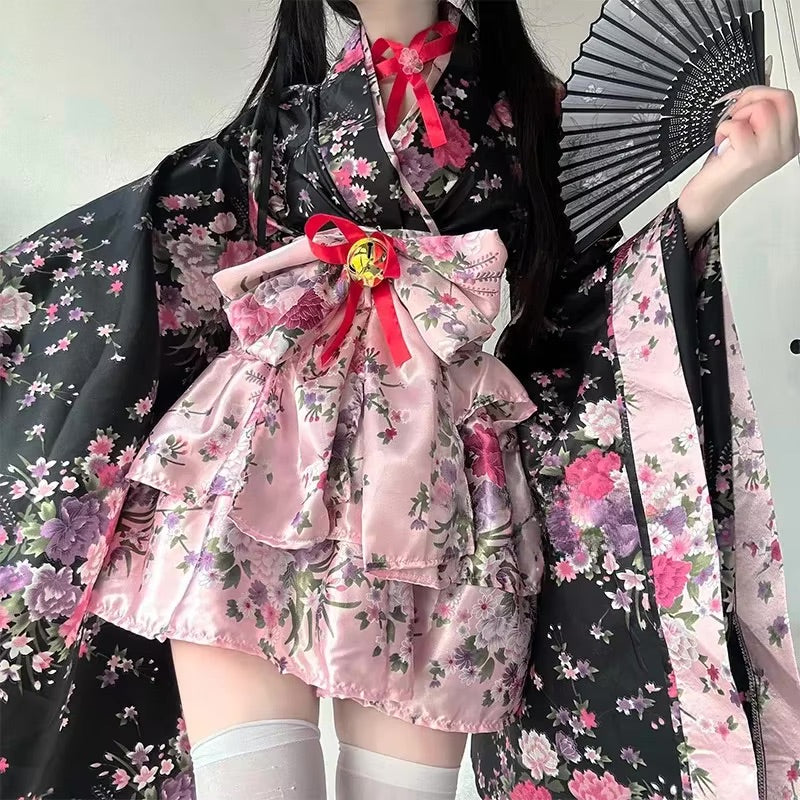
Contemporary kawaii clothing blends Harajuku's experimental energy with more wearable, everyday styles. Oversized hoodies with cute animal prints, pastel-coloured kawaii dresses with ruffled hems, co-ord sets in gingham and strawberry prints — these are the everyday expressions of an aesthetic that was once purely underground. The traditional Japanese kimono continues to inspire kawaii fashion designers, blending classical elegance with modern cute sensibility.
Anime, Manga, and the Characters That Define Kawaii
It is impossible to discuss Japanese culture without acknowledging the staggering global reach of anime and manga. Japan's animation industry produces around 60% of the world's animated content, and its comic publishing industry generates billions of dollars annually — more than the film and music industries combined within Japan. But beyond the economics, anime and manga have created a shared visual language that connects fans across languages and cultures.
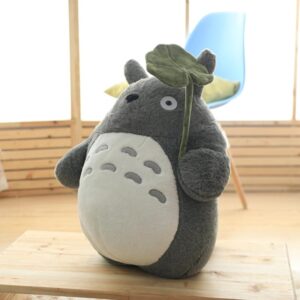
The visual hallmarks of anime — oversized, expressive eyes; simplified facial features; expressive body language; richly detailed environments — are directly connected to kawaii aesthetics. Characters designed to be cute trigger an instinctive protective response in viewers, creating emotional bonds that transcend the screen. This is why Hello Kitty, Pikachu, Totoro, Kirby, and Cinnamoroll are not merely mascots — they are emotional relationships.
The Psychology of Kawaii Characters
Konrad Lorenz, the ethologist who coined the concept of Kindchenschema (baby schema), identified a set of physical features — large eyes relative to head size, round face, small nose — that trigger caregiving responses in humans. Kawaii character design exploits these features precisely. Research from Hiroshima University found that participants who viewed cute images performed tasks requiring focused attention significantly better, suggesting that kawaii triggers a state of gentle alertness. Japan has industrialised this phenomenon more effectively than any other culture — with profound effects on everything from product design to the emotional tenor of public communication.

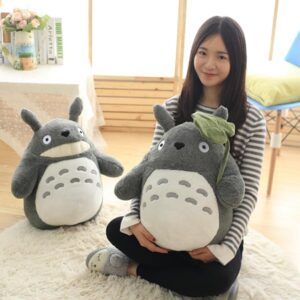
The characters that define kawaii culture today span generations. Sanrio's Hello Kitty pioneered the global market in the 1970s. Nintendo's Pikachu brought kawaii to video games in the 1990s. Studio Ghibli's Totoro, Jiji, and Soot Sprites brought it to cinematic storytelling. More recently, Sumikko Gurashi ("things in the corner") — characters defined by anxiety, shyness, and a preference for sitting in corners — resonated powerfully with a generation navigating social and mental health challenges. Chiikawa, a more recent phenomenon, features tiny creatures navigating a world that is often confusing and overwhelming — a relatable metaphor for modern adulthood.
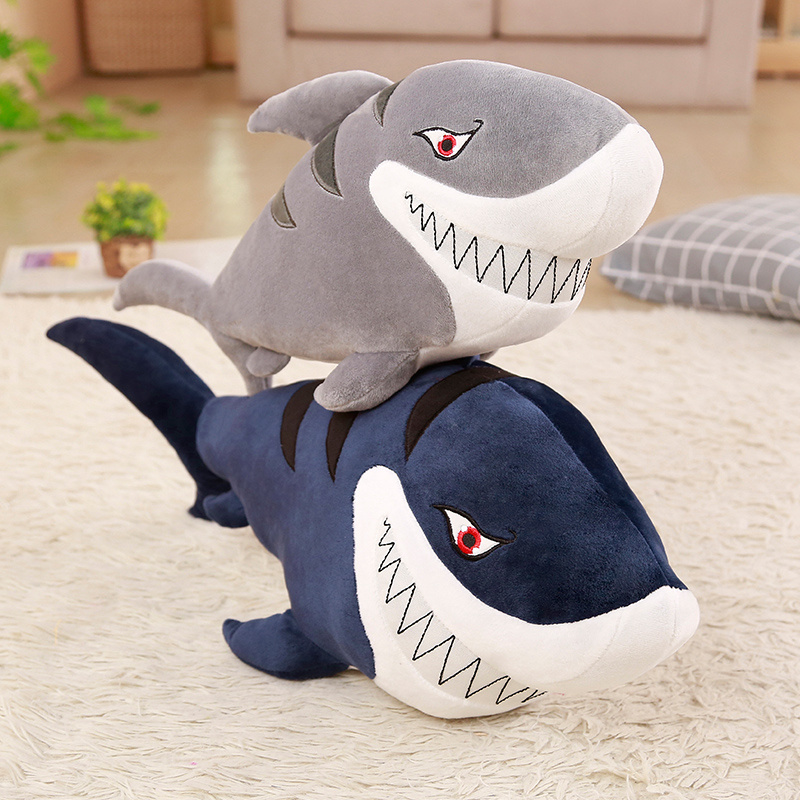
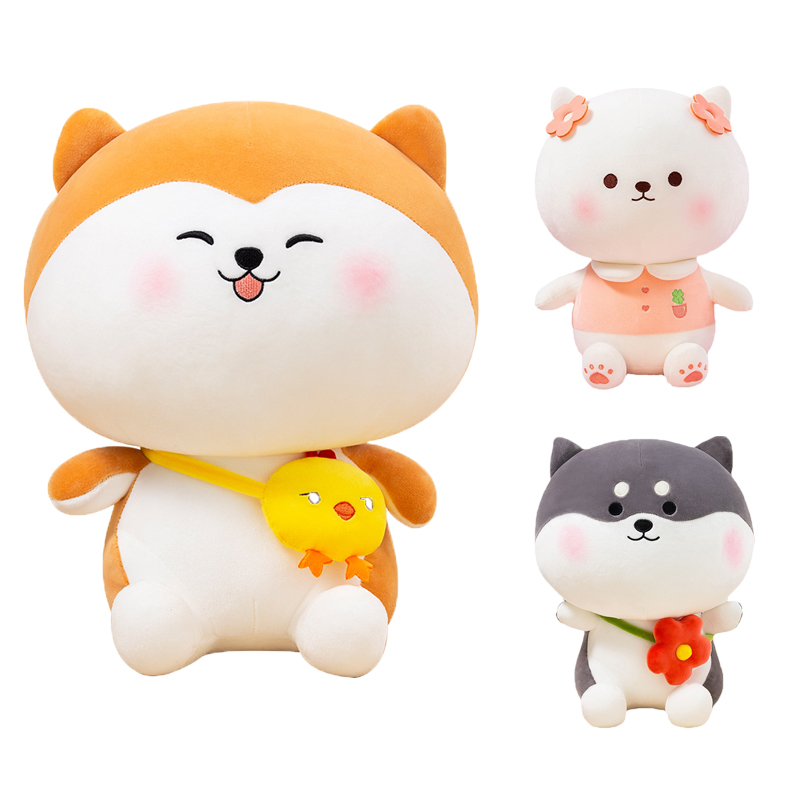
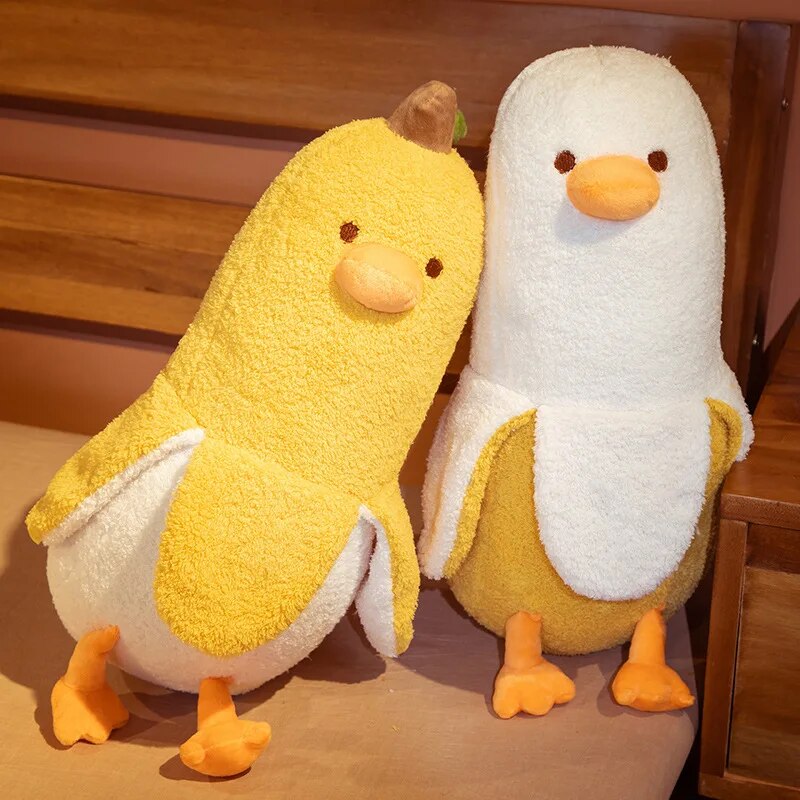
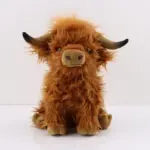
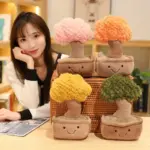
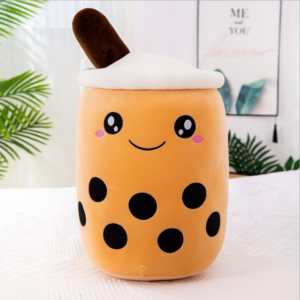
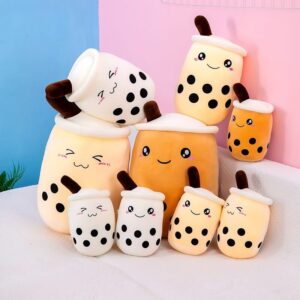
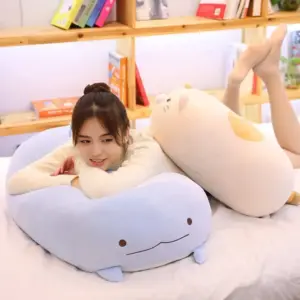
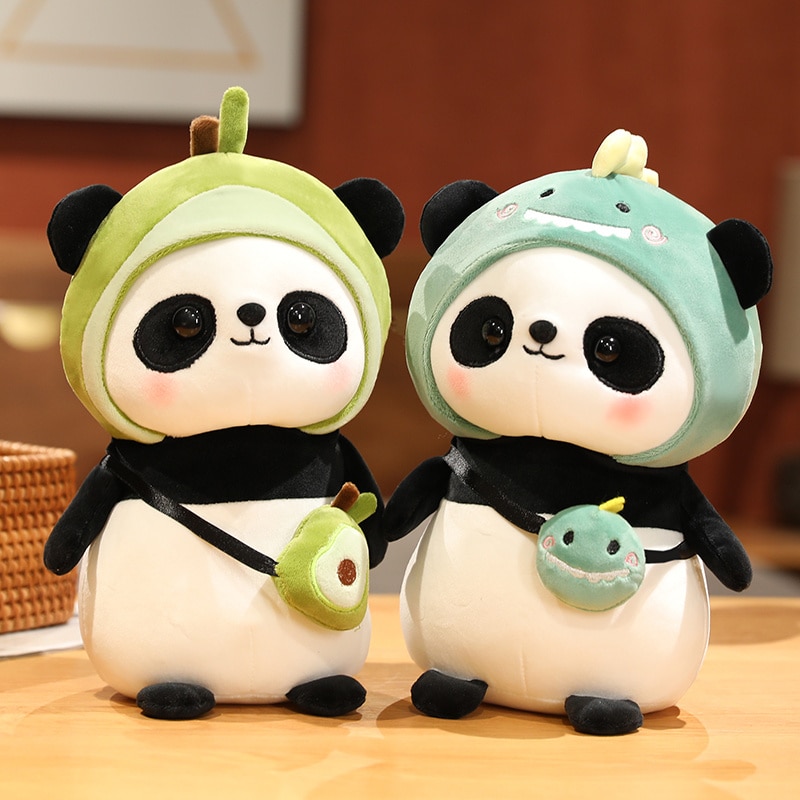
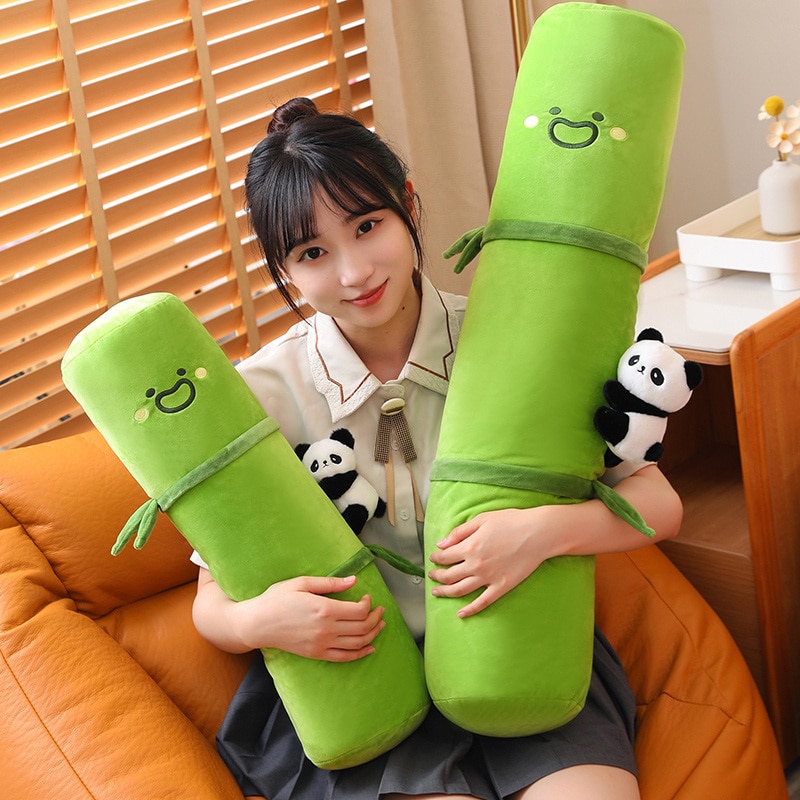
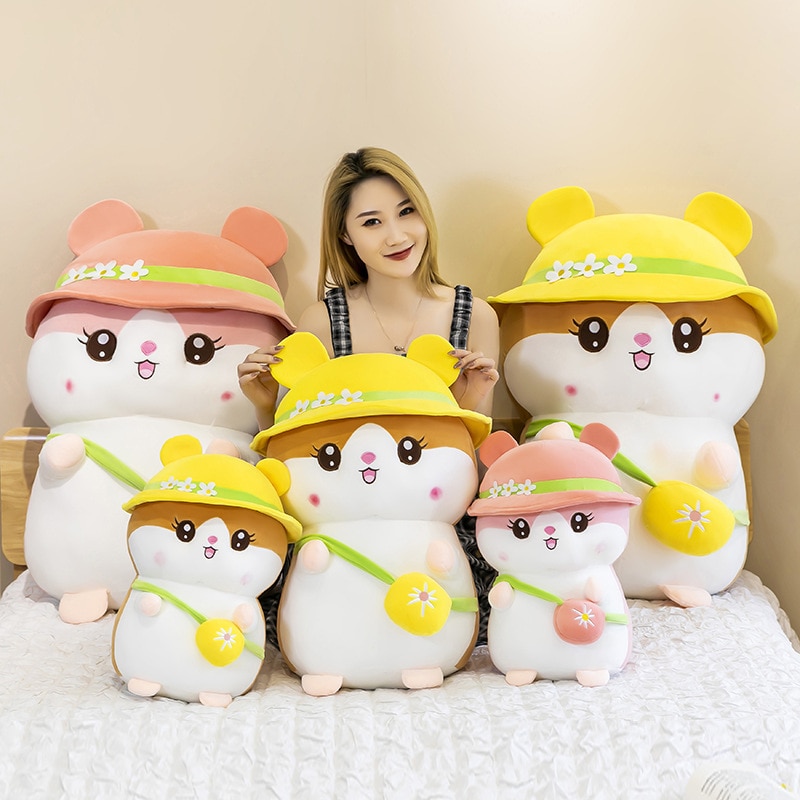
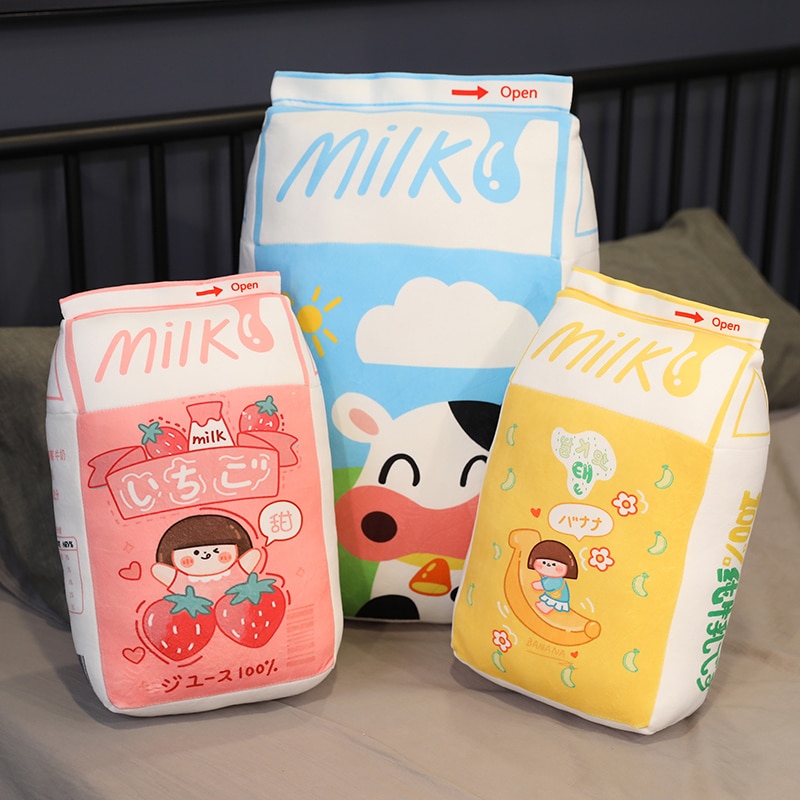
These characters drive a massive merchandise ecosystem. Stuffed animals, plush toys, and character merchandise are among the most significant categories in the kawaii gift economy — and a core part of what we offer at My Heart Teddy. Explore our kawaii stuffed animals collection or browse our complete kawaii store for character-inspired plushies and gifts.
Kawaii and Japanese Gift Culture: The Art of Giving Cute
Gift-giving is woven into the structure of Japanese social life in ways that have no direct equivalent in Western cultures. Omiyage — souvenirs brought back from travel to share with colleagues and friends — is a near-obligatory social ritual. Ochugen and oseibo are mid-year and year-end gift-giving seasons that drive billions of dollars in commerce. White Day, a Japanese invention, is a second Valentine's Day where recipients of gifts on February 14th return gifts exactly one month later.
In this gift-intensive culture, the kawaii aesthetic has become the dominant visual language of gift presentation. Products are packaged in pastel boxes with ribbon and sticker embellishments. Stuffed animals and plush toys are among the most popular gift categories across all age groups — not just for children. In Japan, gifting a plush toy to an adult friend or romantic partner is entirely normal, because the emotional language of kawaii transcends age.
In a 2023 consumer survey, stuffed animals and kawaii plush toys ranked as the second most popular gift category among Japanese women aged 18–35 — ahead of cosmetics and jewellery.
This gift culture has globalised alongside kawaii itself. Kawaii plushies, character merchandise, and cute accessories have become the universal gift language of a generation of international fans. Our kawaii gifts collection is curated specifically for this tradition — soft, beautiful, and emotionally resonant objects that carry genuine cultural meaning.
Stuffed Animals in Japanese Culture
The Japanese concept of mottainai — a sense of regret over waste — contributes to the cultural reverence for stuffed animals as objects worth keeping, cherishing, and even repairing. A beloved plush toy in Japanese culture is not merely a toy — it is a companion, a tomodachi (friend). Many Japanese adults keep childhood stuffed animals into adulthood without any social stigma. This reflects a broader kawaii philosophy: that softness, attachment, and care are virtues, not childishness.
Our kawaii bear collection and matching plushies embody this tradition — designed to be companions, not decorations, and built to last a lifetime of love.
How Kawaii Conquered the World
The globalisation of kawaii happened in several distinct waves. The first wave came through commerce: Hello Kitty, Pokemon, and Tamagotchi penetrated Western markets through retail channels in the 1990s, introducing millions of children to the concept of Japanese cute without necessarily teaching them the word for it. The second wave came through digital culture: anime streaming platforms, K-pop (which absorbed many kawaii aesthetics from Japan), and social media communities in the 2000s and 2010s created dedicated fan bases that actively sought out and studied Japanese aesthetic culture.
The third and current wave is arguably the most significant: kawaii has entered mainstream global fashion and design without requiring any Japanese cultural knowledge to appreciate. Pastel colours, oversized plushies, cute character merchandise, and soft aesthetic interiors now appear in major Western retailers, mainstream fashion brands, and design publications — sometimes without explicit attribution to their Japanese origins.
Kawaii in the Digital Age
TikTok, Instagram, and Pinterest have accelerated kawaii's spread to an unprecedented degree. Aesthetic communities — cottagecore, soft girl, fairy kei, angelcore, dreamcore — share kawaii's DNA even when they do not identify explicitly with Japanese culture. The "soft life" aesthetic that emerged in the early 2020s — prioritising comfort, gentleness, and self-care — is philosophically continuous with kawaii values, even in its Western expressions.
For contemporary kawaii communities worldwide, Japanese culture is not a distant reference — it is an active source of inspiration, vocabulary, and community. Fans study Japanese phrases, celebrate Japanese holidays, collect Japanese merchandise, and follow Japanese pop culture with the same intensity that previous generations followed Hollywood or British music. This is kawaii's most profound legacy: it transformed Japan from a country other cultures observed into a culture that actively shaped global identity.
Explore everything kawaii has to offer in our complete kawaii store guide, or dive deep into specific styles with our kawaii fashion guide and kawaii encyclopedia.
Bring Japanese Kawaii Culture Into Your Life
Our kawaii collection is curated to bring the best of Japanese cute culture to your doorstep — from character plushies and stuffed animals to wearable fashion and accessories.
Frequently Asked Questions About Japanese Culture & Kawaii
Kawaii (可愛い) literally translates as "cute," "adorable," or "loveable" in Japanese. Culturally, it refers to an aesthetic philosophy that celebrates childlike innocence, softness, and emotional warmth. It emerged as a youth subculture in 1970s Japan and has since become one of Japan's most significant cultural exports, influencing fashion, design, entertainment, and consumer behaviour worldwide. Kawaii is not simply a descriptor — it is a value system that positions gentleness as a form of strength.
Kawaii began as a teenage rebellion movement in 1970s Tokyo — young people adopted childlike handwriting and cute accessories as a rejection of adult social pressure. Sanrio's Hello Kitty (launched 1974) commercialised the aesthetic, and throughout the 1980s and 1990s Japanese manufacturers discovered that kawaii product design drove purchases across all demographics. By the 1990s, kawaii had moved from subculture to dominant consumer aesthetic, supported by anime, video games, and J-pop. Today it is embedded in Japanese institutional culture — mascots for government departments, police forces, and railways are routinely kawaii.
Harajuku, a district in Tokyo's Shibuya ward, is the birthplace of organised kawaii street fashion. From the 1980s onwards, young people gathered there on weekends to display self-authored fashion styles — mixing kawaii aesthetics, cosplay, Western influences, and traditional Japanese elements in ways that had no precedent. Harajuku gave rise to iconic kawaii fashion styles including Lolita, Decora Kei, Fairy Kei, and Pastel Goth. Today it remains the spiritual home of kawaii fashion, even as the culture has spread globally. Our kawaii fashion guide covers all major Harajuku styles in depth.
In Japanese culture, stuffed animals carry social and emotional significance well beyond childhood. The kawaii philosophy frames softness and emotional attachment as virtues, and gifting plush toys is a normalised expression of affection between friends and romantic partners of all ages. Japan's gift-giving culture — with formalised gift seasons and social rituals built around the act of giving — has made kawaii plush toys a major category in the gift economy. The concept of mottainai (regret over waste) also means beloved stuffed animals are kept and cherished for years, making quality and character design especially important. Browse our kawaii stuffed animals and kawaii gifts collections.
No — and this is one of the most common misconceptions about kawaii culture. In Japan, kawaii aesthetics are embraced across all age groups. Adults collect character merchandise, decorate their homes with kawaii objects, and gift each other plush toys without social judgement. Major corporations use kawaii mascots in business communications. Government institutions deploy kawaii characters in public health campaigns. The philosophy of kawaii explicitly rejects the idea that cuteness and playfulness are childish — instead, they are seen as expressions of warmth, creativity, and emotional intelligence. Kawaii culture has also been embraced enthusiastically by adult communities globally, from fashion enthusiasts to mental health advocates who use kawaii aesthetics in self-care practices.
Ready to Explore Kawaii Culture?
From character plushies and stuffed animals to kawaii dresses and fashion accessories — My Heart Teddy brings the best of Japanese kawaii culture to your door.