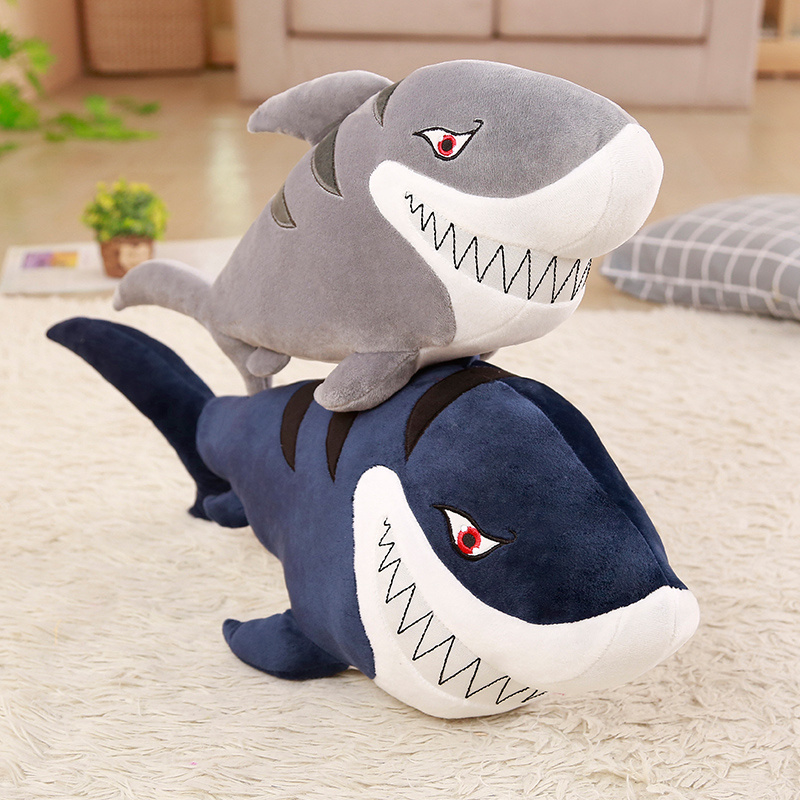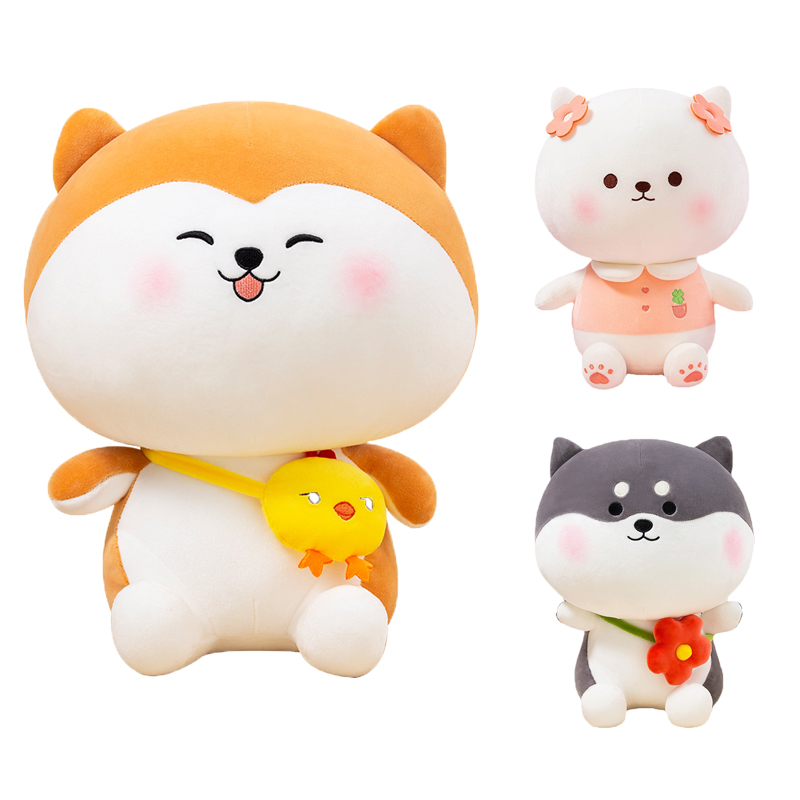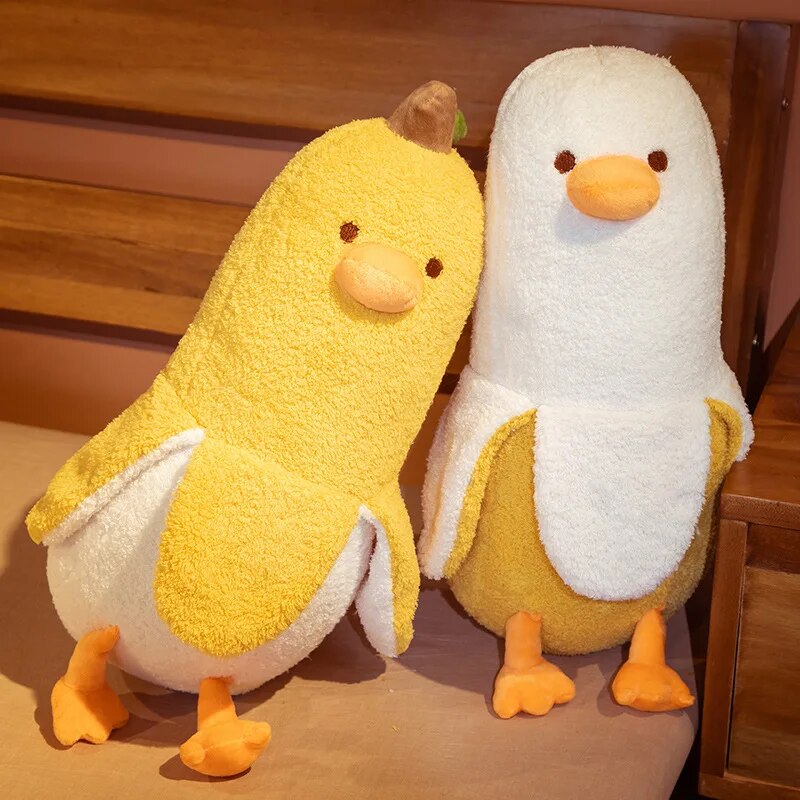

To look after a plush toy collection, keep it out of direct sunlight, store it somewhere cool and dry, dust it gently every week or two, spot-clean marks as soon as they happen, and protect special editions with breathable storage rather than sealed plastic. Sunlight fades colours, damp encourages mould and musty smells, and dust dulls fur over time, so a little regular care keeps every plushie soft, bright and display-ready for years. Here’s a complete care routine for collectors, with tips for displaying, cleaning, storing and protecting valuable pieces.
Key Takeaways
- Light, damp and dust are the three biggest enemies of a plush collection.
- Display away from windows and radiators, ideally in a closed cabinet.
- Dust gently every week or two with a soft brush or lint roller.
- Spot-clean instead of machine washing special or vintage pieces.
- Store in breathable cotton or acid-free tissue, never airtight plastic for long periods.
Why Plush Collections Need Regular Care
Plush is made of textile, just like clothing and soft furnishings, so it ages in similar ways. Ultraviolet light from the sun breaks down dyes and fibres, which is why plush by a window can fade within months. Humidity lets mould and mildew grow inside the filling, causing stains and musty odours. Dust settles into fur and makes it look flat and grey. If your collection includes limited editions or vintage pieces, condition also affects value, so protecting them pays off.
Where to Display a Plush Collection
- Away from direct sunlight. A shaded wall or a room with blinds is best.
- Away from heat and damp. Avoid radiators, kitchens, bathrooms and exterior walls that get cold and wet.
- In a closed cabinet if possible. Glass or acrylic doors keep most dust out; UV-filtering panels add extra protection.
- With space between pieces. Overcrowded shelves crush fur and trap moisture.
- Off the floor. Floor-level plush collects more dust and is at risk from spills and pets.
For layout ideas, see our plush room decor ideas and plush toy storage range.
A Simple Weekly or Fortnightly Cleaning Routine
- Dust the shelf first with a microfibre cloth so you don’t move dust back onto clean plush.
- Brush each plush in the direction of the fur with a soft clothes brush or a clean, soft toothbrush.
- Roll off lint and hair with a lint roller, especially on dark or short-pile plush.
- Vacuum gently for larger plush: use the upholstery tool on low suction, or stretch a piece of fine mesh over the nozzle so no fibres are pulled.
- Check for marks or damage and deal with them straight away.
- Air the room by opening a window on a dry day to keep humidity down.
How to Spot-Clean Plush Safely
Spot-cleaning is the safest option for most collectible plush:
- Mix a little mild, fragrance-free detergent with lukewarm water.
- Dip a clean white cloth in the suds, not the water, and wring it out well.
- Dab the mark gently; don’t rub, which can mat the fur.
- Rinse with a second cloth dampened with clean water.
- Blot dry with a towel, then air-dry completely, away from direct heat and sun.
- Brush the fur once dry to restore its texture.
Avoid harsh chemicals, bleach and strong disinfectant sprays, which can discolour fabric and leave residue. Always test on a hidden area first. For everyday toys that can go in the machine, see how often to wash stuffed animals, and for big pieces, how to clean giant stuffed animals.
Caring for Vintage and Special-Edition Plush
- Don’t machine wash. Older plush may contain wood wool, kapok or delicate mohair that can be damaged by water.
- Keep tags on. For collectibles, original tags and packaging often matter for value.
- Watch for moths. Wool and mohair attract clothes moths; check seams regularly for tiny holes or larvae.
- Handle with clean, dry hands to avoid transferring oils.
- Get expert help for valuable or fragile pieces; a textile conservator or specialist restorer can advise.
How to Store Plush You’re Not Displaying
| Do | Don’t |
|---|---|
| Clean and fully dry plush before storing | Store anything even slightly damp |
| Wrap in acid-free tissue or a cotton bag | Seal in airtight plastic for long periods |
| Use a sturdy box with a little airflow | Cram plush tightly together |
| Keep boxes in a cool, dry room | Use lofts, garages or damp basements |
| Label boxes and check them every few months | Forget about them for years |
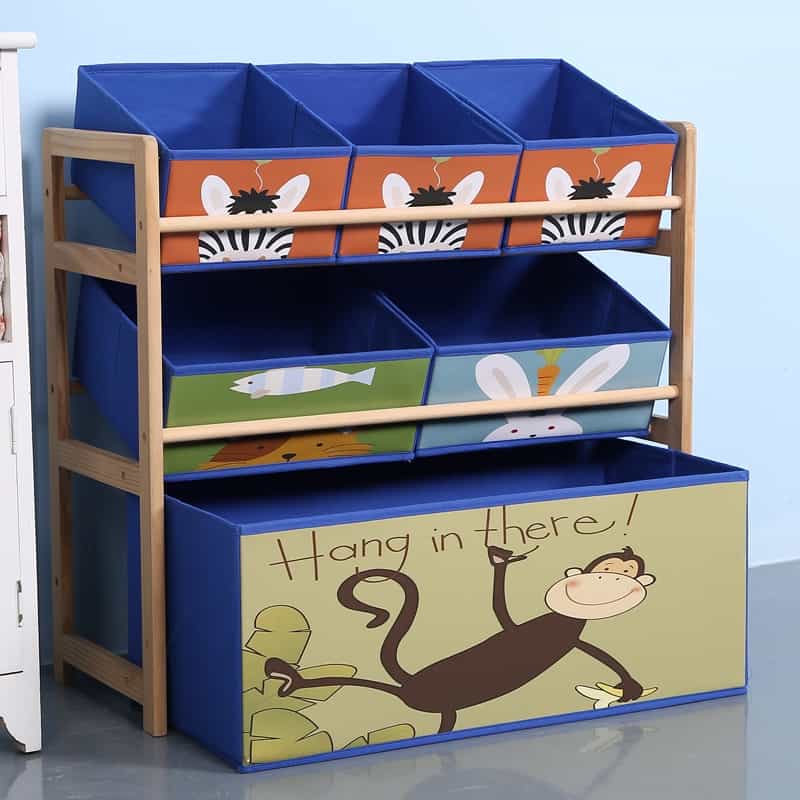
Fabric bins such as the Cotton Linen Kids Toy Storage Box (from $27.99) and drawstring bags like the Drawstring Cartoon Design Bag (from $16.99) are breathable options for everyday plush.

How to Deal with Dust Mites and Odours
Plush can collect dust mites, which can bother people with allergies. Allergy organisations often suggest placing a plush toy that can’t be washed in a sealed bag in the freezer for at least 24 hours, then brushing or vacuuming it to remove the dead mites. For musty smells, air plush outdoors in the shade on a dry day, or sprinkle a little baking soda on the surface, leave it for a few hours and vacuum it off gently. Read more in how to get rid of musty odours from toys.
Repairing Small Damage
Minor wear is easy to fix if you catch it early. Close a split seam with a ladder stitch in matching thread so the repair is almost invisible. Top up flat areas with a little polyester fibrefill pushed in through the seam before you close it. Trim stray fibres with small scissors rather than pulling them. For vintage or valuable plush, leave repairs to a professional so you don’t reduce its value.
Organising a Growing Collection
- Group by theme: characters, animals, colours or series.
- Rotate your display every few months so every piece gets time on show and time resting in the dark.
- Keep a list or photos of your collection, especially for valuable pieces and insurance.
- Leave room to grow: plan shelf space for new additions.
New to collecting? Start with how to start a plush animal toys collection and browse our collectible plushies.
Frequently Asked Questions
How do you keep stuffed animals from fading?
Keep them out of direct sunlight. Display them on a shaded wall, use blinds, or choose a cabinet with UV-filtering glass or acrylic.
How often should I clean my plush collection?
Dust it every week or two, spot-clean marks immediately, and give everything a more thorough check every few months.
Can I store stuffed animals in plastic bags?
Not for long periods. Plastic traps moisture, which can cause mould and smells. Use cotton bags, acid-free tissue or breathable boxes instead.
How do I clean a vintage teddy bear?
Brush it gently and spot-clean only. Don’t soak or machine-wash it, and ask a specialist restorer for valuable pieces.
Should I keep the tags on collectible plush?
Yes, if you care about value. Original tags and packaging are often important to collectors.
Keep Your Collection Looking Its Best
A few minutes of care each week keeps a plush collection bright, soft and fresh for years. Find display and storage ideas in our plush toy storage range, add new favourites from our kawaii stuffed animals, or explore everything at the My Heart Teddy homepage.