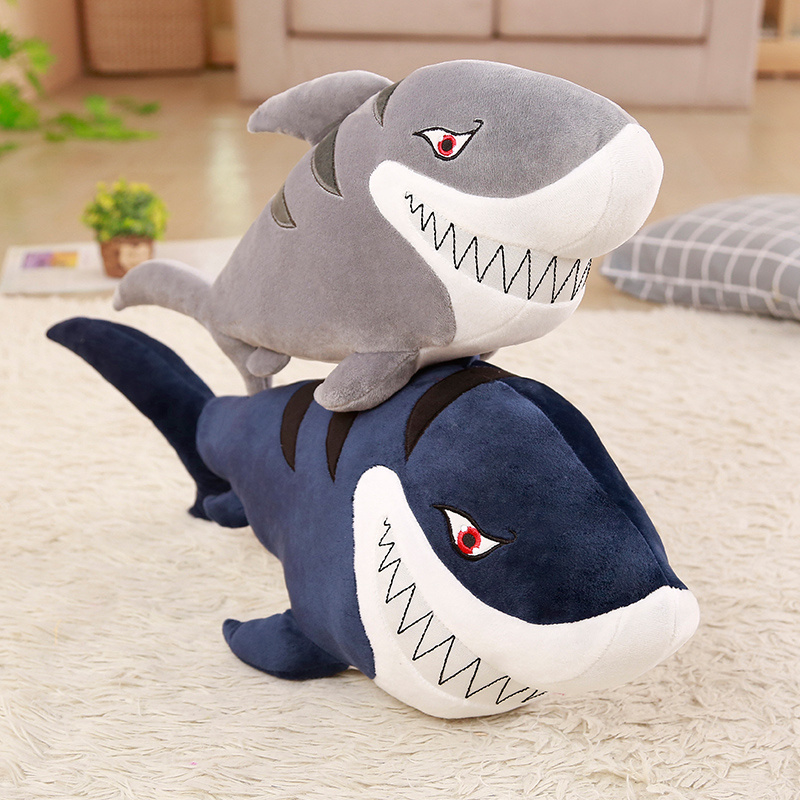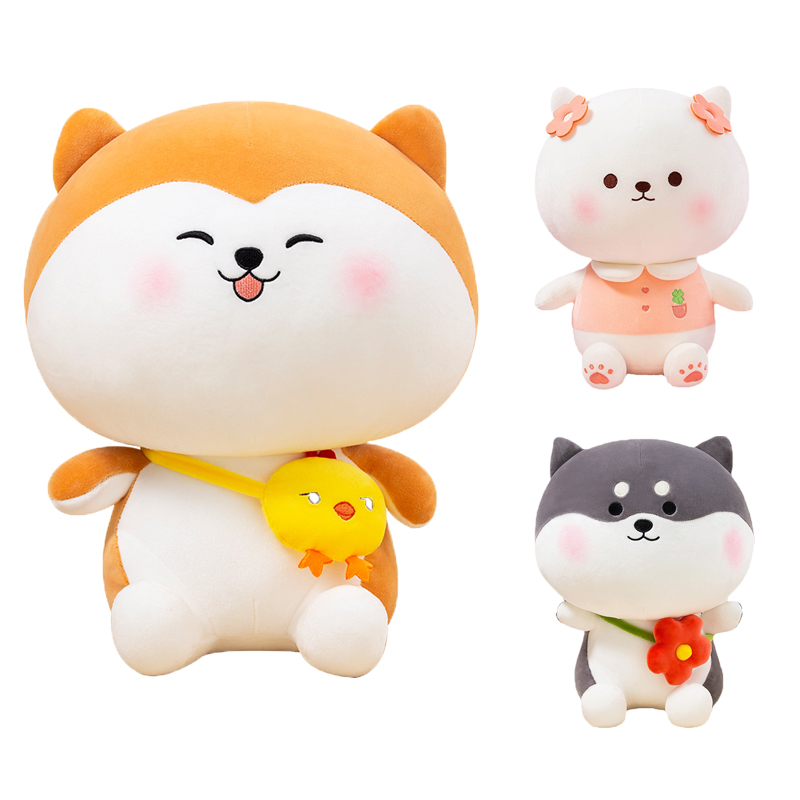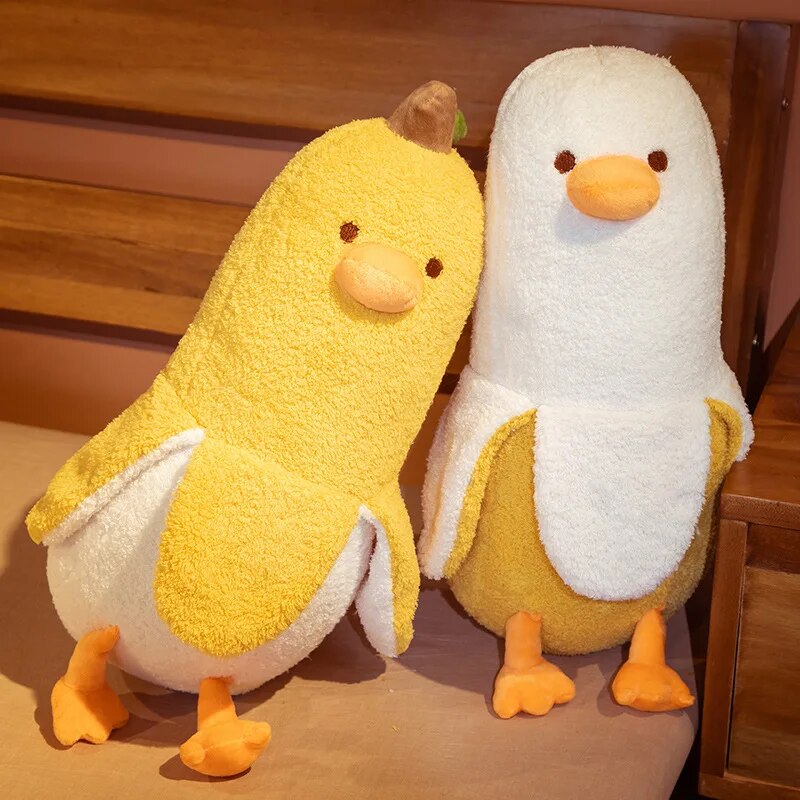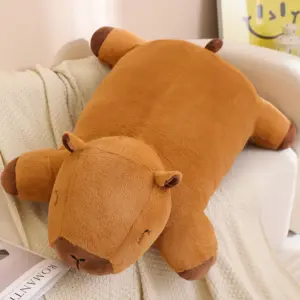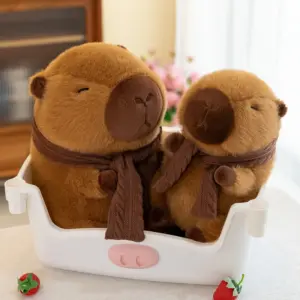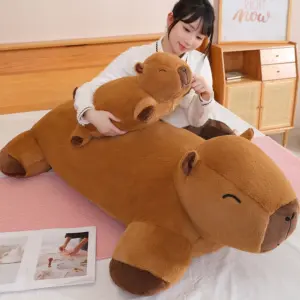
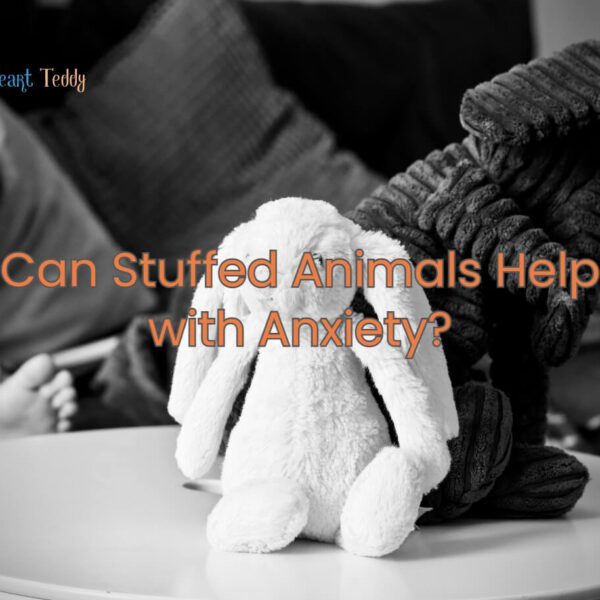
Can stuffed animals help with anxiety? For many children and adults, yes, as a source of comfort, though not as a treatment. Holding something soft and familiar can feel soothing, a favourite plush offers a sense of security in stressful moments, and it gives anxious hands and minds something calming to focus on. Psychologists describe a cherished soft toy as a “comfort” or “transitional” object, and some research has found that even briefly touching a teddy bear can ease certain kinds of anxiety. Here’s what we know, practical ways to use plush for comfort, and when to seek professional help.
Key Takeaways
- Plush can be a comforting tool, not a cure for anxiety.
- Comfort objects give a sense of security during stress and change.
- Research has found that touching a teddy bear eased existential anxiety in people with low self-esteem.
- Grounding and breathing exercises work well with a plush.
- Persistent anxiety needs professional support; talk to a doctor.
Why Do Stuffed Animals Feel So Comforting?
- Familiarity: a well-loved plush looks, feels and smells the same, which is reassuring when everything else feels uncertain.
- Touch: soft textures and squeezing something squishy can feel calming.
- Security: many children adopt a favourite toy as a “transitional object” that helps them feel safe, especially at bedtime and during separations.
- Distraction: focusing on stroking or hugging a plush gives the mind something gentle to concentrate on.
- Connection: a plush given by a loved one can feel like a reminder of them.
What Does Research Say?
Research on comfort objects is still developing, but some studies are interesting. In a 2014 study published in the journal Psychological Science, researchers found that briefly touching a teddy bear reduced existential anxiety, worries about mortality, among people with low self-esteem. Another study, published in 2011, found that touching a teddy bear helped reduce some negative effects of feeling socially excluded. These studies don’t show that plush treats anxiety disorders, but they suggest that soft, comforting touch can have real emotional effects.
How Stuffed Animals Can Help Children with Worries
- At bedtime: a familiar plush helps many children settle and fall asleep.
- During separations: bringing a plush to nursery, school or a sleepover can make goodbyes easier.
- At appointments: doctor’s and dentist’s visits can feel less scary with a toy to hold.
- To talk about feelings: children sometimes find it easier to say “Teddy is scared” than “I’m scared.”
- During big changes: moving house, a new sibling or starting school.
Read more in why children become so attached to stuffed animal toys.
Calming Exercises to Try with a Plush
Breathing buddy
Lie down with a small plush on your tummy. Breathe in slowly and watch it rise, then breathe out and watch it fall. Repeat a few times. This works for children and adults alike.
5-4-3-2-1 grounding
Hold your plush and name five things you can see, four you can touch (including its fur), three you can hear, two you can smell and one you can taste. It gently brings attention back to the present.
Squeeze and release
Squeeze the plush tightly for a few seconds, then let go and notice your hands relax. Repeat slowly.
Talk it out
Tell your plush what you’re worried about. Saying worries out loud, even to a toy, can make them feel more manageable.
For more ideas, see how to cultivate mindfulness in your child.
What About Weighted Stuffed Animals?
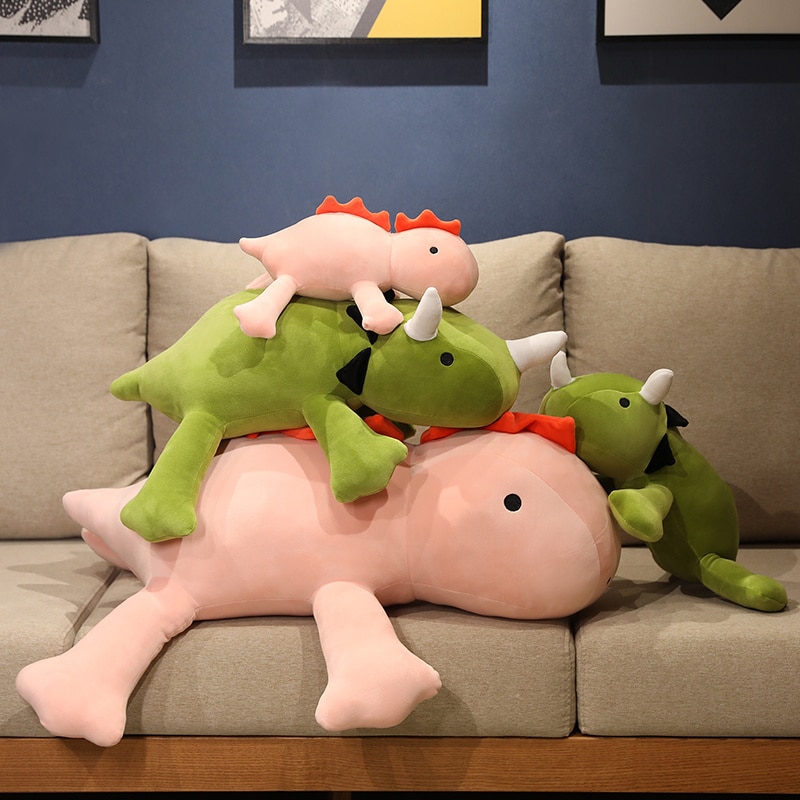
Weighted plush has extra weight sewn inside, giving a gentle, hug-like pressure. Many people find this calming, and weighted products are popular for relaxation. Research on weighted items is mixed, so think of them as a comfort tool rather than a treatment. Choose a weight that’s comfortable, and supervise young children. Learn more about weighted stuffed animals.
Adults and Comfort Plush
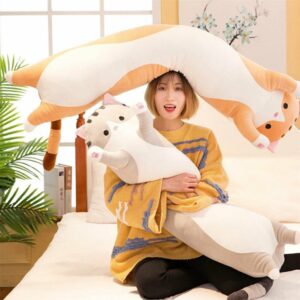
Comfort objects aren’t only for children. Many adults keep a plush for stressful days, travel or bedtime, and there’s nothing unusual about it. A long body-pillow plush, a weighted friend or a childhood teddy can all be soothing. See why it’s OK to have a stuffed animal as an adult.
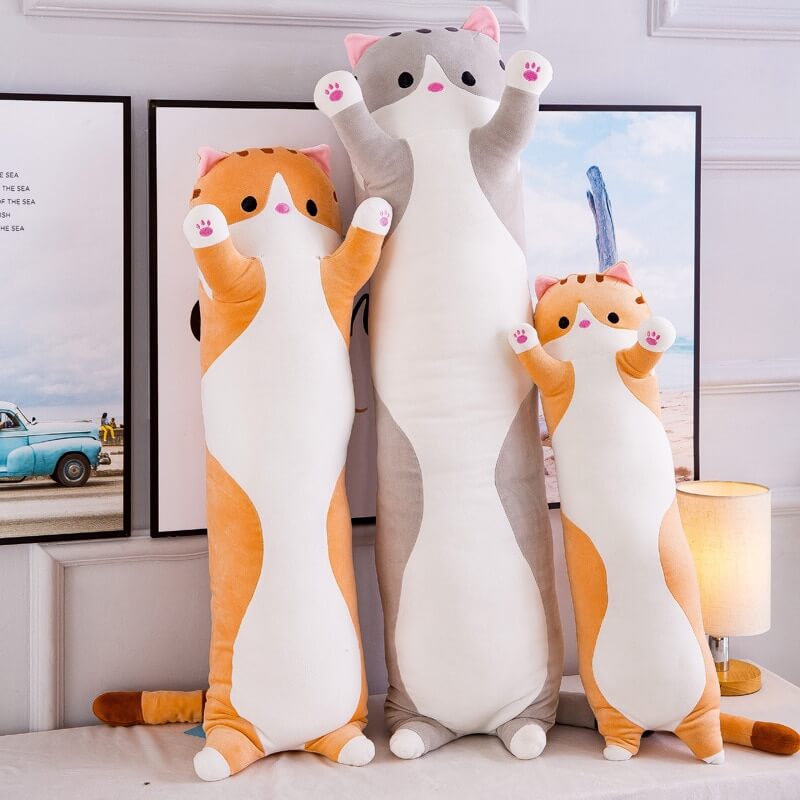
Choosing a Comfort Plush
| Need | Try |
|---|---|
| Gentle pressure | Weighted Dinosaur Plush |
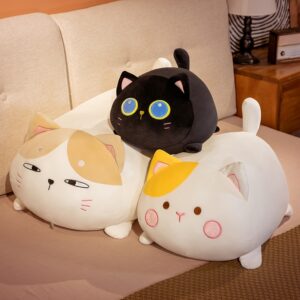
| Something to hug in bed | Kawaii Long Cat Plush |
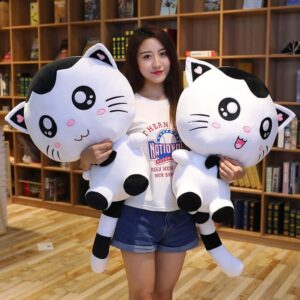
| A portable comfort friend | Cute Kawaii Teddy Bear |
| Sensory textures | Our sensory plushies |
| A classic companion | Classic Teddy Bear |
Building a Calm-Down Kit
A calm-down kit gathers comforting items in one place so they’re ready when worries strike. For children, it might include a favourite plush, a soft blanket, a sensory toy, a picture book and a card with simple breathing steps. For adults, a small plush, a playlist, a journal and a cosy throw can make up a soothing corner. Keep the kit somewhere easy to reach, and practise using it when calm, so it feels familiar when it’s needed most.
Helping a Child Who Relies on Their Plush
It’s normal for an anxious child to lean heavily on a favourite toy. Rather than taking it away, let the plush be a bridge while you build other coping skills together, such as naming feelings, breathing slowly and talking about worries. Over time, most children need their comfort toy less as their confidence grows. Keep a spare if possible, so a lost or freshly washed toy doesn’t add to the stress.
Plush for Travel and New Places
New environments can be unsettling for anyone. A small plush in a bag or pocket makes a handy comfort friend for flights, hospital visits, first days at school or work trips. Smaller plush, like the Cute Kawaii Teddy Bear, fits easily in a backpack, while a neck pillow can double as comfort on long journeys; see our neck pillows.
When to Seek Professional Help
A plush can be a lovely source of comfort, but it isn’t a substitute for professional care. If anxiety is frequent, intense, lasts a long time, or gets in the way of school, work, sleep or relationships, speak to a doctor or a qualified mental health professional. If you or someone you know is in crisis, contact local emergency services or a crisis helpline straight away.
Frequently Asked Questions
Do stuffed animals help with anxiety?
They can provide comfort and a sense of security for many people, but they aren’t a treatment for anxiety disorders.
Why do I feel calmer holding a stuffed animal?
Soft touch, familiarity and having something to focus on can all feel soothing.
Are weighted stuffed animals good for anxiety?
Many people find the gentle pressure relaxing, though research is mixed. Treat them as a comfort tool.
Is it normal for adults to use a stuffed animal for comfort?
Yes. Many adults keep a comfort plush, especially for bedtime and stressful times.
What kind of stuffed animal is best for anxiety?
One that feels good to you: very soft plush, a long body pillow to hug or a weighted plush for gentle pressure.
How can I help my anxious child with a stuffed animal?
Let them bring it to stressful situations, use it for breathing exercises, and invite them to tell the toy about their worries. Talk to a professional if worries persist.
Find a Comforting Companion
A soft friend can make hard moments a little easier. Explore our sensory plushies, cuddle buddies and kawaii stuffed animals, or start at the My Heart Teddy homepage.