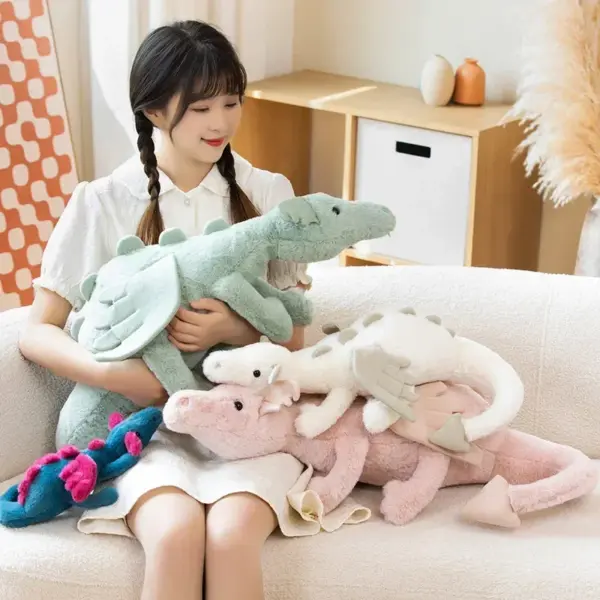
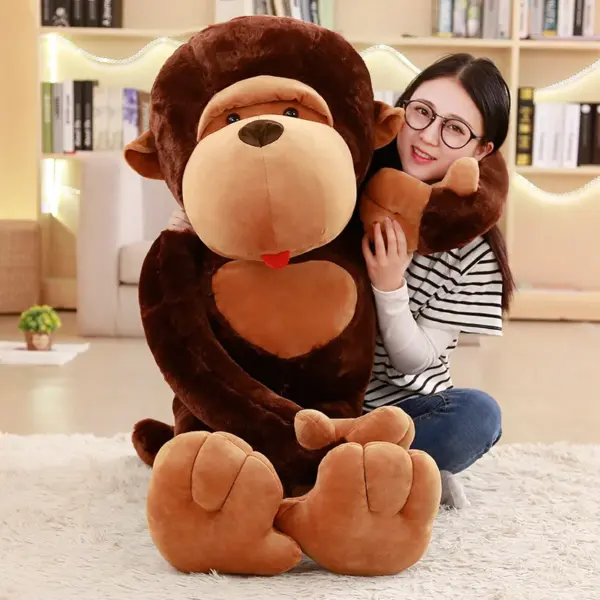
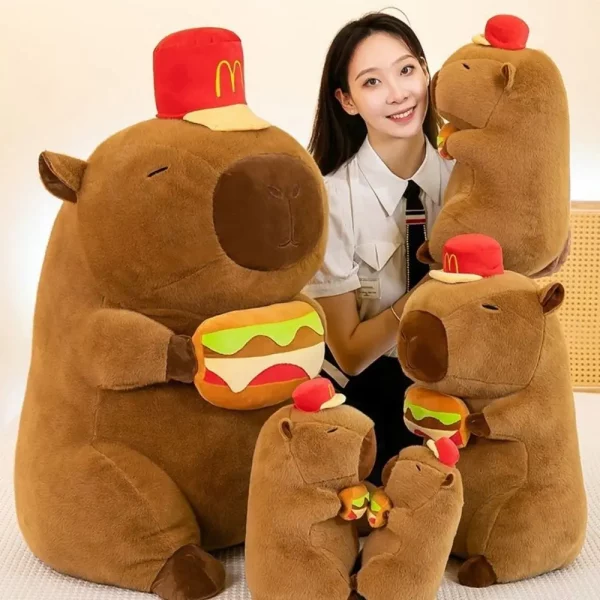
What Are Kawaii Stuffed Animals?
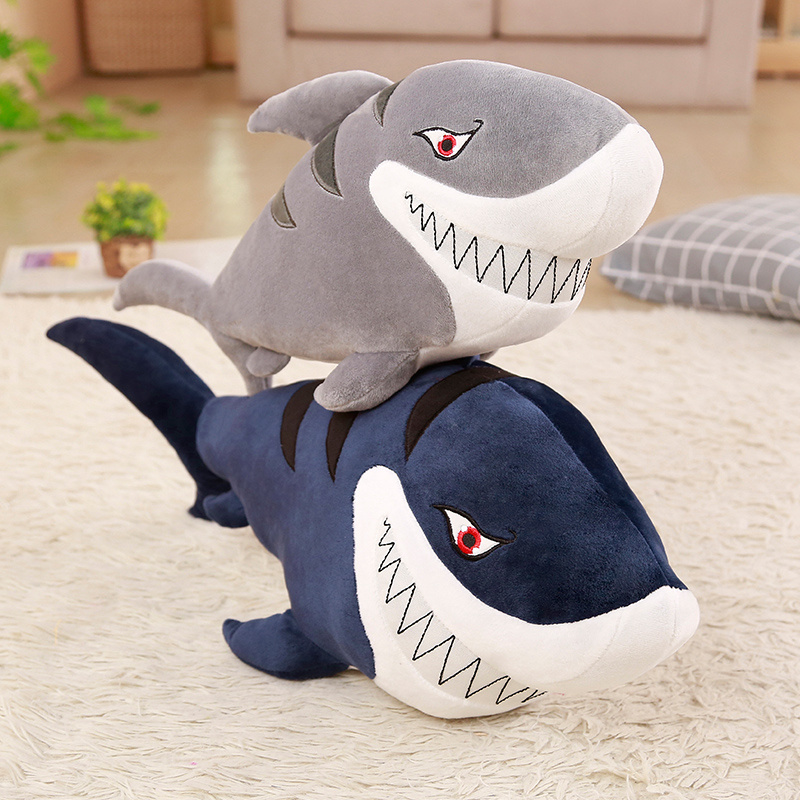
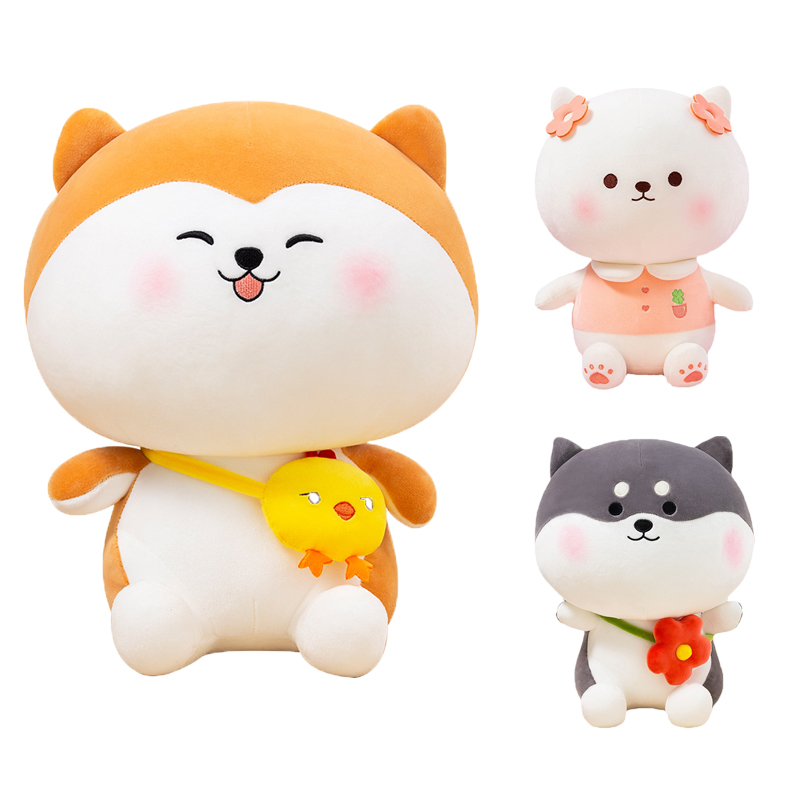
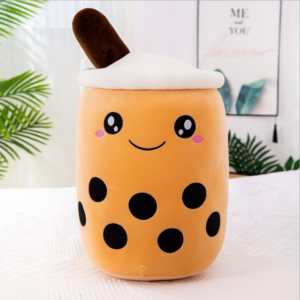
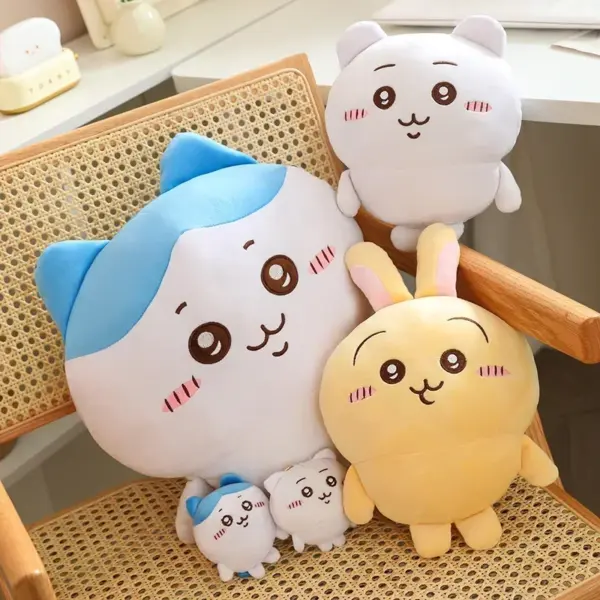
Kawaii (可愛い) is a Japanese word meaning "cute" or "adorable," and kawaii stuffed animals are the embodiment of that philosophy in plush form. Unlike traditional stuffed animals, kawaii designs follow a precise aesthetic language: oversized round eyes, chubby proportions, rosy blush cheeks, and soft pastel colour palettes that evoke pure, unbridled happiness.
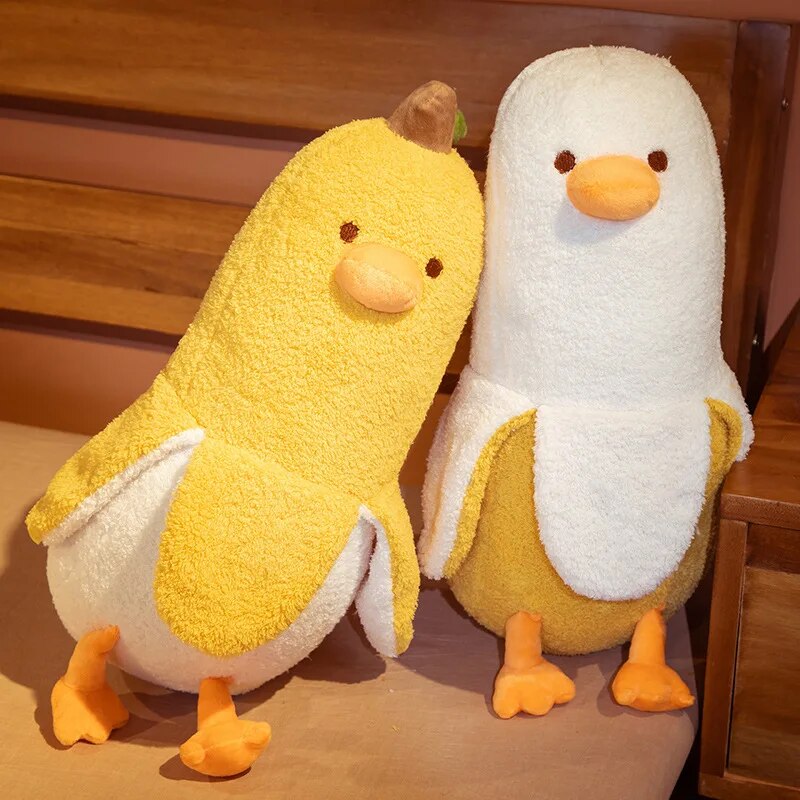
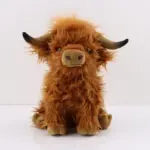
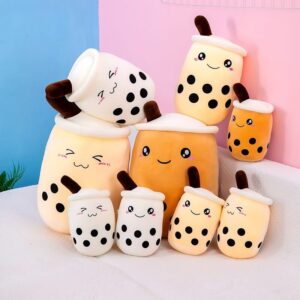
These plush companions come in a dazzling variety — from classic teddy bears reimagined with a kawaii twist, to fantastical creatures like bunnies, pandas, sloths, cats, and even food-inspired characters such as smiling strawberries and sleepy avocados. The defining characteristic is that they trigger an immediate emotional response: you simply must hug them.
The word "kawaii" first appeared in Japanese literature in the 11th century, originally meaning something close to "pathetic" or "pitiable." Over centuries its meaning evolved entirely — today it is one of Japan's most powerful cultural exports, recognised and beloved across the globe.
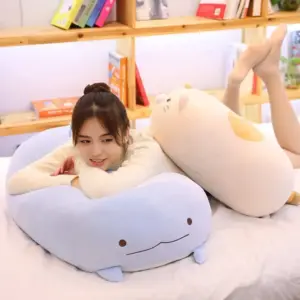
Kawaii stuffed animals typically range from small palm-sized collectables to large body-pillow companions, making them versatile for display, cuddling, gifting, or bedroom décor. Their appeal transcends age groups — children adore them as playmates, teenagers collect limited editions, and adults keep them as mood-boosting companions on desks and bookshelves.
Classic Bears
Reimagined with kawaii proportions — rounder, fluffier, and twice as huggable as the originals.
Animal Friends
Bunnies, cats, pandas and more — each with their own distinct kawaii personality and charm.
Fantasy Characters
Mythical creatures and original characters born entirely from the kawaii imagination.
The Origins of Kawaii Culture
From Japan With Love
The kawaii aesthetic emerged in Japan during the 1970s as a youth subculture movement. Young Japanese women began writing in a deliberately childlike, rounded script adorned with hearts and stars — a form of visual expression that prioritised cuteness over conventional beauty standards. By the 1980s, this aesthetic had been fully embraced by Japanese popular culture, fashion brands, and the toy industry.
Iconic characters like Hello Kitty (1974) and My Melody paved the way for an entire industry built around kawaii design. Japanese companies discovered that applying kawaii principles to toys — round shapes, soft features, innocent expressions — created products with extraordinary emotional appeal. The humble stuffed animal became a canvas for kawaii expression, and the world would never look at plush toys the same way again.
Kawaii culture emerges in Japan as a youth movement embracing childlike, rounded aesthetics in fashion and writing.
Major brands adopt kawaii principles; plush toy manufacturers embrace round forms, pastel palettes, and expressive faces.
Anime and manga carry kawaii culture internationally; the global plush toy market expands dramatically.
Social media fuels a kawaii renaissance; premium plush toys become mainstream lifestyle and wellness products worldwide.
The Global Plush Revolution
Through the 1990s and 2000s, kawaii culture spread internationally via manga, anime, J-pop music, and later, the internet. Social media amplified the trend exponentially — images of kawaii plush collections went viral, Harajuku fashion reached Western shores, and unboxing videos of kawaii merchandise became a genre unto themselves.
Today, kawaii stuffed animals are a global phenomenon. From Tokyo's Harajuku district to boutiques in London, Sydney, and Los Angeles, the demand for high-quality kawaii plush has never been stronger. The market now includes artisan creators, collectable limited editions, and premium brands committed to authentic kawaii craftsmanship and superior materials.
The Kawaii Aesthetic Explained
The kawaii aesthetic is not simply "cute" in a general sense — it is a precisely defined visual language with specific principles that create its unmistakable emotional effect. Understanding these principles helps explain why a kawaii stuffed animal can make you smile from across the room.
Oversized Eyes & Round Features
Large, gleaming eyes and round simplified facial features trigger an evolutionary nurturing instinct in humans — the same response activated by a baby's face. Kawaii designers deliberately amplify these traits to make their plush companions feel instantly loveable and safe.
The chubby, pillowy body proportions follow the same principle. Every curve is intentional, designed to communicate softness, safety, and approachability. Nothing about a kawaii stuffed animal is accidental.
Soft Pastel Colour Palette
The kawaii palette favours soft pastels — blush pinks, powder blues, mint greens, lavender purples, and warm creams. These colours are psychologically associated with calm, safety, and happiness, creating a visual environment that feels inherently gentle and welcoming.
This palette also explains why kawaii stuffed animals complement almost any bedroom, nursery, or desk setup beautifully. They enhance their environment rather than dominating it.
Emotional Resonance & Therapeutic Value
Studies in positive psychology have found that interacting with cute, soft objects can lower cortisol (the stress hormone), improve mood, and support mindfulness practices. Many people keep kawaii plush companions as gentle, non-judgmental presences during long work or study sessions.
For children, they provide comfort and imaginative play. For adults, they serve as a joyful reminder not to take the world too seriously — permission to keep a little softness in every day.
How Kawaii Stuffed Animals Are Made
The creation of a truly exceptional kawaii stuffed animal is a craft that blends artistic vision, technical precision, and meticulous quality control. Understanding the process helps explain why premium kawaii plush toys feel distinctly different — and more deeply satisfying — than generic alternatives.
The magic of a truly high-quality kawaii stuffed animal begins with material selection. Premium kawaii plush toys use ultra-soft minky fabric and hypoallergenic PP cotton filling — chosen for their extraordinary texture, durability, and safety. The outer fabric should feel like a cloud: impossibly soft while maintaining its structure after hundreds of hugs and washes.
Our stuffed animals use carefully sourced premium plush fabrics. Each material is independently tested for softness, colour-fastness, and safety, meeting international toy safety standards including EN71 (European) and ASTM F963 (American) certifications.
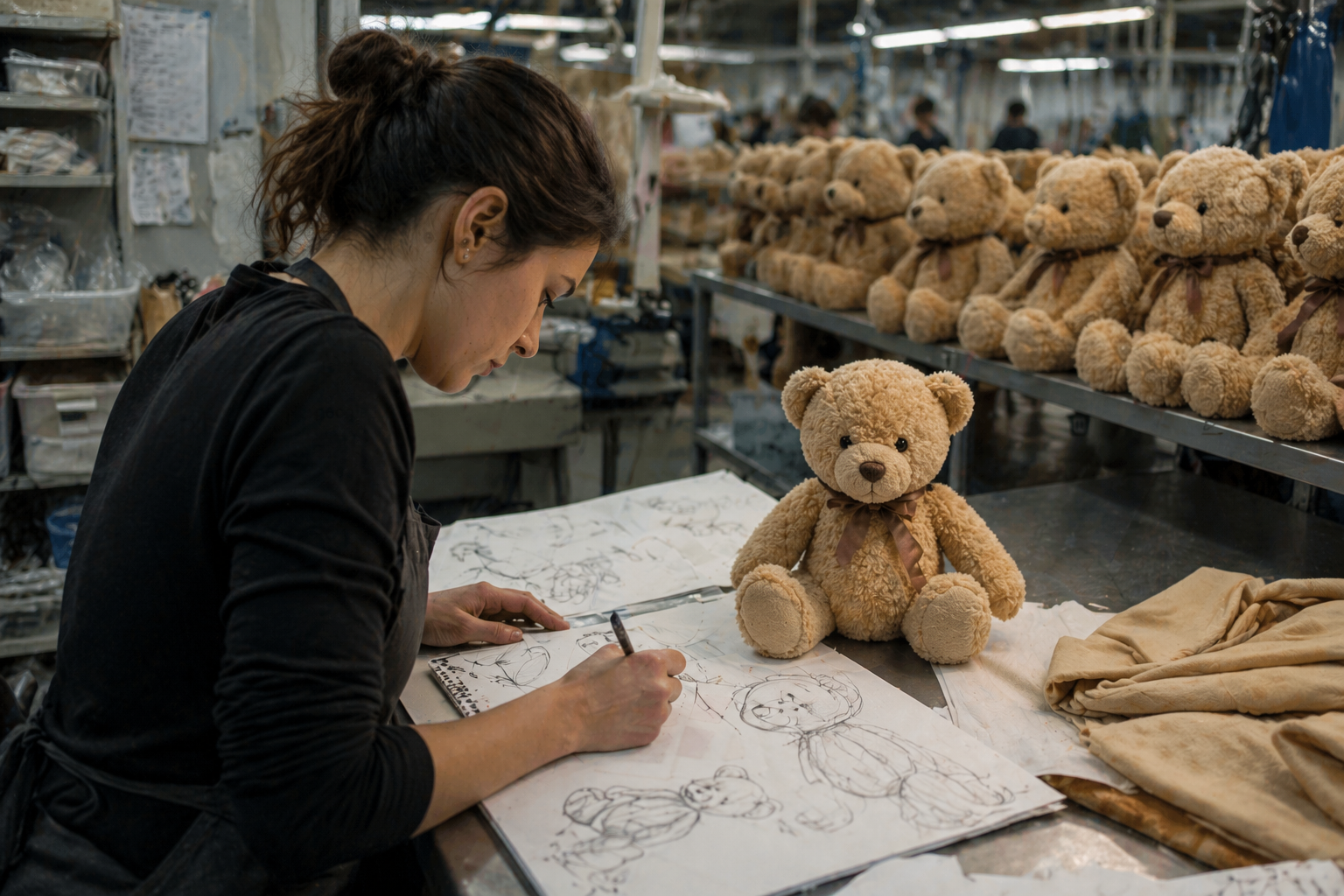
Creating a kawaii stuffed animal begins as a flat pattern — a technical art form in itself. Skilled designers must calculate exactly how a 2D pattern will translate into the correct 3D proportions, curves, and personality. Getting the eye placement wrong by a single centimetre can transform a charming expression into a blank stare; every detail is deliberate.
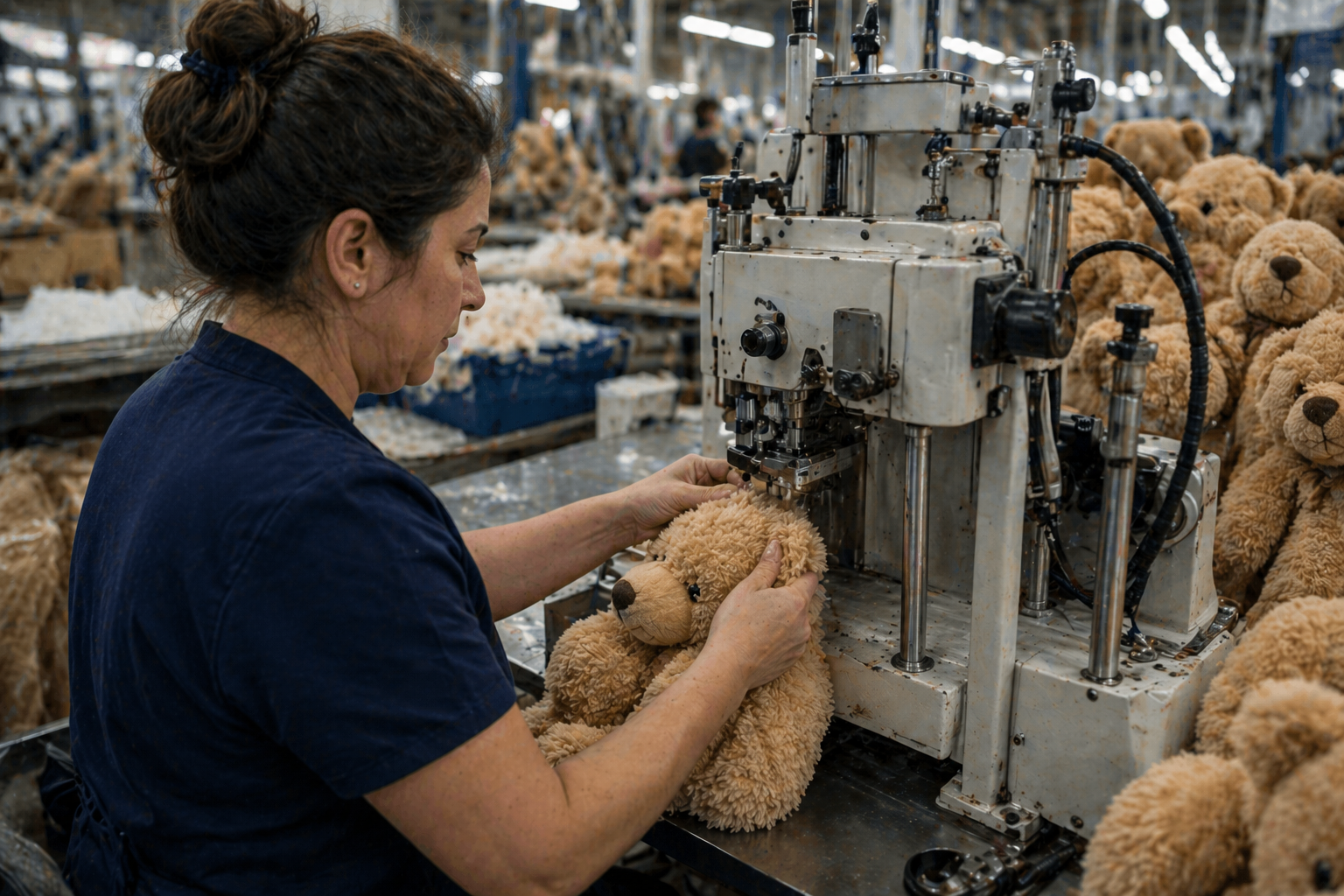
Once patterns are finalised, skilled craftspeople cut, pin, and sew each piece with precision. Premium kawaii plush production uses reinforced seams and double-stitching on all stress points to ensure longevity — these companions are built to be loved for years, not weeks.
Facial features on quality kawaii plush toys are embroidered rather than printed, giving them a textured, dimensional finish that photographs beautifully and withstands years of use. The blush marks, nose tip, and eye details are each stitched with care — this is what gives a kawaii stuffed animal its unique expression and personality.
Safety eyes on designs for older children and adults are securely anchored with locking washers. Designs for very young children use only embroidered features throughout, with no removable parts, meeting the strictest international safety standards.
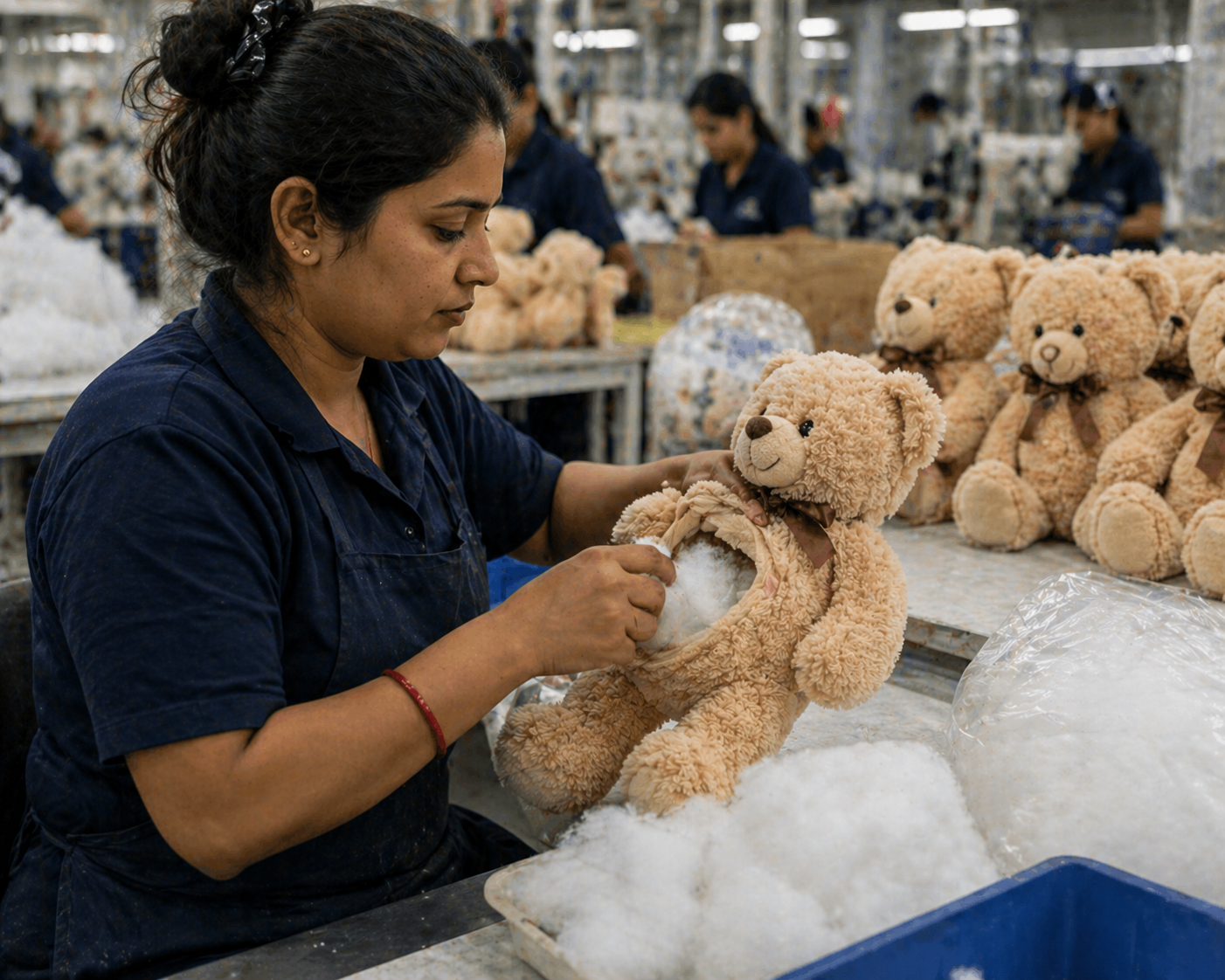
The filling stage determines the final feel and silhouette of the plush. Premium PP cotton filling provides a cloud-like softness while holding its shape — it resists clumping and maintains its volume even after repeated compression. The density of the fill is carefully calibrated to achieve the perfect balance of squishiness and structure.
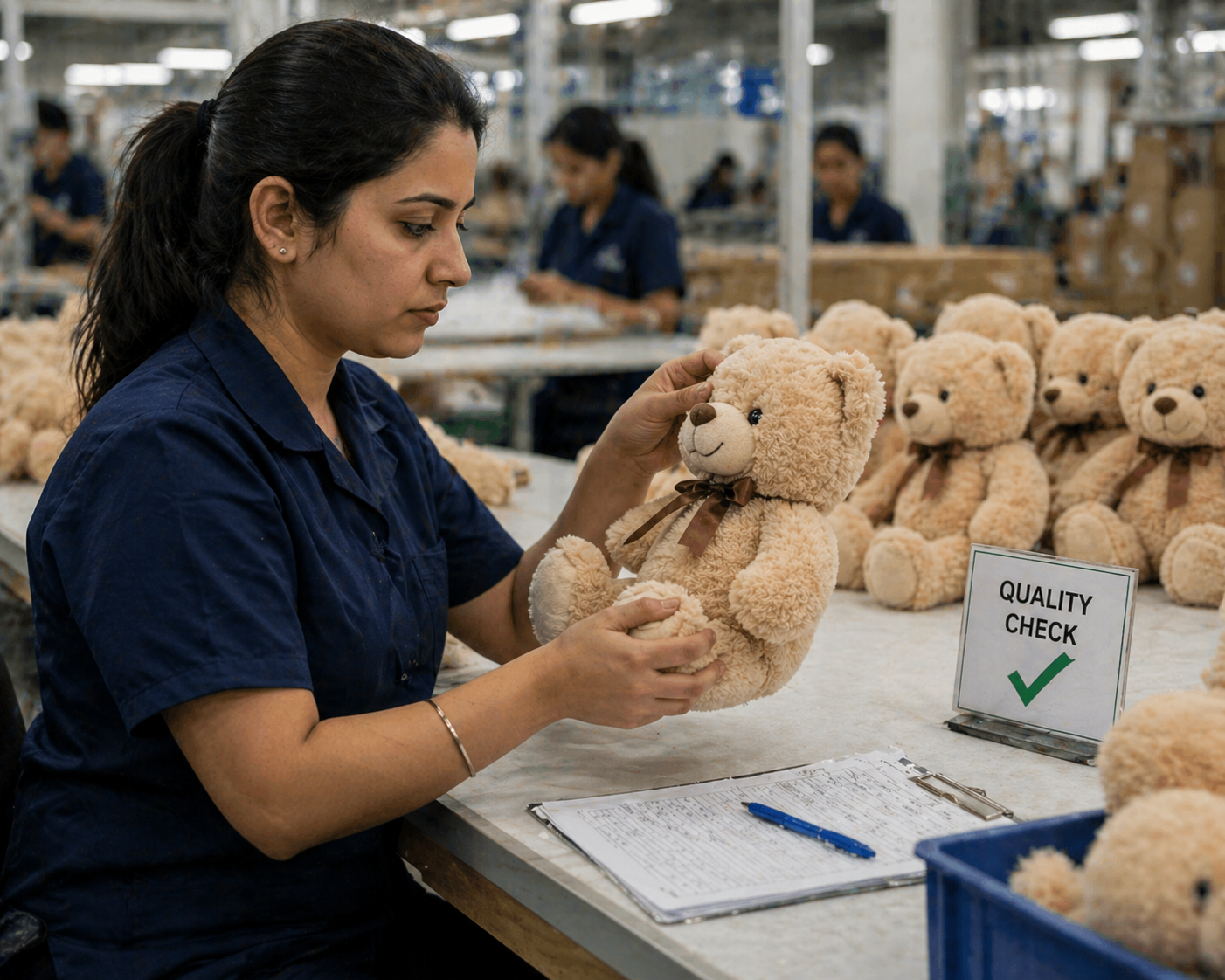
Every finished piece undergoes quality inspection before packaging — checking seam integrity, stuffing distribution, embroidery quality, and overall aesthetic. Only pieces that pass every checkpoint make their way to our customers.
Why Kawaii Stuffed Animals Make the Perfect Gift
For Every Occasion and Every Age
Few gifts are as universally beloved as a beautifully crafted kawaii stuffed animal. Unlike electronics that become obsolete or clothing that may not fit, a kawaii plush companion is timeless. It requires no batteries, no software updates, no assembly instructions. It simply exists to bring joy — and does so immediately, reliably, and for years to come.
The gift everyone genuinely wants to unwrap.
A soft kawaii bunny becomes their first best friend.
Express affection in the most adorable way possible.
The toy that stays loved long after the holiday.
A companion for their next great adventure.
Sometimes the best gifts need no reason at all.
A Gift That Keeps Giving
Unlike consumables or temporary experiences, a kawaii stuffed animal stays. It becomes part of someone's space, their routine, their comfort system. Whether displayed on a shelf, propped on a bed, tucked into a travel bag, or used as a photography prop — a kawaii stuffed animal integrates beautifully into the recipient's world in a way few gifts can.
Gifts that occupy physical and emotional space in someone's life are the ones remembered long after the occasion that prompted them. A kawaii stuffed animal is a daily reminder of the person who gave it — a hug that lasts every single day.
The versatility of kawaii stuffed animals as gifts also extends to the ease of choosing one. The wide range of styles, characters, and sizes means there is always a perfect match for the recipient — whether they love classic bears, exotic animals, or fantastical characters. And with soft pastel colour palettes that complement almost any aesthetic, a kawaii stuffed animal is one of the few gifts that genuinely always lands well.