
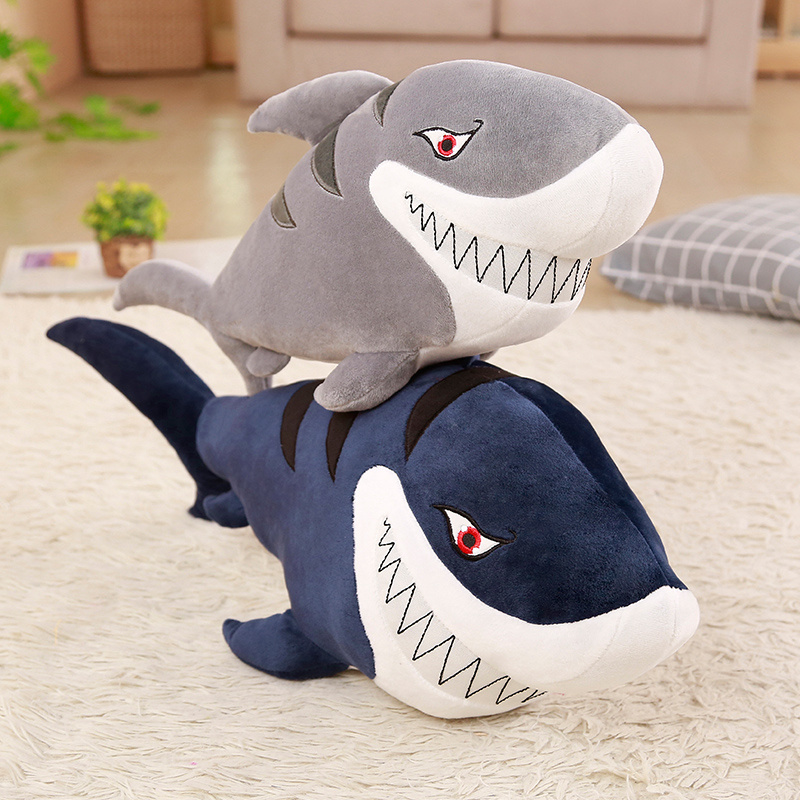


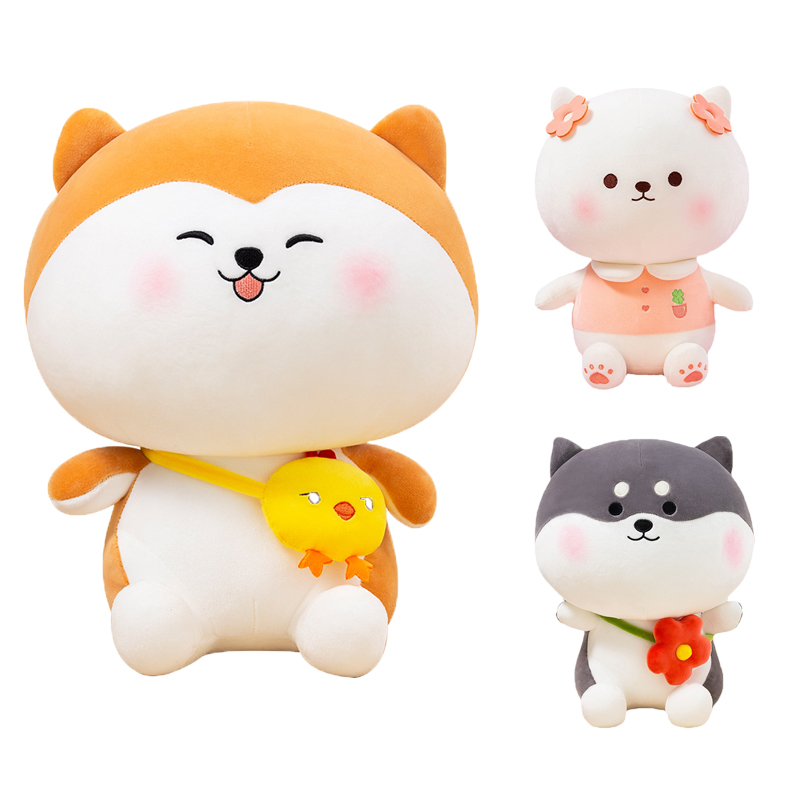
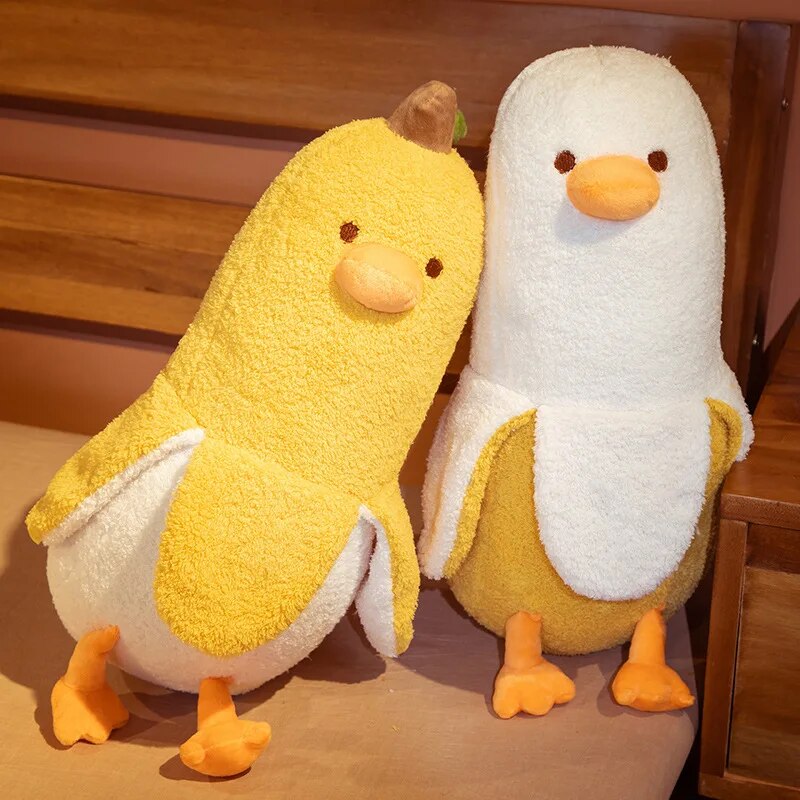
Fast shipping! Arrived in 7 days in the US. 80cm was soooooo worth it! Great quality.
lee.adnil65
Verified Purchase
Reviewed product
Secretary Kim Cow Plush
Your complete reference guide to kawaii culture — from the history of how kawaii was born in 1970s Tokyo to every Japanese term, Harajuku fashion style, aesthetic movement, and kawaii product category you need to know.
Kawaii did not arrive with a single inventor, a founding manifesto, or a launch date. It emerged — organically, quietly, and with enormous cultural staying power — from a specific confluence of post-war Japanese social dynamics, teenage counter-culture, and commercial genius that aligned in Tokyo in the early 1970s. Understanding when kawaii was invented requires understanding not just a date, but the conditions that made its invention inevitable.
The word kawaii (かわいい) has a surprisingly complex etymology. Its earliest traceable origin is the classical Japanese phrase kao hayui (顔映ゆい), which meant "a face that glows red" — specifically the blush of someone overwhelmed by embarrassment or shyness. Over several centuries, kao hayui contracted to kawayui, and eventually softened further to the modern kawaii. The emotional core persisted across every transformation: kawaii has always been about a face — soft, vulnerable, emotionally exposed, impossible not to feel tenderness for.
The kanji most commonly used to write kawaii today is 可愛い — where 可 means "possible" or "able to" and 愛 means "love." Together: able to be loved. This etymology is not accidental. Kawaii describes not just how something looks but what it invites in the observer — an instinct to protect, to care for, to love unconditionally. The word is an invitation as much as it is a description.
In everyday English translation, kawaii is rendered as "cute." This translation is correct but incomplete in a way that causes significant misunderstanding. Cute in English is a descriptive adjective — it refers to an aesthetic quality, roughly synonymous with attractive in a small or endearing way. Kawaii is all of that, but it is also a cultural philosophy, a design language, a fashion system, a set of emotional experiences (moe, kyun, doki doki), and an active stance towards life. When someone in Japan commits to kawaii, they are not simply saying "I like cute things." They are choosing softness as a value, warmth as an aesthetic, and gentleness as a way of being in the world. Cute has no equivalent depth.
Japanese teenage girls begin writing in a deliberately round, childlike handwriting style called kawaii-ji (cute writing) or marui ji (round writing). Written with mechanical pencils in soft, looping, childlike letterforms, this style spread rapidly through school notebooks. Japanese educators and psychologists sounded alarms — they viewed it as a degradation of literacy. But the girls writing in kawaii-ji were doing something subversive and deliberate: in a culture of intense academic pressure and rigid social expectation, they were claiming the right to be soft.
Sanrio launches Hello Kitty, designed by Yuko Shimizu. The character — a white cat with no mouth, oversized head, and a bow — becomes the commercial crystallisation of the kawaii aesthetic. Sanrio's genius is the blank canvas of Hello Kitty's face: no mouth means no fixed emotional expression, allowing the viewer to project whatever feeling they bring to the character. By the 1980s, Hello Kitty is one of the highest-grossing character brands in history, and kawaii has its first global ambassador.
The kawaii aesthetic moves from teenage counter-culture into mainstream Japanese commercial culture with extraordinary speed. Character merchandise (キャラクター商品), kawaii stationery, and cute packaging become defining features of Japanese retail. Companies discover that kawaii design increases sales across almost every product category — from food packaging to public transport safety campaigns. Japan's kawaii economy, already significant, begins its trajectory towards its current ¥2 trillion annual valuation.
Takeshita Street in Tokyo's Harajuku district becomes the global epicentre of kawaii fashion subcultures. Lolita fashion, Decora Kei, Fairy Kei, and Gyaru all emerge as fully-formed aesthetic systems in this decade. Harajuku fashion is photographed, documented, and distributed through fashion magazines like Fruits (founded 1997 by Shoichi Aoki), bringing these styles to international audiences for the first time. Meanwhile, anime series like Sailor Moon (1992) and Cardcaptor Sakura (1998) carry kawaii visual language into living rooms worldwide.
Kawaii reaches mainstream Western consciousness through multiple channels simultaneously: Gwen Stefani's Harajuku Girls aesthetic (2004) brings Japanese street fashion to pop music audiences; Pikachu and Pokémon (launched globally 1998–2000) introduce kawaii character design to an entire generation of Western children; and early internet communities (LiveJournal, DeviantArt, early Tumblr) create spaces for kawaii fandom to grow outside Japan. The global kawaii diaspora begins.
Tumblr's pastel aesthetic communities — "soft grunge," "fairy kei," and "kawaii goth" blogs — introduce kawaii to millions of young people who have never been to Japan. Instagram's visual-first format is perfectly suited to kawaii's highly photographable aesthetic. The global squishmallow boom begins (Squishmallows launch 2017), materialising the kawaii plushie philosophy for a mainstream Western market. Studio Ghibli merchandise goes global, capybaras go viral, and kawaii becomes the dominant visual language of comfort culture.
Kawaii is no longer a subculture — it is mainstream global aesthetics. TikTok's soft girl, coquette, and angelcore aesthetics are all direct descendants of kawaii philosophy. Major fashion houses put bows on everything (Simone Rocha, Molly Goddard, Valentino's pink season). Animal Crossing: New Horizons (2020) becomes the best-selling game in Japan and a global phenomenon, introducing kawaii interior design principles to an entirely new generation. The word kawaii itself has entered everyday English usage.
The most comprehensive English-language kawaii dictionary available — covering core vocabulary, fashion terms, emotional expressions, character design language, kawaii colours, animals, and the Japanese sounds that define the aesthetic. Each entry includes Japanese script, romaji pronunciation, and its place in kawaii culture.
The foundational word — "cute," "adorable," or "loveable," but also a complete cultural philosophy. Derived from kao hayui (a glowing, blushing face), its kanji 可愛い literally means "able to be loved." Kawaii is not just a description of appearance — it is an invitation to feel warmth, protectiveness, and unconditional tenderness. In this sense, every kawaii design is a request as much as it is a statement.
Meaning "small" or "short" — in kawaii art, a super-deformed style where characters have enormous heads, tiny bodies, and simplified features to maximise cuteness. Chibi characters appear on merchandise, plushies, sticker packs, and emoji throughout kawaii culture. When a character is rendered in chibi form, the exaggerated infant proportions map directly to the same neurological triggers that make us feel protective of babies and small animals.
An intense feeling of affection, warmth, and protectiveness towards fictional characters. The kanji 萌 means "to sprout" — feelings that bloom unexpectedly. Moe is the emotional engine behind kawaii character merchandise, plushie collecting, and the entire kawaii goods economy. When you feel compelled to buy a stuffed animal because its expression aches with tenderness, that involuntary response is moe working exactly as intended.
From kimo (unsettling) + kawaii. The "ugly-cute" category — things that are simultaneously disturbing and adorable. Wide-eyed alien plushies, big-mouthed frog characters, strangely proportioned creatures all operate here. Kimo-kawaii is a genuine kawaii subgenre with a devoted community that argues — convincingly — that the discomfort and the cuteness amplify each other into something more powerful than either alone.
Regional or corporate mascot characters — from yuru (loose, relaxed) and kyara (character). Deliberately simple, slightly wobbly in design, endearingly amateurish. Famous examples include Kumamon (Kumamoto Prefecture's bear) and Funassyi (a pear fairy from Funabashi). Japan holds an annual Grand Prix to crown the most popular yuru-kyara. Their design philosophy is maximum kawaii with minimum sophistication — proof that restraint and imperfection can be more charming than polish.
A bag decorated entirely with character merchandise — pins, keyrings, charms, and badges dedicated to a specific oshi. "Ita" (痛) means "painful" — the financial and visual impact of the finished object. Building an ita-bag is a respected kawaii craft discipline. A well-curated ita-bag is the wearable autobiography of a kawaii fan's relationship with their favourite character: the arrangement, the density, and the choices made are entirely personal and deeply meaningful.
Light, airy, and fluffy — the texture of a cloud or an ideally-stuffed kawaii plushie. Fuwafuwa is a core aesthetic quality in kawaii culture: the visual and tactile impression of softness and weightlessness. Used metaphorically it can describe a dreamy, floaty personality — mapping directly to Fairy Kei and Yume Kawaii aesthetics. A fuwafuwa stuffed animal is the defining sensory experience of kawaii culture made physical.
Extreme, enveloping fluffiness — the kind that makes you want to bury your face in something completely. A long-haired cat at maximum fluff, a deep-pile sherpa blanket, or an oversized plush with particularly thick fabric. English has no precise equivalent, which partly explains why translating kawaii culture is so difficult. The global squishmallow phenomenon is a Western approximation of the mofumofu ideal: large, soft, and aggressively huggable.
The sensation of squeezing something soft and yielding — fresh mochi, a stress ball, or a perfectly-stuffed kawaii plush. Puni puni describes both the tactile experience and the visual aesthetic of something that looks squeezable before you've touched it. The round, pillowy design of kawaii stuffed animals exists specifically to create this visual puni puni effect — to make your hands want to reach out involuntarily.
Onomatopoeia for a racing, pounding heartbeat — excitement, nervous anticipation, or sudden emotional overwhelm. In kawaii culture, doki doki is the feeling of opening a kawaii package, encountering something unexpectedly adorable, or receiving a kawaii gift. The visual novel "Doki Doki Literature Club" (2017) brought this term into mainstream Western gaming awareness, while subverting every kawaii convention it initially appeared to celebrate.
A brief, sharp emotional flutter — the pang when a baby animal yawns, or when a kawaii character does something quietly sweet that you weren't expecting. "Moe kyun" intensifies this into total irresistible cuteness overwhelm. Kyun is closely associated with the tsundere archetype: a character's rare unguarded moment of genuine warmth triggers the most intense kyun responses precisely because of the contrast with their usual exterior.
Excited, buzzing with happy anticipation. The kawaii equivalent of Christmas morning — glittering positive excitement just before something delightful arrives. Browsing a new kawaii collection, waiting for a plushie delivery, opening a gacha capsule, or walking into a Sanrio store for the first time are all waku waku experiences. Unlike doki doki, waku waku is entirely positive — pure joy with no anxiety.
"Style," "system," or "lineage" — the suffix on virtually all Japanese fashion subculture labels. Mori kei, fairy kei, jirai kei, gyaru kei: -kei signals a complete, internally coherent aesthetic system with its own rules, community, and philosophy. Understanding -kei is fundamental to kawaii fashion: it tells you each style is not a clothing choice but an entire way of presenting oneself and moving through the world.
A Harajuku fashion style inspired by Victorian and Rococo-era clothing — petticoats, lace, corsets, puffed sleeves, and elaborate head accessories. Contrary to widespread Western misunderstanding, Lolita fashion is emphatically not sexualised: it presents an idealised image of Victorian childhood innocence. The community has strict written rules, a culture of respectful critique, and significant pride in craftsmanship. Substyles include Sweet, Gothic, Classic, and Hime Lolita. See our kawaii fashion guide.
From English "gal" — a broad Japanese fashion subculture of the 1990s characterised by tanned skin, bleached hair, heavy makeup, and deliberate rebellion against conventional beauty standards. Substyles include kogal (school-aged gyaru), ganguro (extreme dark tan), and manba (maximum ganguro). Gyaru occupies the "edgy cute" space — its unapologetic exaggeration of femininity and counter-cultural attitude align with kawaii values even where the visual aesthetic diverges.
"Landmine style" — emerged mid-2010s, blending dark academia's muted tones with kawaii softness. Typically features dark base colours layered with white lace, pink accents, and platform shoes, creating an aesthetic that reads as fragile, emotionally intense, and romantically melancholic. The kawaii aesthetic filtered through emotional vulnerability — simultaneously deeply sweet and deeply complicated. It is one of the most psychologically complex kawaii substyles to emerge in the last decade.
A Tokyo district — specifically Takeshita Street — that became the global centre of kawaii fashion from the 1990s onwards. "Harajuku fashion" collectively describes all the bold street styles that emerged there: Lolita, Decora, Fairy Kei, Pastel Goth, and more. Documented by photographer Shoichi Aoki in Fruits magazine (1997–2017), Harajuku became internationally recognised as the most theatrical and committed expression of kawaii aesthetics in motion.
A Japanese music and fashion movement of the 1980s associated with theatrical, androgynous styling — elaborate costumes, dramatic makeup, extreme hair, and a visual language borrowed from both Western glam rock and Japanese aesthetics. Visual Kei's relationship to kawaii is layered: many substyles are deliberately anti-kawaii, but "oshare kei" (fashionable Visual Kei) fully embraces softness, pastels, and cute character references.
Stuffed animal or plush toy — from nui (sew) and gurumi (wrapped). Nuigurumi culture in Japan extends far beyond childhood: adults collect, display, commission custom versions, and form genuine lifelong attachments. Japan has professional nuigurumi repair services for damaged beloved companions. The global kawaii stuffed animal boom is directly rooted in nuigurumi culture — the understanding that a well-made plushie is a companion, not a toy.
Originally a somewhat derogatory term for someone with an obsessive hobby interest — from the honorific for "your home," implying someone who never leaves. Reclaimed internationally and now used with pride. A kawaii otaku collects character merchandise, follows idols, attends conventions, and participates fully in the kawaii fan economy. Being an otaku is not a phase — it is a lifestyle built around genuine, unapologetic passion for the things you love.
"To push" or "to support" — your oshi is your absolute favourite character or idol: the one you promote, collect for, and feel the deepest connection to. In kawaii culture, your oshi is the character whose nuigurumi sits in pride of place, whose goods fill your ita-bag, and whose collaborations you pre-order without hesitation. "Oshi-katsu" (oshi activities) refers to the entire practice of following and celebrating your oshi.
"Animal ears" — a character design motif where a human character has animal ears and often a tail. Nekomimi (cat ears), usagimimi (rabbit ears), and kitsune ears are most common. Kemonomimi is among the most significant kawaii design elements — combining human relatability with animal cuteness at maximum efficiency. The motif crosses into real-world fashion: cat-ear headbands are a kawaii accessory staple that functions as real-world kemonomimi.
A character archetype: cold or hostile exterior (tsun-tsun) concealing deep affection (dere-dere). Tsundere characters are beloved because their rare moments of genuine softness trigger intense kyun responses. The journey from hostile exterior to revealed warmth is deeply kawaii in structure: it rewards patience with unguarded adorableness. Other dere types include yandere (loving but unstable), kuudere (cool and reserved), and dandere (shy and quiet).
Capsule toy vending machines — named for the crank sound and the satisfying "gacha" click. Gacha toys are small, often randomly assigned, and enormously collectible. The gacha model — random reward, collectible set, character-based — has been adopted by mobile games worldwide and drives a significant portion of the kawaii goods economy. The thrill of not knowing what you'll receive, combined with kawaii character designs, creates an irresistible combination of suspense and delight.
Cat — perhaps the most kawaii animal in existence. The cat's independence, softness, expressive face, and unpredictable behaviour make it the spirit animal of kawaii culture. Hello Kitty is technically described as a "little girl" in official Sanrio lore, yet cats so thoroughly define kawaii aesthetics that they effectively are the aesthetic. Neko nuigurumi, nekomimi accessories, and cat-paw designs represent a significant share of the kawaii goods market globally.
Rabbit — from Sailor Moon's protagonist (Tsukino Usagi, "moon rabbit") to Cinnamoroll's dog-rabbit hybrid design. Long ears, soft white fur, and wide eyes read as inherently kawaii, triggering infant-feature protective responses. Rabbit plushies are consistently among the best-selling kawaii stuffed animals globally. The usagi motif appears in kawaii fashion, home decor, and accessories at every price point and aesthetic register.
Bear — the original kawaii companion animal. Round, soft, and expressively-faced, the bear communicates warmth, safety, and unconditional comfort. In kawaii culture it takes many forms: Rilakkuma (the bear who just wants to relax), Kumamon (Japan's most beloved yuru-kyara), and the contemporary kawaii teddy bears at My Heart Teddy. The teddy bear is kawaii's oldest and most enduring mascot — its relationship with comfort predates the word kawaii itself. For a fuller explanation of styles, sizes and how to choose a kawaii bear, see our complete guide.
The world's largest rodent and the internet's calm-core icon. Its extraordinary equanimity — sitting serenely with birds on its head, coexisting peacefully with caimans, apparently immune to all stress — resonated globally in an anxiety-saturated digital era. In kawaii culture the capybara represents the meditative, gentle dimension of cute: its round body, small ears, and permanent expression of contentment embody the kawaii value of peaceful acceptance. One of the most requested stuffed animal designs of the 2020s.
Fox — in Japanese folklore, a supernatural creature of intelligence and magic with multiple tails representing age and wisdom. In kawaii culture the kitsune is beloved for its combination of mischievous personality, pointed face, and glorious bushy tail. Kitsune plushies in amber-eyed orange-to-white gradients are a consistent kawaii favourite, and the kitsune appears throughout kawaii fashion in ears, tails, and printed motifs as the "clever kawaii" mascot.
A permanently juvenile salamander with external gills resembling feathery pink ears — one of the most beloved kawaii animals of the 2020s. Its permanently smiling face, unusual texture, and association with neoteny (retaining juvenile features into adulthood) make it almost a living definition of kawaii. Critically endangered in the wild, the axolotl found a second life as one of the most purchased kawaii stuffed animals, with its distinctive pink gills translating beautifully into plushie design.
Pink — the foundational kawaii colour, from the palest blush to saturated bubblegum. In Japanese colour psychology pink represents femininity, tenderness, youth, and romance. In kawaii culture it communicates softness, happiness, and unconditional warmth. The 2023 global "Barbiecore" trend — pink dominating fashion, film, and interior design worldwide — was structurally a mainstream kawaii pink moment, proving the aesthetic's reach into every corner of global visual culture.
Pastel — the colour register most associated with kawaii aesthetics. Muted, soft, light versions of colours that feel gentle rather than assertive: blush pink, lavender, mint, baby blue, peach, butter yellow. The pastel register is the colour language of the kawaii philosophy made visible — non-aggressive, warm, and inviting. Building a kawaii space, wardrobe, or desk setup always begins with establishing a pastel palette as the tonal foundation.
Purple — particularly soft lavender tones. Associated with magic, mystery, and the dreamlike, murasaki/lavender appears extensively in Fairy Kei, Yume Kawaii, and Pastel Goth aesthetics. Lavender is kawaii's most mysterious register — the colour of the otherworldly states that Yume Kawaii actively pursues. A lavender plushie, lavender room, or lavender dress communicates something simultaneously softer and more quietly magical than pink alone.
"Peach colour" — a warm peachy-pink occupying the space between pink and orange in the kawaii palette. Softer and warmer than cool pink, more delicate than full coral. Momo iro is the colour of the blush on an anime character's cheeks and of many kawaii stuffed animals' inner ears, noses, and paw pads. It is the most universally flattering accent in the kawaii palette and one of the most reliably cheerful tones in the entire kawaii colour system.
Japanese onomatopoeia for a cat's meow. A cross-cultural kawaii expression used in text and speech to add cat-energy to communication. "Nyan Nyan" doubles the cuteness. Nyan Cat — the pop tart cat flying through space leaving a rainbow trail — is the global mainstreaming of this energy: one of the defining internet cultural artefacts of the 2010s and a direct expression of how kawaii sensibility and internet culture became permanently intertwined.
Amazing, incredible, wonderful — a sincere exclamation of admiration. In kawaii culture, sugoi is the natural response to encountering something that exceeds kawaii expectations: a plushie softer in person than in photos, a dress with more detail than anticipated, a character design so perfectly executed it produces involuntary wonder. It is used sparingly and sincerely — the superlative form of kawaii appreciation, reserved for moments that genuinely earn it.
"Isn't it cute?" — where ne (ね) seeks agreement and invites shared experience. Kawaii ne is the social currency of kawaii culture: the phrase when showing a kawaii find, sharing a photo, or presenting a gift. It is an invitation to join in the experience of cuteness together, not merely a statement. The communal dimension of kawaii — experiencing beauty as a shared act — is embedded in this small two-word phrase used a thousand times daily.
"I love you very much" / "I really like this" — stronger than suki, used for both romantic and non-romantic love. In kawaii culture daisuki is the feeling for your oshi, your favourite nuigurumi, and kawaii things generally. The kawaii community uses daisuki freely and warmly, reflecting the open emotional expressiveness kawaii culture actively encourages. In a philosophy that values authentic feeling alongside aesthetic softness, saying daisuki is simply telling the truth.
Do your best — an encouragement deeply embedded in Japanese culture and kawaii communication. In kawaii aesthetics ganbare appears on stationery, merchandise, and character goods as affirmation. The kawaii philosophy includes a strand of earnest cheerfulness — the belief that effort and kindness deserve recognition. A ganbare message on a notebook, a kawaii card, or a plushie gift tag carries genuine warmth: someone believing in you, expressed through the language of cuteness.
"I humbly receive" — the Japanese expression said before eating, roughly equivalent to grace or "bon appétit" but with deeper gratitude for the food's life and the people who prepared it. In kawaii culture, itadakimasu is inseparable from the beloved tradition of kawaii bento (elaborately decorated lunchboxes with food arranged into character faces, animals, and landscape scenes). The kawaii bento art form turns the daily act of eating into an act of care and creativity — itadakimasu is its opening phrase.
The kawaii aesthetic is not one single style but a constellation of distinct, internally coherent visual philosophies — each with its own colour palette, silhouette rules, accessory vocabulary, community, and history. Understanding the differences between these styles is essential to navigating kawaii culture, shopping kawaii fashion, and building a kawaii identity that genuinely reflects who you are. Here is every major kawaii style, explained.
The most immediately recognisable kawaii fashion style globally — and the one most people mean when they say "Lolita fashion." Sweet Lolita is built on pastel colours (blush pink, lavender, mint, cream), petticoat-supported A-line or bell skirts, puffed sleeves, lace trim, bows, and printed motifs including strawberries, cherries, cakes, bunnies, and floral sprigs. The aesthetic ideal is a Victorian doll brought to life in the softest possible colour palette, with accessories layered generously and hair adorned with large bows or bonnet-style headpieces. Sweet Lolita is the fashion expression of kawaii culture at its most maximally, unapologetically sweet.
Gothic Lolita takes the structural vocabulary of Lolita fashion — petticoats, lace, Mary Janes, elaborate head accessories — and renders it in black, deep burgundy, and ivory rather than pastels. Religious iconography (crosses, roses, cathedral architecture), bats, moons, and Victorian mourning motifs replace the strawberries and cherries of Sweet Lolita. Gothic Lolita is kawaii culture's acknowledgement that beauty can live in darkness as easily as in light — that elegance, mystery, and melancholy are legitimate kawaii values. The community is as strict about craftsmanship quality and adherence to silhouette rules as any Lolita substyle.
Classic Lolita occupies the mature middle ground between Sweet and Gothic — using muted, sophisticated tones (dusty rose, wine, navy, forest green, ivory) with historically accurate Victorian and Edwardian silhouettes. Less sweet than Sweet Lolita, less dark than Gothic, Classic Lolita emphasises the historical craft dimension of the style: quality fabrics, accurate period construction, and an overall aesthetic of refined, grown-up elegance filtered through kawaii sensibility. It is the Lolita substyle most likely to be described as "wearable outside Japan" by newcomers to the style.
The maximalist expression of kawaii fashion — Decora Kei practitioners layer hundreds of accessories to create an overwhelmingly dense, visually saturated look. Hair is covered in 50–100+ clips, plastic toys, scrunchies, and character pins. Multiple neon-coloured layers are worn simultaneously. Plastic character badges, ankle socks, platform shoes, and clip-on toys fill every available surface. The governing principle is that there is no such thing as too much. A fully committed Decora look might feature more than 150 individual accessories, and the community evaluates looks on how completely and joyfully they embody this principle of absolute excess.
Fairy Kei is built on 1980s nostalgia — specifically the pastel, toy-referenced, dreamy aesthetics of that decade's character design (My Little Pony, Care Bears, Rainbow Brite). The palette is the softest possible: cloud white, pale lavender, baby pink, sky blue, and mint, combined in layered, slightly oversized silhouettes. Accessories reference vintage toys and stationery: plastic character rings, retro character tees, 80s-era character backpacks. The overall impression is of someone who has stepped out of a pastel dream from 1985, and decided to stay there permanently.
Yume (夢) means "dream" — Yume Kawaii is literally "dream cute," and every element of the aesthetic is designed to look like the visual language of falling asleep in a beautiful dream. Pastel rainbows, clouds, stars, moons, angels, sleeping motifs, and soft gradients from pink to lavender to blue form the visual vocabulary. The aesthetic is associated with emotional softness and vulnerability — Yume Kawaii fashion often incorporates elements that signal both dreaminess and a kind of gentle sadness, giving it a contemplative quality that distinguishes it from purely joyful kawaii styles.
Mori (森) means "forest" — the Mori Girl aesthetic imagines a young woman who lives alone deep in the forest, and whose clothing reflects the natural world she inhabits. Linen, cotton, wool, and natural fibres in earthy tones (warm brown, cream, moss green, rust) are layered in generous, flowing silhouettes. Florals, botanical prints, mushroom motifs, and handmade or vintage pieces are preferred. Mori Girl is the quietest, most introvert-coded kawaii style — and its deep influence is visible in the global "cottagecore" movement that dominated social media aesthetics in 2020–2022.
The collision of goth darkness with kawaii pastels — skulls, crosses, bats, and occult motifs rendered in lavender, baby pink, mint green, and soft yellow. Pastel Goth emerged on Tumblr in the early 2010s and remains one of the most globally influential kawaii aesthetic hybrids. It argues that cuteness and darkness are not opposites but complements — that a skull rendered in pastel pink is somehow more unsettling and more adorable than one rendered in black, because the contrast does work that neither element could do alone. This is kimo-kawaii logic applied to an entire fashion aesthetic.
Literally "landmine style" — Jirai Kei emerged in the mid-2010s as a style blending dark academia's muted tones with kawaii softness and emotional intensity. Typically features dark base colours (black, deep navy, dark red) layered with white lace, pink accents, platform shoes, and an overall aesthetic that reads as fragile and romantically melancholic. The "landmine" name refers to the idea that someone wearing this style is emotionally volatile — simultaneously deeply sweet and deeply complicated. It is the most psychologically layered of all kawaii substyles.
The 2020s' most globally mainstream kawaii-adjacent aesthetic — Soft Girl emerged on TikTok and Instagram as a Western interpretation of kawaii sensibility filtered through contemporary minimalism. Blush tones, pastel earth colours, butterfly clips, pearl accessories, floral prints, and a general aesthetic of warm, feminine softness. Less maximalist than Harajuku kawaii, Soft Girl is the gateway aesthetic for millions of people who don't yet identify with kawaii culture but are already living it — proving that kawaii's core values translate effortlessly across cultures and aesthetics.
The 2022–2025 global mainstream bow obsession — an aesthetic built on bows, ribbons, lace, ballet references, satin, and an overwhelming emphasis on hyper-feminine softness. Coquette draws from Victorian and Edwardian fashion, French schoolgirl aesthetics, and Japanese Hime Lolita simultaneously. Its global dominance — visible in major fashion house collections from Valentino's pink season (2022) to Simone Rocha and Molly Goddard's tulle explosions — is the definitive proof that kawaii aesthetics have fully entered the mainstream. This is the style that made bows a global design language again.
Kawaii fashion is less about owning specific items and more about adopting a sensibility — a commitment to softness, sweetness, and the deliberate choice of beauty in your everyday presentation. Whether you want to go full Harajuku Lolita or simply introduce kawaii accents into an existing wardrobe, the principles are the same: start with colour, build with silhouette, and layer with accessories that delight you.
Every kawaii wardrobe begins with colour. The core kawaii palette is built on pastels and soft tones: blush pink, lavender, mint green, baby blue, cream, and peach form the foundation. These are paired with white for contrast and punctuated with soft neutrals — warm beige, light brown, dusty rose. For Decora Kei and Yume Kawaii territory, brighter pops of coral, lemon yellow, and sky blue enter the picture. What you will almost never find in a pure kawaii palette: harsh neons used as the dominant tone, heavy black as the main colour, or anything that reads as aggressive. Even Pastel Goth, which incorporates dark elements, frames them within a pastel context that softens their edge.
No single product category is more central to kawaii culture than the nuigurumi — the kawaii stuffed animal. From the earliest Sanrio plush companions of the 1980s to the current global kawaii plushie boom, the stuffed animal occupies a uniquely significant place in kawaii culture: it is the most tactile, most emotionally immediate, and most universally understood expression of the kawaii philosophy. A kawaii plushie is moe made physical — fuwafuwa and puni puni made real — and the emotional response it triggers (kyun, doki doki, moe) is one of the most genuine human experiences kawaii culture offers.
What makes a kawaii stuffed animal kawaii? Every well-designed kawaii plushie follows a set of design principles derived directly from the kawaii aesthetic vocabulary. Large eyes relative to the face — triggering the infant-feature protective response. Round proportions with a large head-to-body ratio, echoing chibi character design. Soft, muted, or pastel colourways using pinku, pasuteru, and momo iro tones. Simplified facial features — a small nose, a gentle smile, few strong lines. And ultra-soft fabric that delivers the mofumofu and puni puni tactile experience the moment it is touched.
One of the most significant — and most frequently misunderstood — aspects of kawaii culture is the widespread, genuine, and entirely normalised adult affection for kawaii stuffed animals. In Western culture, adults owning stuffed animals is still sometimes viewed with mild confusion. In kawaii culture, it is completely unremarkable, because the understanding is different: a nuigurumi is not a children's toy that an adult has failed to outgrow. It is a kawaii companion — an object whose design triggers specific neurological responses (moe, kyun, the oxytocin and dopamine of cute stimuli) that are as valid and real for adults as for children. Research confirms this: exposure to cute stimuli genuinely improves mood, reduces cortisol, and promotes prosocial feelings across all ages. A kawaii plushie on an adult's desk is not nostalgia. It is neuroscience.
It is impossible to understand kawaii culture without understanding the foundational role of anime and manga. The exaggerated features that define the kawaii aesthetic — enormous eyes, small mouths, rounded faces, expressive blushes — originate in the visual grammar of manga character design, developed by artists including Osamu Tezuka in the 1950s–1970s and refined into contemporary aesthetics by studios like Kyoto Animation and production companies working on shojo (girls') manga and anime properties.
The exaggerated large eyes of kawaii character design are not arbitrary — they are a deliberate intensification of the infant-feature effect. Human infants have eyes that are proportionally enormous relative to their skull — a biological signal of youth that triggers protective and caring responses in adults. Anime character designers understood this intuitively and maximised it: eyes so large they are physiologically impossible, in colours (violet, amber, heterochromia) that don't occur in nature, with complex light reflections that communicate emotional depth and vulnerability. This is kawaii visual language in its most technically sophisticated form — and it maps directly into kawaii character merchandise, plushie design, and mascot creation.
The anime concept of chibi — super-deformed characters with enormous heads and tiny bodies — became a cornerstone of kawaii merchandise design. Every kawaii plushie, mascot, and chibi character figure is a direct descendant of this design tradition. Meanwhile, anime series like Sailor Moon (1992), Cardcaptor Sakura (1998), Puella Magi Madoka Magica (2011), and My Neighbour Totoro (1988) became global vectors for kawaii aesthetics, introducing the visual language, the emotional vocabulary, and the specific warmth of kawaii culture to billions of viewers worldwide.
Studio Ghibli represents perhaps the most artistically sophisticated expression of kawaii philosophy in any medium. Hayao Miyazaki's visual language — the rounded, expressively simple faces of Totoro, the soot sprites of Spirited Away, the endearing incompetence of Calcifer, the gentle heroism of Nausicaä — embodies kawaii not as cute decoration but as a deep philosophical stance: that smallness, softness, and vulnerability are not weaknesses but sources of extraordinary strength and beauty. Ghibli's global merchandise success, with Totoro plushies among the highest-selling character plushies in history, is the commercial proof of this philosophical alignment between kawaii aesthetics and universal human resonance.
The 2020s brought kawaii into the global mainstream more decisively than any previous decade. TikTok's aesthetic subcultures — coquette, soft girl, light academia, cottagecore, angelcore, goblincore — all carry kawaii DNA in their shared commitment to softness, beauty, and aesthetic intentionality. The global "aesthetic room" genre on Pinterest and Instagram — where carefully curated spaces become a form of personal expression — made kawaii-adjacent decor one of the most searched interior aesthetics worldwide. Animal Crossing: New Horizons (2020) introduced millions of people to kawaii interior design principles through gameplay: spending hours designing a pastel, flower-filled island is, functionally, kawaii home design practice. Meanwhile, viral capybara content proved that the kawaii sensibility — calm, gentle, peacefully unbothered — resonates as a genuine antidote to the dominant anxious energy of the modern internet.
The kawaii home is an intentional creation — every element chosen for how it contributes to the overall feeling of the space: warm, soft, playful, and deeply personal. The kawaii home aesthetic is built on a few foundational principles that, once understood, make every purchasing and design decision feel instinctive.
Our kawaii home range covers gaming tables for aesthetic setup anchoring, kawaii desk accessories for workspace transformation, kawaii dollhouses as display art, and the stuffed animals and plushies that are the emotional heart of any truly kawaii space. A kawaii dollhouse — particularly a forest-themed or pastel-painted multi-storey design — functions simultaneously as a toy, a display piece, and a miniature expression of kawaii philosophy: a small, perfect world, arranged with care and love.
Gaming and kawaii culture have been natural allies since both movements began. The visual language of JRPG games, the character design of Nintendo, and the pastel worlds of games like Animal Crossing, Kirby, Pokémon, and Stardew Valley are all deeply kawaii in sensibility — they share the same round proportions, the same pastel palettes, the same emphasis on warm, soft, non-threatening visual environments. The kawaii gaming setup takes this visual alignment and makes it physical: a space that looks and feels like the games you love to inhabit.
A kawaii gaming setup is built around the same principles as any kawaii space: a large kawaii mouse pad sets the visual foundation, kawaii plush companions displayed beside the monitor add warmth, a kawaii gaming table anchors the entire setup as a statement piece, and soft lighting in pastel tones makes even a late-night gaming session feel warm and cosy rather than cold and isolating. The goal is a setup that looks like it belongs in the game you're playing — an Animal Crossing island transferred into physical space, a Kirby level rendered as your actual desk.
Beyond aesthetics, the kawaii gaming philosophy argues that your physical environment affects your gameplay experience. You do your best gaming when you feel comfortable, happy, and at home in your space — and a kawaii gaming setup is specifically designed to create exactly those conditions. Browse our kawaii gaming accessories to start building your setup.
In kawaii culture, accessories are not an afterthought — they are the language through which kawaii identity is most precisely communicated. While a kawaii dress or a pastel colour palette establishes the aesthetic foundation, it is the accumulated detail of accessories that makes a kawaii look personal, specific, and fully realised. Kawaii accessories operate on the Decora Kei principle: more layers of detail, more individual expression, more delight.
The most visible and highest-impact kawaii accessories category. Oversized bows — in satin, velvet, organza, or printed cotton — are the single most kawaii hair piece available, referencing both the Lolita tradition and the contemporary coquette/dollcore mainstream. Ribbon headbands, star and moon hair clips, scrunchies in strawberry and floral prints, bunny ear clips, and pastel barrettes all function as immediate, low-commitment expressions of kawaii identity. In the Decora tradition, the goal is to layer hair accessories until the effect is joyfully overwhelming.
The kawaii desk accessories category applies the kawaii aesthetic to every object on your workspace: mouse pads in large-format character prints, pen holders shaped like kawaii animals, washi tape in pastel prints, kawaii notebooks and stationery, and the essential plush companion displayed beside your screen. A kawaii desk setup is not just about aesthetics — it is about spending your working or study hours in an environment that makes you genuinely happy, and that reflects your personality and values in the space where you spend the most time.
Among the most transformative kawaii accessories, kawaii wigs occupy a unique position: they change not just how an outfit looks, but the entire visual identity of the person wearing it. In kawaii culture — where the ability to embody different aesthetics, substyles, and even characters is a valued creative practice — wigs are celebrated as the ultimate style tool. A pastel pink bob instantly signals kawaii street style; a voluminous white ringlet wig transforms any outfit into a Sweet Lolita coord; an anime-accurate coloured wig completes a cosplay in a way no amount of costume construction can replicate without it.
Kawaii wigs span every substyle of kawaii fashion. Pastel bobs in pink, lavender, and mint are the everyday kawaii standard — versatile, immediately recognisable, and pair with almost any pastel outfit. Anime character wigs in vivid, accurate colours serve the cosplay community with the precise cuts and tones that character recreation demands. Ombre and two-tone wigs in rainbow gradients or split-dye pastels are the signature of Harajuku Decora and fairy kei hair styling. Princess-length curly wigs in soft white or pale pink complete the kawaii fantasy aesthetic. For anyone building a kawaii wardrobe, a kawaii wig is one of the highest-impact single purchases available — and the one most likely to transform an ordinary outfit into a genuinely memorable kawaii look. Browse our kawaii wig collection to find your perfect style.
Kawaii makeup is the beauty dimension of kawaii culture — a philosophy of softness, luminosity, and deliberate cuteness that is as distinct from Western beauty norms as the fashion it accompanies. The kawaii beauty aesthetic is built on dewy skin, rounded eye shapes with enhanced lashes, high-placed blush in soft pinks and corals, gradient lips, and the luminous wide-eyed quality that defines both everyday kawaii looks and the more theatrical demands of cosplay and full substyle coords.
Key categories within kawaii makeup include press-on nails with pastel prints and anime motifs — one of the fastest-growing kawaii beauty categories for their accessibility and instant impact — alongside soft eyeshadow palettes in pastel and glitter finishes, gradient lip tints and gloss for the signature kawaii pout, Korean skincare for the glass-skin base that underpins the entire look, and crystal highlighters for the lit-from-within luminosity central to kawaii beauty. Browse our kawaii makeup collection to build your beauty ritual. For the complete look, pair with kawaii wigs.
Sanrio products (Hello Kitty, Cinnamoroll, My Melody, Pompompurin, Kuromi), San-X products (Rilakkuma, Sumikko Gurashi), and independently designed kawaii character merchandise represent the most commercially significant dimension of kawaii accessories culture. Character goods range from phone cases and keyrings to full room transformation sets — and collecting them is a deeply personal act of identity expression. The character you collect, the goods you display, and the oshi you commit to all tell a story about who you are and what you love. In kawaii culture, that story is always worth telling.
Explore the Kawaii Universe at My Heart Teddy
Everything you've read about — available to shop, explore, and bring into your life.
Your cart is empty
Start ShoppingExplore our curated collections — from kawaii gifts to cosy companions, there's something for every heart.
Fast shipping! Arrived in 7 days in the US. 80cm was soooooo worth it! Great quality.
It's true to size, super cute, the fur comes a little crushed but it's identical to the photo, true to color.
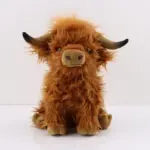
Everything as described. My daughter is happy. The parcel took a long time to arrive because the local delivery company mixed up the address.
Fast shipping and no problem
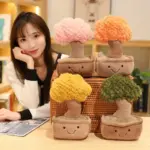
simply perfect
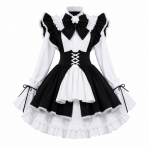
Came fast and it looks cute!
From kawaii stuffed animals and harajuku fashion to aesthetic desk setups, gaming accessories, and kawaii home decor — our kawaii store guide covers every corner of the kawaii universe in one beautifully curated place. Whether you are discovering kawaii culture for the first time or deepening an existing love for all things cute, this is where your journey starts.
Axolotls, dinosaurs, capybaras, octopuses, and every adorable creature in between — our kawaii stuffed animal collection spans the full spectrum of cute. Ultra-soft, hypoallergenic, and made for serious cuddling.
Explore →Explore the six major Harajuku substyles — Lolita, Decora Kei, Fairy Kei, Pastel Goth, Mori Girl, and Yume Kawaii — plus a complete guide to building your own kawaii wardrobe from scratch.
Explore →Build a desk setup that makes you genuinely happy to sit down. Mouse pads, plush companions, pastel organisers, and everything else that turns a workspace into a kawaii sanctuary.
Explore →Gaming and kawaii culture share deep roots in Japanese visual aesthetics. Discover how to bring the warmth of the kawaii aesthetic to your gaming setup with intentionally cute, characterful accessories.
Explore →Understand the 50-year history behind the world's most influential cute aesthetic — from 1970s Tokyo subculture and Hello Kitty to capybaras, anime, and TikTok's soft-girl era.
Read the guide →The principles of kawaii interior design, from pastel colour palettes and rounded furniture forms to the role of kawaii dollhouses as display art in your perfect aesthetic space.
Explore →Every kawaii plushie begins as a sketch and becomes a soft, hug-ready companion — here's the magic behind each one.
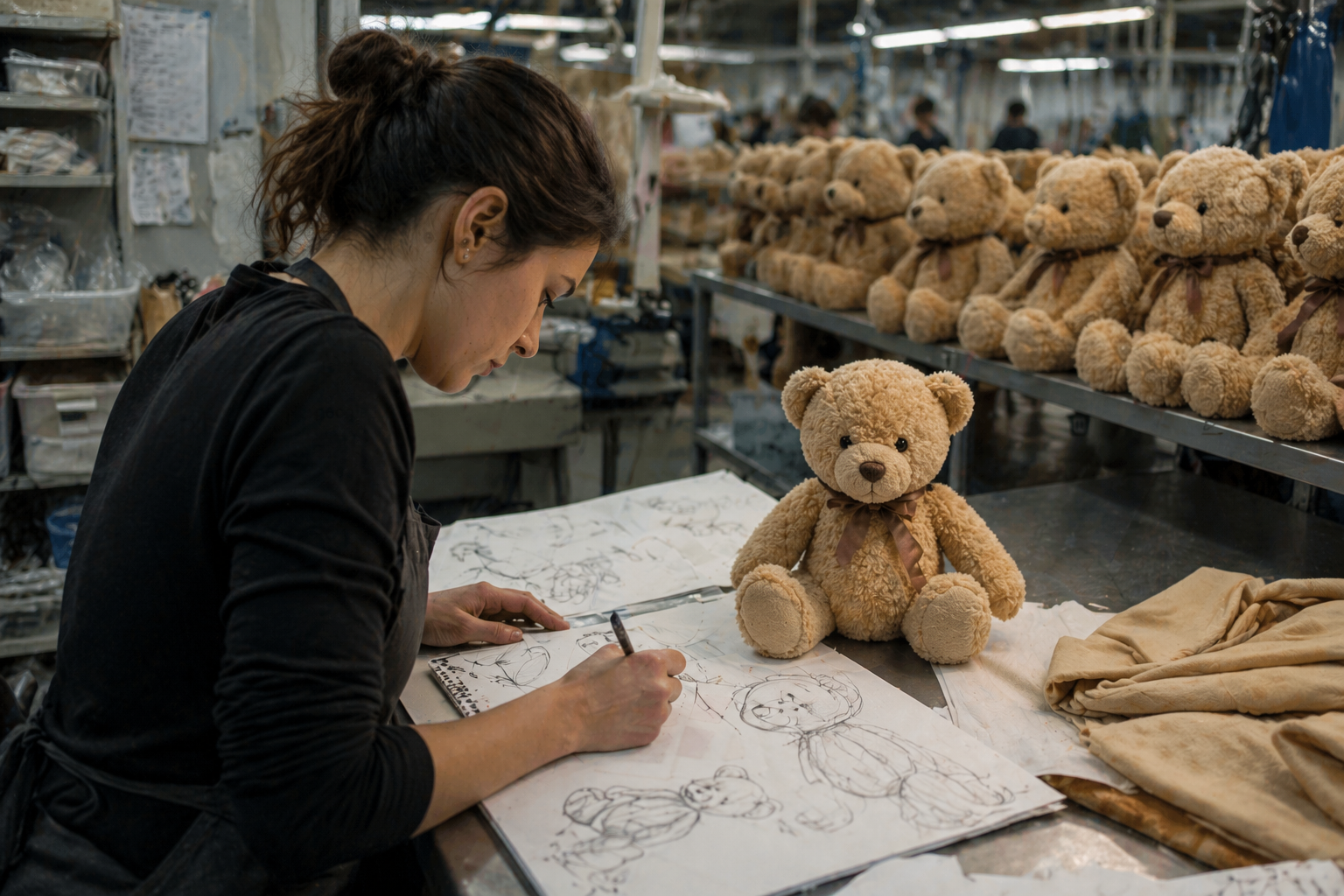
Every plushie starts as a hand-drawn sketch. Our designers capture the kawaii character — the proportions, expressions, and details that make each one uniquely adorable.
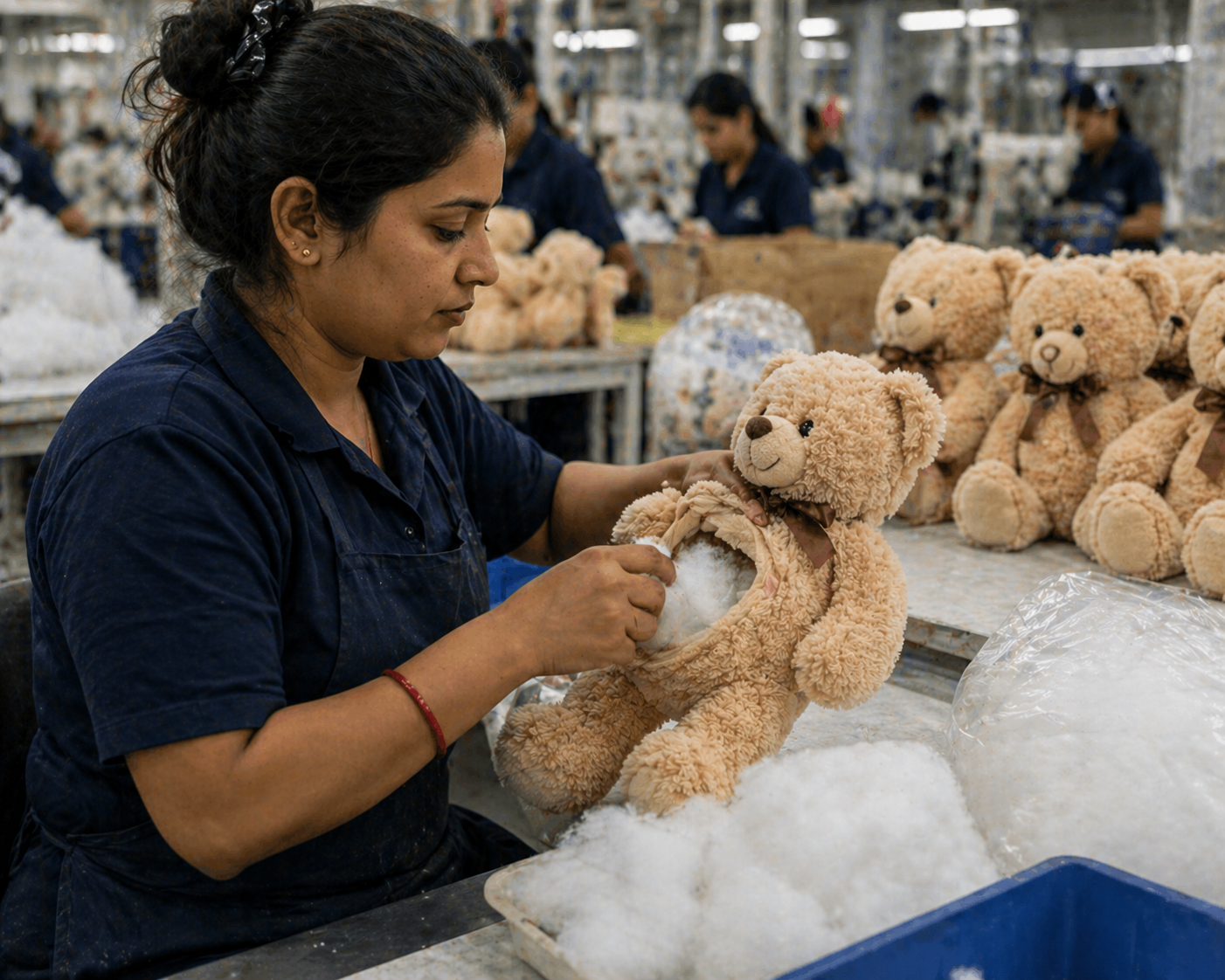
Premium PP cotton is carefully stuffed inside to create that perfectly soft, huggable feel — just the right amount so every plushie is squishy yet holds its shape.
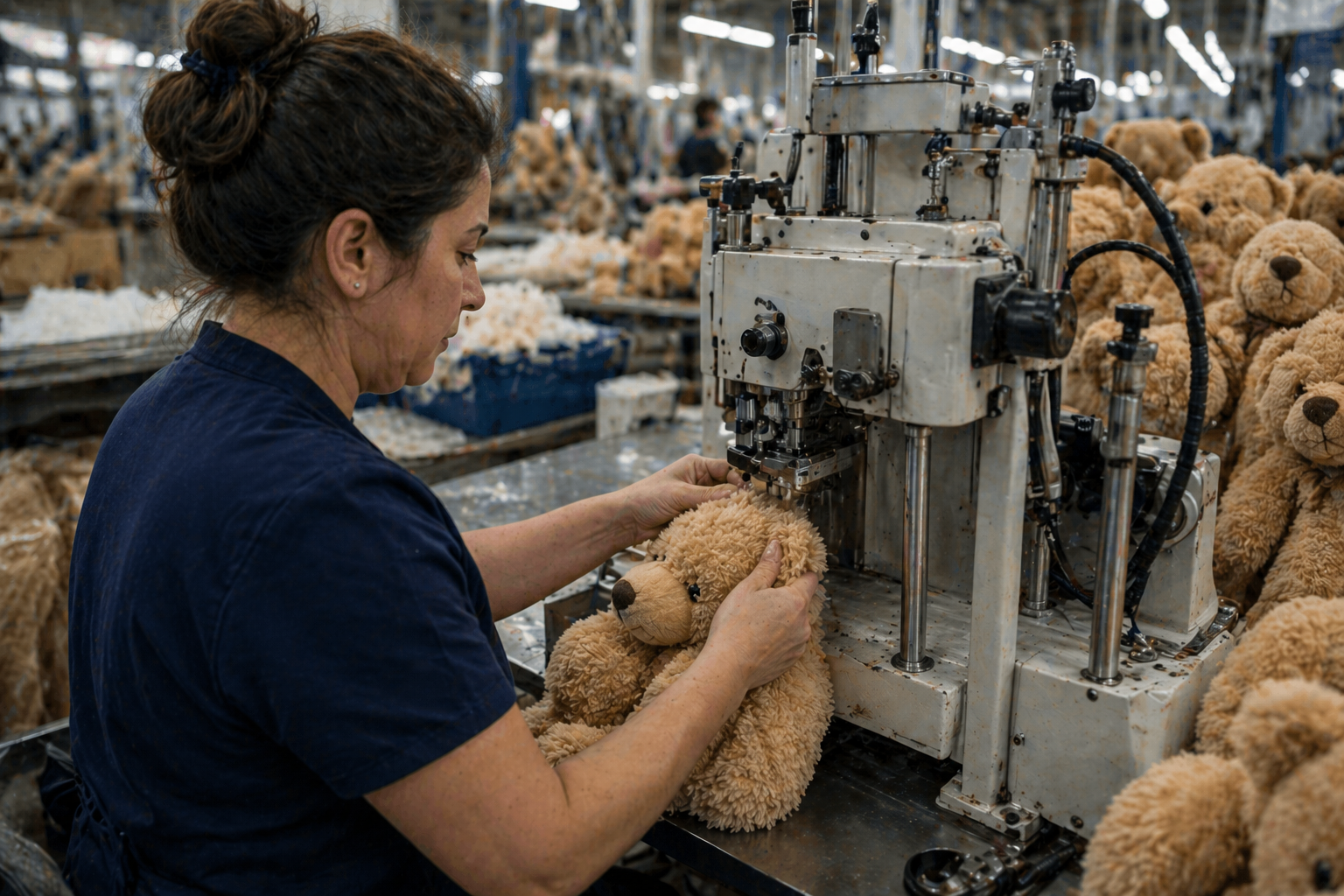
Precision stitching machines sew each plushie with care, reinforcing every seam so your kawaii companion stays together through years of hugs and adventures.

Every plushie passes a thorough quality inspection before it ships. We check softness, stitching, safety, and yes — cuteness. Only the best make it to your door.
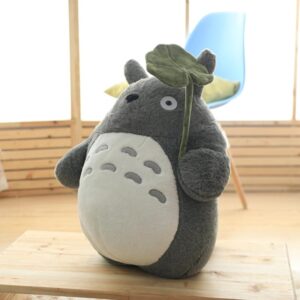 Kawaii Lifestyle
Why Anime Plush Collections Get Out of Hand Character plush is unusually easy to accumulate and…
 Kawaii Lifestyle
What Makes a Movie Night Actually Cosy A good comfort watching setup is not about owning…
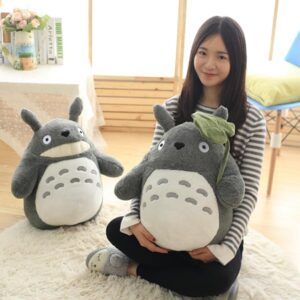 Kawaii Lifestyle
Who Is Totoro? Totoro is a forest spirit from a 1988 Japanese animated film, a large…
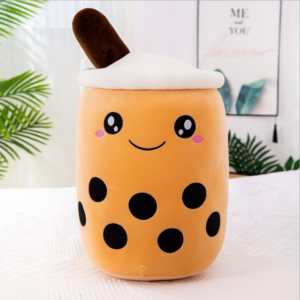 Kawaii Lifestyle
What the Boba Aesthetic Actually Is The boba aesthetic is a soft, food led take on…
 Kawaii Lifestyle
The Best Gift for a Boba Lover, in One Line If you want the short answer:…
 Kawaii Lifestyle
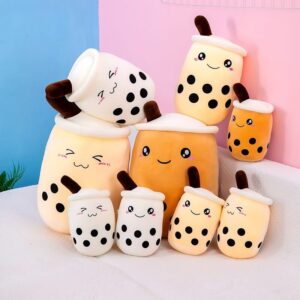
What Is a Boba Tea Plush? A boba tea plush is a soft toy shaped like…
 Kawaii Lifestyle
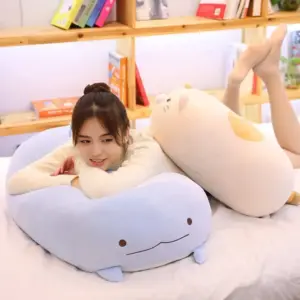
Sumikko Gurashi means living in the corner. Here is the meaning behind the name, all five…
 Kawaii Lifestyle
Four plushies keep winning the cutest title: Sumikko Gurashi, Kawaii Cat, Giant Cow and Totoro. Here…
Kawaii LifestyleGen Z buys plushies for comfort, affordability and identity. Here is what is really driving the…