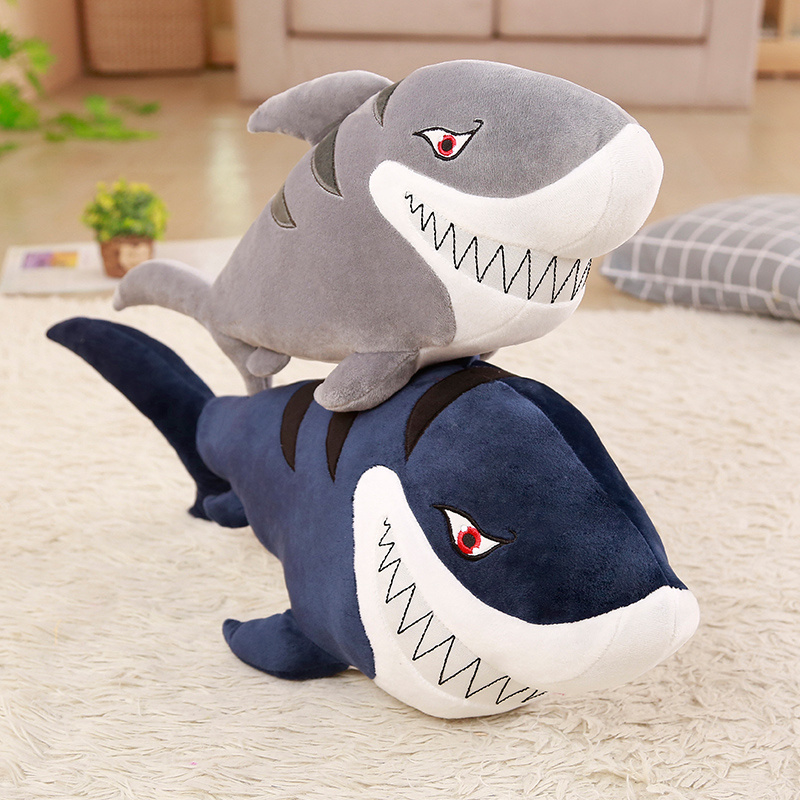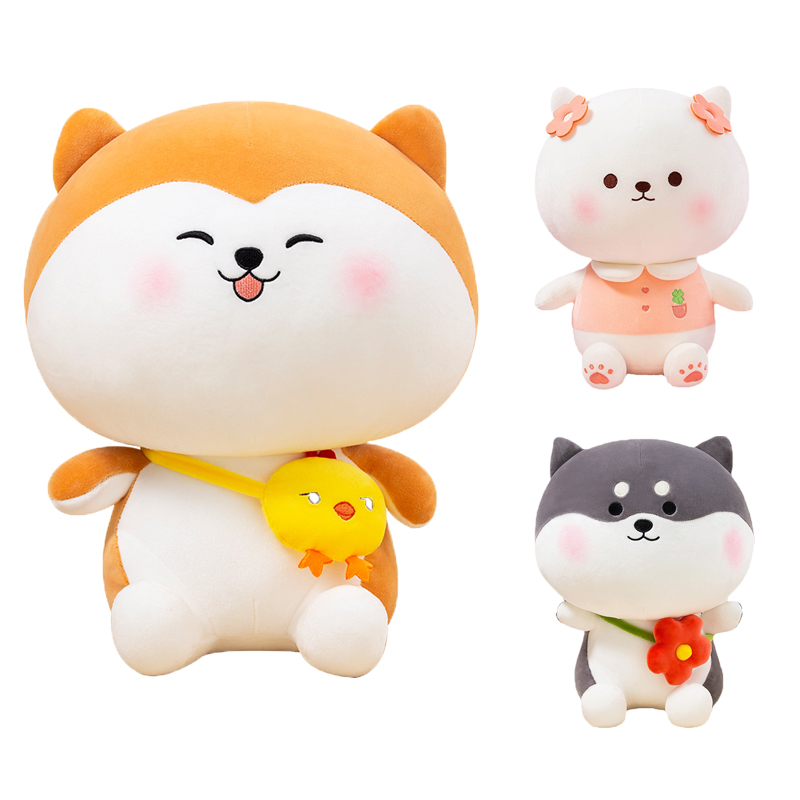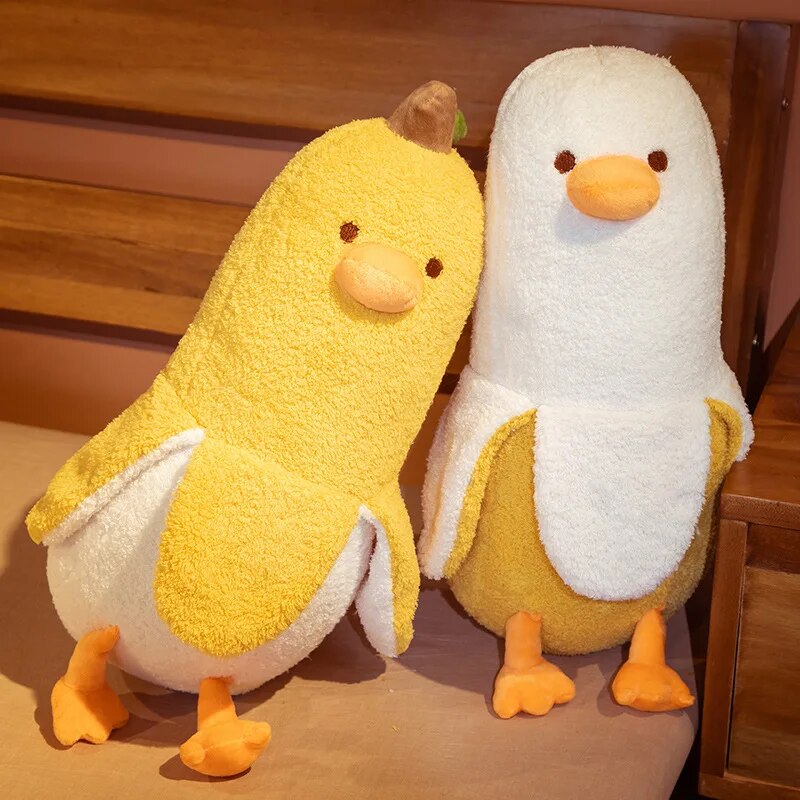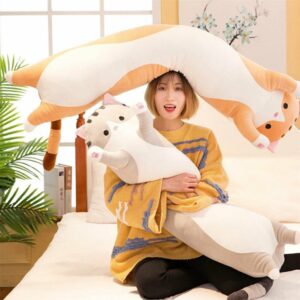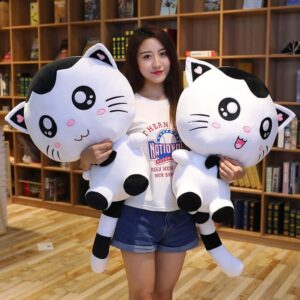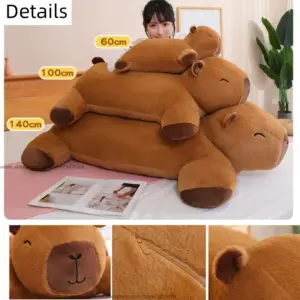
Children become so attached to stuffed animal toys because a familiar plush offers comfort, predictability and a sense of security at a time when the world is big, new and sometimes scary. Psychologists call a cherished comfort toy a transitional object, a term introduced by paediatrician Donald Winnicott in the early 1950s, because it helps young children feel safe as they gradually become more independent from their parents. The toy’s familiar feel, smell and history all add to the bond, which is why a beloved plush can feel truly irreplaceable. Here’s why the attachment forms, what research has found, how it helps children, and practical tips for parents.
Key Takeaways
- A comfort toy is a “transitional object” that helps children feel secure.
- Attachment is normal and healthy and usually fades gradually with time.
- The original matters: research suggests many children prefer their own toy over an identical copy.
- Familiarity is key: the toy’s smell, feel and memories all strengthen the bond.
- Plan ahead with a backup toy and gentle washing routines.

What Is a Transitional Object?
In the early 1950s, the British paediatrician and psychoanalyst Donald Winnicott described the “transitional object”: an item, often a soft toy or blanket, that a young child adopts as a source of comfort. He saw it as a bridge between the security of being with a parent and the growing independence of being alone. When a parent isn’t there, the toy offers some of the same reassurance. That’s why comfort toys are most important at bedtime, during separations and in unfamiliar places.
Why Do Children Get So Attached?
1. Comfort and security
A soft toy is warm, squishy and always available. Holding it helps children calm down when they’re tired, upset or unwell.
2. Familiarity in a changing world
Young children face constant change: new carers, new rooms, new routines. A plush that looks, feels and smells the same every day gives them something predictable to hold onto.
3. A sense of control
Children have little control over their days, but they’re in charge of their toy. Choosing to cuddle it, carry it or talk to it gives them a small, reassuring sense of power.
4. Shared history
Over time, a favourite toy becomes linked with happy memories, bedtime stories, holidays and family moments. It’s no longer just a toy; it’s part of their story.
5. A safe outlet for feelings
Children often tell their toys things they can’t easily say to adults, or act out worries through play. A plush is a patient, non-judgemental listener.
What Research Says: Why the Original Matters
Many parents have tried to swap a worn-out favourite for an identical new one, and failed. In a 2008 study, psychologists Bruce Hood and Paul Bloom showed young children a “copying machine” that appeared to duplicate objects. Many children who were strongly attached to a comfort toy didn’t want to swap it for the apparent copy, suggesting that, to them, the particular toy itself mattered, not just how it looked. It’s a reminder of how real the bond is.

How Comfort Toys Help Children
- Easier bedtimes: a familiar friend helps children settle and fall asleep.
- Braver separations: nursery drop-offs and babysitters feel less daunting.
- Calmer new experiences: doctor’s visits, travel and moving house.
- Emotional practice: caring for a toy builds empathy and helps children express feelings.
- Pretend play: a favourite plush often stars in imaginative games.
Read more in how stuffed animals contribute to your child’s development and can stuffed animals help with anxiety?
Do All Children Have a Comfort Toy?
No. Many children form a strong bond with one special plush or blanket, while others spread their affection across several toys or don’t seem to need a comfort object at all. Some prefer a favourite piece of clothing, a parent’s T-shirt or even a particular pillow. All of these are normal. Cultural habits can play a part too: in families where babies sleep close to their parents for longer, children may rely less on a separate comfort object. What matters most is that your child has ways to feel safe and soothed, whatever form they take.
Comfort Toys Beyond Childhood
Attachment to a soft toy doesn’t always end in childhood. Plenty of teenagers and adults keep a childhood plush on the bed or in a memory box, and some still reach for it during stressful times. That’s not a sign of immaturity; it’s a reminder of the comfort and memories the toy holds. If you’re a grown-up with a well-loved teddy, see why it’s OK to have a stuffed animal as an adult.
Is It Ever a Problem?
For most children, a strong attachment to a comfort toy is completely normal and healthy, and it fades gradually as they grow, often around school age, though many keep a favourite for years. If a child’s anxiety seems severe, stops them joining in everyday life, or you’re worried for any reason, speak to your doctor or health visitor. Otherwise, there’s no need to take a comfort toy away; let your child set the pace.
Practical Tips for Parents
- Buy a backup: if your child bonds with a toy, get an identical spare early and rotate them so both feel and smell familiar.
- Wash gently and wisely: clean the toy when your child is busy or asleep, and dry it fully so it’s ready for bedtime.
- Label it: sew in a name tag or contact details in case it’s lost.
- Set gentle limits if needed: for example, the toy stays in the car or in a bag at nursery.
- Use it for big moments: bring the toy to appointments, trips and first days.
- Respect the bond: avoid teasing or forcing a child to give up their toy.
What If the Toy Gets Lost?
Losing a beloved plush can be genuinely upsetting. Acknowledge your child’s feelings, retrace your steps and contact places you visited. If it’s truly gone, a backup (or a similar toy introduced gradually) can help, but expect it to take time for the new toy to feel “right.”
Safe Sleep and Comfort Toys
The American Academy of Pediatrics advises keeping soft toys out of a baby’s sleep space for the first 12 months. After that, choose a small, safe comfort toy with stitched features, no small parts and no long ribbons. See when can my baby sleep with a stuffed animal?
Frequently Asked Questions
Why is my child so attached to one stuffed animal?
A favourite toy becomes a source of comfort and security, a “transitional object,” especially at bedtime and during separations.
Is it normal for a child to be attached to a stuffed animal?
Yes. It’s very common and usually healthy. Most children gradually rely on the toy less as they grow.
At what age do children stop needing comfort toys?
There’s no fixed age. Many children rely on them less by school age, but some keep a favourite for years.
Should I buy a backup comfort toy?
Yes, if possible. Rotating two identical toys helps both feel familiar and avoids heartbreak if one is lost.
Why won’t my child accept an identical replacement?
To children, the original toy itself, with its history, smell and feel, can matter more than how it looks.
Find a Friend Worth Treasuring
The right plush can become a lifelong companion. Explore our stuffed animals for toddlers, kawaii teddy bears and kawaii stuffed animals, read why children can’t bear to get rid of their teddy bears, or start at the My Heart Teddy homepage.
Related reading: Why 12-year-olds like plushies: a complete guide to why tweens love soft toys, from comfort and sleep to style, friendship and collecting.