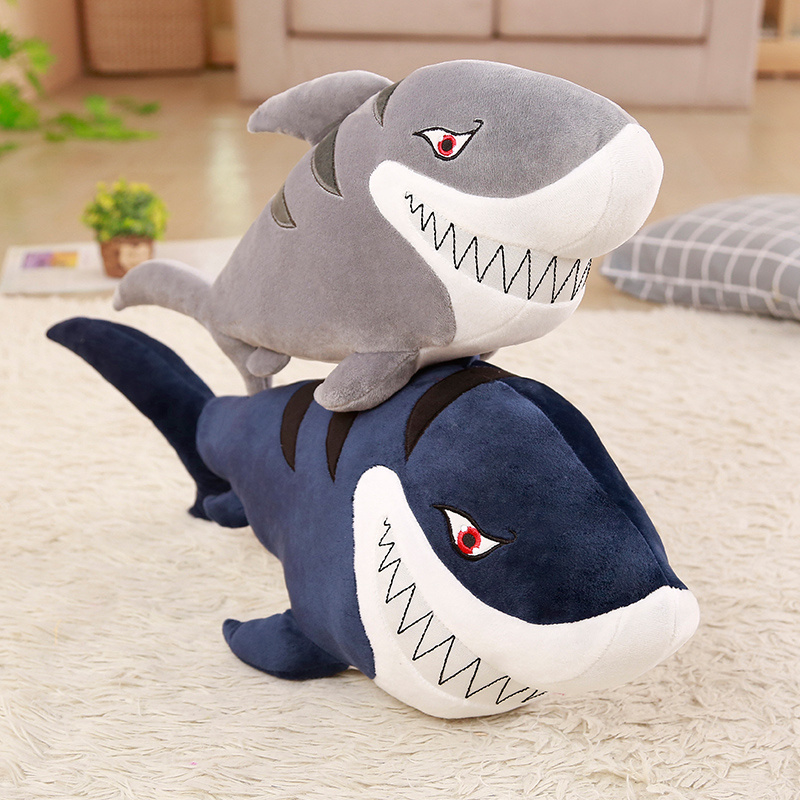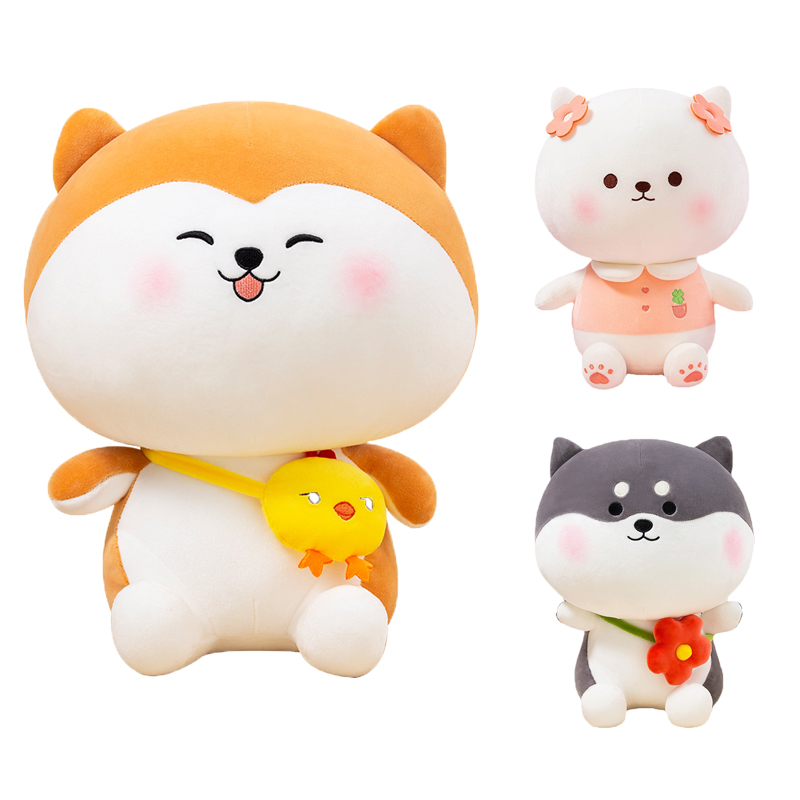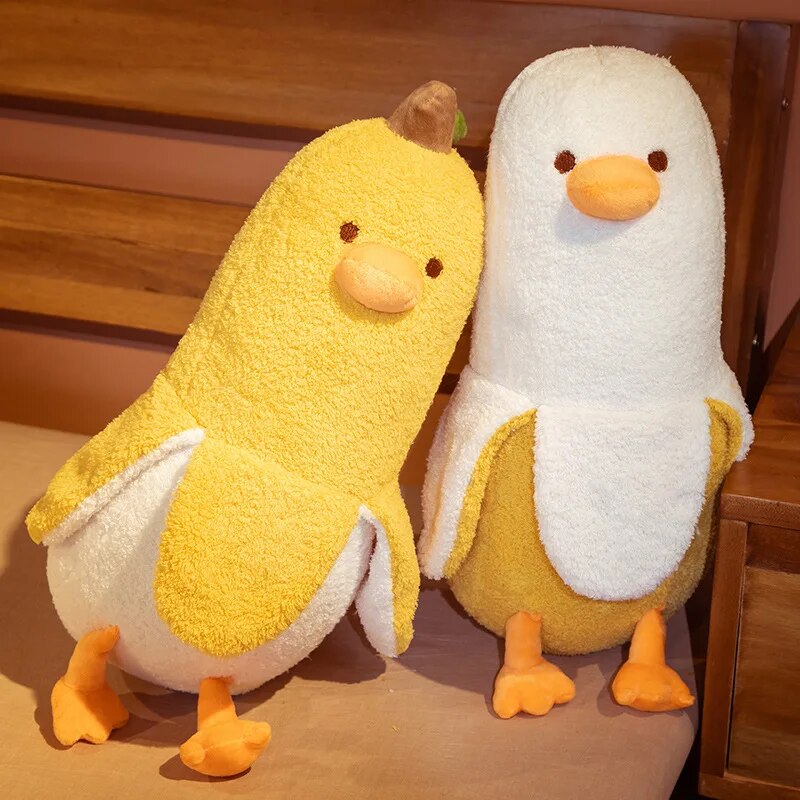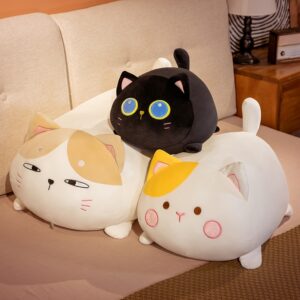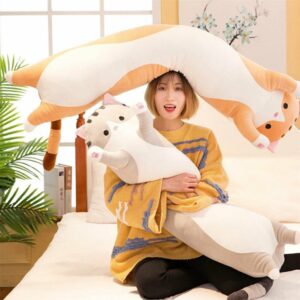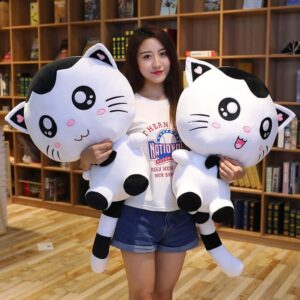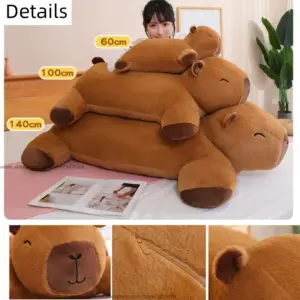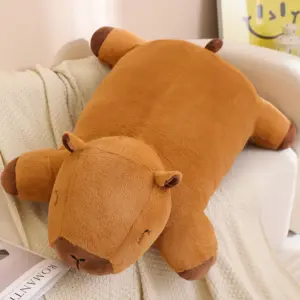

The simplest toy storage solutions are the ones children can use on their own: open canvas cubes on a low shelf, a big hamper or toy bin for soft toys, wall-hanging pockets and drawstring bags for small items, and furniture with built-in storage. The secret is to give every type of toy a “home,” keep it at a child’s height, and make tidying up quick enough to become a habit. Here are easy, affordable storage ideas that tame toy clutter, plus safety tips and a five-minute tidy-up routine the whole family can stick to.
Key Takeaways
- Low and open beats high and closed: kids tidy up when they can reach and see the bins.
- Sort by type: plush, building toys, art supplies and small parts each get their own container.
- A single big bin is the fastest way to clear soft toys off the floor.
- Use walls and doors with hanging storage when floor space is tight.
- Safety first: anchor shelves to the wall and choose toy boxes with safe lids.

Why Do Toys Take Over So Quickly?
Toys seem to multiply by magic. Birthdays, holidays, party bags and hand-me-downs add up fast, and before long plushies are hiding under beds, behind sofa cushions and across the floor. The answer isn’t always fewer toys (though that helps; see how to avoid having too many toys), but a system that makes putting things away as easy as getting them out.
1. Canvas Cube Bins on a Low Shelf
Fabric cube bins are inexpensive, light enough for children to carry, and fit neatly into cube shelving. Give each bin one category, such as “animals,” “cars” or “blocks,” and add a picture label for pre-readers. Most canvas bins can be spot-cleaned with mild soap and water and fold flat when you don’t need them.
- Cotton Linen Kids Toy Storage Box (from $27.99): sturdy fabric box with handles.
- Cartoon Design Toy Bins (from $30.99): bright, playful bins that brighten a bedroom.
2. One Big Bin or Hamper for Soft Toys
For stuffed animals, a single large catch-all is often the most practical solution. At the end of the day every plush goes “home” to the same place. Choose mesh or an open-top bin so children can see what’s inside, and keep it short enough for them to reach in. To make tidying a game, hang a small hoop above it and let them “slam dunk” their plushies.
For more plush-specific ideas, read our stuffed animal storage ideas.
3. Wall-Hanging Storage
When floor space is tight, go vertical. Over-the-door or wall-hanging pocket organisers hold small plush, dolls, books and art supplies, and they keep things visible so children remember to play with them.

4. Drawstring Bags for Small Toys and Travel
Drawstring bags are perfect for sets of small toys, building pieces or a “grab bag” for trips to grandparents. They hang from hooks, stack in baskets and pack easily into a suitcase.
- Drawstring Cartoon Design Bag (from $16.99)
- Animal Print Drawstring Bag (from $11.99)
5. Furniture with Storage
Benches, ottomans and children’s armchairs with storage under the seat hide toys away and give kids somewhere to sit and read. A toy shelf with open compartments works as both display and storage. These are pricier options but last for years.

A soft kids sofa can also create a cosy reading corner next to the shelf; see our kids sofas.
Toy Storage Safety Tips
- Anchor tall furniture. Secure shelves and dressers to the wall so they can’t tip over if a child climbs them.
- Choose safe toy boxes. Look for boxes without lids, or with lid supports that hold the lid open in any position, plus ventilation holes.
- Avoid hiding spots. Choose containers that are too small for a child to climb inside.
- Keep small parts high. Store toys with small pieces out of reach of babies and toddlers.
- Keep heavy items low. Put the heaviest bins on the bottom shelf.
Storage Ideas by Room
| Space | Best solution |
|---|---|
| Bedroom | Low cube shelf with fabric bins, one big plush bin |
| Living room | Storage ottoman or bench, lidded basket |
| Small flat | Wall-hanging pockets, under-bed boxes |
| Playroom | Open shelf with labelled bins, art caddy |
| Car or travel | Drawstring bag of favourites |
A Five-Minute Tidy-Up Routine
- Set a timer for five minutes and play a favourite song.
- Plush first: every soft toy goes into the big bin.
- Sort the rest into labelled cubes.
- Small parts last, into bags or boxes on a higher shelf.
- Celebrate: a high five, a sticker chart or choosing the next family game.
Teaching children to tidy is a skill in itself; see how to teach your child to organise their toys.
Labelling Ideas Kids Understand
Labels turn storage into a system. For toddlers and preschoolers, use photos or simple drawings of what goes inside each bin, such as a teddy for plush or a car for vehicles. For early readers, combine a picture with a single word. Older children can design their own labels, which gives them a sense of ownership over their space. Colour-coding works well too: blue bins for building toys, pink for plush, yellow for art supplies. The clearer the label, the faster the tidy-up.
Storing Toys You Want to Keep
Special plushies and keepsakes need gentler storage than everyday toys. Clean them first, let them dry completely, and keep them in a breathable cotton bag or a box with air holes, rather than sealed plastic that can trap moisture. Store them somewhere cool, dry and out of direct sunlight to prevent fading. Our guide on how to look after a plush toy collection explains more.
Rotate Toys to Keep Clutter Down
Many families keep only part of the toy collection out at a time and store the rest in a cupboard, swapping them every few weeks. Rotated toys feel new again, there’s less to tidy, and children often play longer with fewer choices in front of them.
Budget-Friendly Storage Ideas
You don’t need to spend much to get organised. Reuse sturdy shoe boxes covered in wrapping paper, use a laundry basket as a plush bin, or hang a cloth shoe organiser behind a door for small toys. Clear food containers work well for crayons and building pieces. Spend your budget on one or two items that make the biggest difference, such as a low shelf, and fill the rest of the system with things you already have at home.
Frequently Asked Questions
What is the best way to store stuffed animals?
A large open bin or hamper is the quickest option for everyday tidying. For display, use a shelf, hanging pockets or a hammock in a corner.
How do I organise toys in a small room?
Use vertical space with wall-hanging storage, under-bed boxes and a low cube shelf, and rotate toys so fewer are out at once.
Are toy boxes with lids safe?
Choose toy boxes without lids, or ones with lid supports that keep the lid open in any position and ventilation holes, so children can’t be trapped or pinched.
How can I get my child to tidy their toys?
Keep storage low and simple, label bins with pictures, make tidying a short timed game, and praise the effort.
Find Storage That Works for Your Family
A tidy room starts with storage that’s easy to use. Browse all our plush toy storage, find new friends to fill it in our kawaii stuffed animals, or explore everything at the My Heart Teddy homepage.