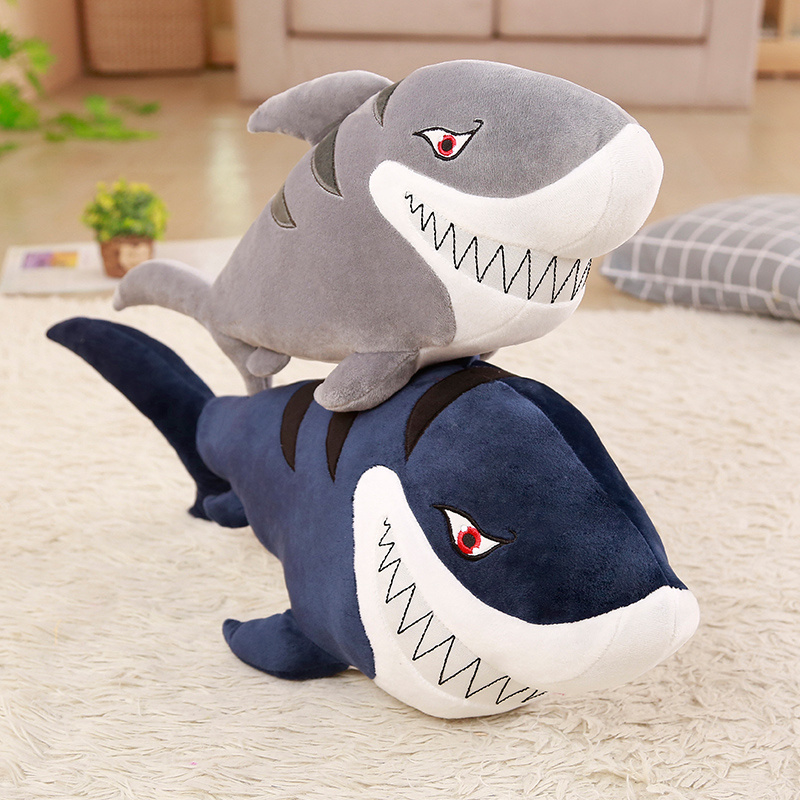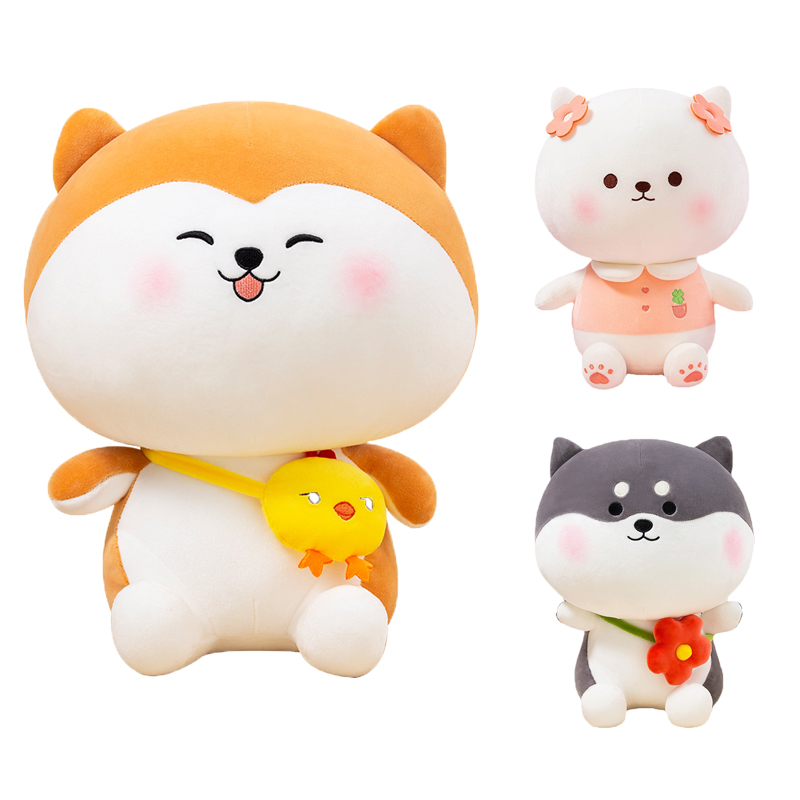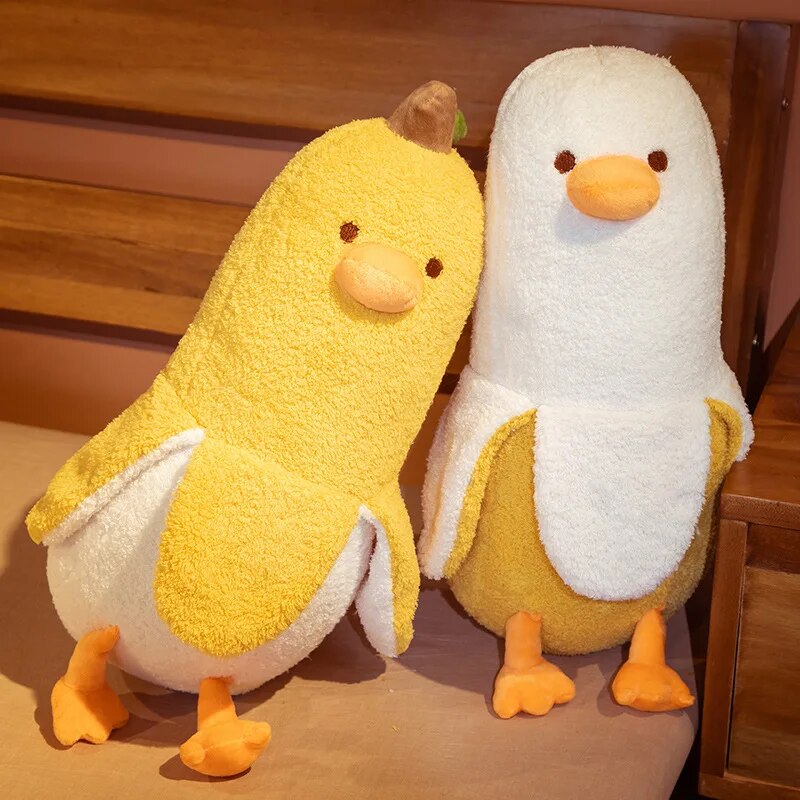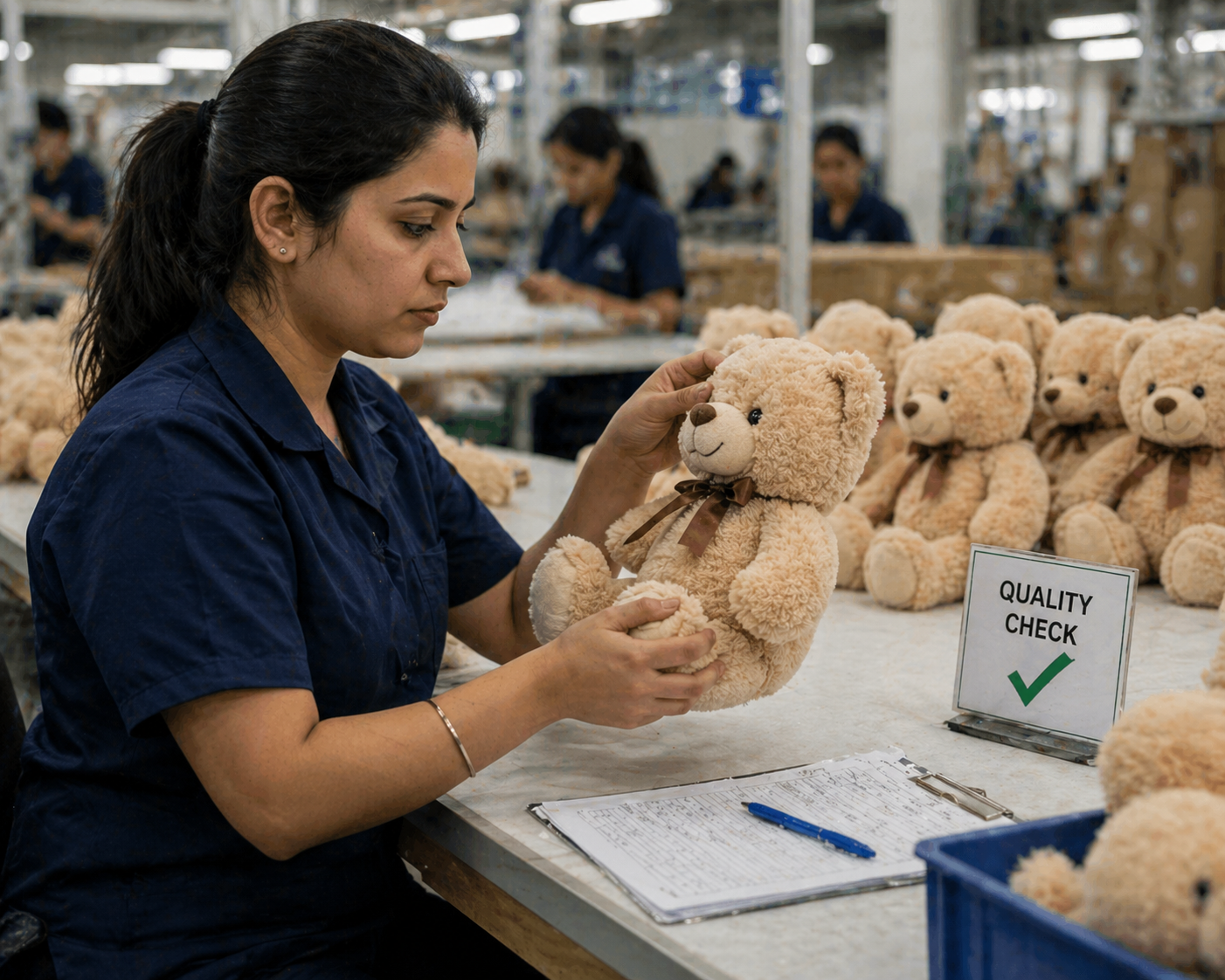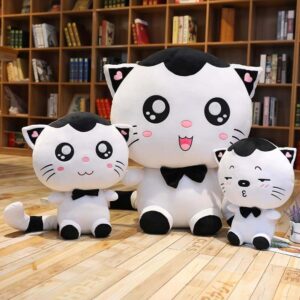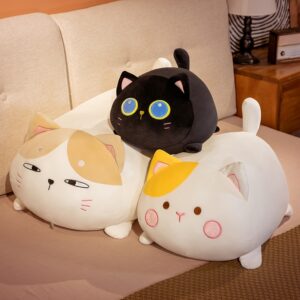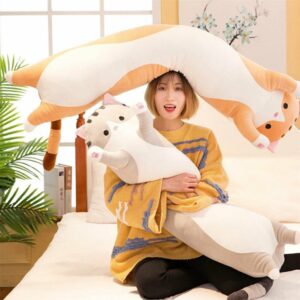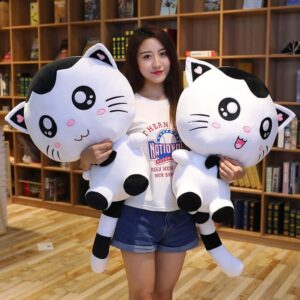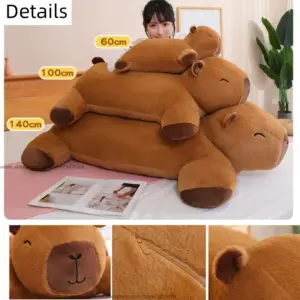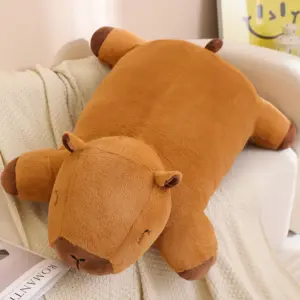
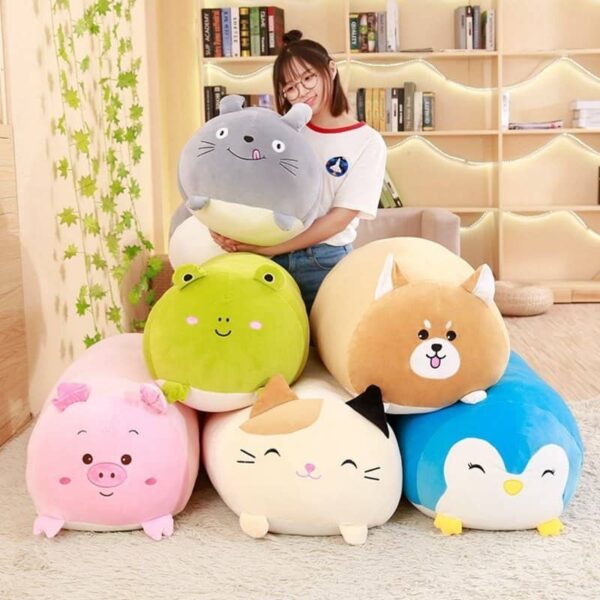
Kids love stuffed animals because they’re soft and comforting to hug, always friendly-looking, easy to carry everywhere, and perfect partners for pretend play, where a child gets to be the grown-up who feeds, dresses and looks after a “baby.” A favourite plushie also becomes a familiar companion through bedtime, trips and big changes, which is why so many children bond with one special toy. Here are the main reasons kids love stuffed animals, what child-development experts say about it, and how to choose a plush your child will treasure.
Key Takeaways
- Comfort: soft textures and a familiar shape help children feel safe.
- Friendly faces: plushies always look kind, which makes them easy to talk to.
- Pretend play: caring for a toy lets children practise being the grown-up.
- Durability: no screens to crack or batteries to run out, and small rips are easy to mend.
- Easy for kids to manage: light, carryable and simple to tidy away.

1. They Always Look Friendly
Most plushies are designed with big eyes, soft round faces and gentle smiles, the kind of features people instinctively find cute and approachable. However a child’s day has gone, their stuffed animal is waiting with the same kind expression. It never judges, never interrupts and never gets cross, which makes it the perfect listener for worries, secrets and stories.
2. They’re the Best Huggers
A good hug makes a bad day better, and a plushie is always ready for one. It won’t wriggle away, get bored or need to answer the phone. Soft fabric and squishy filling feel calming to hold, and many children reach for their favourite plush when they’re tired, upset or in a new place. That simple physical comfort is one of the biggest reasons stuffed animals are so loved.
3. They Let Children Play the Grown-Up
Children spend a lot of time being told what to do. With a stuffed animal, they get to be in charge: feeding it, tucking it into bed, taking it to the “doctor” or teaching it the rules. Child-development specialists see this kind of pretend play as an important way for young children to practise social skills, language and empathy, and to make sense of the routines they see every day.
Read more in how stuffed animals contribute to your child’s development and our guide to playing pretend with a toddler.

4. They Become a Source of Security
Many children choose one special toy that goes everywhere with them. Psychologists call this a “transitional object,” a term coined by paediatrician Donald Winnicott, because it helps children feel secure as they gradually spend more time away from their parents. A familiar plushie can make bedtime, nursery drop-offs, sleepovers and holidays feel less daunting. See why children become so attached to stuffed animal toys.
5. They Last (and They’re Easy to Fix)
There’s no screen to crack and no battery to run out. A stuffed animal can be dropped, squashed and dragged around for years. If a seam does split, a needle, thread and a little extra filling usually fix it in minutes. That durability is why so many plushies survive childhood and end up as keepsakes; see why children can’t bear to get rid of their teddy bears.
6. They’re Easy for Kids to Manage
Plushies are light enough for small children to carry, have no tiny parts to lose, and are simple to tidy away into one big bin. Most can be spot-cleaned, and many can go in the washing machine (always check the label first). Parents appreciate that as much as kids appreciate the cuddles.
7. They Spark Imagination
A pile of stuffed animals can be a zoo, a classroom, a jungle expedition or a royal court. Children give their toys names, voices and personalities, invent adventures for them and bring them along on real outings. That imaginative play helps children practise storytelling and problem-solving, and it’s simply a lot of fun.

8. They Grow With the Child
Unlike many toys, a plushie doesn’t stop being useful when a child gets older. A toddler might drag it everywhere, a school-age child might make it part of a bedroom display, and a teenager might keep it on the bed simply for comfort. Many adults still have a childhood plush tucked away, which shows how deep the bond can go. If you’re an adult who still loves plush, you’re in good company; read why it’s OK to have a stuffed animal as an adult.
How Parents Can Make the Most of a Favourite Plush
- Join the play. Give the toy a voice, ask how it’s feeling, or let it “read” a bedtime story.
- Use it for big moments. A plushie can come along to the dentist, the first day of nursery or a hospital visit.
- Talk about feelings. Asking “How does Bear feel today?” helps children name their own emotions.
- Keep a backup. If one toy is essential at bedtime, a second identical one can save the day when the first is in the wash.
- Respect the bond. Avoid throwing out a well-loved plush without your child’s say; it may mean more than you think.
What Kids Love Most at Each Age
| Age | Why they love plush | What to choose |
|---|---|---|
| 1–2 years | Comfort, texture, carrying it everywhere | Small, soft plush with stitched features |
| 3–5 years | Pretend play, naming, tea parties | Animals and characters they recognise |
| 6–10 years | Collecting, adventures, bedtime buddy | Themed sets and favourite animals |
| Teens | Comfort, room decor, nostalgia | Giant and kawaii plush |
How to Choose a Stuffed Animal Your Child Will Love
- Follow their interests: dinosaurs, unicorns, sharks or a real pet they love.
- Pick a carryable size for younger children.
- Feel the fabric: softer plush gets hugged more.
- Check safety: age labels, strong seams and stitched features for young children.
- Consider washing: a favourite plush will need regular cleaning.
Why Some Children Choose Just One Favourite
It’s common for a child to own many plushies but love only one. That special toy has usually been there through important moments, like bedtime, a move, a new sibling or a stay in hospital, so it carries memories and a familiar smell and feel that no new toy can match. If your child has a firm favourite, treat it gently when washing, keep it within reach for trips, and don’t worry if it looks a little worn. Being loved hard is part of a plushie’s job.
Frequently Asked Questions
Why do children get attached to stuffed animals?
A favourite plush offers comfort and a sense of security, especially at bedtime and in new situations. Psychologists call this kind of toy a transitional object.
Is it good for kids to have stuffed animals?
Yes. Plushies encourage pretend play, language, empathy and comfort, as long as they’re age-appropriate and safely made.
At what age do kids stop loving stuffed animals?
There’s no set age. Many children keep a favourite plush into their teens and adulthood for comfort or nostalgia.
How many stuffed animals should a child have?
There’s no right number. A few well-loved favourites are often played with more than a huge pile; see how to avoid having too many toys.
Find Your Child’s Next Best Friend
From classic teddies to dinosaurs and kawaii characters, there’s a plushie for every child. Explore our stuffed animals for toddlers, kawaii teddy bears and full kawaii stuffed animals range, or start at the My Heart Teddy homepage. Shopping for a gift? Read why stuffed toys make the best gift for a 2-year-old.