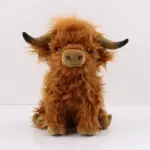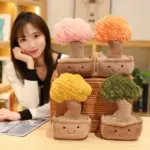

To avoid having too many toys, keep only a small selection out at a time and rotate the rest, follow a “one in, one out” rule, ask family for experience gifts instead of more things, choose open-ended toys that can be played with in many ways, and declutter regularly with your child’s help. Fewer toys usually means more focused, creative play and a tidier home. Research backs this up: a 2018 study from the University of Toledo found that toddlers played longer with each toy, and in more creative ways, when they had 4 toys to choose from rather than 16. Here’s a practical plan for keeping toy clutter under control.
Key Takeaways
- Fewer toys can mean better play: toddlers played longer and more creatively with 4 toys than with 16.
- Rotate toys every week or two so old favourites feel new.
- Use “one in, one out” to stop collections growing endlessly.
- Choose open-ended toys like blocks, art supplies and plush.
- Suggest experience gifts to friends and family.

Why Too Many Toys Can Be a Problem
It seems logical that more toys mean more fun, but a room overflowing with toys can make children flit from one thing to the next without settling into deep play. Too much choice can be overwhelming, tidying up becomes a battle, and special toys get lost in the pile. In the University of Toledo study, researchers found that when toddlers had fewer toys available, they spent longer with each one and found more ways to play with it.
1. Keep Fewer Toys Out at a Time
You don’t need to get rid of most of your child’s toys; just keep fewer of them on display. Choose a small, varied selection: something to build with, something creative, a book or two, a plush friend and an active toy. Store the rest out of sight.
2. Rotate Toys Regularly
Every week or two, swap some of the toys on display for ones in storage. Toys that have been away for a while feel exciting again, which means less pressure to buy new ones. Label your storage boxes so rotation is quick. See simple toy storage solutions for ideas.
3. Follow a “One In, One Out” Rule
When a new toy arrives, choose one to donate, pass on or store. This keeps the total number steady and teaches children to think about what they really love. It works especially well after birthdays and holidays.
4. Choose Quality and Open-Ended Toys
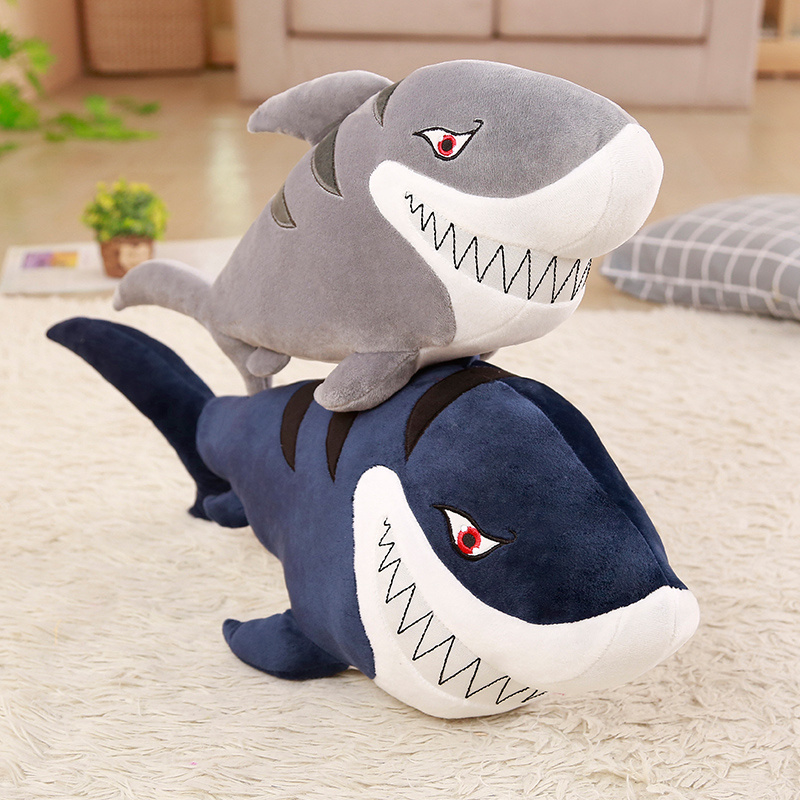
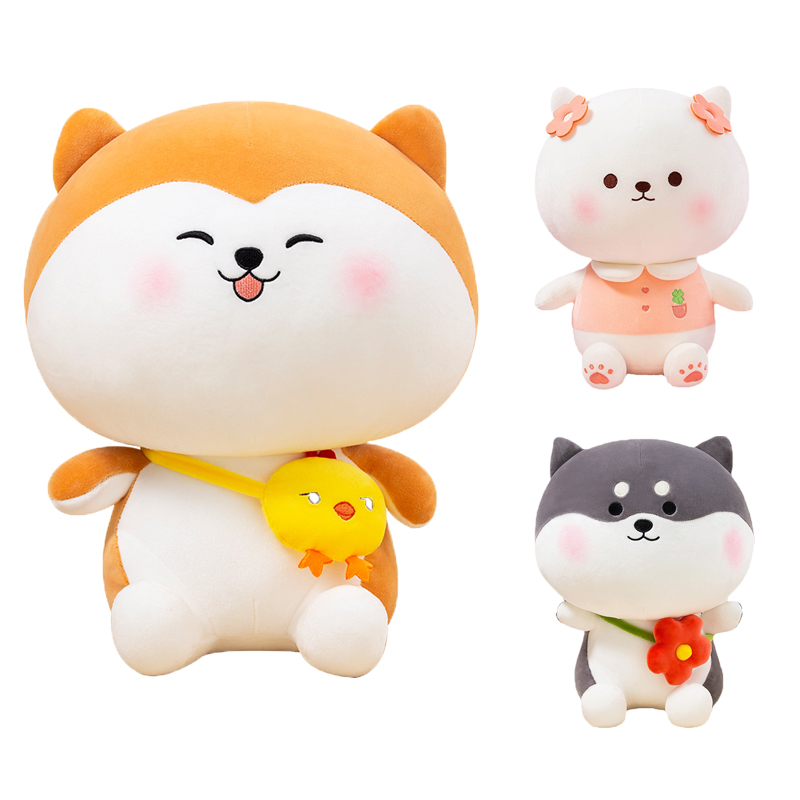
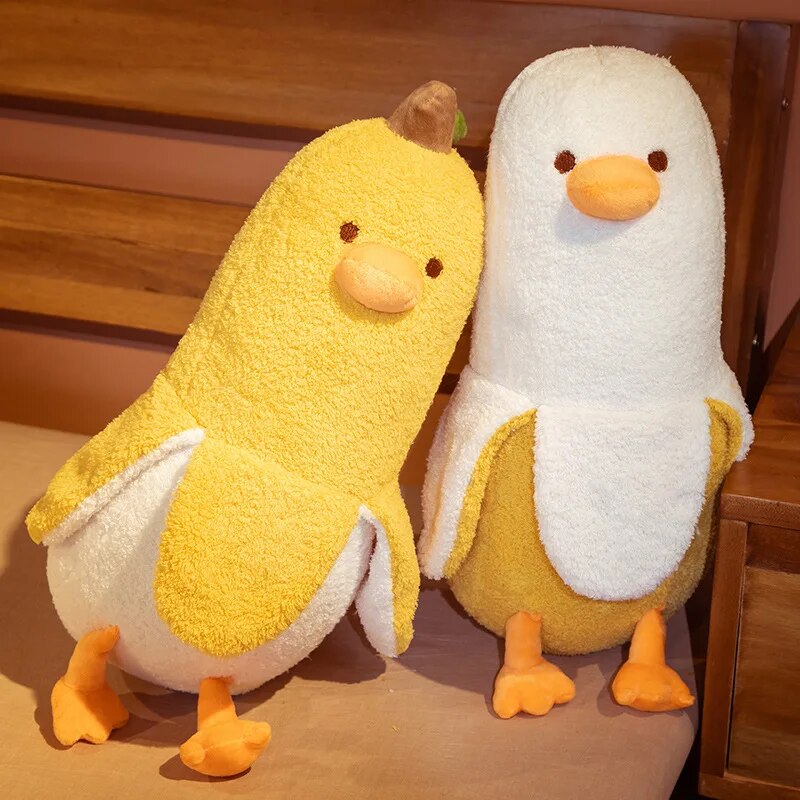
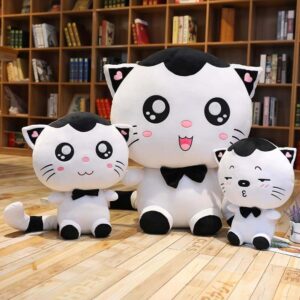
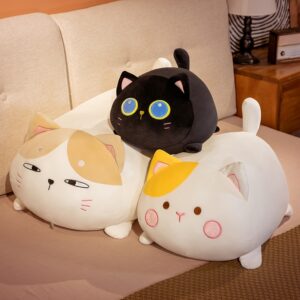
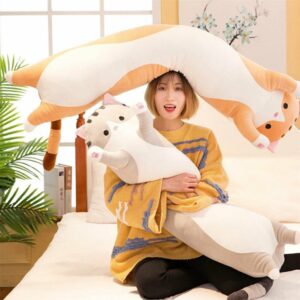
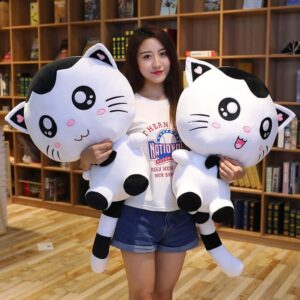
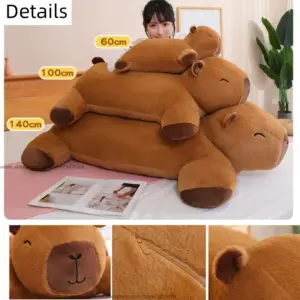
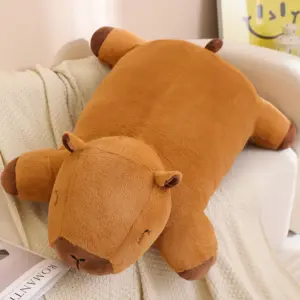
Open-ended toys can be used in many different ways, so children don’t tire of them as quickly. Good examples include building blocks, art supplies, dress-up clothes, play kitchens and stuffed animals, which can become pupils, patients, pets or heroes. A few well-made toys that last for years are better than many that break quickly.

5. Offer a Variety of Toy Types
Rather than many versions of the same thing, aim for a balanced mix: building and problem-solving toys, creative supplies, pretend-play items, books, active toys and comfort toys. Choosing toys by your child’s interests and age rather than by gender also widens the range of play; read why toys are more divided by gender now than they were 50 years ago.
6. Ask for Experiences Instead of Things
When relatives ask what to buy, suggest experiences: a trip to the zoo, swimming lessons, museum passes, a cinema outing or a day out together. Experiences create memories without adding to the clutter. If they’d still like to give a toy, share a short wishlist so gifts are wanted and age-appropriate.
7. Declutter Together
Every few months, sort through toys with your child. Remove broken toys and items they’ve outgrown, and let them choose some to donate or pass on to younger children. Involving them builds generosity and helps them feel in control. Keep keepsakes, like a first teddy, safely stored. For plush specifically, see what to do with old stuffed animals.
8. Set Limits That Work for Your Family
Some families keep toys to one shelf or a set number of bins per child; others keep toys mostly in one room. Choose a limit that suits your space and stick to it: when the bins are full, something has to go before something new comes in.
9. Play Together and Encourage Activity
Children often ask for new toys when they’re bored. Playing with them, getting outdoors and doing active things like running, cycling or dancing can meet that need without buying more. Make sure they get plenty of sleep, too; tired children are more likely to be restless and unsettled during play. For ideas, read ways for children to have fun.
Handling Birthdays and Holidays
Gift-giving seasons are when toy collections grow fastest. Before a birthday or holiday, do a quick declutter so there’s room for new arrivals. Afterwards, put some new gifts straight into the rotation storage rather than bringing everything out at once; your child will enjoy them more when they appear gradually. Writing thank-you notes or drawings together also helps children appreciate each gift rather than moving straight on to the next.
What About Sentimental Toys?
Some toys carry memories that make them hard to part with, like a first teddy bear, a gift from a grandparent or a toy from a special trip. You don’t need to give these away. Keep a small “memory box” for treasured items, store them carefully, and bring them out now and then to share the stories behind them. Decluttering is about keeping the toys that matter, not getting rid of everything.
Signs Your Child Has Too Many Toys
- Toys are scattered everywhere and rarely put away.
- Your child flits between toys without settling.
- Favourite toys keep getting lost.
- Tidying up takes much longer than playing.
- New toys are forgotten within days.
A Simple Toy Plan
| Step | How often |
|---|---|
| Choose a small selection to display | Once, then with each rotation |
| Rotate toys from storage | Every 1–2 weeks |
| One in, one out | Every time a new toy arrives |
| Declutter with your child | Every few months |
| Update the family wishlist | Before birthdays and holidays |
Frequently Asked Questions
How many toys should a child have?
There’s no magic number, but keeping a small selection out at a time works well. Research found toddlers played more creatively with 4 toys than with 16.
What is toy rotation?
Keeping some toys in storage and swapping them with the toys on display every week or two, so they feel new again.
How do I stop relatives buying too many toys?
Suggest experience gifts, share a short wishlist, or ask for contributions towards one bigger, meaningful gift.
What should I do with toys my child has outgrown?
Pass them on to friends or family, donate toys in good condition, recycle broken ones where possible, and keep a few special keepsakes.
Is it bad for kids to have lots of toys?
Not necessarily, but having too many out at once can make play less focused. Rotating toys keeps the benefits without the clutter.
Are stuffed animals open-ended toys?
Yes. A plush can take on countless roles in pretend play, which makes it one of the most versatile toys a child can have.
Less Clutter, More Play
A smaller, well-chosen set of toys can mean happier play and a calmer home. Store the rest in our plush toy storage, choose lasting favourites from our kawaii stuffed animals, read how to teach your child to organise their toys, or start at the My Heart Teddy homepage.