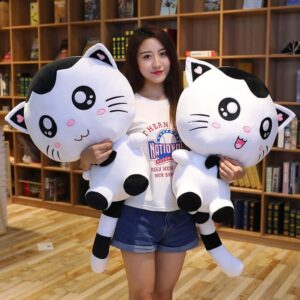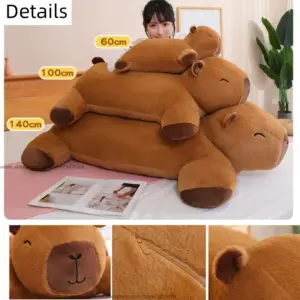
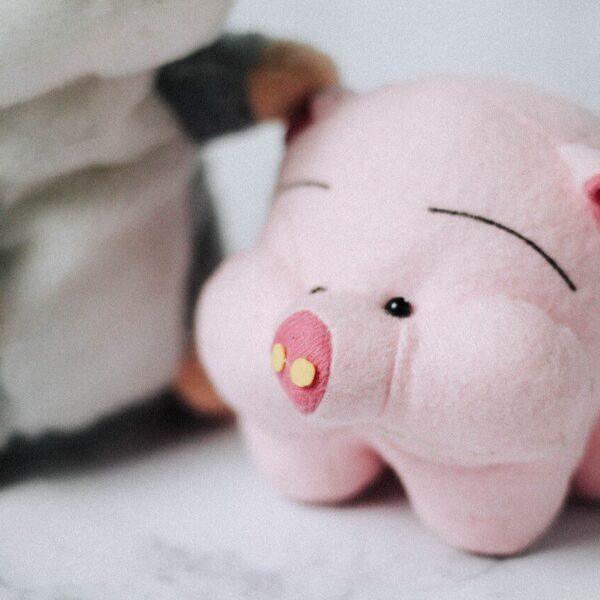
The plush friends every baby will love are small, soft and simple: gentle animals like elephants, ducks, chicks, turtles and bears with embroidered faces, washable fabric and a size that little hands can hold. For babies, a plush friend is for supervised cuddles, tummy time and play, not for the cot; the American Academy of Pediatrics advises keeping soft toys out of a baby’s sleep space for the first 12 months. As babies grow into toddlers, that same plush often becomes a treasured comfort friend. Here are our favourite baby-friendly plush picks, what makes a plush safe for babies, and how to use them in everyday play.
Key Takeaways
- Choose small, soft plush with embroidered features and no small parts.
- Washable fabric is essential, as babies mouth their toys.
- Supervised play only for babies; no soft toys in the cot for the first 12 months.
- Gentle animals and bright colours attract babies’ attention.
- A first plush often becomes a lifelong keepsake.

What Makes a Plush Friend Baby-Friendly?
| Feature | Why it matters |
|---|---|
| Embroidered eyes and nose | No hard parts that could come loose and be swallowed |
| Soft, washable fabric | Babies explore with their mouths, so plush needs frequent cleaning |
| Strong seams | Keeps the filling safely inside |
| Small, light size | Easy to grasp and hold; not too heavy if dropped |
| No ribbons, cords or loose accessories | Avoids choking and strangulation risks |
| Age label | Confirms the toy is designed for babies |
Always check the age recommendation on each product page. Many plush toys are labelled for ages three and up; those are best saved for toddlers, or used only for closely supervised play and decor.
Plush Friends Babies Love
Baby elephant
The Baby Elephant Stuffed Animal (from $20.99) comes in five soft colours and has the gentle, rounded look babies love.
Little ducks and chicks
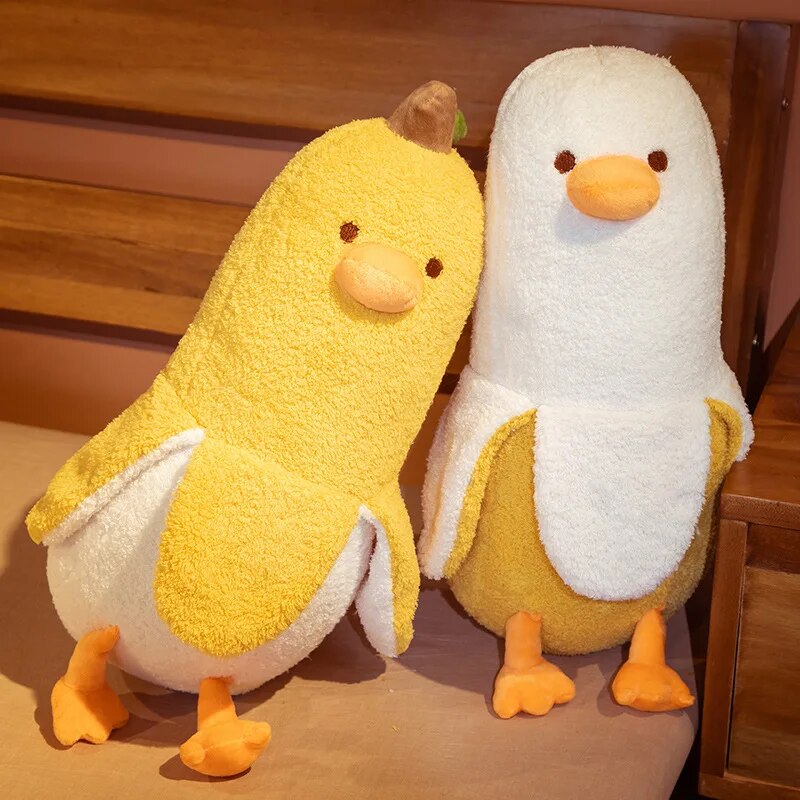
Bright yellow birds catch a baby’s eye. Try the Kawaii Duck Plush (40cm) (from $27.99), the Cute Yellow Chicken Stuffed Animal (from $18.99) or the Super Kawaii Chicken Plush (from $17.99).
Sea friends
Smooth, rounded sea creatures are lovely to touch: the Turtle Plush (from $15.99), the Cute Dolphin Plush (from $20.99) and the Seal Plush (from $30.99).

Puppies and kittens
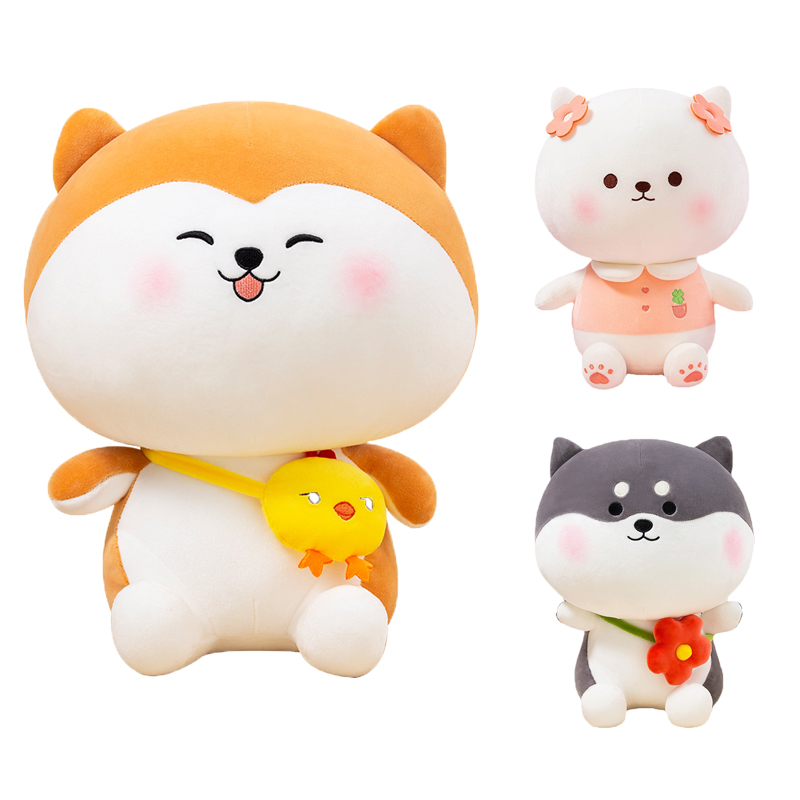
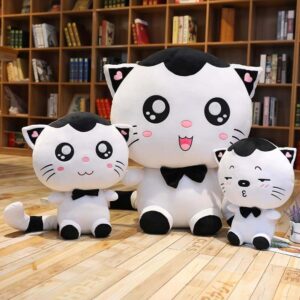
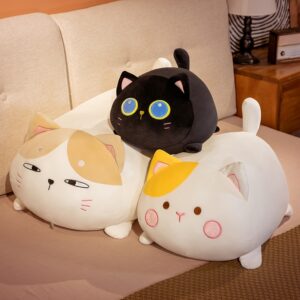
Classic pets make friendly first plush: the Cute Fat Shiba Inu Plush Toy (from $13.99), the Pug Stuffed Animal Toy (from $18.99) or the Kawaii Cat Plush (from $25.99).
Classic teddy bears
A first teddy is a timeless gift. The Cute Kawaii Teddy Bear (from $13.99) is small enough for little arms.
Browse all our baby plushies.
How Babies Play with Plush
- Looking: young babies love faces and contrasting colours.
- Touching: different textures help them explore.
- Grasping: light plush is easy to grab, hold and pass between hands.
- Tummy time: place a plush just out of reach to encourage lifting and reaching.
- Peekaboo: hiding and revealing a plush is endlessly funny to babies.
- Songs and stories: let the plush “dance” to nursery rhymes.
Read more in the benefits of soft toys for babies and children.
Safe Sleep: Keep Plush Out of the Cot
It’s tempting to tuck a cuddly friend in beside a sleeping baby, but the American Academy of Pediatrics advises a clear sleep space, with no soft toys, pillows or loose bedding, for the first 12 months. Babies should sleep on their backs on a firm, flat surface. Use plush for awake time and remove it at nap and bedtime. After the first birthday, many families introduce a small, safe bedtime plush; see when can my baby sleep with a stuffed animal?
Plush Friends by Age
Babies change quickly in their first year, and so does the way they play with soft toys. In the first few months, they mainly look at faces and colours, so a plush held near them during supervised play is perfect. Around four to six months, babies start reaching, grabbing and bringing things to their mouths, which is when washable fabric and embroidered features matter most. From around six to twelve months, as they sit, crawl and pull up, babies enjoy simple games like peekaboo and passing a toy back and forth. After the first birthday, many toddlers begin to attach to one special plush and carry it everywhere, often the start of a long friendship.
Choosing Colours and Textures
Babies are drawn to high-contrast colours and bright shades, as well as interesting textures. A yellow chick, a black-and-white panda or a pastel elephant all attract attention. Mixing textures in your baby’s toy basket, smooth, fluffy and gently ridged, gives them more to explore. Avoid plush with very long fur for young babies, as it’s harder to keep clean and fibres can come loose.
Caring for Baby Plush
- Wash new plush before your baby’s first cuddle.
- Wash regularly, especially after illness, following the care label.
- Dry completely to prevent mould and musty smells.
- Check seams and features regularly for wear.
- Keep a spare of any favourite, so one can be washed while the other is in use.
See how often to wash your kids’ stuffed animals.
Plush Friends as Baby Gifts
A soft plush is one of the most popular gifts for baby showers, new arrivals, first birthdays and christenings. Pair it with a board book about the same animal, add a note with the date, or choose a colour that matches the nursery. Many families keep a baby’s first plush for years as a keepsake. For first-birthday ideas, see the best gift for a baby girl’s 1st birthday.
Plush for Nursery Decor
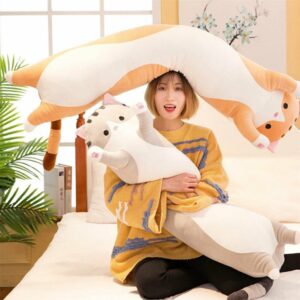
Larger plush, such as a star pillow or a giant bear, can make a nursery look cosy, but keep it on a shelf or chair out of the cot and out of reach. The Star Plush Pillow (from $38.99) makes a sweet decorative cushion for a nursing chair.
Whatever you choose, the safest and most loved plush friends are simple, soft and shared during happy moments together.
Frequently Asked Questions
What is the best first stuffed animal for a baby?
A small, soft plush with embroidered features, strong seams and washable fabric, such as a baby elephant, duck or bear.
Can babies have stuffed animals?
Yes, for supervised play. Keep soft toys out of the sleep space for the first 12 months.
When can a baby sleep with a plush toy?
The American Academy of Pediatrics advises waiting until after 12 months.
How do I clean my baby’s plush toy?
Wash it according to the care label, regularly and after illness, and dry it completely.
What size plush is best for a baby?
Small and light enough to hold easily, but large enough that no part can fit in their mouth. Around 20–35 cm works well.
Are plush toys good for tummy time?
Yes. Placing a soft toy just out of reach encourages babies to lift their heads and reach during supervised tummy time.
Should baby plush be machine washable?
Ideally, yes. Babies mouth their toys, so easy, regular washing helps keep them clean.
How many plush toys does a baby need?
Just one or two. Babies benefit most from playing with you, and a single favourite is easier to keep clean.
What makes a good baby shower plush gift?
A soft, washable plush with stitched features, ideally paired with a board book or a personal note.
Find Your Baby’s First Friend
A first plush friend can become part of your family’s story. Explore our baby plushies and stuffed animals for toddlers, or start at the My Heart Teddy homepage.