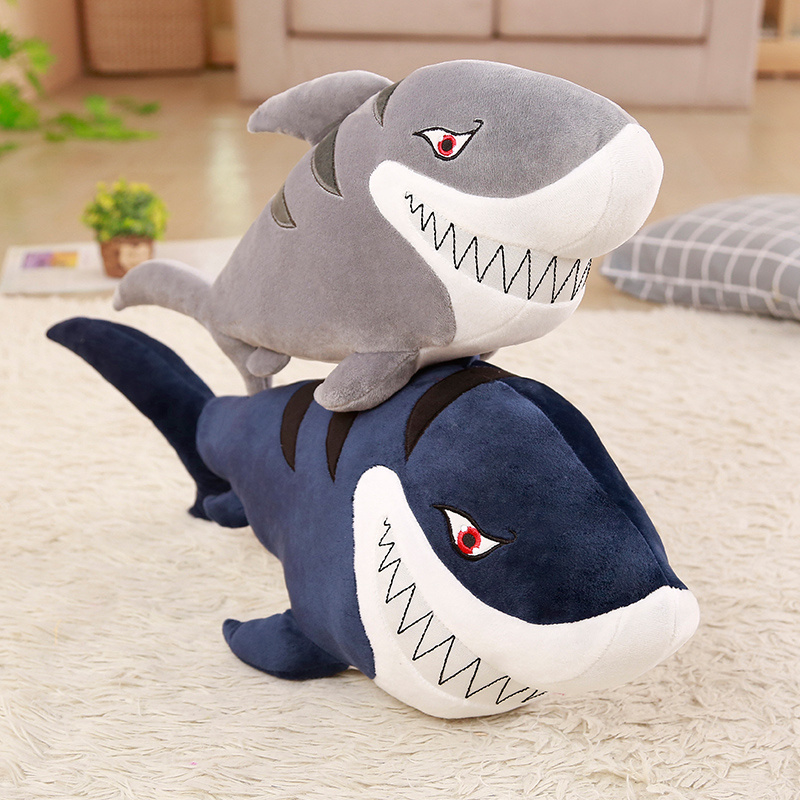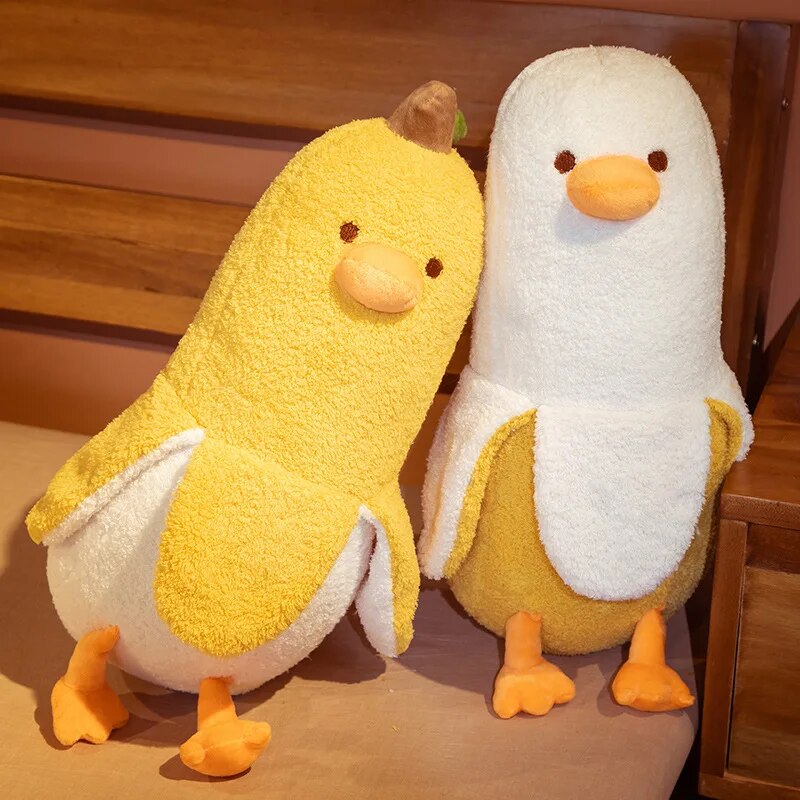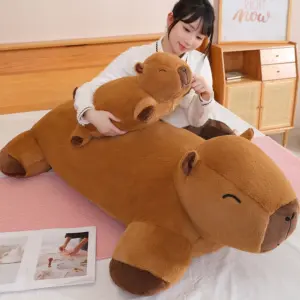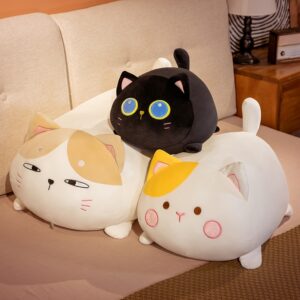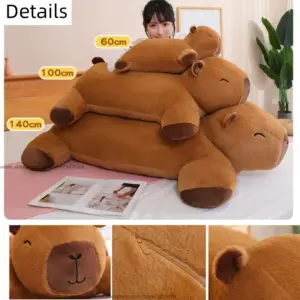

When can your baby sleep with a stuffed animal? The American Academy of Pediatrics (AAP) advises keeping stuffed animals, pillows, bumpers and loose bedding out of your baby’s sleep space for at least the first 12 months, because soft objects increase the risk of suffocation and sudden infant death. After the first birthday, once your child can roll, move objects away from their face and lift their head well, many parents introduce one small, safe stuffed animal at bedtime; some experts suggest waiting a little longer. Until then, plush toys are wonderful for supervised play while your baby is awake. Here’s the full guidance, explained simply.
Key Takeaways
- No soft toys in the sleep space for at least the first 12 months.
- Back to sleep, every sleep, on a firm, flat surface with a fitted sheet only.
- After 12 months, a small plush with no loose parts can be introduced if your child has the right motor skills.
- Room-sharing (not bed-sharing) is recommended for at least the first 6 months.
- Use plush for awake play and keep it out of the cot at naps and bedtime.

Why Stuffed Animals Aren’t Safe in the Cot for Young Babies
Young babies can’t yet reliably roll over, lift their heads or push things away from their faces. If a soft toy, pillow or blanket covers a baby’s nose and mouth during sleep, they may not be able to move it, which can block their breathing. Soft objects in the cot are linked to sleep-related deaths, including sudden infant death syndrome (SIDS) and accidental suffocation. In the United States, the CDC reports thousands of sudden unexpected infant deaths each year.
The good news is that safe-sleep advice works. SIDS rates fell dramatically after the “Back to Sleep” campaign, now called “Safe to Sleep,” launched in 1994 to encourage putting babies to sleep on their backs. Keeping the sleep space clear is a key part of that advice.
Safe Sleep Checklist for Babies Under 12 Months
- Back to sleep: always place your baby on their back for naps and at night.
- Firm, flat surface: use a cot, bassinet or play yard with a firm mattress that meets safety standards.
- Fitted sheet only: no pillows, bumpers, blankets, quilts or toys.
- Wearable blanket: if you’re worried about cold, use a sleep sack instead of a loose blanket.
- Room-share, don’t bed-share: the AAP recommends your baby sleeps in your room, in their own sleep space, for at least the first 6 months.
- No bumper pads: padded crib bumpers are linked to suffocation, and their sale is now banned in the US.
- Pacifier safety: don’t attach anything to a dummy or hang it around your baby’s neck.
- Avoid overheating and smoke exposure.
When Can a Baby Sleep with a Stuffed Animal?
The AAP’s guidance is to wait until at least 12 months. By then, most babies can roll over, lift their heads and push objects away from their faces, which lowers the risk. Every child develops at their own pace, though, so look for these skills before introducing a plush:
- rolling over confidently in both directions
- lifting and turning their head easily
- pushing objects away from their face
- sitting up without help
If your child isn’t doing these things yet, wait a little longer. Some families choose to wait until their child moves from a cot to a bed. If in doubt, ask your paediatrician.
Choosing a Safe Bedtime Plush After 12 Months
| Look for | Avoid |
|---|---|
| Small size, around the size of your child’s head or smaller | Large plush that could be climbed on to escape the cot |
| Embroidered eyes and nose | Buttons, beads or loose parts |
| Strong seams | Ribbons, cords or long strings |
| Washable fabric | Weighted plush or plush with batteries in the cot |
| One single toy | Several toys piled in the cot |
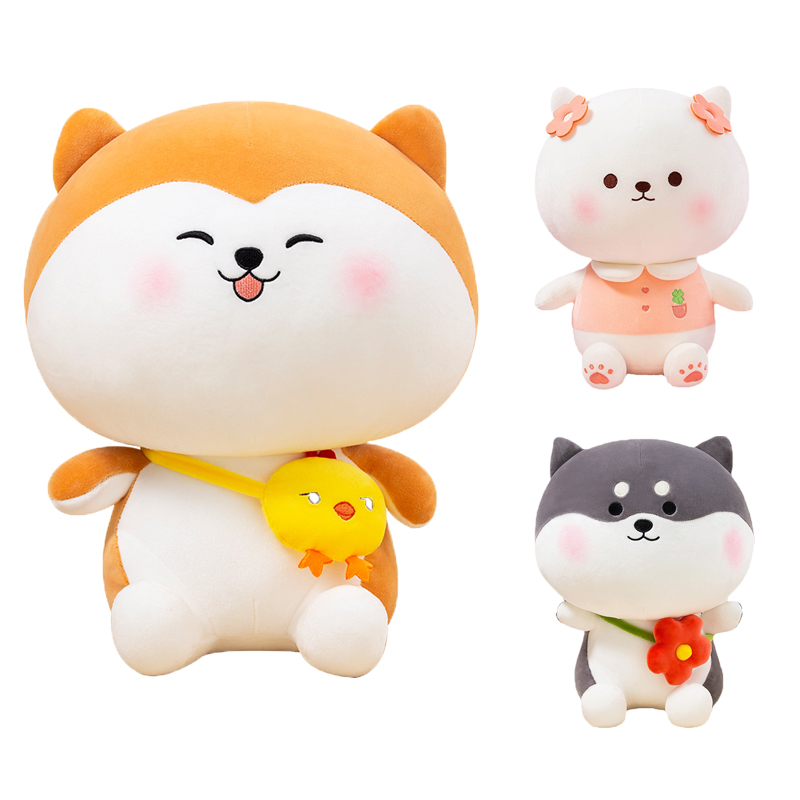
Small, simple plush such as the Cute Kawaii Teddy Bear (from $13.99) or the Cute Fat Shiba Inu Plush Toy (from $13.99) suits this stage. Check the age recommendation on each product page; many plush toys are labelled for ages three and up and are best saved for older toddlers.

How to Use Plush Before 12 Months
Babies can still enjoy soft toys long before bedtime is safe:
- supervised cuddles and play while awake
- tummy time, with a plush placed just out of reach
- peekaboo and songs
- a plush “goodnight” routine, saying goodnight to the toy and leaving it outside the cot
Read the benefits of soft toys for babies and children and plush friends every baby will love.
What About Naps, Car Seats and Travel?
The same rules apply to every sleep, not just night-time. Remove plush toys from the cot, bassinet or travel cot at nap time, and don’t leave soft toys with a sleeping baby in a car seat, pram or bouncer. Car seats and other sitting devices aren’t designed for routine sleep, so if your baby falls asleep in one, move them to a flat, safe sleep surface as soon as practical. When travelling, take a portable cot or travel bassinet that meets safety standards, and pack a wearable blanket instead of loose bedding.
Comforting a Baby Without Soft Toys
It’s natural to want your baby to have something cosy at bedtime. Safe ways to offer comfort include a consistent bedtime routine, a wearable blanket, gentle white noise, a dummy at sleep time if you choose to use one, and plenty of cuddles before you put them down. Many parents also give their baby a plush to cuddle during the bedtime story, then say goodnight to it together and place it on a shelf where the baby can see it. That way the toy becomes part of the routine long before it’s safe in the cot.
Introducing a Bedtime Plush
- Choose one small, safe plush.
- Let your child play with it during the day so it becomes familiar.
- Make it part of the bedtime routine: bath, story, plush.
- Check it regularly for wear and wash it often.
- Consider a spare identical toy in case one is lost or in the wash.
Frequently Asked Questions
Can a newborn sleep with a stuffed animal?
No. The AAP advises no soft objects, including stuffed animals, in the sleep space for at least the first 12 months.
Can a 1-year-old sleep with a teddy?
Many can, if they roll, lift their head and push objects away, and the teddy is small with no loose parts. Ask your paediatrician if unsure.
Why are blankets unsafe for babies?
Loose bedding can cover a baby’s face or cause entanglement. Use a wearable blanket instead.
Are crib bumpers safe?
No. Padded bumpers are linked to suffocation, and the AAP advises against them.
Can my baby nap with a stuffed animal?
No. The same safe-sleep rules apply to naps: keep soft toys out of the sleep space for the first 12 months.
How long should my baby sleep in my room?
The AAP recommends room-sharing in a separate sleep space for at least the first 6 months.
Safe Cuddles, Sweet Dreams
Waiting a little while to add a plush to the cot keeps your baby safe, and their first plush friend will be just as loved when the time comes. Explore our baby plushies and stuffed animals for toddlers, read plushies and sleep routines, or start at the My Heart Teddy homepage.
This article is for general information and doesn’t replace advice from your paediatrician or health visitor.