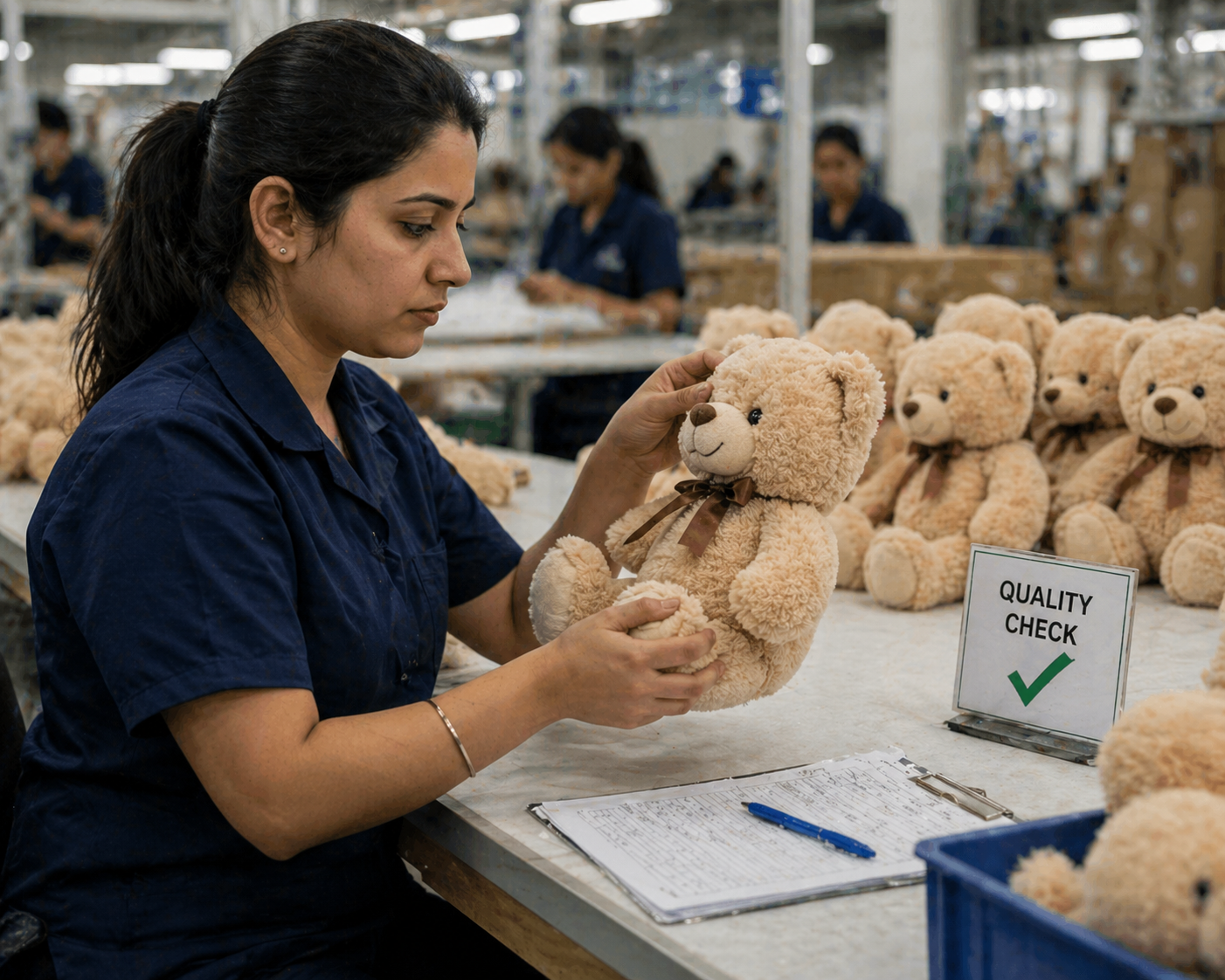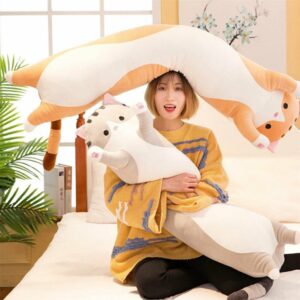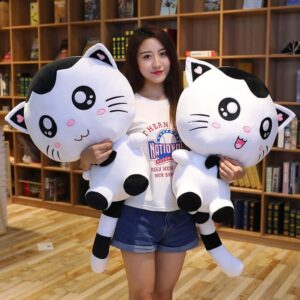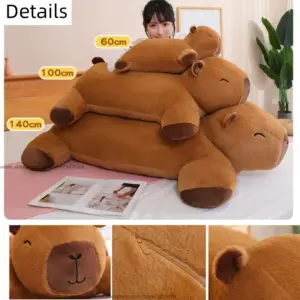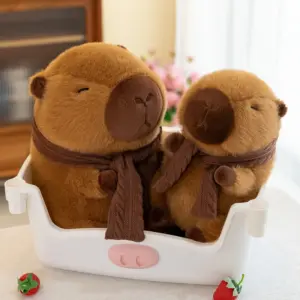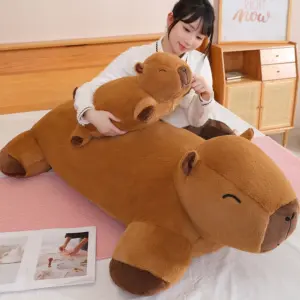
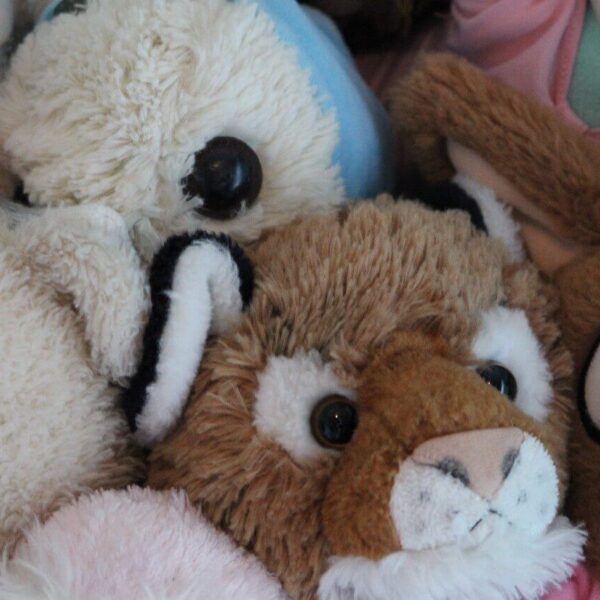
What to do with old stuffed animals depends on their condition and how much they mean to you: keep and display the sentimental ones, store keepsakes carefully, pass clean, good-condition plush on to friends, family or charities that accept them, sell collectible pieces, upcycle worn ones into crafts, and recycle what’s truly beyond use. Because plush holds so many memories, it helps to sort first and decide second. Here’s a simple guide to sorting, donating, displaying, upcycling and recycling old stuffed animals responsibly.
Key Takeaways
- Sort first: keep, display, donate, sell, upcycle or recycle.
- Clean before passing on, and only donate plush in good condition.
- Check donation rules: many charities and shelters have specific guidelines for soft toys.
- Display treasured plush instead of hiding it away.
- Upcycle or recycle worn plush rather than throwing it away.

Step 1: Sort Your Stuffed Animals
Gather all the plush in one place and sort it into piles:
| Pile | What goes in it |
|---|---|
| Keep and display | Favourites and sentimental pieces you want to see every day |
| Store as keepsakes | Precious items to save for the future |
| Pass on or donate | Clean, good-condition plush someone else could enjoy |
| Sell | Collectible, limited or vintage pieces |
| Upcycle | Worn plush with useful fabric or charm |
| Recycle | Damaged plush that can’t be reused |
If they belong to a child, involve them in the decision. Children often care deeply about particular toys, and choosing for themselves helps them feel in control. See why children can’t bear to get rid of their teddy bears.
Step 2: Keep and Display Your Favourites
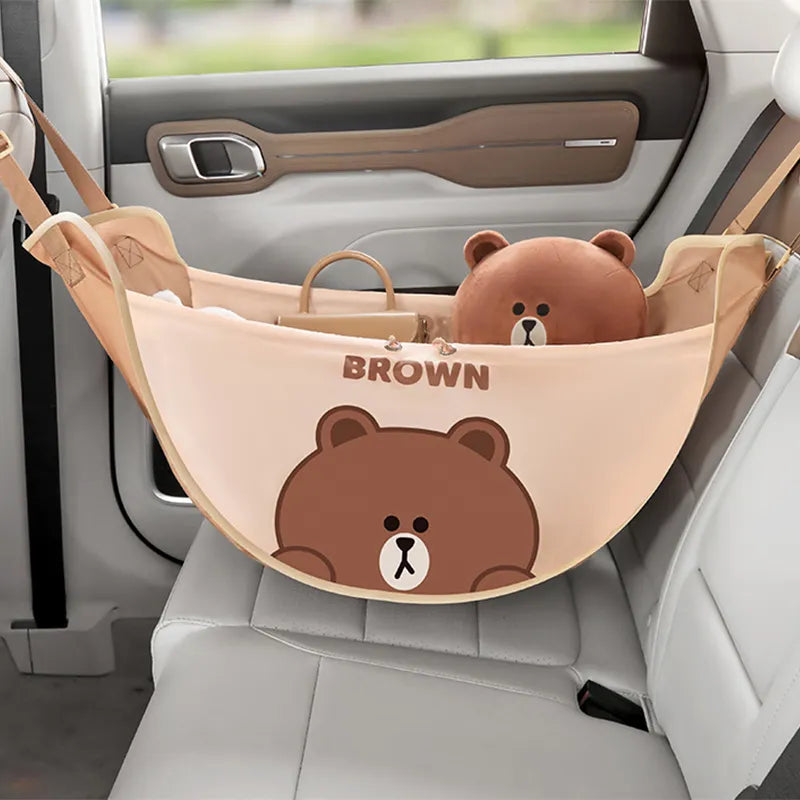
Treasured plush deserves to be seen. Group favourites on a shelf, a window seat (out of strong sunlight), a reading nook or a bed. A glass cabinet keeps dust off special pieces. For creative ideas, read our stuffed animal storage ideas.
Step 3: Store Keepsakes Carefully
Clean keepsakes and make sure they’re completely dry, then wrap them in acid-free tissue or a cotton bag and store them in a breathable box in a cool, dry room. Avoid sealed plastic, lofts and damp basements. Our guide on how to look after a plush toy collection covers long-term storage.
Step 4: Pass On or Donate
Clean, gently used plush can make someone else very happy. Options include:
- Friends and family with younger children.
- Charity shops that accept toys.
- Community groups and local “buy nothing” or swap groups.
- Specialist charities such as Stuffed Animals for Emergencies, which collects plush for children in difficult situations.
Always check each organisation’s current guidelines first. For hygiene reasons, many hospitals, shelters and emergency services only accept new plush, and some charity shops limit soft toys. Wash plush and check that seams, eyes and noses are secure before donating.
Step 5: Sell Collectible Plush
Limited editions, retired designs and vintage bears can have value to collectors. Keep original tags if you have them, take clear photos, describe the condition honestly and research recent sale prices before listing. For valuable or very old pieces, ask a specialist toy auction house or dealer.
Step 6: Upcycle Old Plush
Worn plush can find new life with a little creativity:
- Memory cushion or quilt: use fabric from several plush toys.
- Keychains and bag charms: small plush toys make cute accessories.
- Pet toys: remove eyes, buttons and small parts first, and supervise pets.
- Story props: plush characters can star in home-made puppet shows or stop-motion films.
- Art projects: photograph a plush collection or build a display that tells a story.
Step 7: Recycle What’s Beyond Use
Damaged plush shouldn’t be donated. Check whether your local textile recycling scheme accepts soft toys; some textile banks and collection programmes do, others don’t. Remove any batteries or electronic parts and dispose of them separately. If no textile recycling is available, the filling and fabric may have to go in general waste.
The Emotional Side of Letting Go
It’s completely normal to feel attached to old stuffed animals. They’re often linked to childhood, family members and important moments, so parting with them can bring up surprisingly strong feelings. Give yourself permission to keep the ones that matter, even if they’re worn. One helpful approach is to photograph plush before letting it go: a photo album or digital collection preserves the memory without needing the space. Another is to keep just one representative from a larger group, such as one bear from a set, to remember them all.
Helping Children Let Go
Children may resist giving away toys, even ones they haven’t touched in months. Let them lead: ask which plushies they’d like to keep, which might make another child happy, and which are “retired.” Explain where donated toys will go so the idea feels kind rather than sad. Never give away a child’s favourite without asking, as it can damage their trust. If they’re not ready, store the toys for a while and revisit later; many children are happy to let go once they’ve had time to think.
Reducing Plush Waste in the Future
The easiest way to avoid a mountain of unwanted plush is to choose fewer, better ones. Look for well-made toys with strong seams that will last for years, buy plush your child genuinely loves rather than impulse purchases, and use toy rotation so existing toys stay interesting. When buying gifts, ask parents what their child actually wants. A smaller collection of treasured plush is easier to care for and more likely to be kept.
Before You Let Go: Clean and Check
- Spot-clean or wash according to the care label.
- Dry completely to prevent mould.
- Check seams and secure any loose eyes or noses.
- Remove name tags or personal items.
For cleaning help, see how often to wash stuffed animals and how to clean giant stuffed animals.

Frequently Asked Questions
Can I donate used stuffed animals?
Often, yes, if they’re clean and in good condition. Some charities, hospitals and shelters only accept new plush, so check their guidelines first.
Can stuffed animals be recycled?
Sometimes. Some textile recycling schemes accept soft toys. Check your local scheme and remove any batteries or electronics first.
How do I decide which stuffed animals to keep?
Keep the ones with strong memories or that you love seeing, and let go of plush that no longer means much to you.
Are old stuffed animals worth money?
Some vintage, limited or collectible plush can be valuable, especially in good condition with original tags.
Should I throw away a child’s old stuffed animals?
Not without asking them. Involve your child in deciding what to keep, donate or store, and keep favourites as keepsakes.
How do I store stuffed animals I want to keep?
Clean and dry them, wrap them in acid-free tissue or cotton bags, and keep them in a breathable box in a cool, dry place.
Can old stuffed animals be given to pets?
Sometimes, but remove eyes, buttons and other small parts first, and always supervise pets with soft toys.
What can I make from old stuffed animals?
Memory cushions, quilts, keychains, bag charms, puppet-show props and supervised pet toys.
Make Room for New Memories
Letting go of a few old stuffed animals can make space for the ones that matter most. Store keepsakes in our plush toy storage, find new friends in our kawaii stuffed animals, read how to avoid having too many toys, or start at the My Heart Teddy homepage.