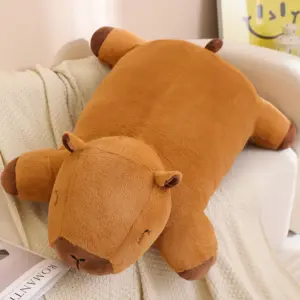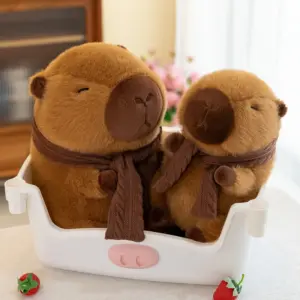
Teddy bears are so cute because their faces are designed around the same features that make human babies irresistible: a big round head, large low-set eyes, a short nose, chubby cheeks and a soft, rounded body. Scientists call this set of traits the “baby schema,” and research shows people respond to it almost instantly with warmth and a wish to care for it. Over the past century, teddy bears have actually become more baby-faced, which is part of why they feel so lovable today. Here’s the science of teddy bear cuteness, the history behind their famous faces, and why we keep loving them at every age.
Key Takeaways
- The “baby schema”, described by Konrad Lorenz in 1943, explains why big heads and big eyes look cute.
- Teddy bears evolved to look cuter: a 1985 study found their snouts got shorter and foreheads bigger over the 20th century.
- Buyers drove the change: a 1995 study found the youngest children didn’t especially prefer baby-faced bears, while older children and adults did.
- Softness and comfort add to the appeal: a teddy is pleasant to touch and hug.
- Meaning matters: teddies symbolise childhood, comfort, friendship and love.

What Makes Something Look Cute?
In 1943, the Austrian zoologist Konrad Lorenz described what he called the Kindchenschema, or “baby schema”: a set of physical features that adults find instinctively appealing because they mark something as young and in need of care. They include:
- a large head compared with the body
- a high, rounded forehead
- big eyes set low on the face
- a small nose and mouth
- round, chubby cheeks
- short, thick limbs and a soft, rounded body
Later brain-imaging research has found that baby-like faces quickly capture attention and activate regions linked to reward and caregiving. In other words, cuteness isn’t just a matter of taste; it taps into something deep in how people respond to the young. A teddy bear packs nearly every one of these features into one huggable shape.
Have Teddy Bears Always Looked This Cute?
No. The first teddy bears, made in 1902–1903 by Morris and Rose Michtom in the United States and by Richard Steiff in Germany, looked much more like real bears. They had long snouts, small eyes, long curved arms and a hump on their backs.
In 1985, researchers R. A. Hinde and L. A. Barden measured teddy bears made across the 20th century and found a clear trend: over the decades, snouts got shorter and foreheads got bigger. The bears were becoming more baby-like, and therefore cuter. A 1995 follow-up study by researchers Paul Morris, Vasudevi Reddy and R. C. Bunting found that the youngest children didn’t particularly prefer baby-faced bears, while older children and adults did. That suggests the trend was driven largely by the people buying the bears, who chose the cutest faces on the shelf.
| Feature | Early 1900s teddy | Modern teddy |
|---|---|---|
| Snout | Long and pointed | Short and rounded |
| Forehead | Low | High and domed |
| Eyes | Small boot buttons or glass | Larger, set lower on the face |
| Body | Long limbs, humped back | Round tummy, short limbs |
| Feel | Firm mohair and wood wool | Soft, squishy polyester plush |
Read the full story in our history of stuffed animals.

Why Softness Makes Teddy Bears Even More Lovable
Cuteness isn’t only visual. Teddy bears are made from soft plush and filled with springy fibre, so they feel pleasant to stroke and comforting to squeeze. That gentle touch adds to the sense of warmth and safety, which is why so many people reach for a teddy when they’re tired, upset or far from home.
What Teddy Bears Mean to Us
- Childhood: for many people, a teddy is one of their earliest memories and a symbol of being looked after.
- Comfort: children often treat a favourite bear as a “transitional object,” a comfort toy that helps them feel secure.
- Friendship: a teddy is a patient listener that never judges.
- Love and romance: bears holding hearts or roses are classic gifts between partners.
- Nostalgia: adults often keep childhood bears for decades.
Read why children can’t bear to get rid of their teddy bears and why children become so attached to stuffed animal toys.
The Kawaii Teddy: Cuteness Turned Up
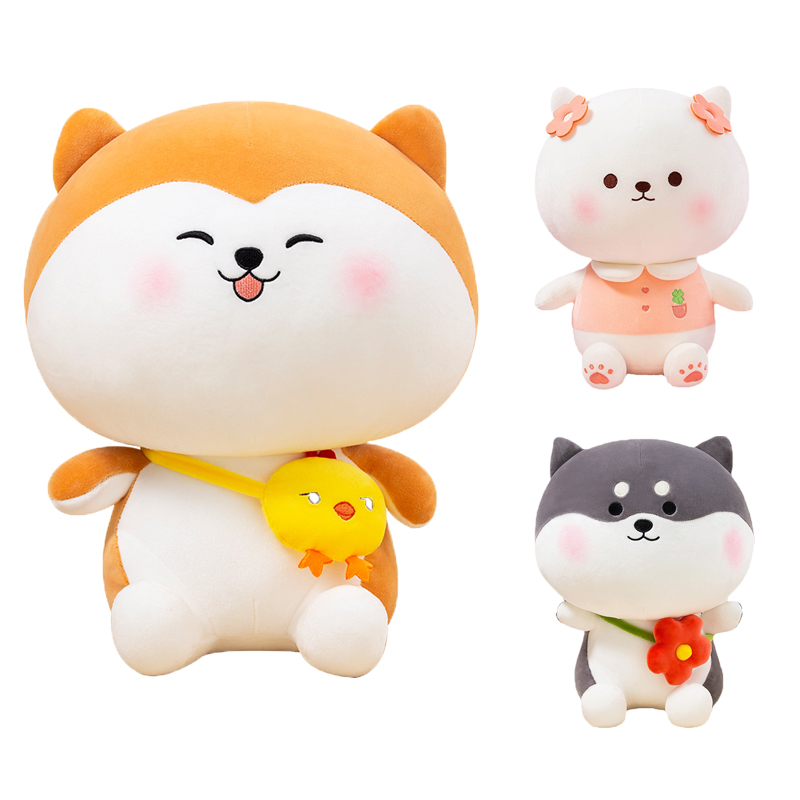
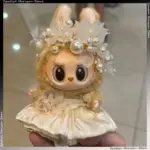
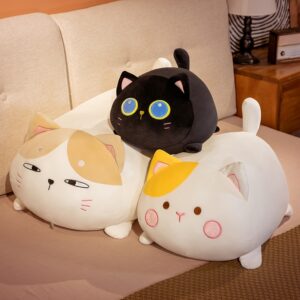
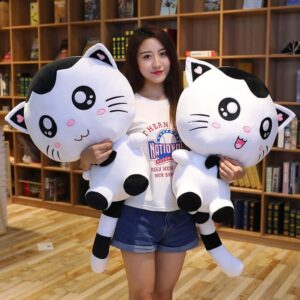
Japanese kawaii design takes the baby schema even further: even bigger heads, tiny dot eyes or huge sparkly ones, pastel colours and the smallest of mouths. Kawaii teddy bears often have almost no snout at all, which makes them read as even younger and cuter. Explore the style in our kawaii teddy bears guide and our article on the cutest plushie ever.

Why Teddy Bears Are Loved at Every Age
| Age | Why they love teddies |
|---|---|
| Toddlers | Comfort, cuddling and carrying a “friend” everywhere |
| Children | Pretend play, bedtime companionship, adventures |
| Teens | Room decor, comfort and nostalgia |
| Adults | Romantic gifts, collecting, stress relief and memories |
Grown-ups who still love bears are in good company; see why it’s OK to have a stuffed animal as an adult.
Why Colour Changes How Cute a Teddy Looks
Colour plays a part too. Soft, light shades such as cream, white, pale pink and baby blue are associated with babies and gentleness, so bears in these colours often look younger and sweeter. Classic honey and chocolate browns feel warm and nostalgic because they echo the first mohair teddies. Bright, bold colours read as playful and fun. When you choose a bear, think about the feeling you want it to give: soothing, traditional or cheerful. Colour is one of the easiest ways to make a gift feel personal.
How to Choose the Cutest Teddy Bear
- Look at the face first: a short snout, round head and big low eyes read as cutest.
- Squeeze it: softer plush and springy filling feel more huggable.
- Pick a colour with meaning: classic brown for nostalgia, white for softness, pink for romance.
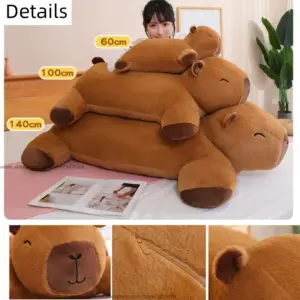
- Choose the right size: pocket bears for desks and bags, giant bears for big hugs.
- Add a story: give it a name; our teddy bear names guide has hundreds of ideas.
Popular picks include the White Teddy Bear (from $30.99), the Big Giant Teddy Bear (from $54.99) and the Teddy Bear with Heart (from $65.99).
Frequently Asked Questions
Why are teddy bears so cute?
They have “baby schema” features (a big head, large low eyes, a small nose and a round body) that people instinctively find appealing, plus soft fur that’s comforting to touch.
Did teddy bears always look like they do now?
No. Early 1900s bears had long snouts and limbs. A 1985 study found teddies became more baby-faced over the 20th century.
Why do adults like teddy bears?
For comfort, nostalgia, collecting and romance. Teddies are also classic gifts for partners and friends.
Who invented the teddy bear?
Morris and Rose Michtom in Brooklyn and Richard Steiff in Germany created teddy bears independently in 1902–1903. The name comes from US President Theodore “Teddy” Roosevelt.
What colour teddy bear is the cutest?
It’s personal, but soft light colours like cream, white and pale pink tend to look the sweetest, while classic brown feels the most nostalgic.
Why do people find baby faces cute?
Baby-like features signal youth and the need for care, and research shows they quickly grab our attention and trigger caring feelings.
Find Your Cutest Teddy
Ready to fall in love with a bear? Browse our teddy bears, kawaii teddy bears and kawaii bear collections, or start at the My Heart Teddy homepage.