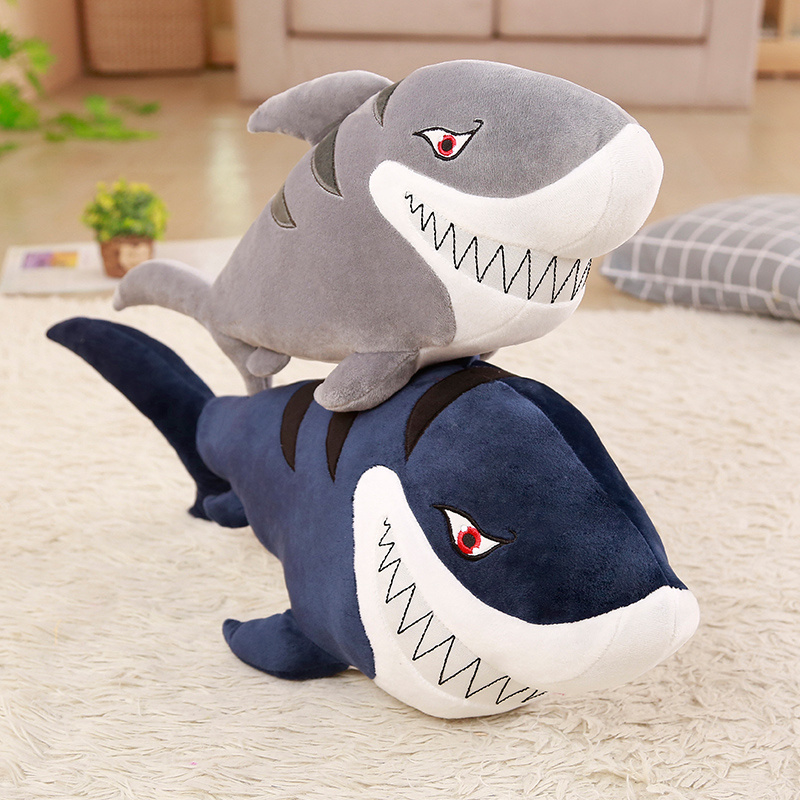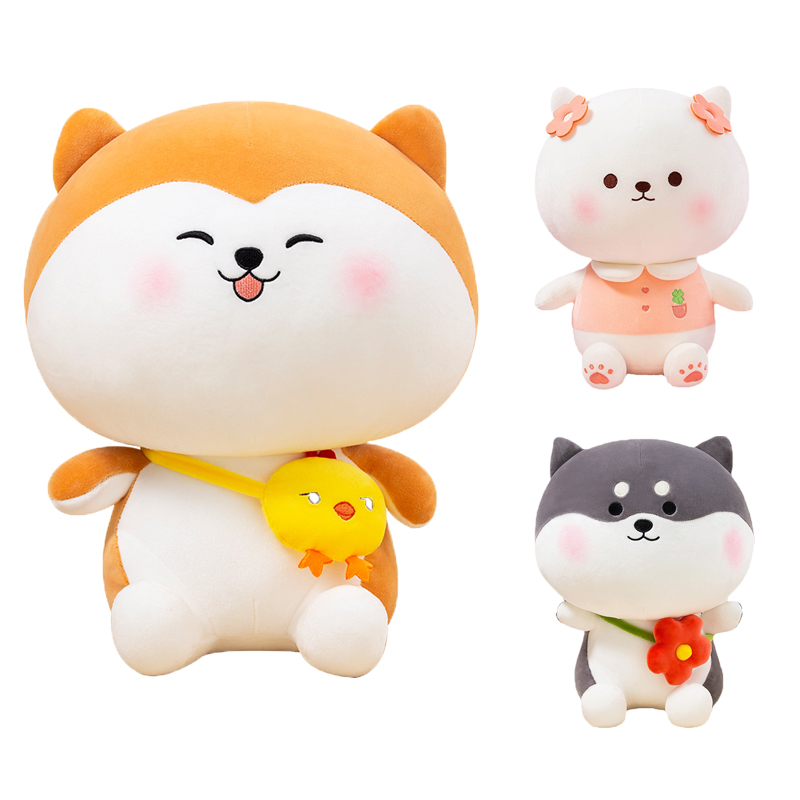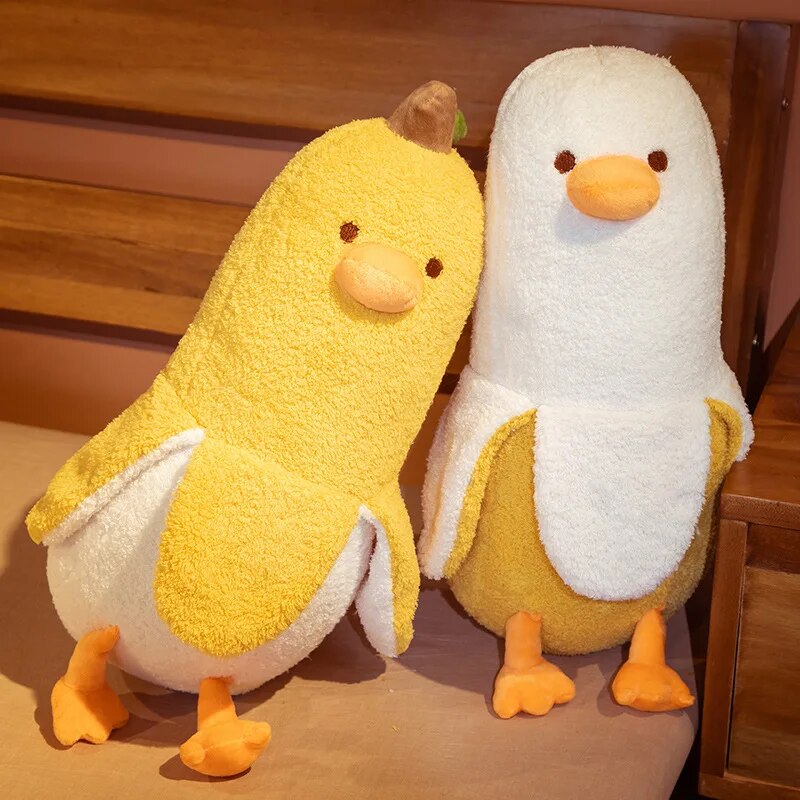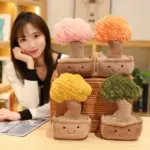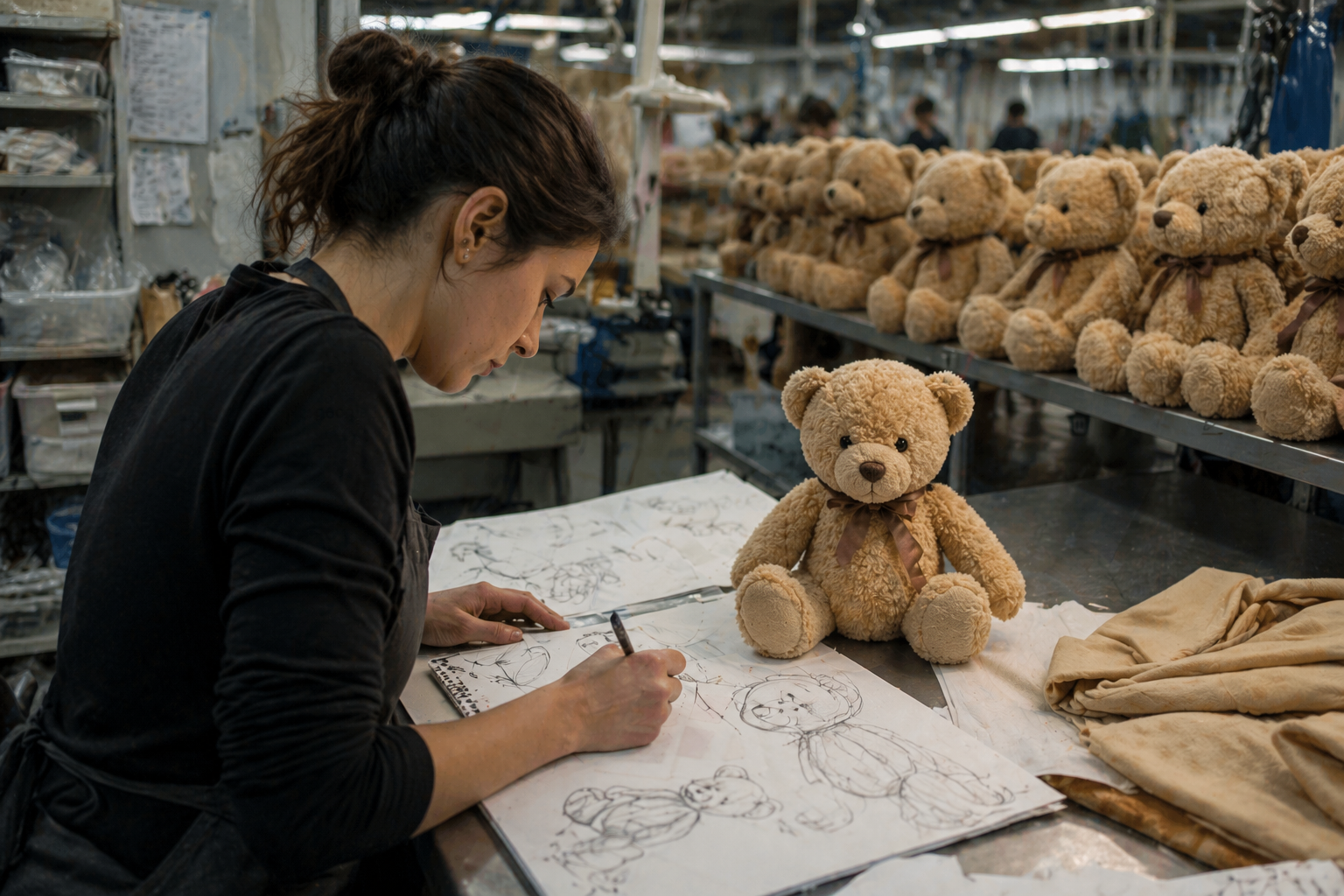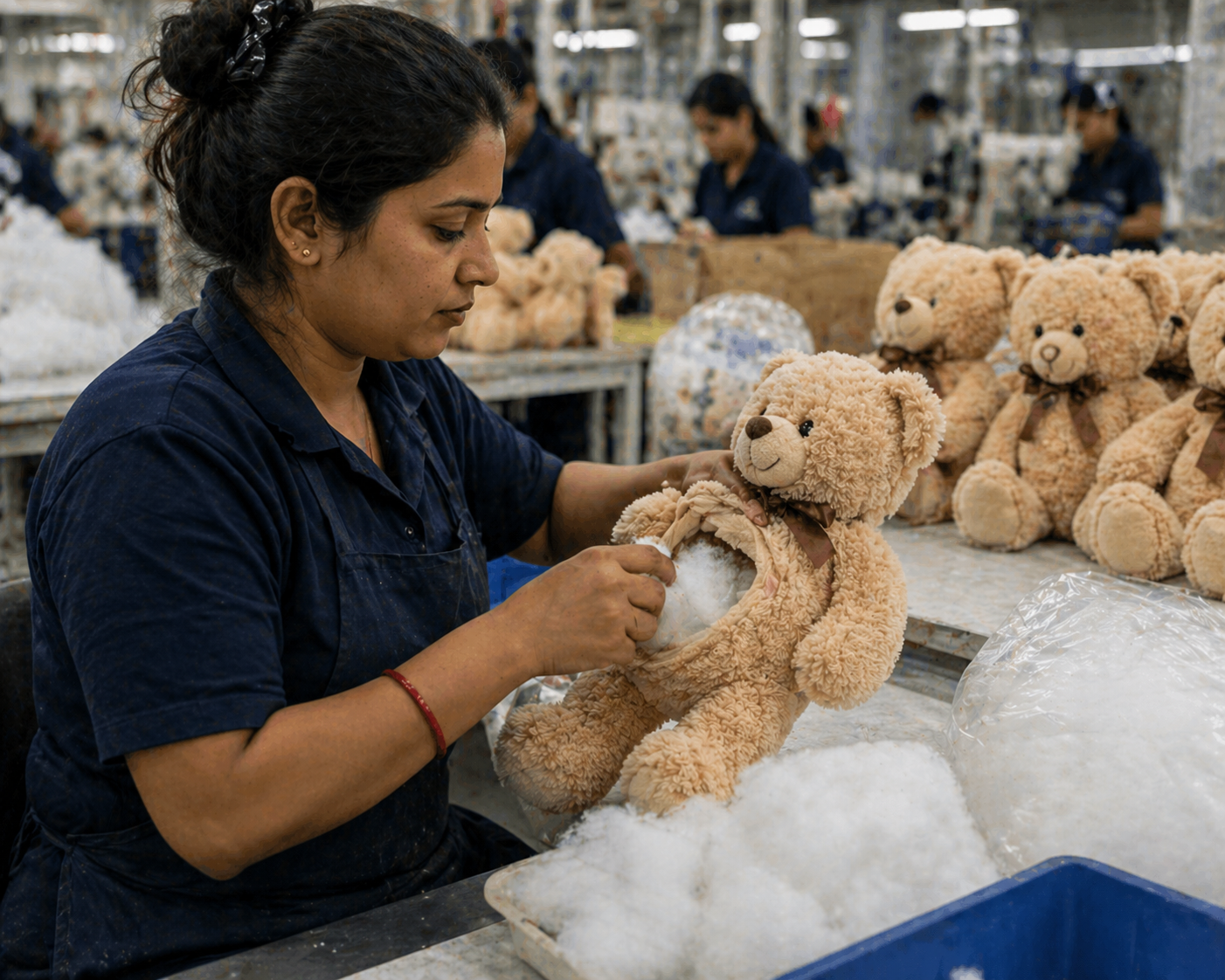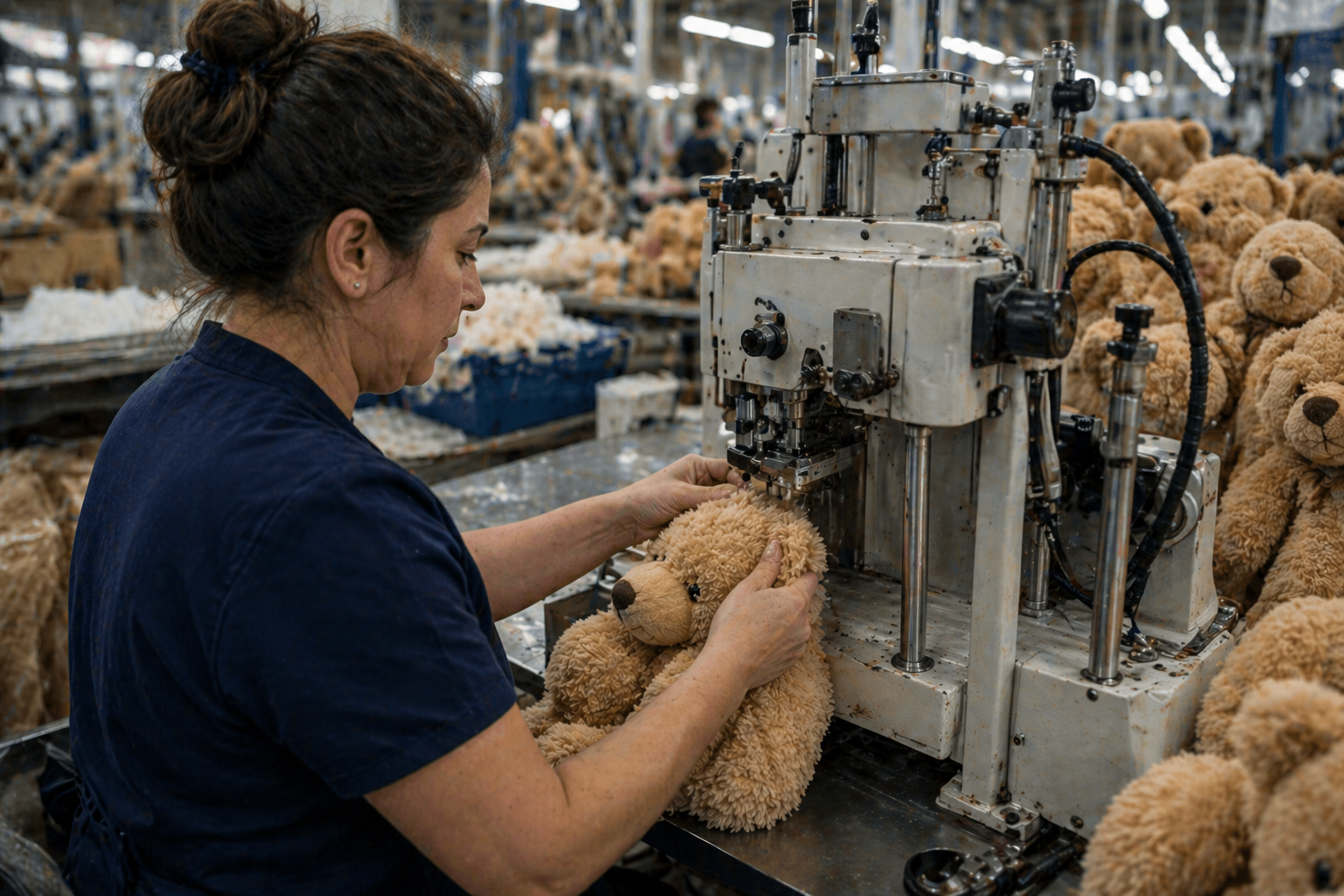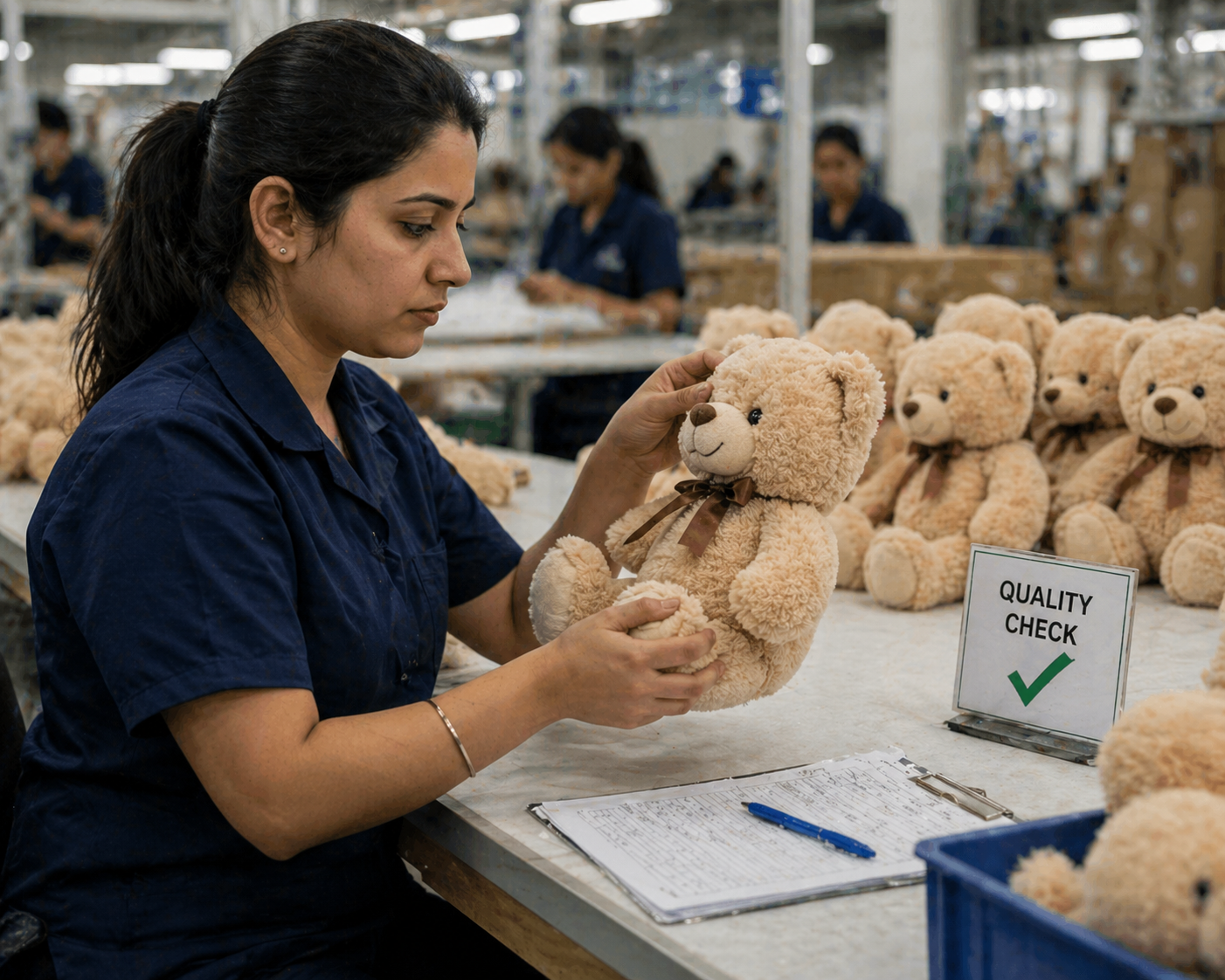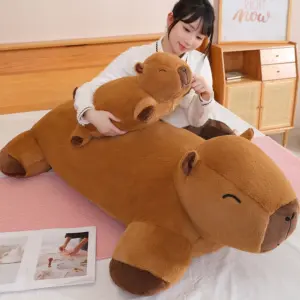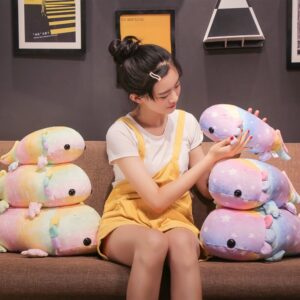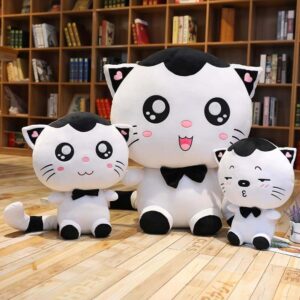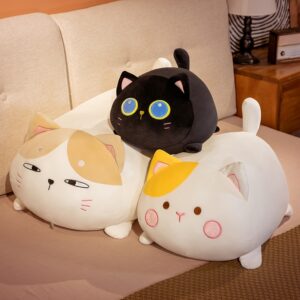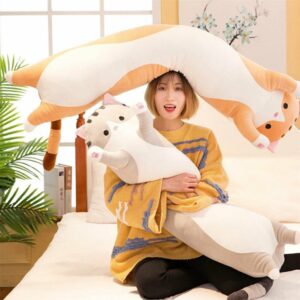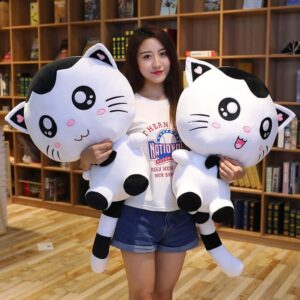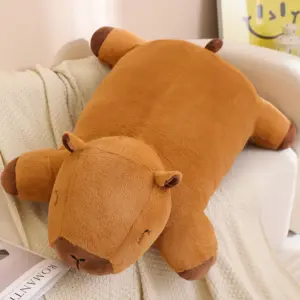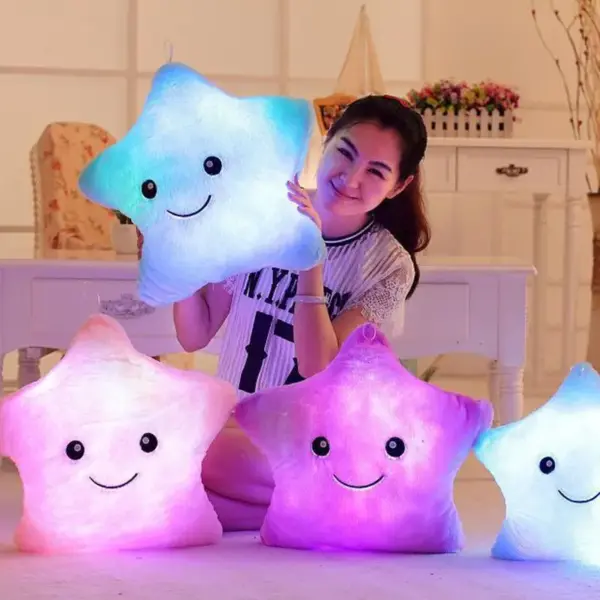

Plushies are soft stuffed toys covered in plush, a fabric with a long, fluffy pile. The word “plushie” simply comes from that fabric. Most plushies are animals or cartoon characters filled with soft polyester fibre, and people love them because they’re comforting to hug, cute to look at, fun to collect and full of personal meaning, whether that’s a childhood teddy, a gift from someone special or a favourite character. Here’s what plushies are, where they came from, the different types, and the real reasons people of every age love them.
Key Takeaways
- A plushie is a stuffed toy covered in plush fabric, usually filled with polyester fibre.
- Shop-bought plushies began in 1880 with Margarete Steiff’s felt elephant; the teddy bear followed in 1902–1903.
- People love them for comfort, cuteness, nostalgia and collecting.
- Types range from realistic animals to kawaii characters, food plush and giant body pillows.
- Plushies aren’t just for kids: adults buy them for comfort, decor and gifts.
Love cats? Our cat plush guide covers every type of cat stuffed animal, from long cats to chonky cats.

What Is a Plushie?
“Plush” is a textile with a raised, fluffy pile, similar to velvet but longer and softer. A plushie (also called a plush toy, soft toy, stuffed animal or “stuffie”) is any toy made from that fabric and stuffed with filling. Modern plushies are usually filled with polyester fibrefill or PP cotton, which keeps them light, springy and often machine-washable. Are plushies and stuffed animals different? Not really; the words overlap. Read plushies vs stuffed animals: what’s the difference?
History of Plushies
People have sewn soft toys at home for centuries; rag dolls stuffed with linen even survive from Roman-era Egypt. Plushies as a shop-bought product, however, have a clear starting point.
In 1880, Margarete Steiff, a seamstress from Giengen an der Brenz in Germany who had used a wheelchair since childhood polio, sewed a small felt elephant as a pincushion. Children wanted it as a toy, and it became the first product of the Steiff company, one of the oldest soft toy makers still in business today. Margarete Steiff never married; she ran the business with the help of her family, and her nephew Richard Steiff later designed one of the very first teddy bears.
The teddy bear arrived in 1902–1903, almost at the same time on both sides of the Atlantic. In Brooklyn, Morris and Rose Michtom sold “Teddy’s bear” after President Theodore Roosevelt refused to shoot a tied black bear during a hunt in Mississippi. In Germany, Richard Steiff’s jointed mohair bear was shown at the Leipzig Toy Fair in 1903. From there, plush toys spread around the world. For the full timeline, read our history of stuffed animals.
Why Do People Love Plushies?
- Comfort: soft fabric and squishy filling feel soothing to hold, especially when you’re tired or stressed.
- Cuteness: big heads, round bodies and small faces trigger the same caring response as babies, a set of features scientists call the “baby schema.”
- Security: for children, a favourite plush often becomes a comfort object that helps them feel safe at bedtime and in new places.
- Nostalgia: a childhood plushie carries memories, which is why many adults keep theirs for decades.
- Personality: characters and quirky designs let people express their interests and sense of humour.
- Collecting: themed sets, limited editions and character plush are fun to hunt for and display.
Read more in why teddy bears are so cute and why Gen Z is obsessed with plushies.
Types of Plushies
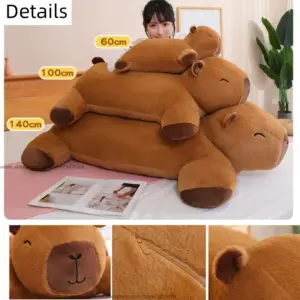
There are many kinds of plushies available today, including plushies that look like cartoon characters, animals or humans. They come in sizes from palm-sized keychains to medium, large and giant.
| Type | What it is | Example |
|---|---|---|
| Realistic animals | Lifelike versions of real animals | Siberian Husky Plush |
| Kawaii plush | Round, cute Japanese-style designs | Sumikko Gurashi Plush Large |
| Food plush | Snacks and fruit with faces | Giant Avocado Plush |
| Teddy bears | The classic soft bear | Classic Teddy Bear |
| Body pillows | Long plush for hugging in bed | Kawaii Long Cat Plush |
| Giant plush | Oversized cuddle buddies | Giant Capybara Plush |
| Weighted plush | Extra weight for a calming hug | Weighted Dinosaur Plush |
Some people collect plushies just for fun, while others keep them because they’re deeply attached to one special friend. Many people also enjoy making their own, from sewn felt animals to crocheted amigurumi.
Plushies Help Us Learn About Animals
Plushies can introduce children to animals they might never see up close. My Heart Teddy’s lifelike Giant Shiba Inu Plush, Kawaii Axolotl Plush or Siberian Husky Plush are good examples. The axolotl, for example, is a real salamander found in the wild only in the lakes and canals around Mexico City, where it is critically endangered, so a plush version is the closest most people will get to hugging one!

Are Plushies Only for Children?
Not at all. Adults buy plushies for comfort, as room decor, as gifts and as collectibles, and industry research tracks grown-ups as a major group of toy buyers. A plushie on the bed or desk is a small daily joy at any age. See the best stuffed animals for adults and why it’s OK to have a stuffed animal as an adult.
How to Choose a Plushie
- Pick a purpose: hugging, decor, gifting or collecting.
- Check the size in centimetres or inches.
- Feel the fabric (or read the description): short velvety plush is smooth; long fur is fluffier.
- Check the care label if it will be hugged every day.
- For young children, choose stitched features and no small parts.
How to Care for a Plushie
A well-loved plushie needs a little care to stay soft and fresh. Brush the fur gently every so often, spot-clean marks with mild soap and water, and wash it according to the label, letting it dry completely before cuddling again. Keep plush out of direct sunlight to stop colours fading, and store spare plushies in breathable bags rather than sealed plastic. For full instructions, see how often to wash stuffed animals and how to look after a plush toy collection.
Where to Buy Plushies
Plushies are now available in malls, shops, toy stores and online. Today plushies are so popular that websites like My Heart Teddy have been made just for them, with hundreds of designs and sizes to choose from. Our guide to where to buy stuffed animals compares your options.
Frequently Asked Questions
What is a plushie?
A soft stuffed toy covered in plush, a fabric with a long, fluffy pile, usually filled with polyester fibre.
Who made the first plushie?
Margarete Steiff made the first commercially successful soft toy, a felt elephant, in Germany in 1880.
Why do adults like plushies?
For comfort, nostalgia, decor, collecting and the simple joy of something cute and soft.
What is the most popular plushie?
The teddy bear is the classic favourite, while kawaii characters, capybaras, sharks and food plush are especially popular today.
What are plushies filled with?
Most modern plushies use polyester fibrefill or PP cotton. Weighted plush adds glass or plastic beads.
Find Your Favourite Plushie
As you can see, plushies have been loved for well over a century, ever since Margarete Steiff’s first felt elephant in 1880, and they are still as popular as ever. They offer comfort to the people who own them and joy to everyone who simply enjoys them. Explore our kawaii stuffed animals and collectible plushies, or start at the My Heart Teddy homepage. For a closer look at one Japanese favourite, read what Sumikko Gurashi means in Japanese.