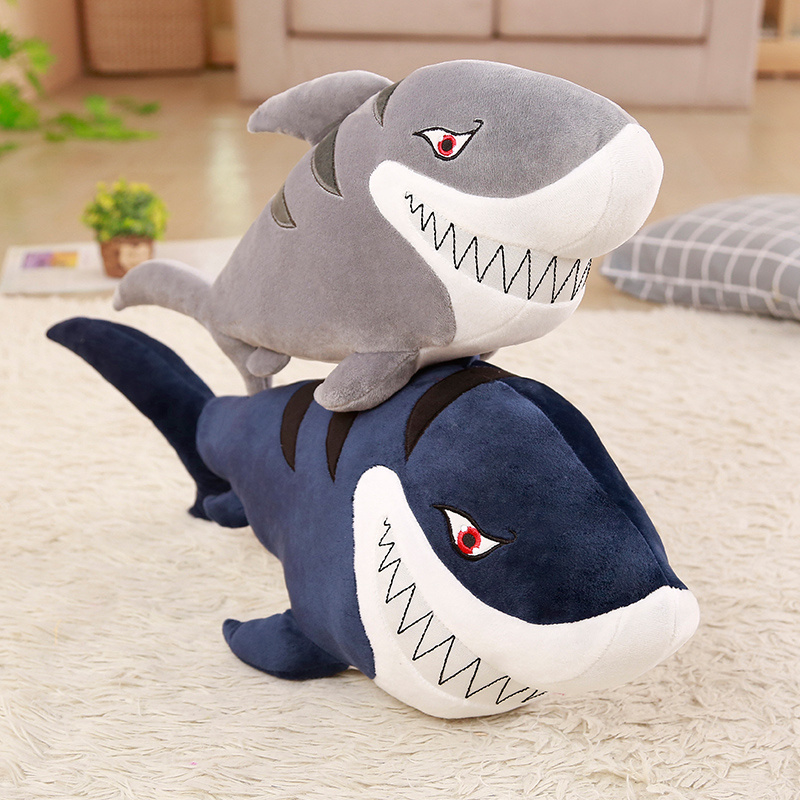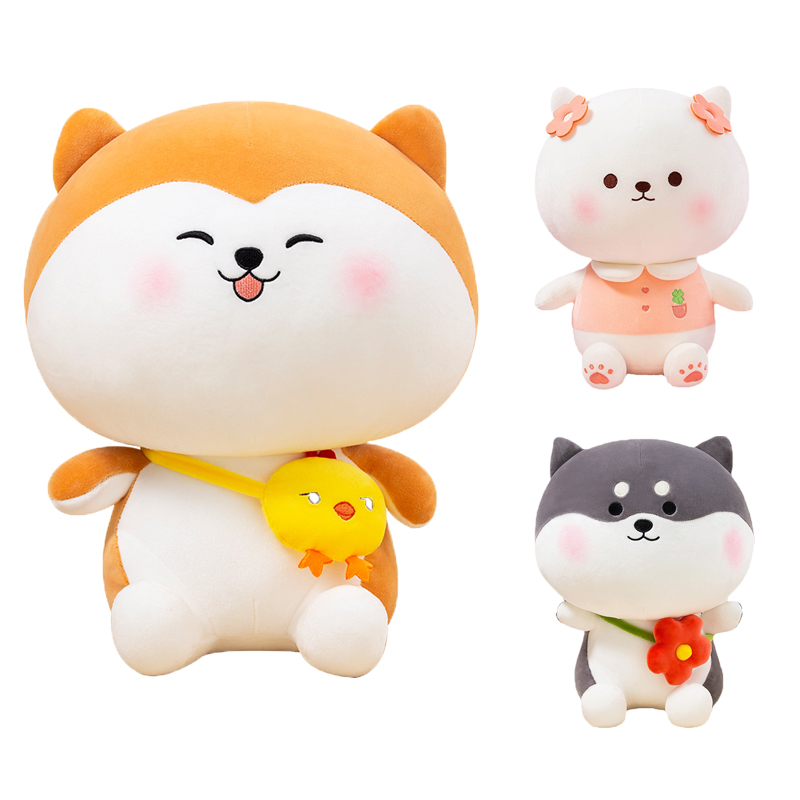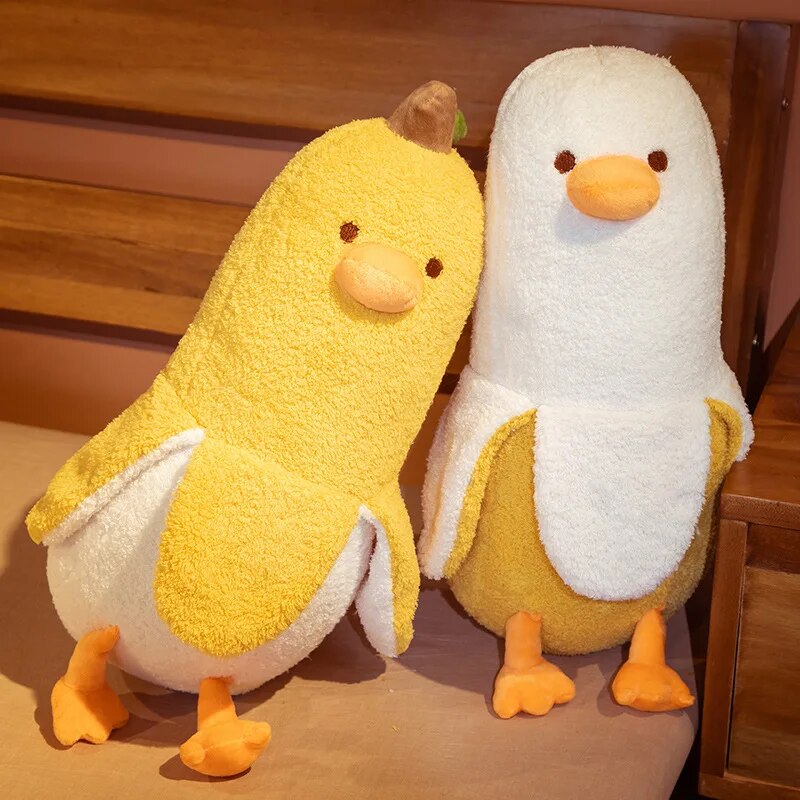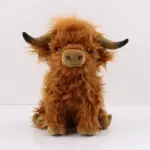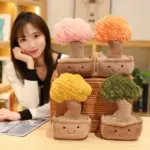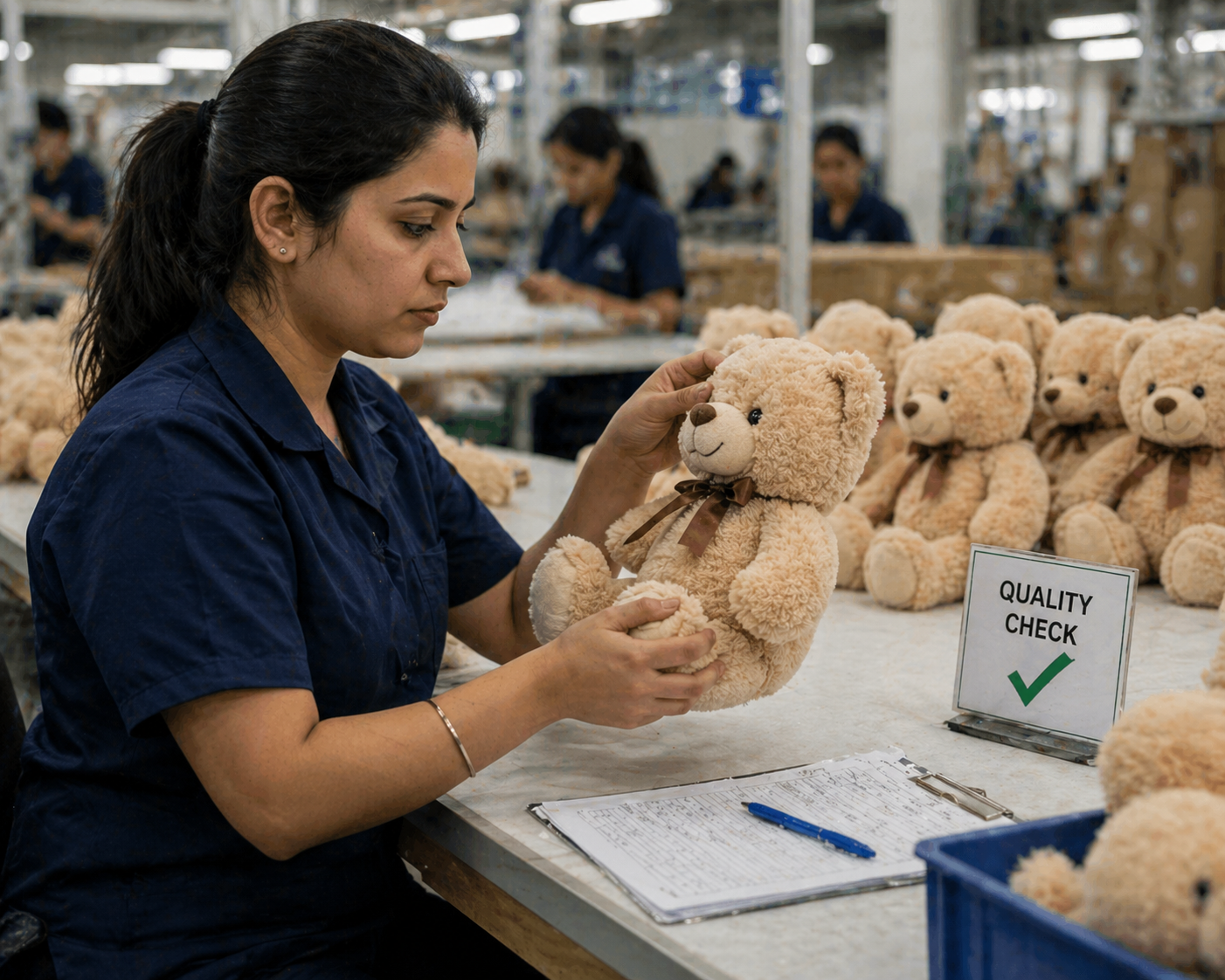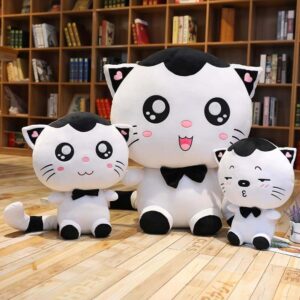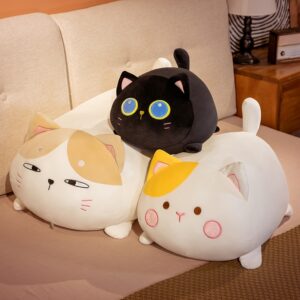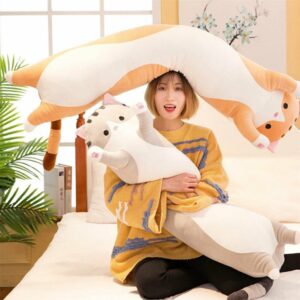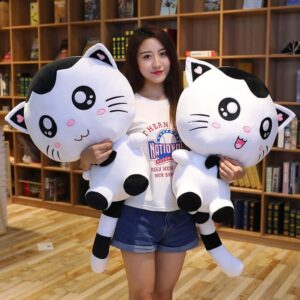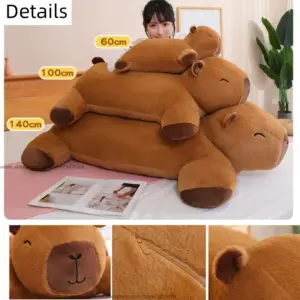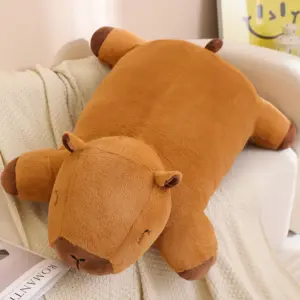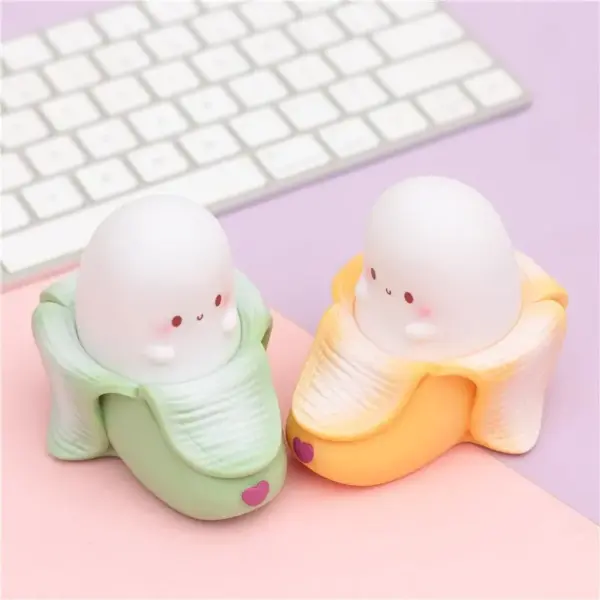
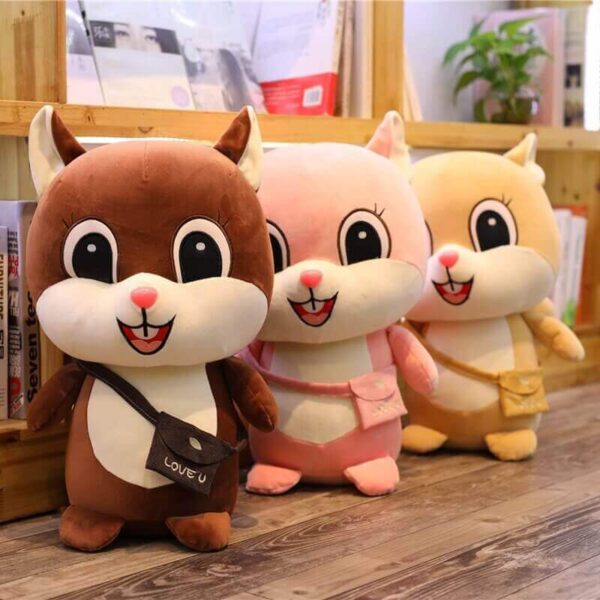
To start a plush animal toy collection, choose a theme you genuinely love (a favourite animal, a character family, food plush or a colour palette), set a budget, decide on the sizes you have room for, and plan where you’ll display your plushies before you buy too many. Most collectors begin with one or two favourites and grow from there, mixing everyday plush with the occasional limited edition. Collecting is about nostalgia, joy and the fun of the hunt, so there’s no wrong way to do it. Here’s a step-by-step guide to starting, organising and caring for a plush collection you’ll love for years.
Key Takeaways
- Pick a theme to keep your collection focused and satisfying.
- Understand classic vs limited: open-release plush is easy to find; limited editions sell out.
- Plan your space and choose sizes to match.
- Set a budget so collecting stays fun.
- Display and protect your plush from sunlight, damp and dust.
Why Do People Collect Plushies?
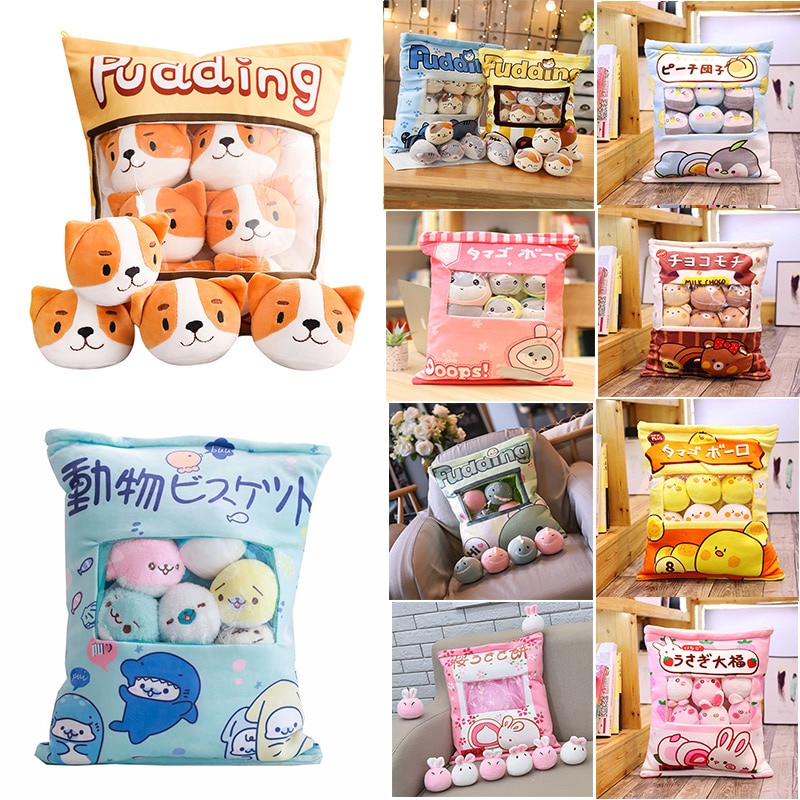
Plush collections aren’t really about function; they’re about feeling. Many plushies recreate animals and characters from films, games and cartoons, so they bring back memories of childhood or a series that meant a lot to us. Others are simply joyful to look at and hold. Collectors also enjoy the “hunt” for a rare piece, the satisfaction of completing a set and the way a collection reflects their personality. For a closer look at why grown-ups love plush, read why Gen Z is obsessed with plushies.
Step 1: Choose Your Collection Theme
A theme gives your collection a story and stops it becoming a random pile. Popular themes include:
- One animal: every kind of bear, bunny, shark, frog or capybara.
- One character family: a Japanese character series or a favourite film.
- Food plush: sushi, bread, fruit and desserts with faces.
- Colour palette: all pastel, all white or a rainbow display.
- Size: a mini collection that fits on one shelf, or a few giant pieces.
- Seasonal: plush for Easter, Halloween, Christmas and Valentine’s Day.
Need inspiration? See what the cutest plushie ever is, what a boba tea plush is and what Sumikko Gurashi means in Japanese.
Step 2: Classic or Exclusive?
Plush releases fall into two broad groups. Classic or open-release plush stays on sale for a long time, so it’s easy to buy and replace. Limited or exclusive plush is made in smaller numbers, sold only at certain shops, events or seasons, or retired after a while. Once it’s gone, the only way to find it is second-hand. A good approach is to build your base from classic plush you love and add a few limited pieces as special treats.
Step 3: Think About Size
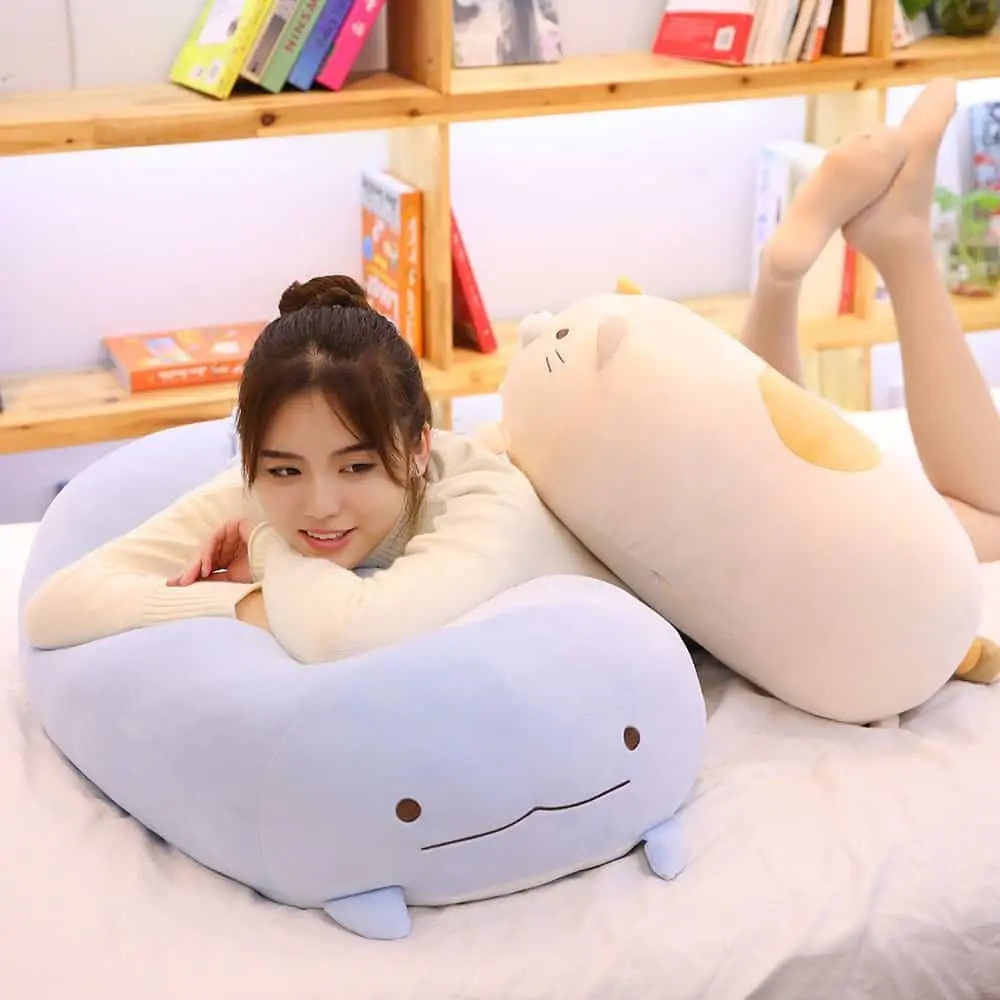
Plush comes in every size, from keychains of about 10 cm to giant pieces over a metre tall. Mixing sizes can look great, but giant plush takes up a lot of space quickly. Decide whether you want a compact collection of minis and mediums, a few statement giants such as the Big Giant Teddy Bear (from $54.99), or a mix of both. For big pieces, read our giant stuffed animal buying guide.
Step 4: Set a Budget
Collecting is more fun when it doesn’t cause money worries. Decide how much you’ll spend each month, prioritise pieces you truly love, and keep a wishlist so you don’t impulse-buy. Remember that limited editions and second-hand rarities can cost much more than their original price.
Step 5: Plan Your Shelves and Space
Before your collection grows, decide where it will live. Open shelves are easy to rearrange, while a glass display case keeps dust off and makes the collection look polished. Hanging nets and ledges work well in small rooms. Wherever you display plush, keep it out of direct sunlight to prevent fading. A sturdy unit like the Wood Kids Toy Shelf (from $132.99) gives you room to grow. More ideas are in our stuffed animal storage ideas.
Step 6: Bag On or Bag Off?
Some collectors keep plush in its original bag or packaging, especially limited editions, because packaging and tags can matter for value. Others prefer to display plush freely so they can enjoy and cuddle it. Both are fine. If you keep packaging, store it flat and clean; if you display plush loose, keep the tags attached if you think you might ever sell or trade.
Step 7: Keep Records
As your collection grows, a simple list or spreadsheet helps: name, series, size, where and when you bought it, and what you paid. Photos are useful for insurance and for spotting gaps in a set. It’s also fun to look back on how your collection has grown.
Where to Find Plush for Your Collection
Collectors use a mix of sources. Specialist plush shops carry the widest range of everyday designs and sizes, official character stores stock licensed and limited releases, and second-hand markets and collector groups are the place to track down retired pieces. When buying second-hand, ask for clear photos of tags and seams, check the condition carefully and be cautious of prices that seem too good to be true for rare items. Our guide to where to buy stuffed animals compares your options.
Collection Ideas to Get You Started

Caring for Your Collection
Dust your plush every week or two with a soft brush or lint roller, spot-clean marks with mild soap and water, keep the collection away from sunlight and damp, and store spare pieces in breathable cotton bags rather than sealed plastic. Our full guide on how to look after a plush toy collection covers everything.
Frequently Asked Questions
How do I start a plush collection?
Pick a theme you love, set a budget, choose sizes that suit your space and buy one or two favourites to begin.
Should I keep plush in its packaging?
It’s personal. Keeping packaging and tags can help limited editions hold their value; displaying plush loose lets you enjoy it more.
What is a limited-edition plush?
A plush made in smaller numbers or sold for a short time, which often becomes harder to find later.
How do I display a plush collection?
Use open shelves, a glass cabinet, ledges or hanging nets, grouped by theme, and keep it out of direct sunlight.
Can adults collect plushies?
Yes. Many plush collectors are adults who collect for nostalgia, comfort, decor or love of a character series.
How much does it cost to collect plush?
It depends on your theme. Everyday plush can be very affordable, while rare and limited pieces cost more. Setting a monthly budget keeps collecting fun.
Start Your Collection Today
Every great collection starts with one plushie. Explore our collectible plushies, matching plushies and kawaii stuffed animals, read our anime plush collection guide, or start at the My Heart Teddy homepage.