What Is Kawaii Fashion?
Kawaii fashion is an umbrella term for Japanese street styles built around cuteness as a deliberate aesthetic choice. The word kawaii (可愛い) translates roughly as “cute” or “loveable,” but in fashion it describes something more specific: clothing that favours softness, playfulness, and emotional expression over sophistication or restraint.
What makes kawaii fashion unusual is that it is not one look. It is a family of substyles, each with its own palette, silhouette, and mood — some sugary, some genuinely dark, some quiet and rustic. A pastel-clad Fairy Kei outfit and a black-lace Gothic Lolita coordinate are both kawaii, and they share almost no visual DNA.
This guide covers 20 kawaii substyles, grouped into six families so the relationships between them make sense. For a deeper dive into styling, wardrobe building, and accessories, see our full Kawaii Fashion guide.
How the 20 Kawaii Substyles Fit Together
Most kawaii substyles descend from a handful of roots. Understanding the families makes the whole landscape easier to navigate:
- Pastel & Dreamy — soft palettes, nostalgic and gentle: Fairy Kei, Yume Kawaii, Tenshi Kawaii, Larme Kei
- Dark & Emotional — cuteness with a shadow: Yami Kawaii, Menhera Kei, Pastel Goth, Jirai Kei
- Maximalist — more is more: Decora, Dark Decora, Decora Lolita
- The Lolita Family — structured, historical silhouettes: Sweet, Gothic, Classic
- Vintage & Storybook — antique and folkloric: Mori Kei, Dolly Kei, Cult Party Kei, Otome Kei
- Princess & Avant-Garde — polished or experimental: Himekaji, Shironuri
Pastel & Dreamy Kawaii Substyles
1. Fairy Kei
Fairy Kei is built on 1980s toy nostalgia — faded pastels, oversized vintage sweaters, tulle skirts, and cartoon motifs. The palette stays deliberately washed out rather than saturated, giving the whole look a sun-bleached, half-remembered quality. It is one of the most accessible entry points into kawaii fashion because so much of it works with ordinary separates.
Signature pieces
Oversized pastel sweaters, tulle or pleated skirts, chunky white trainers, star and rainbow motifs. Browse Fairy Kei pieces to start.
2. Yume Kawaii
Yume kawaii translates as “dream cute.” It shares Fairy Kei’s pastel foundation but pushes further into the surreal: clouds, stars, moons, and hazy gradients that blur the edges of a silhouette. Where Fairy Kei looks backwards to childhood toys, Yume Kawaii looks inwards to dreams.
Signature pieces
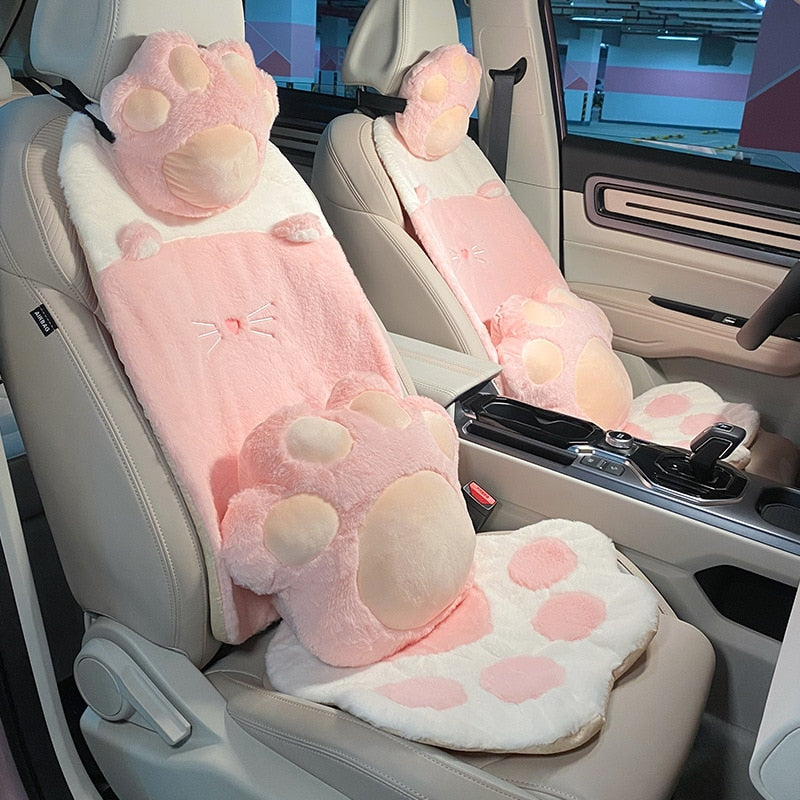
Cloud and star prints, gradient fabrics, pastel hair, soft plush accessories carried as part of the outfit.
3. Tenshi Kawaii
Tenshi means “angel,” and this substyle commits to it — near-white palettes, wings, halo motifs, sheer and floaty fabrics. Tenshi Kawaii is quieter and more refined than most kawaii styles, aiming for an ethereal luminosity rather than playfulness.
Signature pieces
White and cream layers, sheer overlays, lace, wing or halo details, minimal contrast. A White Lace Princess Dress suits this direction well.
4. Larme Kei
Larme Kei is the most grown-up substyle here — a dainty, feminine look popularised by a Japanese girly-fashion magazine and aimed at women in their twenties. It blends French-girl restraint with kawaii softness: dusty pinks, sheer blouses, velvet, and a general air of delicate melancholy. In Japan it is usually just called “girly fashion.”
Signature pieces
Sheer blouses, velvet and satin, dusty rose and cream, delicate jewellery, soft curls.
Dark & Emotional Kawaii Substyles
5. Yami Kawaii
Yami means “sick” or “ill.” Yami Kawaii deliberately pairs cute pastel visuals with imagery of illness and mental distress — bandages, syringes, pills, and text that undercuts the sweetness. It emerged as a way of making invisible struggles visible, and for many wearers the style is a genuine form of expression rather than shock value.
Signature pieces
Pastel pinks and lilacs, medical motifs, bandage accessories, contrasting cute-and-bleak slogans.
6. Menhera Kei
Closely related to Yami Kawaii and often confused with it, Menhera Kei leans harder into the medical side. The palette is typically softer and the styling more casual, but the themes overlap. The clearest distinction: Menhera tends toward the clinical, Yami toward the emotional.
Signature pieces
Pastel hospital-inspired pieces, cross motifs, oversized cardigans, plush accessories.
7. Pastel Goth
Pastel Goth splits the difference between gothic and kawaii: black as the structural base, pastels as the accent. Expect platform boots and spikes alongside lilac hair and pink lace. It is one of the most internationally popular kawaii substyles because it reads clearly outside Japan.
Signature pieces
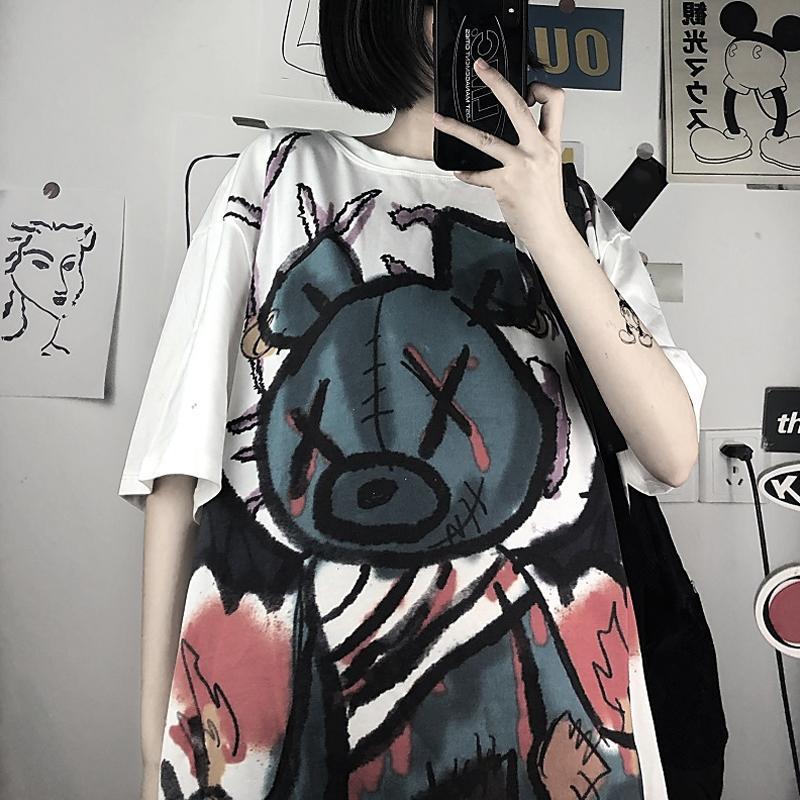
Black with pastel accents, platform boots, crosses and bats, mesh layers. See the Pastel Goth Maiden Dress or a Gothic Anime T-Shirt.
8. Jirai Kei
Jirai Kei — literally “landmine type” — rose to prominence in the late 2010s. It uses a tight, dark girly palette of black, white, and red, with ribbons, frills, and heavy eye makeup. The name is Japanese slang and carries loaded connotations, but as a visual style it is precise, monochromatic, and instantly recognisable.
Signature pieces
Black-and-red or black-and-pink coordinates, ribbon detailing, ruffled blouses, platform shoes. An Elegant Black Knitted Mini Dress works as a base layer.
Maximalist Kawaii Substyles
9. Decora
Decora is kawaii at maximum volume. The rule is simply more: dozens of hair clips, stacked bracelets, layered necklaces, clashing primary colours. A finished Decora outfit can carry a hundred accessories, and the effect is joyful rather than chaotic once assembled with intent.
Signature pieces
Hair clips in bulk, plastic toy jewellery, layered socks, bright primary colours, character patches.
10. Dark Decora
Dark Decora keeps the layering obsession but swaps the palette for black, deep purple, and blood red. Skull charms and gothic hardware sit beside plastic toys and hair clips, producing a look that is simultaneously maximalist and menacing.
Signature pieces
Black base layers, gothic charms mixed with toy accessories, studded belts, dark layered socks.
11. Decora Lolita
A crossover substyle: the structured Lolita silhouette — petticoat, bell skirt, blouse — decorated with Decora’s accessory overload. Traditionalists consider it a rule-break, which is largely the point.
Signature pieces
Lolita jumperskirt or one-piece, petticoat, plus stacked clips and layered jewellery.

The Lolita Family
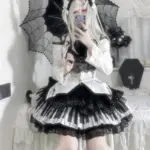
Lolita is the most structured branch of kawaii fashion, defined by a knee-length bell or A-line skirt held out by a petticoat, modest coverage, and coordinated accessories. We cover its origins in depth in our guide to the history of Lolita fashion and its different styles.
12. Sweet Lolita
The most recognisable Lolita substyle: pastel pinks, mints and creams, with prints featuring sweets, fruit, bows, and small animals. Silhouettes are rounded and the styling is unapologetically playful.
Signature pieces
Pastel jumperskirts, novelty prints, headbows, ankle socks, rounded Mary Janes.
13. Gothic Lolita
The same silhouette rendered in black, deep burgundy, and midnight blue, with Victorian mourning motifs — crosses, bats, ornate crucifix jewellery. Lace is black rather than ivory and makeup is heavier.
Signature pieces
Black lace, crosses and bats, ornate jewellery, the Gothic Lolita Lace Skirt.
14. Classic Lolita
The most restrained Lolita substyle — muted dusty rose, sage, wine and cream, with florals and small repeating patterns rather than novelty prints. Silhouettes often follow a softer A-line. Popular with adult wearers who want the structure without the sugar.
Signature pieces
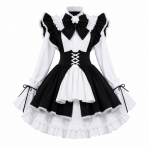
Muted florals, A-line skirts, refined tailoring, an Elegant Victorian Maid Dress.
Vintage & Storybook Substyles
15. Mori Kei
Mori means “forest,” and the style imagines someone who lives in one. Loose natural-fibre layers, earthy creams and browns, chunky knits, and flat boots. Mori Kei is the least ornamented kawaii substyle — its cuteness comes from softness and volume rather than decoration.
Signature pieces
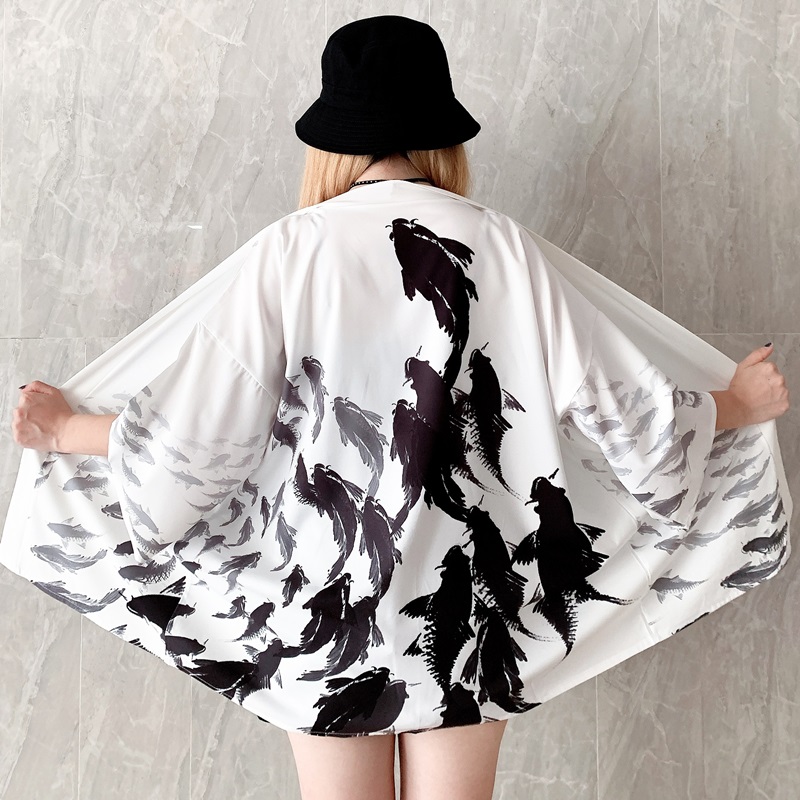
Layered cotton and linen, oversized knits, earth tones, flat boots, a Women’s Kimono Cardigan as an outer layer.
16. Dolly Kei
Dolly Kei draws on European antique dolls, fairy tales, and folk dress. Outfits combine vintage lace, tapestry prints, religious medallions, and heavy jewel tones into something that looks pulled from an old storybook illustration.
Signature pieces
Vintage lace, tapestry and folk prints, deep jewel tones, antique-style jewellery.
17. Cult Party Kei
Characterised by multiple sheer layers, ivory and white palettes, and religious imagery used decoratively. The silhouette is soft and unstructured, with layer upon translucent layer creating depth rather than volume.
Signature pieces
Sheer white layers, lace slips, crosses and rosaries as ornament, soft unstructured shapes.
18. Otome Kei
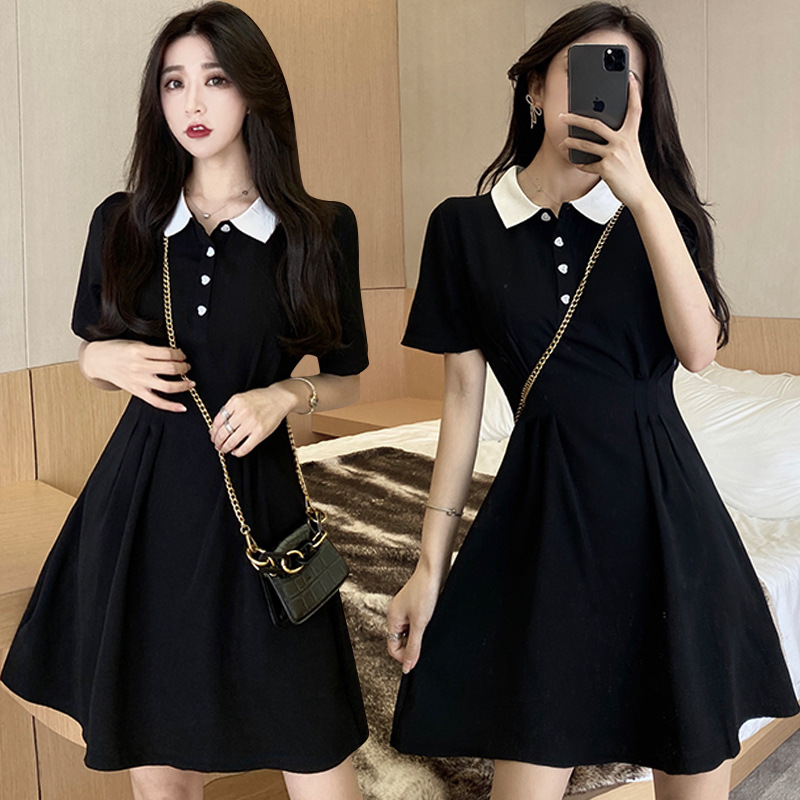
Otome means “maiden.” This substyle sits between Lolita and ordinary retro clothing — ruffles, embroidery, ribbons and bold colour combinations, but without the petticoat. It is comfortably wearable day to day, which makes it a common landing point for people leaving stricter styles.
Signature pieces
Retro-cut dresses, embroidery and ribbon trim, Peter Pan collars, no petticoat required.

Princess & Avant-Garde Substyles
19. Himekaji
Himekaji — “princess casual” — is the everyday version of full princess styling. It keeps the frills, pale pinks, and soft curls but pairs them with denim, cardigans, and ordinary casual pieces. Far lower maintenance than its more elaborate relatives, and easy to wear outside a fashion context.
Signature pieces
Frilled blouses, pale pink knits, denim, pearl accessories, soft waves. Pair a Strawberry Cow Oversized Hoodie with a pleated skirt for a casual take.
20. Shironuri
Shironuri means “painted white,” and the defining feature is exactly that: a full white-painted face. Beyond the makeup, there are no rules — outfits range from antique Victorian to sculptural avant-garde. It is the most artistic and least commercial substyle on this list, closer to wearable art than daily dress.
Signature pieces
White face paint, dramatic vintage or sculptural garments, elaborate headpieces, bold accessories.
How to Choose Your Kawaii Substyle
With twenty options, the useful question is not “which is best” but “which matches how I already want to feel.” A few practical filters:
- Start from palette. If you already own mostly black, Pastel Goth or Jirai Kei will be far cheaper to build than Fairy Kei.
- Consider maintenance. Decora and Shironuri take real time to assemble. Himekaji and Otome Kei can be worn to work.
- Check the silhouette commitment. The Lolita family needs a petticoat to read correctly; most other substyles do not.
- Try one signature piece first. A single hoodie, skirt, or accessory tells you more than a full coordinate.
Building a Kawaii Wardrobe That Works Across Substyles
Several pieces earn their place regardless of which direction you take. An oversized pastel hoodie such as the Frog Hoodie or Bunny Hoodie anchors Fairy Kei, Yume Kawaii and Himekaji equally well. A pleated skirt works from Otome Kei to Decora. Neutral blouses layer under almost anything.
Accessories do the heavy lifting in kawaii fashion — the same dress reads as Sweet Lolita or Otome Kei depending entirely on whether you add a headbow and petticoat. Start with versatile Kawaii Clothing basics, then let Kawaii Wigs and Kawaii Makeup define the substyle. For more on assembling a full wardrobe, see our Kawaii Clothing Guide.
Frequently Asked Questions About Kawaii Substyles
How many kawaii substyles are there?
There is no fixed number. This guide covers 20 well-documented substyles, but new ones emerge regularly and several overlap heavily. Kawaii fashion is a living subculture, not a closed list.
What is the difference between kawaii fashion and Harajuku fashion?
Harajuku is a district in Tokyo where many of these styles developed, so “Harajuku fashion” describes where they come from rather than a single look. Kawaii fashion describes the aesthetic itself. Our guide to Harajuku fashion covers the district’s role in more detail.
Can adults wear kawaii fashion?
Yes. Substyles such as Larme Kei, Classic Lolita, Mori Kei and Himekaji are specifically popular with adult wearers. We wrote more about this in reasons you’re never too old for kawaii fashion.
Is kawaii fashion the same as cosplay?
No. Cosplay recreates a specific existing character. Kawaii fashion is personal style with no character attached, assembled to the wearer’s own taste and worn in ordinary life.
Which kawaii substyle is easiest for beginners?
Fairy Kei, Himekaji and Otome Kei are the most forgiving. All three work with ordinary separates, need no petticoat, and can be built gradually from pieces you may already own.
Do I need to commit to one substyle?
Not at all. Many wearers move between substyles by season or mood, and crossovers like Decora Lolita exist precisely because people mix them.
Final Thoughts
Kawaii fashion rewards curiosity more than it rewards spending. The twenty substyles here span pastel dreaminess, genuine darkness, maximalist layering, historical structure, and wearable art — and almost all of them can be approached one piece at a time.
Pick the family whose mood matches yours, buy a single anchor piece, and build outward. Browse Kawaii Clothing and Kawaii Dress collections at My Heart Teddy to find your starting point.