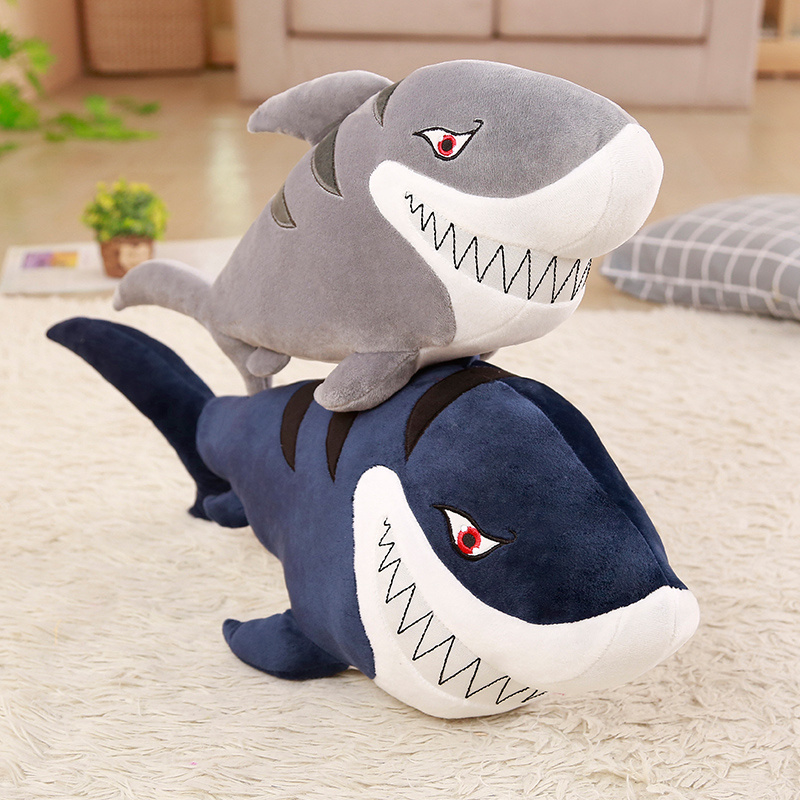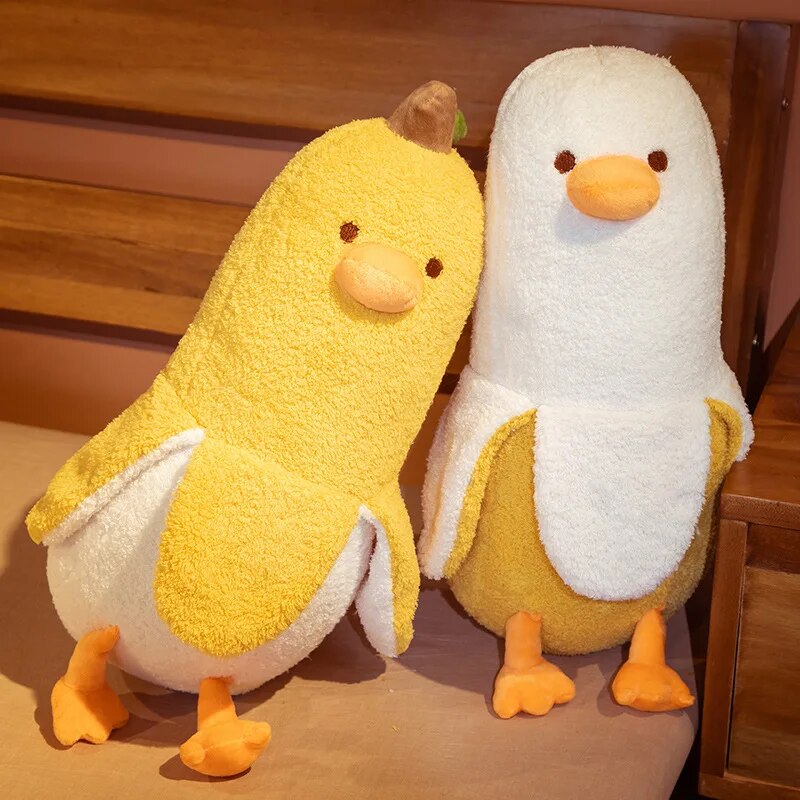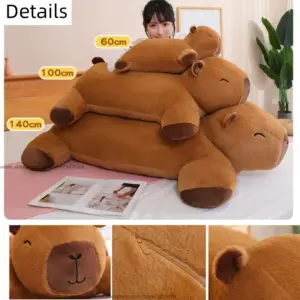

The best things to do at home to keep the kids busy are activities children can enjoy on their own or with a little set-up: rotating toy baskets, activity stations for art, building and reading, pretend play with plushies, simple science experiments, indoor obstacle courses, audiobooks and helping with real chores. Whether you’re working from home, cooking dinner or just need a breather, a bit of preparation goes a long way. Here’s a practical guide to keeping children happily occupied at home, organised by activity type and age, with tips to encourage independent play.
Key Takeaways
- Prepare in advance: activity stations and “busy boxes” make independent play easy.
- Rotate toys so old favourites feel new again.
- Let children choose what to play; it builds responsibility and focus.
- Match activities to age: toddlers need simple, safe choices; older kids enjoy projects.
- Plan free play every day, plus a few activities you do together.
Why Independent Play Matters
Playing alone for short spells isn’t just convenient for parents; it’s good for children. Independent play builds concentration, creativity, problem-solving and confidence. Children who learn to entertain themselves are often less dependent on screens and better at handling boredom. Start with short periods for younger children and gradually extend them.
1. Set Up Activity Stations
Create a few small “stations” around the house with everything needed for one type of play:
- Art station: paper, crayons, stickers and child-safe scissors. See our kawaii stickers.
- Building station: blocks, construction toys or cardboard boxes.
- Reading nook: a basket of books, a cushion and a cuddly plush “reading buddy.”
- Pretend-play corner: a toy kitchen, shop or vet clinic with plushies as customers and patients.
Children can move between stations as they like, and you know everything they need is within reach.
2. Rotate Toys with Busy Boxes
Too many toys out at once can actually make children play less. Store most toys away and put out a few at a time in “busy boxes,” swapping them every week or two. When a box comes back out, it feels brand new. Our article on how to avoid having too many toys explains toy rotation in more detail.
3. Let Children Choose Their Toys
Giving children a choice, such as “Would you like the dinosaurs or the art box?”, builds independence and makes them more likely to stay engaged. If they love a particular character or animal, let them build a game around it.
4. Teach Which Toys Are for Which Time
Help children understand which toys suit quiet times (books, puzzles, plush) and which are for active times (balls, ride-ons). Choose toys that fit their age so they can play safely without constant supervision. For age-appropriate ideas, see kids’ toys for every age.
5. Pretend Play with Plushies
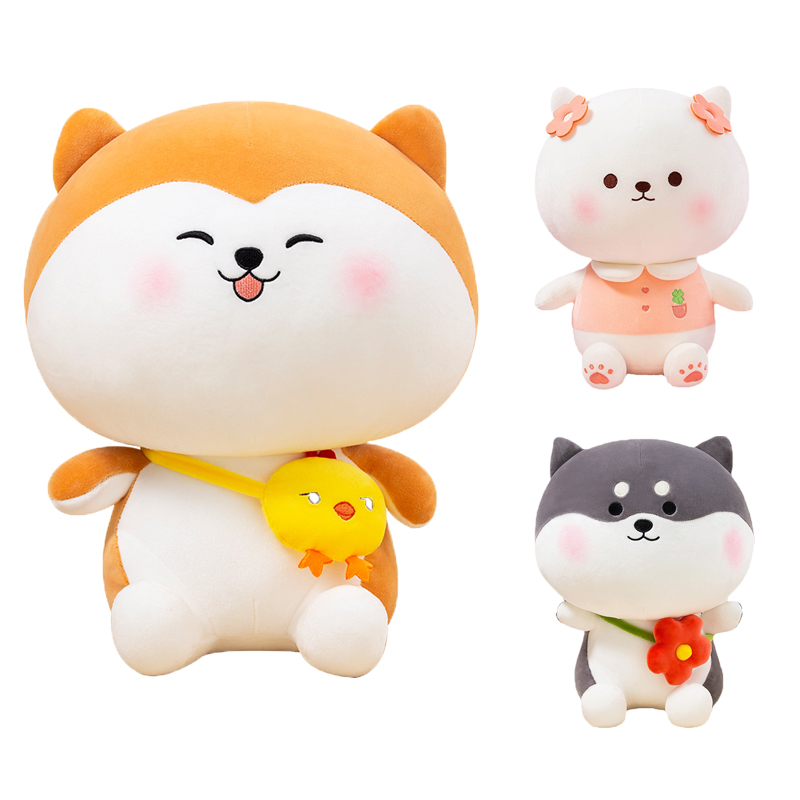
Stuffed animals are perfect for independent pretend play. Children can run a school, a hospital, a café or a zoo, giving every plushie a role. These games can last a long time and help children practise language and empathy.
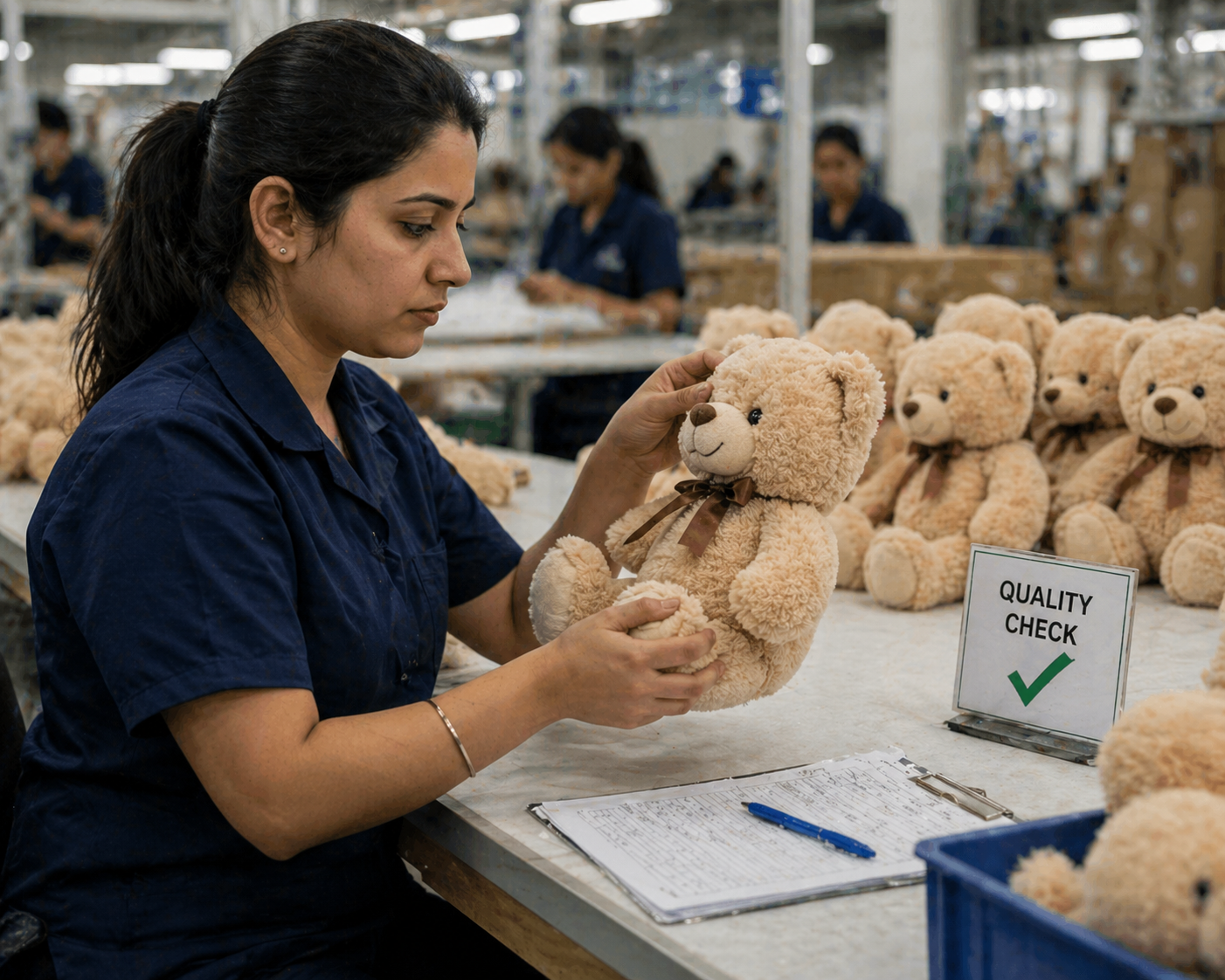
- Classic Teddy Bear (from $35.99): a patient for the vet clinic.
- Brontosaurus Dinosaur Stuffed Animal (from $29.95): a dinosaur for a prehistoric adventure.
- Seal Plush (from $30.99): a sea friend for an underwater world.
For game ideas, see fun games kids can play with their stuffed animals.

6. Simple Science at the Kitchen Table
- Sink or float: test household objects in a bowl of water.
- Colour mixing: drop food colouring into cups of water and see what new colours appear.
- Growing seeds: plant cress or beans on damp cotton wool and watch them sprout.
- Ice excavation: freeze small toys in ice and let children melt them free with warm water.
7. Active Play Indoors
When children need to burn off energy, try an obstacle course with cushions and chairs, a dance party, hopscotch with masking tape on the floor, or a balloon game where the balloon must not touch the ground. Active breaks also help children concentrate better afterwards.
8. Music and Audiobooks
Simple instruments, such as shakers, a toy keyboard or pots and spoons, let children make music. Audiobooks and children’s podcasts are a calm, screen-free option when you need quiet time.
9. Helping with Real Chores
Children often love “grown-up” jobs. Let them sort socks, water plants, set the table, wash plastic cups or help with baking. Chores build responsibility and practical skills, and many children feel proud to help.
10. Quiet Time Boxes for Calls and Meetings
If you work from home, prepare a special “quiet box” that only comes out during calls or meetings. Fill it with things your child doesn’t see every day: a new sticker sheet, a colouring pad, a small puzzle, a plush they don’t usually play with or a picture book. Because the box is special, children look forward to it, and you get a predictable stretch of calm. Put it away again afterwards so it keeps its magic.
11. Build a Cosy Reading Den
A reading den is a simple way to encourage quiet, independent time. Drape a sheet over two chairs, add cushions, a blanket, a torch and a pile of books, and invite a few plushies in as reading buddies. Older children can read alone; younger ones can “read” the pictures to their toys. A soft seat like a kids sofa makes the den even cosier.
A Simple Daily Rhythm for Busy Days
- Morning: active play or a walk to burn off energy.
- Mid-morning: activity stations while you work.
- Lunch: eat together and chat about the morning.
- Early afternoon: quiet time with books, audiobooks or the quiet box.
- Late afternoon: a shared activity, such as baking or a game.
A predictable rhythm helps children know what’s coming, which often means fewer interruptions.
Activities by Age
| Age | Ideas |
|---|---|
| 1–3 years | Busy boxes, stacking, board books, plush play, water play with supervision |
| 3–5 years | Activity stations, pretend shop or vet, stickers, sink or float |
| 6–8 years | Craft projects, Lego builds, seed growing, obstacle courses |
| 9+ years | Model-making, baking, journaling, coding games, DIY doll house kits |
Give Them Lots of Free Playtime
Finally, the most important thing is plenty of free play: time when children decide what to do, with no instructions. Free play builds creativity and confidence, and it’s often when the most imaginative games happen. For more ideas, see ways for children to have fun and how to keep kids entertained on a long journey.
Frequently Asked Questions
How can I keep my kids busy while I work from home?
Set up activity stations, rotate toys in busy boxes, plan audiobooks or quiet play during calls, and schedule short breaks to play together.
What are good indoor activities for kids?
Pretend play with plushies, crafts, simple science experiments, obstacle courses, dancing, reading and helping with chores.
How do I encourage independent play?
Start with short periods, offer a few well-chosen toys, let children choose and praise their efforts.
What can I do with a bored toddler at home?
Offer simple sensory play, stacking toys, board books, songs, a soft plush to care for, and short active games like dancing or a cushion obstacle course.
How often should I rotate toys?
Every one to two weeks works well for many families.
More Fun at Home
With a little preparation, home can be full of play. Explore our kawaii stuffed animals, kawaii stationery and kids sofas for a cosy reading nook, or start at the My Heart Teddy homepage.