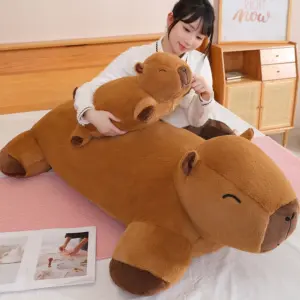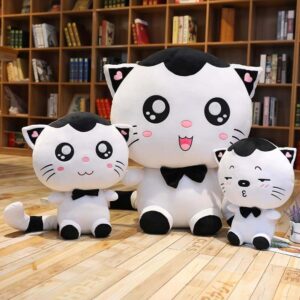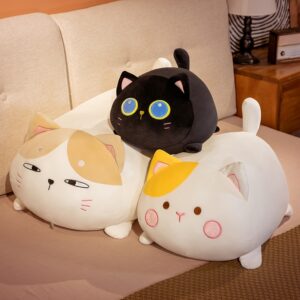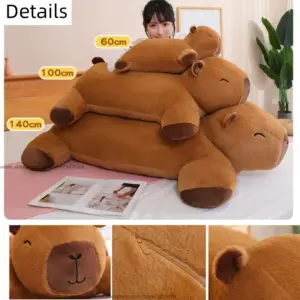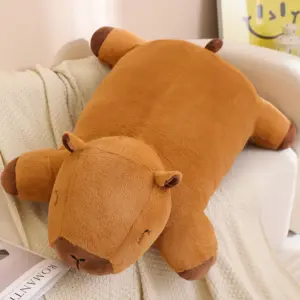

Plushies can be a lovely part of a sleeping routine because they give you something soft to hold, a familiar cue that it’s time to wind down, and, in the case of long body-pillow plush, a comfortable way to support your arms and legs while you sleep on your side. They aren’t a medical treatment, but for many children and adults a cuddle buddy makes bedtime feel calmer and cosier. Here are five reasons to add one to your routine, how to choose the right plushie for bed, and a few important safety notes.
Key Takeaways
- A plushie is a comfort cue: holding the same soft friend every night helps signal that it’s time to sleep.
- Long plush works like a body pillow for side sleepers who like something to hug.
- Familiar comfort helps in new places such as holidays, sleepovers or a new home.
- Combine it with good sleep habits: a regular bedtime, a dark, cool room and less screen time.
- Babies under 12 months should sleep without soft toys in the cot.

1. A Long Plushie Works Like a Body Pillow
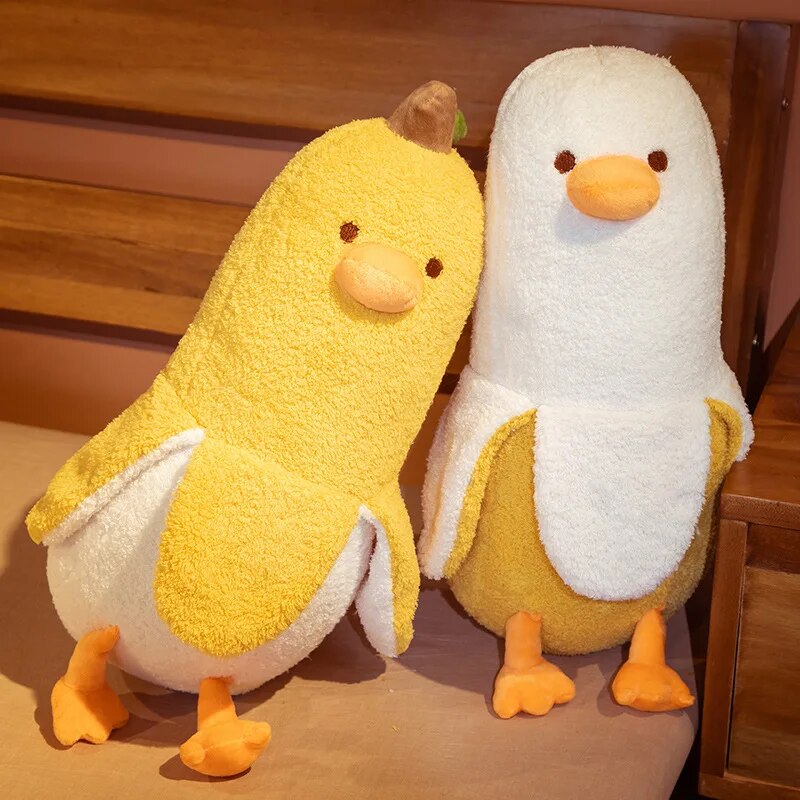
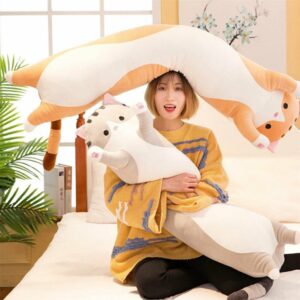
Side sleepers often like something to hold. Hugging a long plush keeps your top arm supported and gives you somewhere to rest your upper knee, and many people find that more comfortable than lying with nothing in front of them. Sleep experts commonly suggest a pillow between the knees for side sleepers to keep the hips more level, and a long plushie can do the same job while being far more fun to cuddle.
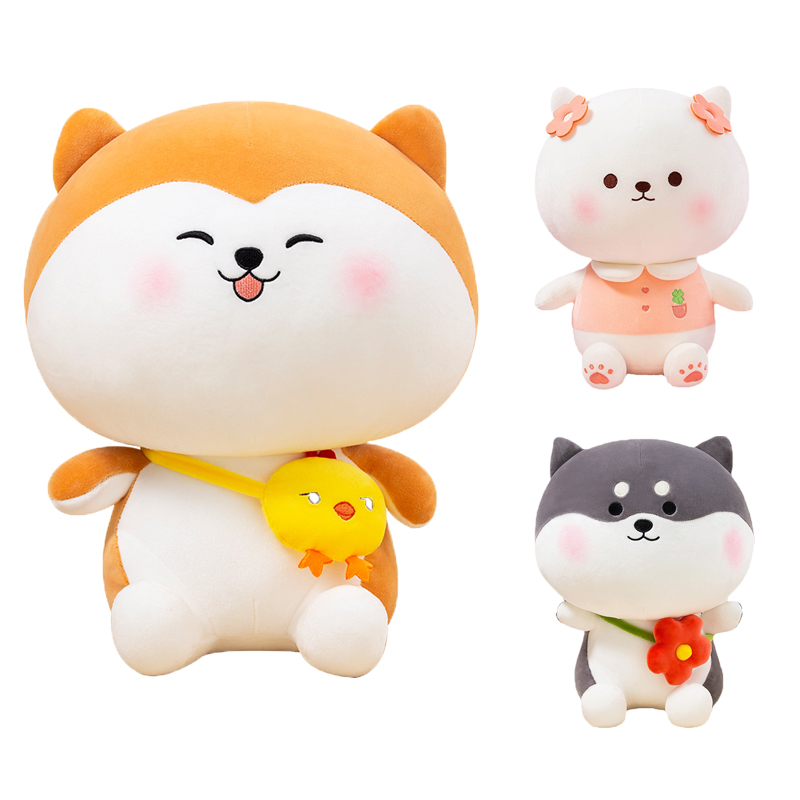
Good options include the Kawaii Long Cat Plush (from $20.99), the Kawaii Shiba Inu Long Pillow (from $31.99) and the Giant Cow Stuffed Animal (from $50.99). See the full range of plush body pillows.
2. Holding Something Soft Feels Calming
Most of us find soft textures and gentle pressure soothing. Hugging a plushie at the end of the day can feel like a small, comforting ritual: you get into bed, pick up the same friend and settle down. That predictability is part of what makes it relaxing. A weighted plush, which has extra weight sewn inside, adds a gentle, hug-like pressure that many people enjoy while they wind down.
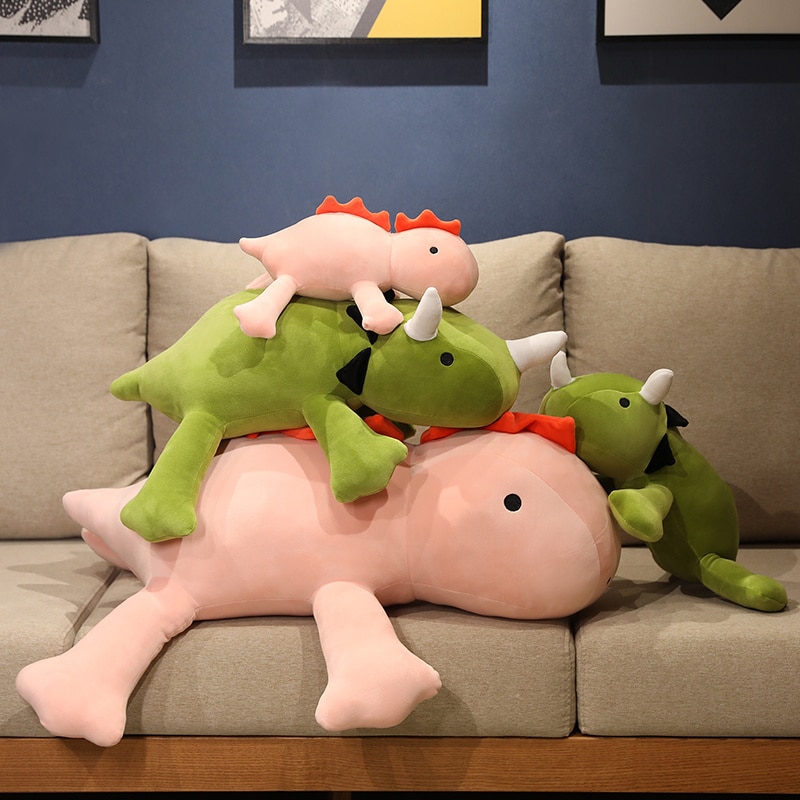
Read more on our page about weighted stuffed animals.
3. Less Fidgeting, More Settling
When you have something to hold, it’s easier to find a comfortable position and stay in it. A plushie can fill the space in front of your chest, support your neck when tucked beside your pillow, or give restless hands something to grip. If you tend to wrap yourself around a spare pillow anyway, a plush companion simply makes that habit cosier.
4. Familiar Comfort in New Places
A favourite plushie travels well. On holiday, at a sleepover or in a new home, sleeping with the same soft friend you use every night brings a little familiarity into an unfamiliar room. Child-development specialists describe this kind of object as a “transitional object”: a comfort item that helps children feel secure, especially at bedtime and when they are apart from their parents. Learn more in why children become so attached to stuffed animal toys.
Adults use comfort objects too, and there’s nothing unusual about it. See why it’s OK to have a stuffed animal as an adult.
5. It Makes Bedtime Something to Look Forward To
A routine works best when it feels good. Choosing a plushie you love, whether a giant teddy, a squishy cat or a quirky food character, turns going to bed into a cosy moment rather than a chore. For children, a bedtime friend can become part of the story: brushing teeth, reading a book, then saying goodnight to the plushie.

How to Build a Calming Sleep Routine
A plushie works best as part of good sleep habits. General sleep-health advice includes:
- Keep a regular schedule: go to bed and wake up at about the same time every day, including weekends.
- Make your room dark, quiet and cool.
- Put screens away for a while before bed.
- Avoid caffeine late in the day.
- Wind down the same way each night, for example reading, a warm shower and then your plushie.
If you have ongoing trouble sleeping, speak to a doctor. A plushie can make bedtime nicer, but it isn’t a substitute for medical advice.
A Simple Plushie Bedtime Routine for Kids
- Bath or wash-up, then pyjamas.
- Brush teeth and use the toilet.
- Read a short story, letting the plushie “listen” too.
- Say goodnight to the plushie and tuck it in beside your child (for children over 12 months).
- Lights out at the same time each night.
Doing the same steps in the same order every evening helps children know what comes next, which makes it easier for them to settle.
How to Choose a Plushie for Bed
| If you… | Choose |
|---|---|
| Sleep on your side | A long body-pillow plush you can hug and rest a knee on |
| Like gentle pressure | A weighted plush |
| Want a big cuddle | A giant bear or large animal |
| Travel often | A small, washable plushie that fits in a bag |
| Get hot at night | Short, smooth plush rather than long fluffy fur |
Wash bedtime plush regularly, since it collects dust and skin oils just like a pillow. Our guide on how often to wash stuffed animals explains how.
A Note on Babies and Safe Sleep
The American Academy of Pediatrics advises keeping soft objects, including stuffed toys, out of a baby’s sleep space for the first 12 months. Plushies are wonderful for daytime play and supervised cuddles, but wait until your child is older before adding one to the cot. Read more in when can my baby sleep with a stuffed animal?
Caring for a Bedtime Plushie
A plushie that sleeps with you every night needs a little care. Shake it out each morning, let it air while you make the bed, and spot-clean any marks quickly. Every few weeks, wash it according to the label and make sure it dries completely before bedtime.
Frequently Asked Questions
Is it good to sleep with a stuffed animal?
For many children and adults it’s comforting. A plushie can make bedtime feel calmer and give side sleepers something to hug. It’s a comfort item, not a medical treatment.
What kind of plushie is best for sleeping?
A long body-pillow plush suits side sleepers, a weighted plush suits people who like gentle pressure, and a soft, washable plush is best for travel.
Can adults sleep with stuffed animals?
Yes. Many adults sleep with a plushie for comfort, and it’s completely normal.
When can a baby sleep with a stuffed animal?
The American Academy of Pediatrics recommends keeping soft toys out of the sleep space for at least the first 12 months.
What if my child can’t sleep without their plushie?
That’s very common. Keep the favourite plushie in the same place every night, take it on trips, and consider having a second identical one in case the first gets lost or needs washing.
How often should I wash a bedtime plushie?
Wash or spot-clean it regularly, more often if it’s used every night or after illness. Always check the care label first.
Find Your Perfect Sleep Buddy
Ready to make bedtime cosier? Explore our cuddle buddies, sensory plushies and full range of kawaii stuffed animals, or browse everything at the My Heart Teddy homepage. Choosing one to sleep with? Start with the cutest plushies and how to pick yours, and if you have questions, contact us.