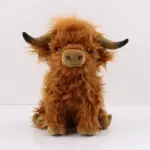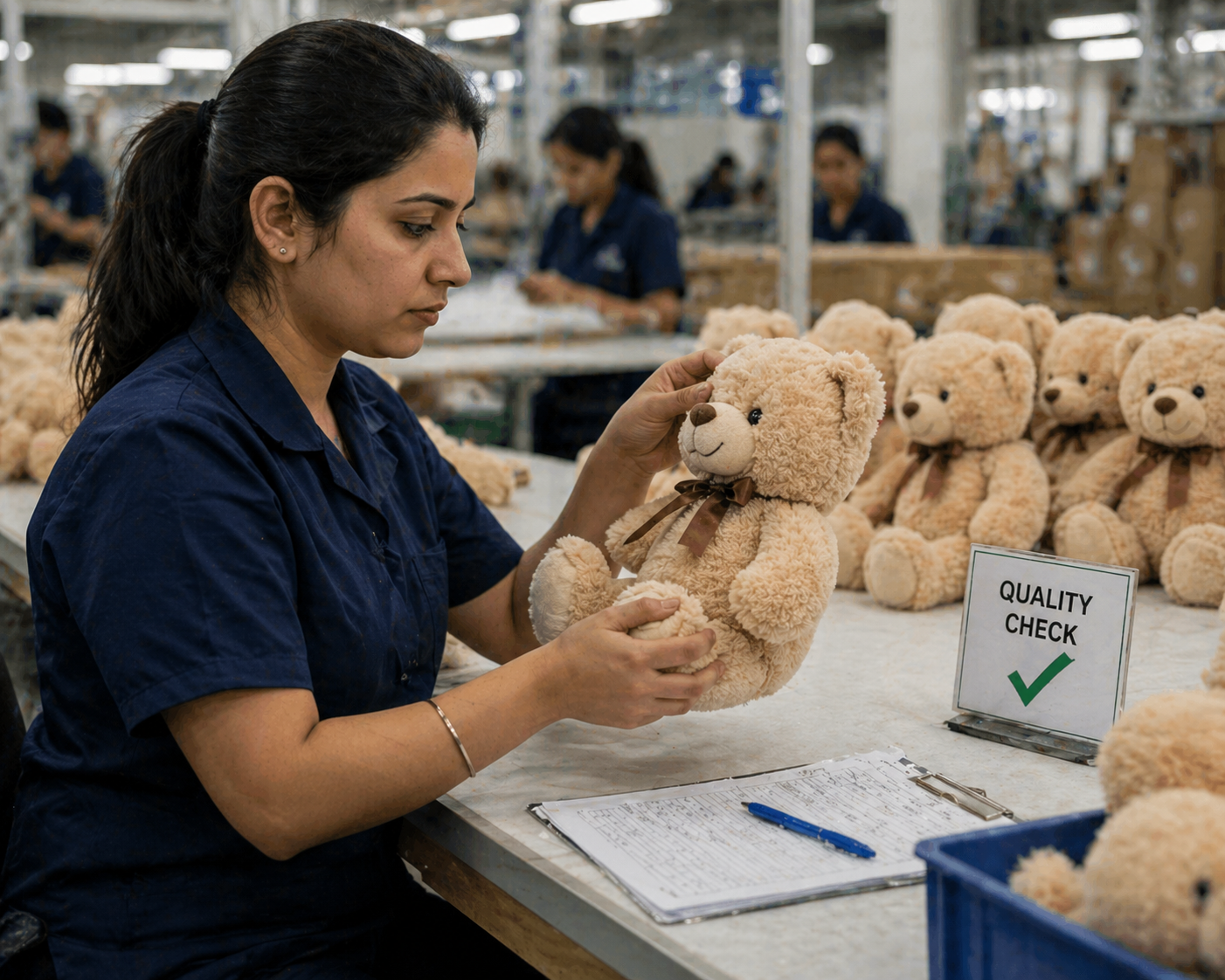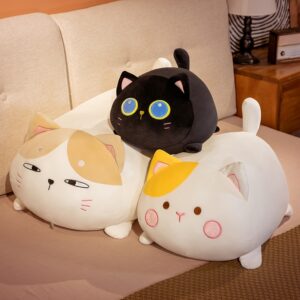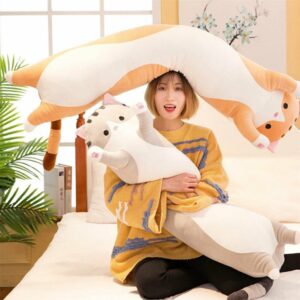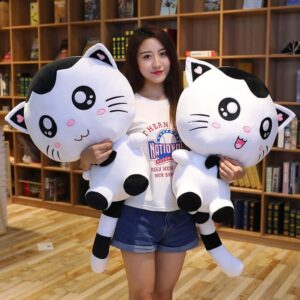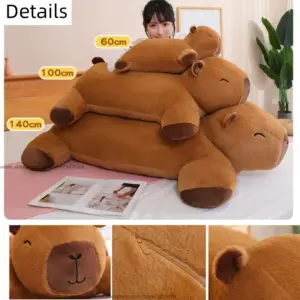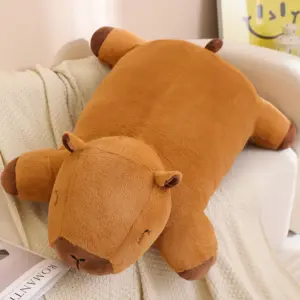

Children can’t bear to get rid of their teddy bears because a well-loved bear is far more than a toy: it’s a comfort object that has been with them through bedtimes, illnesses, holidays and big changes, it carries memories and a familiar smell and feel, and it’s part of how they see themselves. Psychologists also note that people of all ages tend to value things more simply because they own them. That’s why a worn old teddy can feel irreplaceable, and why forcing a child to give it up usually backfires. Here’s why the bond is so strong, how to respect it, and gentle ways to help a child let go of toys when they’re ready.
Key Takeaways
- A favourite teddy is a comfort object tied to security and routine.
- Memories make it irreplaceable: its history matters more than its looks.
- Ownership adds value: people tend to value things more because they’re theirs.
- Never force it: let children decide when they’re ready to part with toys.
- Keepsakes and donations offer gentle ways to let go of other toys.

Why Are Children So Attached to Their Teddy Bears?
1. It’s a source of comfort and security
Many children adopt one special toy as a comfort object, which psychologists call a “transitional object.” It helps them feel safe at bedtime, when they’re apart from parents and in unfamiliar places. Losing or giving away that bear can feel like losing a source of safety. Read why children become so attached to stuffed animal toys.
2. It holds memories
A teddy that has been to the beach, the hospital, grandma’s house and every bedtime for years is woven into a child’s story. Its worn fur and lopsided ears are evidence of all that shared history, which no new bear can replace.
3. The original really matters
In a 2008 study, psychologists Bruce Hood and Paul Bloom found that many young children with a strong attachment to a comfort toy didn’t want to swap it for what appeared to be an identical copy. To them, it’s the specific toy that counts, not just how it looks.
4. Ownership makes things feel more valuable
Behavioural researchers have long observed the “endowment effect”: people tend to value an item more simply because it belongs to them. Children experience this too, which is one reason even rarely played-with toys can be hard to give away.
5. It’s part of their identity
Children often see their bear as a friend, a sibling or even a part of themselves. It may have a name, a personality and a place in family jokes and stories.
How to Respect the Bond
- Don’t throw a favourite away without asking, even if it looks shabby.
- Avoid teasing a child about still loving their bear.
- Repair rather than replace: a few stitches can give a beloved bear years more life.
- Clean it gently and dry it fully, ideally while your child is asleep or busy.
- Keep a backup of a favourite toy, if you can, in case of loss.
For cleaning tips, see how often to wash stuffed animals.
When Children Outgrow Teddy Bears
Most children gradually rely on comfort toys less as they grow, often around school age, but there’s no right time. Some keep a bear on the bed into their teens; many adults still have their childhood teddy. Rather than setting a deadline, let your child’s own interests lead. A bear that moves from the bed to a shelf is still loved, just in a different way.

What If the Teddy Is Falling Apart?
Well-loved bears often end up threadbare, with flattened stuffing and loose seams. Before you consider replacing one, try a little repair. Close split seams with a ladder stitch, add a small amount of new polyester filling through an opening, and re-attach or embroider a missing eye. Some families visit a “teddy bear hospital,” a specialist restorer who repairs well-loved plush, for precious or vintage bears. If a bear can no longer be safely played with, it can retire to a shelf or memory box, so it stays part of the family without being cuddled every night.
Passing a Teddy Bear Down the Generations
Some teddies become family heirlooms. A parent’s childhood bear might be shared with their own child as a special “story bear” for supervised cuddles, or a grandparent’s teddy might be displayed in a nursery. Writing a short note about the bear’s history, such as who gave it, when and the adventures it has been on, makes it even more meaningful for the next generation. Keep heirloom bears out of babies’ cots and away from rough play, since older toys may not meet modern safety standards.
Helping Children Let Go of Other Toys
Children may also struggle to part with toys they no longer play with. These steps can help:
- Talk about it first. Explain why you’re sorting toys and what will happen to the ones that leave.
- Let them choose. Ask which toys they’d like to keep, store, give to a friend or donate.
- Make it about kindness. Explain that a toy they’ve outgrown could make another child happy.
- Use a “maybe” box. Store uncertain toys out of sight for a few months; if they’re not missed, they can go.
- Take photos of toys before they leave, so memories stay.
- Keep the special ones. A memory box for the most treasured toys is always worth the space.
Where Can Old Teddy Bears Go?
- Family and friends with younger children.
- Charity shops that accept clean toys in good condition.
- Charities that give bears to children, such as Bear Givers; check each organisation’s guidelines first, as many prefer new toys.
- Keepsake projects, such as turning a worn bear’s fabric into a cushion.
For more ideas, read what to do with old stuffed animals.
Frequently Asked Questions
Why won’t my child give up their teddy bear?
A favourite bear provides comfort, security and memories, and children often see it as irreplaceable. It’s a normal, healthy attachment.
Should I make my child get rid of their teddy bear?
No. Let your child decide when they’re ready, and keep treasured bears as keepsakes if they wish.
At what age do children stop needing teddy bears?
There’s no fixed age. Many rely on them less by school age, while others keep a bear for years.
Why won’t my child accept a new, identical bear?
Research suggests children value the specific original toy, with its history, smell and feel, over a copy.
Can a worn-out teddy bear be repaired?
Yes. Split seams, flat stuffing and missing eyes can usually be fixed at home or by a specialist restorer for precious bears.
Is it OK to keep a teddy bear as an adult?
Absolutely. Many adults keep a childhood bear for comfort and memories.
How can I help my child part with old toys?
Involve them in sorting, explain where toys will go, use a “maybe” box and keep special favourites.
A Friend Worth Keeping
A child’s teddy bear is often their first true friend, and it’s worth treasuring. Find a bear that could become a lifelong companion in our teddy bears and kawaii teddy bears, see the Super Kawaii Teddy Bear, read why teddy bears are so cute, or start at the My Heart Teddy homepage.