Playtime matters for homeschooled kids because play is how children build social skills, creativity, problem-solving, physical fitness and emotional resilience, and homeschoolers don’t get the built-in breaks and playground time that school timetables provide. The American Academy of Pediatrics describes play as essential to healthy development, and the World Health Organization recommends that children aged 5 to 17 get an average of at least 60 minutes of moderate-to-vigorous physical activity a day. Here’s why play deserves a protected place in every homeschool day, the types of play to include, and practical ways to make sure your children get enough of it, including time with other kids.
Key Takeaways
- Play is learning: it builds language, maths thinking, creativity and problem-solving.
- Homeschoolers need planned play because there’s no school playground or recess.
- Social play matters: co-ops, park days and clubs give children time with peers.
- Move every day: the WHO recommends an average of 60 active minutes a day for ages 5–17.
- Balance screens with hands-on play, and join in when you can.

Why Is Play So Important for Children?
In 2018, the American Academy of Pediatrics published a clinical report called The Power of Play, encouraging doctors to “prescribe” play because of its benefits for children’s development. Through play, children practise language, negotiate with others, test ideas, handle frustration and learn how the world works. The right to play is even recognised in Article 31 of the United Nations Convention on the Rights of the Child. Play isn’t a break from learning; for young children especially, it is learning.
Why Homeschooled Kids Need Planned Playtime
In school, children get recess, lunch breaks, PE lessons and constant informal interaction with classmates. At home, lessons can easily run back to back, and the day can become very adult-led. Without deliberate planning, homeschooled children may miss out on:
- unstructured free play where they choose what to do
- regular physical activity and outdoor time
- play with children their own age
- time to be bored, which often sparks creativity
The good news is that homeschooling also offers flexibility, so families can build in more play than a traditional timetable allows.
The Benefits of Play for Homeschoolers
1. It helps children engage with learning
Children who’ve had time to move and play often settle into focused work more easily. Short play breaks between lessons can refresh attention.
2. It reduces boredom and loneliness
Play, especially with friends, gives children something to look forward to and helps them build friendships outside the family.
3. It fills learning gaps naturally
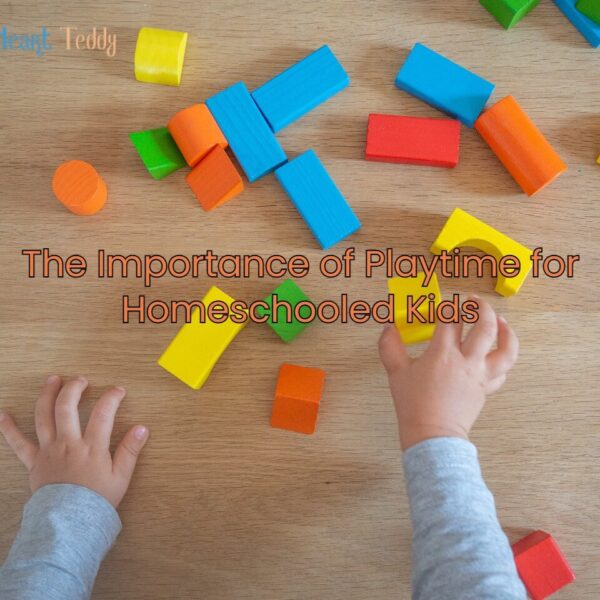
Building with blocks introduces geometry, board games practise counting and turn-taking, cooking teaches measurement, and pretend play builds vocabulary.
4. It strengthens the parent-child bond
When parents join in play, children ask questions, make mistakes and use their imagination in a relaxed setting. It also gives homeschooling parents a break from the “teacher” role.
5. It connects children with others
Group play at co-ops, parks and clubs teaches cooperation, conflict resolution and empathy, skills that are harder to practise one-on-one at home.
6. It’s good for mind and body
Active play builds strength, coordination and fitness, and many children find movement helps them manage stress and sleep better.
Types of Play to Include in a Homeschool Week
| Type of play | Examples | What it builds |
|---|---|---|
| Free play | Child-led time with toys, art supplies or outdoors | Creativity, independence |
| Physical play | Running, cycling, climbing, dancing, sports | Fitness, coordination |
| Pretend play | Shops, vets, tea parties with plushies | Language, empathy |
| Constructive play | Blocks, crafts, doll houses, models | Problem-solving, planning |
| Games with rules | Board games, card games, tag | Turn-taking, maths, fair play |
| Social play | Co-op activities, playdates, team sports | Cooperation, friendship |
How to Build Play into the Homeschool Day
- Schedule play like a lesson. Put free play and outdoor time on the timetable so it doesn’t get squeezed out.
- Use movement breaks. Five to ten minutes of active play between subjects refreshes concentration.
- Make lessons playful. Teach fractions with pizza, spelling with a scavenger hunt or history through dressing up.
- Join a homeschool co-op or park day. Many areas have groups that meet weekly for activities and play.
- Try clubs and classes: sports teams, scouts, dance, swimming or library events.
- Set screen limits and offer hands-on alternatives that are easy to reach.
For ideas, see ways for children to have fun, things to do at home to keep the kids busy and fun games kids can play with their stuffed animals.

Sample Homeschool Day with Play Built In
| Time | Activity |
|---|---|
| Morning | Outdoor play or a walk before lessons |
| Mid-morning | Focused lessons with a short movement break |
| Late morning | Free play or a creative project |
| Lunch | Cook together (maths and life skills) |
| Afternoon | Co-op, club, playdate or educational game |
| Evening | Family board game or reading |
Turning Lessons into Play
One of homeschooling’s biggest advantages is that you can blur the line between lessons and play. Some easy ways to do it:
- Maths: run a pretend shop with price tags and toy money, bake and measure ingredients, or play dice and card games that practise adding and multiplying.
- Literacy: act out stories with plushies, write secret coded messages, or create a comic strip with stickers.
- Science: grow seeds on a windowsill, build ramps to test which toy car goes furthest, or go on a bug hunt in the garden.
- History and geography: dress up as historical figures, build a castle out of boxes, or plan an imaginary trip around the world on a map.
- Art and music: paint outdoors, make instruments from household items, or put on a family talent show.
Playful lessons often stick better because children are emotionally engaged and physically involved.
When Children Say “I’m Bored”
Boredom isn’t a problem to fix immediately. A little unstructured time with simple materials, such as paper, tape, boxes, blankets and a few toys, often leads to the most imaginative play. Offer a few options, then step back and let your child decide what to do.
Play Ideas by Age
- Preschoolers: pretend play, sensory bins, songs and simple building toys. Soft toys make great “students”; see our stuffed animals for toddlers.
- Primary age: scavenger hunts, crafts, nature walks, board games and secret codes.
- Tweens and teens: sports, music, model-making, cooking projects and group activities with friends. Detailed crafts like our DIY doll house kits are popular with older children.
Frequently Asked Questions
How much playtime does a homeschooled child need?
There’s no single number, but aim for daily free play plus physical activity. The WHO recommends an average of at least 60 minutes of moderate-to-vigorous activity a day for children aged 5–17.
How do homeschooled kids make friends?
Through homeschool co-ops, park days, sports teams, clubs, classes, library events and regular playdates.
Is play really educational?
Yes. Paediatric experts describe play as essential for developing language, problem-solving, social skills and creativity.
How can I balance screens and play?
Set clear limits, keep hands-on toys and art supplies easy to reach, and plan active or social activities each day.
Make Room for Play
Homeschooling gives families the freedom to put play at the heart of learning. Protect time for free play, movement and friends, and your children will thrive. Find playful companions in our kawaii stuffed animals, creative supplies in our kawaii stationery, or explore everything at the My Heart Teddy homepage. For younger children, read how to play pretend with a toddler.