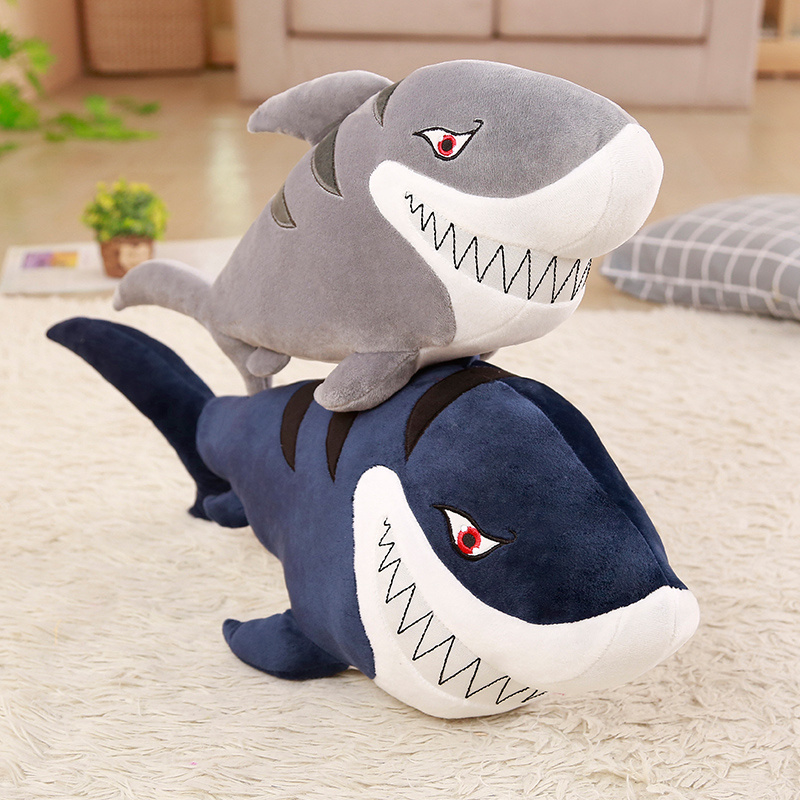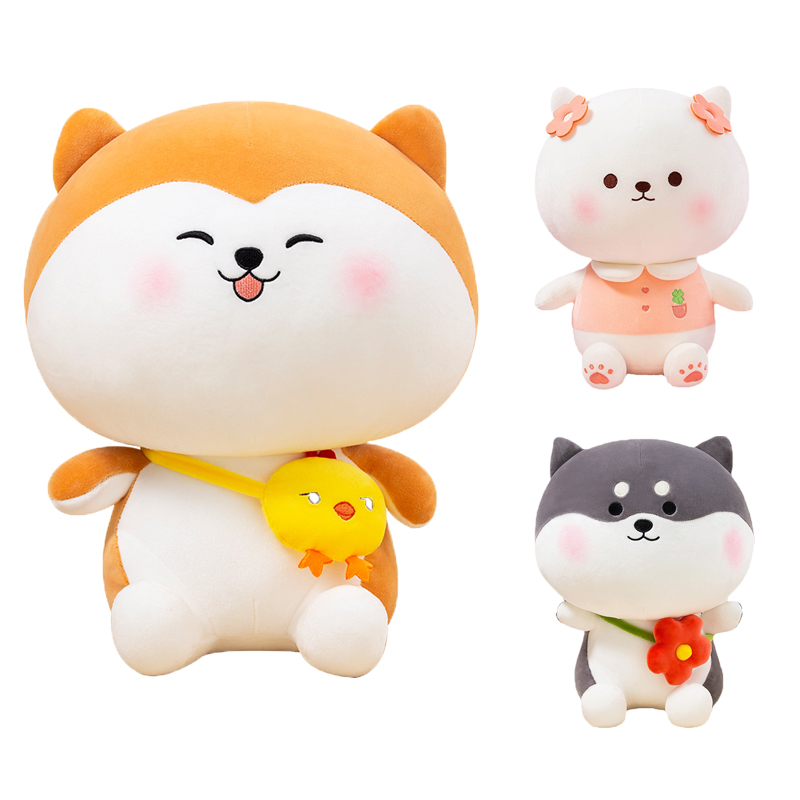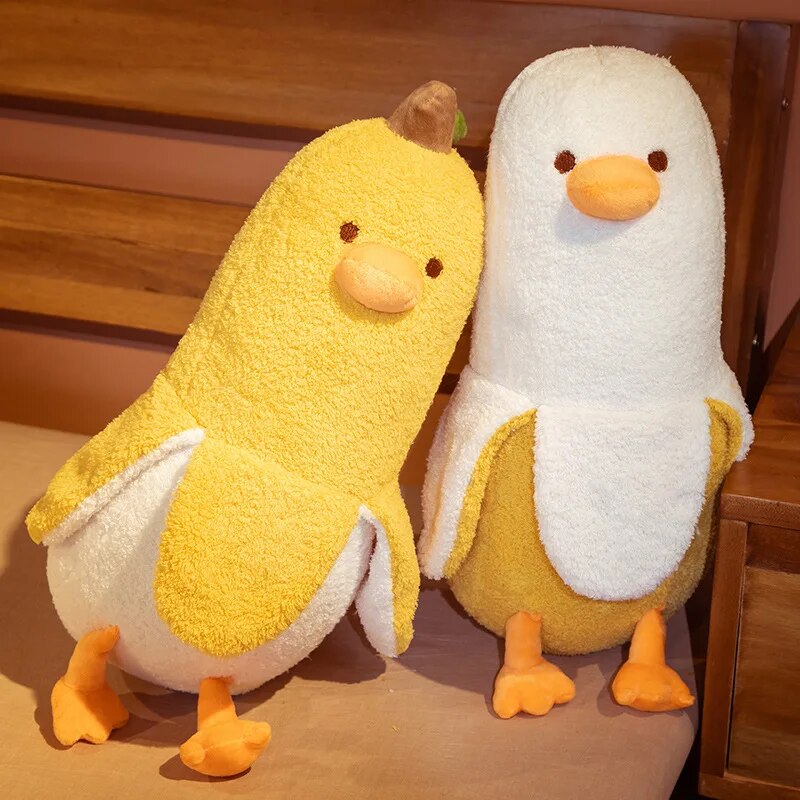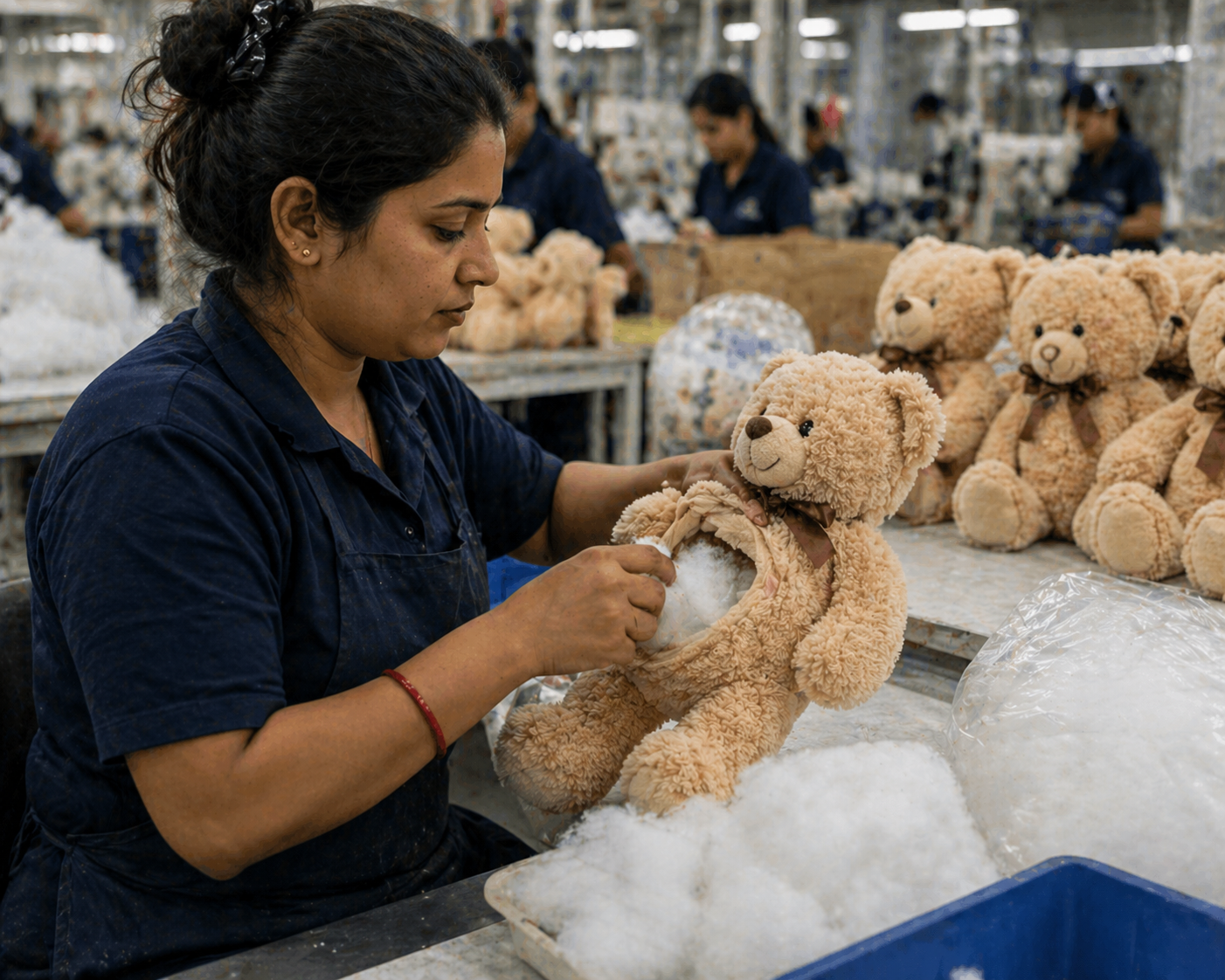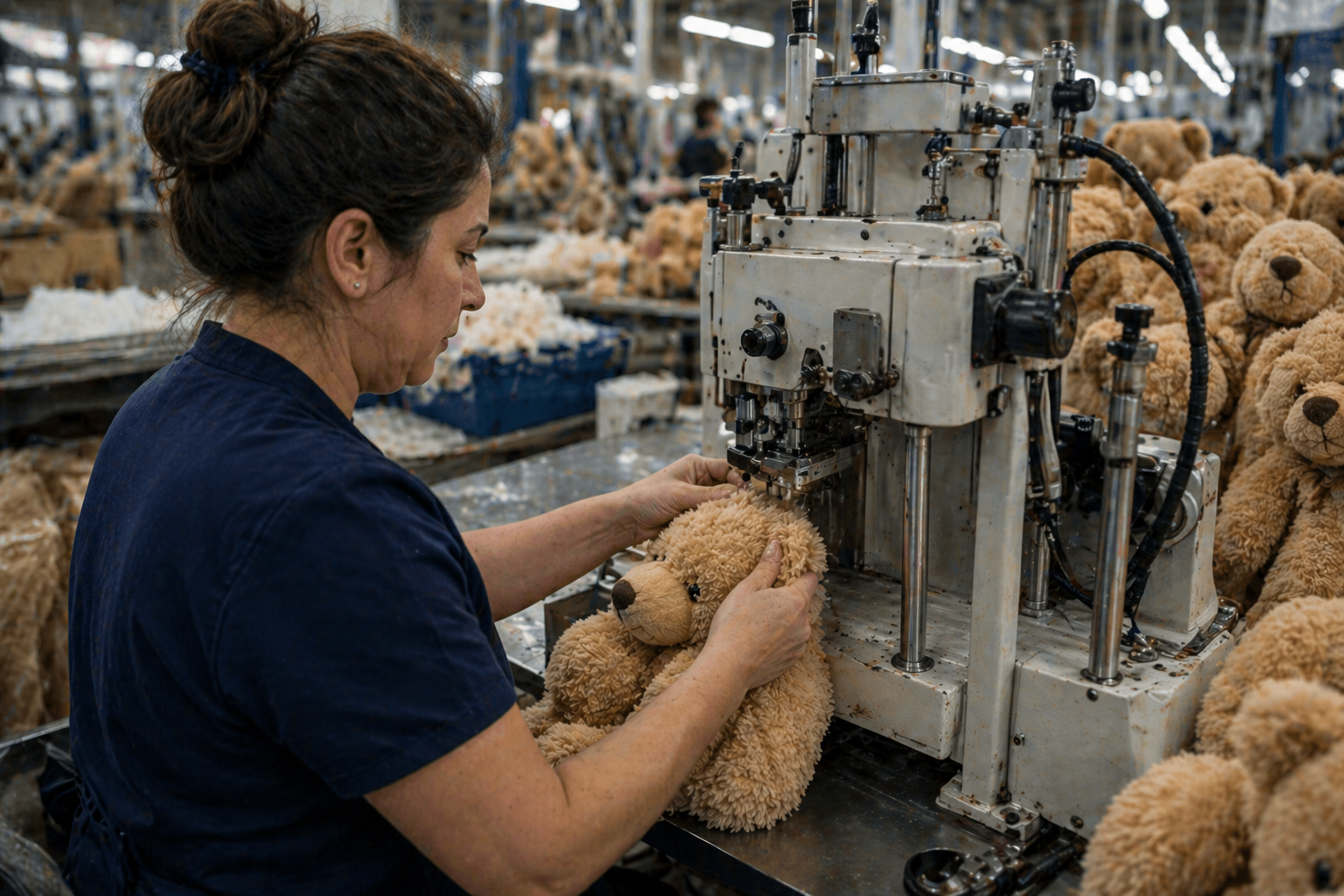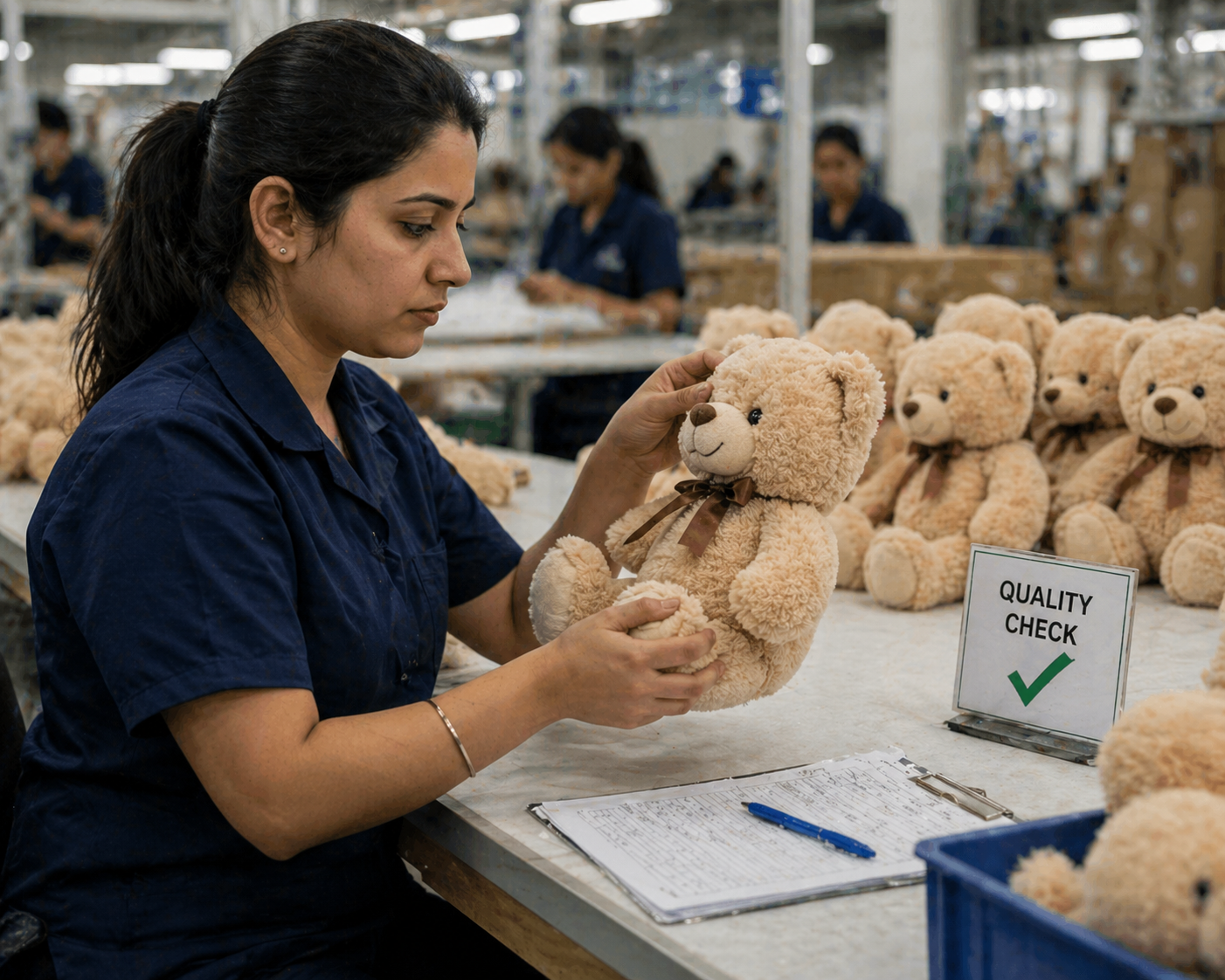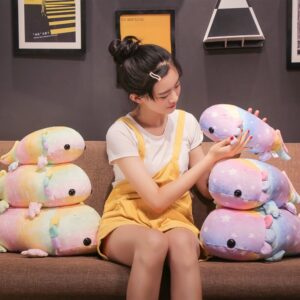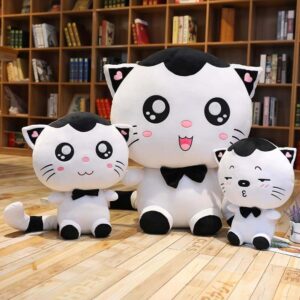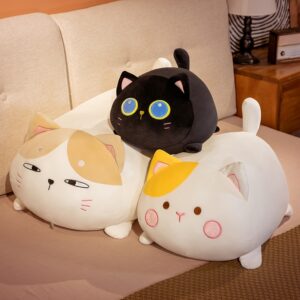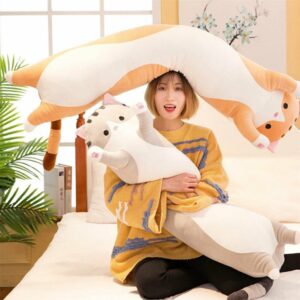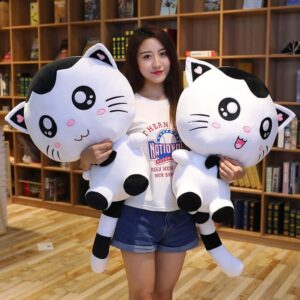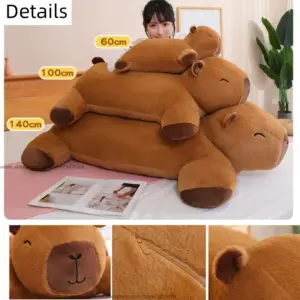

Stuffed animals contribute to a child’s development in five main ways: they offer emotional comfort and security, support language as children talk to and about them, build social skills and empathy through pretend play, encourage imagination and problem-solving, and, for babies and toddlers, provide gentle sensory and motor practice. A favourite plush often becomes a “transitional object,” a comfort item that helps children cope with bedtime, separation and new situations. Here’s how stuffed animals support each area of development at different ages, how parents can use them in everyday play, and the safety points to keep in mind.
Key Takeaways
- Emotional development: comfort objects help children feel secure and manage big feelings.
- Language: talking to plushies gives children extra practice with words and stories.
- Social skills and empathy: caring for a toy is practice for caring for others.
- Thinking skills: pretend play builds imagination, planning and problem-solving.
- Safety: keep soft toys out of a baby’s sleep space for the first 12 months.

1. Emotional Development: Comfort and Security
In the early 1950s, the British paediatrician and psychoanalyst Donald Winnicott introduced the idea of the “transitional object”: a blanket, soft toy or similar item that a young child becomes attached to and uses for comfort, especially as they spend more time apart from their parents. A favourite plushie can help a child settle at bedtime, feel braver at nursery or the doctor’s, and calm down after a tumble or a tantrum. Having something familiar to hold gives children a sense of control in a world that can feel big and unpredictable.
Read more in why children become so attached to stuffed animal toys and can stuffed animals help with anxiety?
2. Language Development
Children often talk to their plushies, narrate what the toy is doing and invent conversations between toys. This private chatter is valuable practice: children rehearse new words, try out sentence structures and tell simple stories. Parents can boost it by giving the toy a voice, asking open questions (“Where is Bunny going today?”) and naming feelings, colours and body parts during play.
3. Social Skills and Empathy
When children feed, bathe, bandage or tuck in a stuffed animal, they’re practising the caring behaviours they receive from adults. Pretending that a toy is sad, hurt or excited gives them a safe way to think about other people’s feelings. Playing with plushies alongside siblings or friends also involves sharing, turn-taking and cooperation, all early social skills.

4. Imagination and Thinking Skills
A pile of stuffed animals can become a school, a hospital, a zoo or an expedition. In these games children plan scenarios, assign roles, solve problems (“How do we get the bear across the river?”) and adapt when things change. This kind of pretend play is widely seen by child-development experts as one of the richest forms of learning in early childhood. For ideas, see how to play pretend with a toddler and fun games kids can play with their stuffed animals.
5. Sensory and Motor Skills
For babies and toddlers, plush offers interesting textures to touch, shapes to grip and a soft weight to carry. Grasping, squeezing, throwing and carrying a toy all practise fine and gross motor skills, while bright colours and friendly faces catch their attention. Our sensory plushies offer a range of textures and shapes.
6. Confidence and Independence
When children play with a stuffed animal, they get to be in charge. They decide where the toy goes, what it does and how it feels, which gives them a sense of competence that’s hard to find elsewhere in a day full of adult rules. A familiar plush can also make independent play easier: many toddlers will play happily alone for longer if a favourite friend is with them. Over time, these small moments of independence help children feel capable and confident.
7. Coping with Change and Stress
Moving house, welcoming a new sibling, starting school or spending time in hospital can be unsettling for young children. A plush that comes along offers continuity: something that smells, looks and feels the same when everything else is new. Some families use a plush to talk through upcoming changes, acting out a first day at school or a visit to the dentist with the toy as the “nervous” one. This rehearsal can make real events feel less frightening.
How Stuffed Animals Help at Each Age
| Age | What plush supports |
|---|---|
| 0–12 months | Supervised sensory play: looking, touching, grasping (no soft toys in the sleep space) |
| 1–2 years | Comfort object, carrying, first words and simple pretend actions |
| 2–4 years | Pretend play, caring roles, talking about feelings, sharing |
| 4–7 years | Storytelling, complex role play, imaginative worlds |
| 7+ years | Comfort, collecting, creative play, bedtime companionship |
Is It Alright for My Child to Sleep with a Stuffed Animal?
For babies, the American Academy of Pediatrics advises keeping soft objects, including stuffed toys, out of the sleep space for the first 12 months to reduce the risk of sleep-related deaths. After that, many children enjoy sleeping with a small, safe plushie, and a familiar bedtime friend can make settling easier. Choose a toy with stitched features, no small parts or long ribbons, and a manageable size. Read when can my baby sleep with a stuffed animal? for details.
Choosing Safe Stuffed Animals
- Check the age label and follow it.
- Choose embroidered eyes and noses for babies and toddlers.
- Tug the seams to check they’re strong.
- Avoid small detachable parts, buttons and long cords.
- Pick washable fabrics and clean plush regularly.
Our buyer’s guide to choosing the right stuffed animal goes into more detail.
How Parents Can Use Plush in Everyday Play
- Make it part of routines: the plushie brushes its teeth, eats breakfast and goes to bed too.
- Use it for big moments: bring a plush to the first day of nursery or a doctor’s visit.
- Talk about feelings through the toy: “Teddy feels nervous. What could help him?”
- Read together: let the plushie “listen” to stories and point out pictures.
- Let your child lead the game and follow their ideas.
Frequently Asked Questions
How do stuffed animals help child development?
They support emotional security, language, social skills, empathy, imagination and, for young children, sensory and motor skills.
What is a transitional object?
A comfort item, such as a soft toy or blanket, that a young child becomes attached to and uses to feel secure, a concept described by paediatrician Donald Winnicott.
Is it normal for my child to talk to their stuffed animal?
Yes. Talking to toys is a healthy part of play that builds language and helps children process feelings.
When can a child sleep with a stuffed animal?
The AAP advises no soft toys in the sleep space for the first 12 months. After that, choose a small, safe plush.
Can a child be too attached to a stuffed animal?
Strong attachment to one toy is very common and usually fades naturally with time. If it’s causing distress, keep a spare identical toy and let your child set the pace.
Do older children still benefit from stuffed animals?
Yes. Many older children use plush for comfort, storytelling and collecting, and it can still help at bedtime or during stressful times.
Find a Plush Friend for Every Stage
From first cuddles to imaginative adventures, stuffed animals grow with children. Explore our baby plushies, stuffed animals for toddlers and kawaii stuffed animals, or start at the My Heart Teddy homepage.