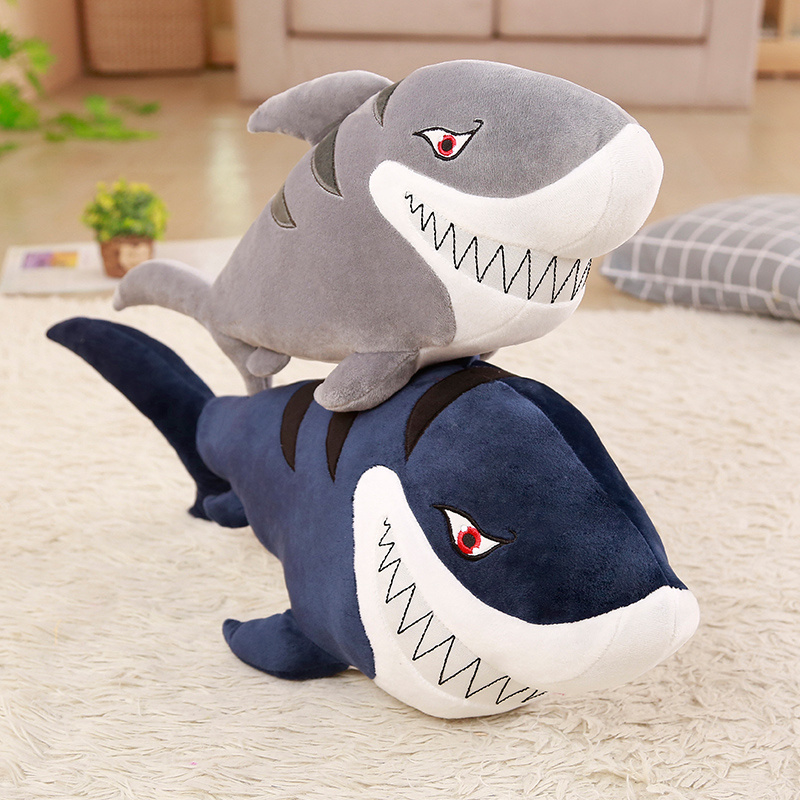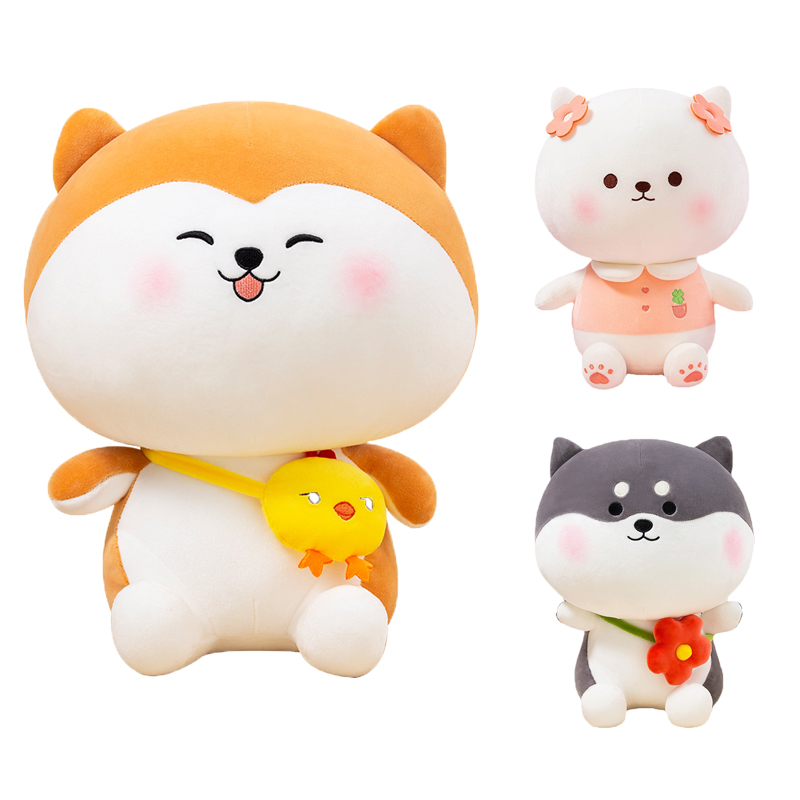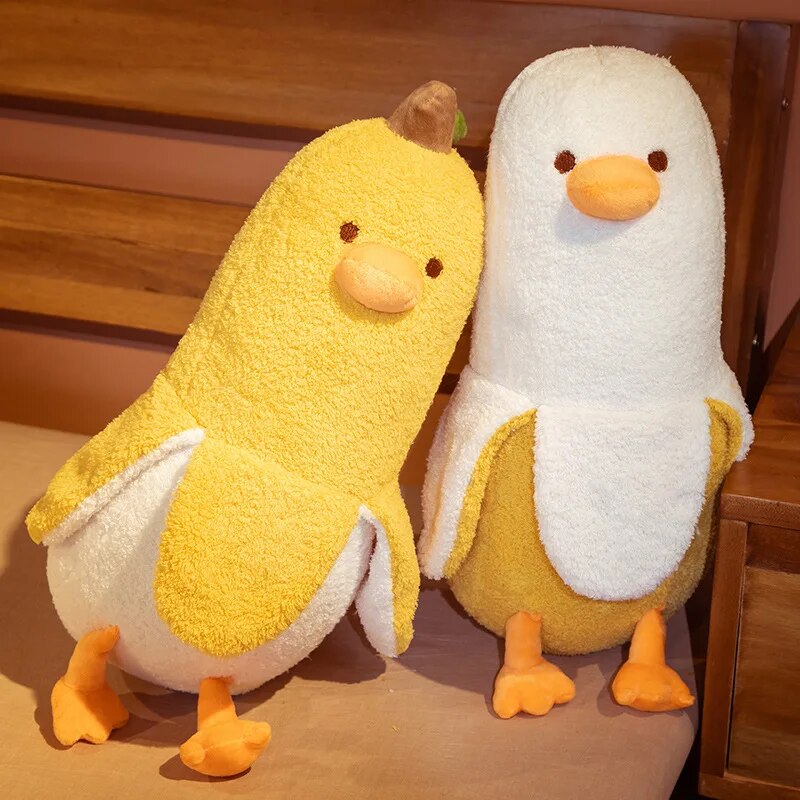

Kawaii desu (かわいいです) means “it’s cute” or “you’re cute” in polite Japanese. Kawaii means cute, adorable or lovable, and desu is a polite ending that works like “it is.” Add ne and you get kawaii desu ne (かわいいですね), “it’s cute, isn’t it?”, the friendliest way to share a cute moment with someone. Below is how to pronounce it, when to use each version, the one mistake almost every beginner makes, and a short story about a teddy bear that shows the phrase in action.
Key Takeaways
- Kawaii desu = “it’s cute”, said politely. Plain kawaii! is the casual version for friends.
- Say it “kah-wah-ee-ee dess.” The final u in desu is almost silent.
- Kawaii desu ne invites agreement: “so cute, right?”
- Don’t confuse kawaii with kowai (怖い), which means “scary.”
- In Japan, kawaii describes a feeling of warmth and protectiveness, which is why it fits soft things like teddy bears so well.

A Teddy Bear, a Pen Pal and Two Little Words
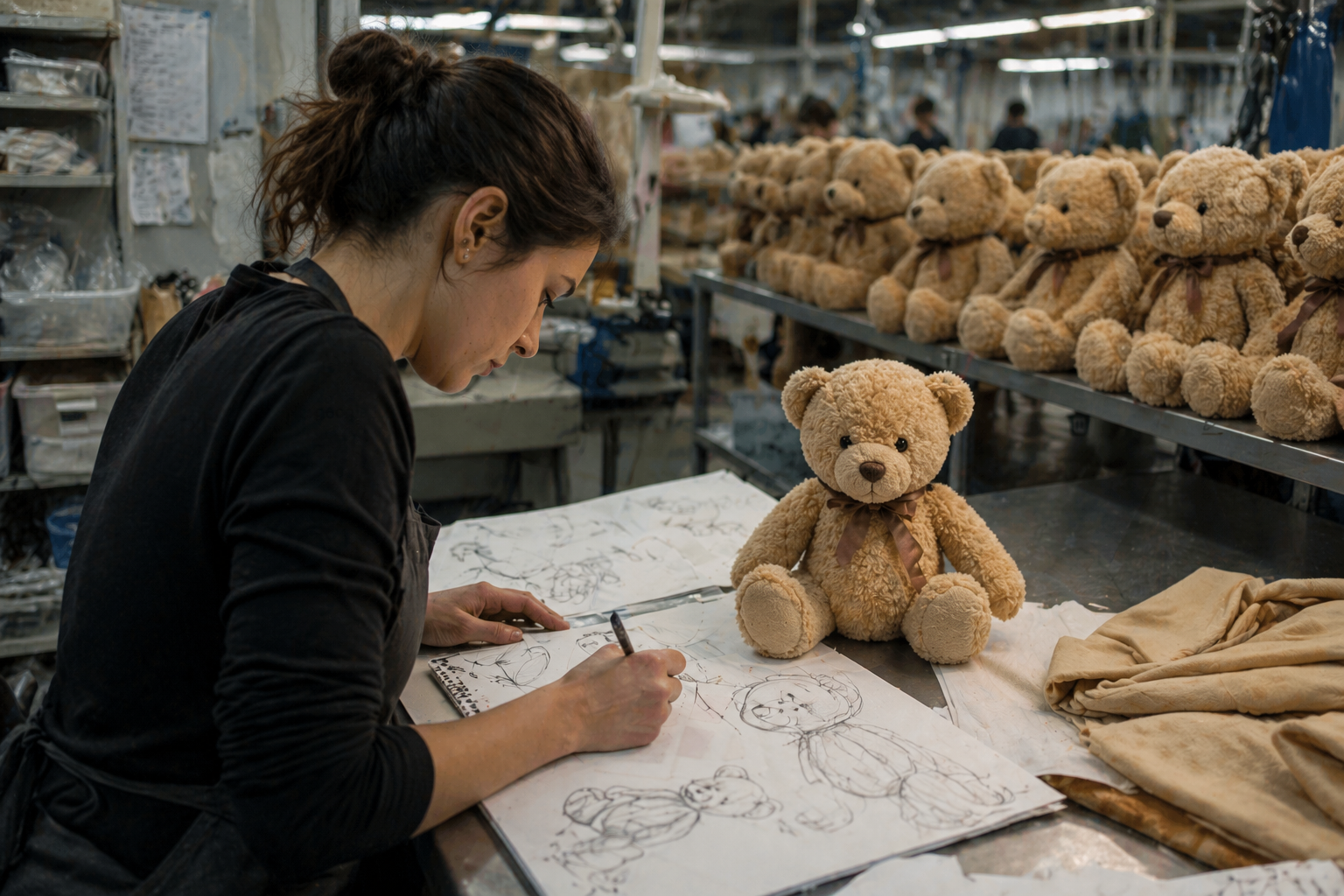
Emma had been writing to her pen pal Yui in Osaka for almost a year. For Yui’s birthday she wanted to send something that didn’t need translating, so she chose a small brown teddy bear with a round face and stitched-on smile, wrapped it in tissue paper and mailed it across the Pacific.
Two weeks later, Yui called on video. She held the bear up to the camera, squeezed it against her cheek and said, “Kawaii desu ne!”
Emma knew kawaii meant cute. But why the desu ne? And why did Yui’s grandmother, peeking in from the side of the screen, say something slightly different: “Totemo kawaii desu”?
Those two sentences hold most of what you need to know about the phrase. Let’s unpack them.
What Does Kawaii Mean?
Kawaii (かわいい, sometimes written 可愛い) is a Japanese adjective meaning cute, adorable, lovable or sweet. It is used for babies, animals, clothes, food, handwriting, rooms and people, and it carries a feeling of tenderness, the urge to look after something small and soft.
The word has a surprising history. It developed from the older word kawayushi, which in turn comes from kaohayushi (顔映ゆし), literally “face aglow,” the flush you feel from embarrassment or pity. Over the centuries the meaning shifted from “pitiable” to “lovable,” and finally to the bright, happy “cute” we know today. The kanji spelling 可愛い (“can be loved”) was matched to the sound later, which is why many Japanese writers simply use hiragana: かわいい.
If you want to go deeper into the culture behind the word, our kawaii encyclopedia and Japanese culture guide are good next stops.
What Does Desu Mean?
Desu (です) is a polite sentence ending. With a noun it works like “is” (kuma desu, “it’s a bear”). With an adjective such as kawaii, it doesn’t change the meaning at all. It just makes the sentence polite.
- Kawaii!: casual, with friends and family.
- Kawaii desu.: polite, with people you don’t know well, older people, shop staff or teachers.
That explains the grandmother. Speaking to a guest on video, she naturally used the polite form, and added totemo (とても), “very.”
Kawaii Desu Ne: Why Yui Added “Ne”
Ne (ね) is a small particle that invites agreement, like “isn’t it?” or “right?” in English. Kawaii desu ne means “it’s cute, isn’t it?” It turns a statement into a shared moment. Yui wasn’t just telling Emma the bear was cute. She was saying “we both think this is cute,” which is a warmer message, and a lovely thing to hear about a gift you chose.
You’ll also hear kawaii desu yo (かわいいですよ). Yo adds emphasis or new information: “it’s cute, you know!” Use it when the other person hasn’t seen the cute thing yet.
How to Pronounce Kawaii Desu
- Kawaii has four short beats: ka-wa-i-i. The double i is a slightly longer “ee,” not two separate words.
- Keep the stress flat and even. English speakers tend to say “ka-WHY,” but Japanese doesn’t stress syllables the same way.
- Desu sounds like “dess.” The final u is so soft it nearly disappears.
- Put it together: kah-wah-ee-ee dess (neh).
Kawaii Desu and Its Most Common Variations
| Phrase | Japanese | Meaning | When to use it |
|---|---|---|---|
| Kawaii! | かわいい! | Cute! | Casual reaction with friends |
| Kawaii desu | かわいいです | It’s cute. | Polite, general use |
| Kawaii desu ne | かわいいですね | It’s cute, isn’t it? | Sharing a cute moment |
| Kawaii desu yo | かわいいですよ | It’s cute, you know! | Recommending something |
| Totemo kawaii desu | とてもかわいいです | It’s very cute. | Polite and enthusiastic |
| Chō kawaii | 超かわいい | Super cute! | Casual slang, very common |
| Kawaisugiru | かわいすぎる | Too cute! | When something is overwhelmingly cute |
| Kawaikatta desu | かわいかったです | It was cute. | Talking about the past |
| Kawaikunai desu | かわいくないです | It isn’t cute. | The polite negative |

The Mistake Emma Made: Kawaii vs. Kowai
When Emma tried to answer, she said “Kowai desu ne!” Yui burst out laughing. Kowai (怖い) means scary. Emma had just told her friend the birthday bear was frightening.
It’s the most common beginner mistake, and an easy one to fix: kawaii has the “wa” sound and four beats (ka-wa-i-i). Kowai has an “o” and three beats (ko-wa-i).
Two more words to keep apart:
- Kawaisou (かわいそう) means “poor thing” or “how sad,” the sympathy you feel for a rained-on puppy. It sounds close to kawaii and shares its old roots, but the meaning is very different.
- Kakkoii (かっこいい) means “cool” or “good-looking.” Use it for a sleek car or a stylish jacket, not a fluffy bear.
Why Plushies Are the Perfect “Kawaii Desu” Moment
Researchers who study kawaii often describe it as a feeling, not just a look: small, round, soft things trigger an instinct to protect and care. That’s exactly why stuffed animals are the go-to example of kawaii in Japan, and why a teddy bear can be understood in any language. We look at that instinct more closely in why teddy bears are so cute.
A few plushies that almost guarantee a “kawaii desu ne!” when they’re unwrapped:
- Super Kawaii Teddy Bear ($34.99): small enough for a desk, a bag charm or a care package abroad, in brown or white.
- Teddy Bear Light Up ($26.99–$66.99): glows softly in blue, pink, white or yellow, in sizes from 32 cm to 75 cm.
- Red Rose Bear ($24.99): a 25 cm bear made of foam roses with a “Just for you” satin bow, a romantic take on kawaii.
- Kawaii Cat Plush ($25.99–$50.99): a round cat pillow in four colours with smiling or open eyes.
- Giant Capybara Plush (from $50.99): Japan’s favourite laid-back animal, big enough to hug like a pillow.

When (and When Not) to Say Kawaii Desu
- Complimenting a gift: “Kawaii desu ne!” is warm and natural.
- In a shop: “Kore, kawaii desu ne” (これ、かわいいですね), “This is cute, isn’t it?”, is a friendly way to chat with staff.
- About a baby or a pet: almost always welcome.
- About an adult: calling a person kawaii is usually a compliment, but some adults, especially men, may prefer kakkoii (cool). Read the room.
- Formal situations: in a business email, a simple subarashii desu (wonderful) or suteki desu (lovely) sounds more professional.
How the Story Ended
After the laughter, Yui taught Emma the right pronunciation, slowly: ka-wa-i-i. Then she held the bear up one more time, and this time Emma got it right: “Kawaii desu ne!” Yui’s grandmother nodded and smiled. “Totemo kawaii.”
The bear now sits on a shelf in Osaka, next to a photo of the two friends. Two small words, a soft toy, and a joke they still tell. That’s what kawaii really means: something small that makes people feel close.
Looking for a bear of your own to send? Browse our kawaii teddy bears, the full kawaii stuffed animals collection, or our gift guide. For more Japanese words used in cute culture, try what Sumikko Gurashi means and our guide to 20 kawaii substyles.
Frequently Asked Questions
What does kawaii desu mean in English?
Kawaii desu (かわいいです) means “it’s cute” or “you’re cute” in polite Japanese. Kawaii means cute, and desu is a polite sentence ending.
What does kawaii desu ne mean?
Kawaii desu ne (かわいいですね) means “it’s cute, isn’t it?” The particle ne invites the listener to agree, which makes it a friendly way to share a cute moment.
How do you pronounce kawaii desu?
Say “kah-wah-ee-ee dess.” Kawaii has four even beats, and the final u in desu is nearly silent.
Is kawaii desu polite?
Yes. Adding desu makes it polite, so it’s suitable for strangers, older people and shop staff. With close friends, plain “kawaii!” is more natural.
What is the difference between kawaii and kowai?
Kawaii (かわいい) means cute. Kowai (怖い) means scary. They sound similar, so pay attention to the “wa” sound and the four beats in ka-wa-i-i.
What does chō kawaii mean?
Chō kawaii (超かわいい) is casual slang for “super cute.” Chō means “super” or “ultra.”