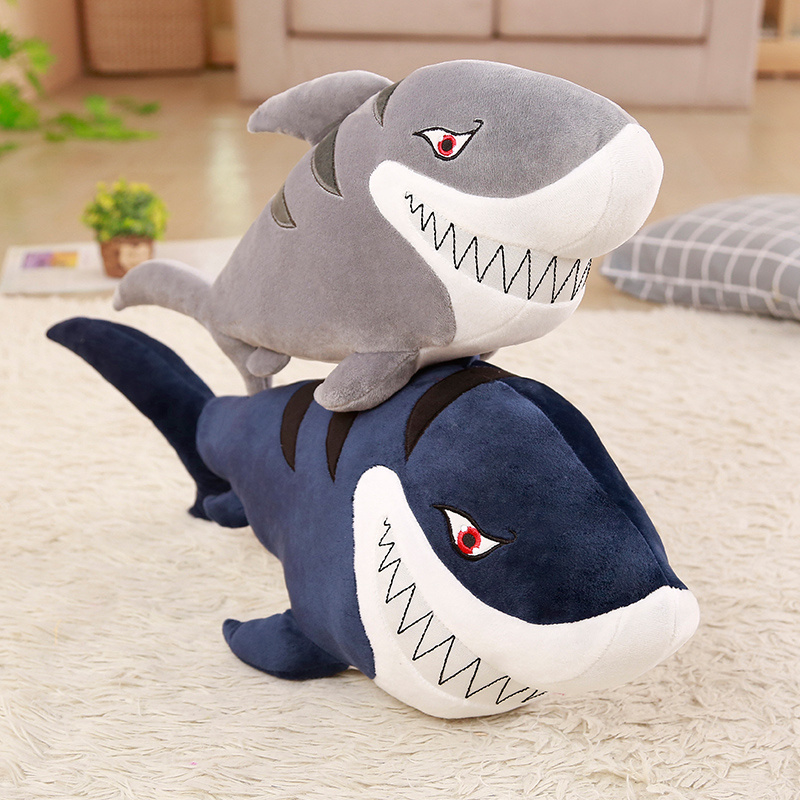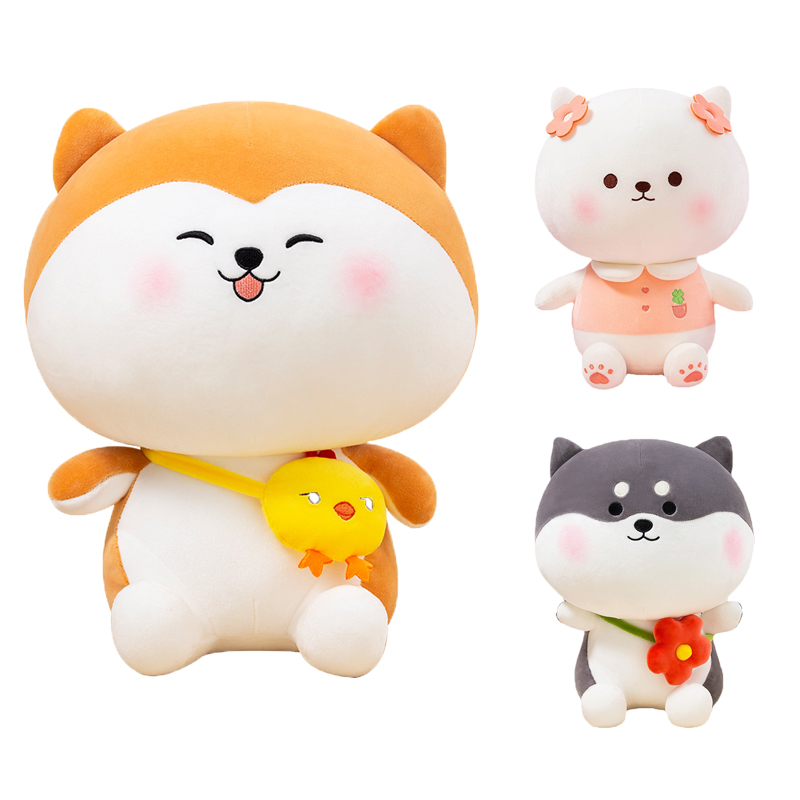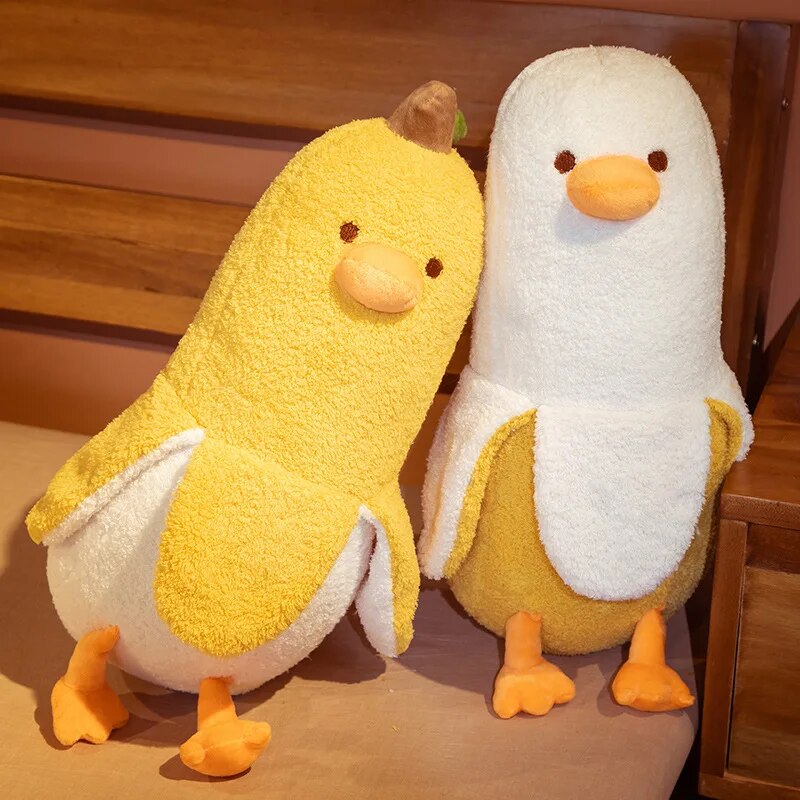
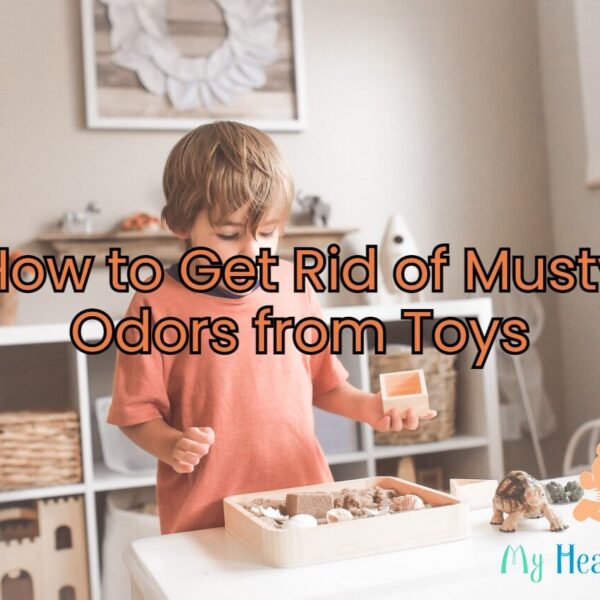
To get rid of musty odours from toys, first remove the cause, which is usually trapped moisture that lets mildew grow. Then air the toy somewhere dry and shady, sprinkle soft toys with baking soda and vacuum it off a few hours later, wash anything washable according to its label, and make sure it dries completely. Plastic toys can be cleaned with warm soapy water or a diluted vinegar solution. If a toy has visible mould inside that you can’t clean, such as a squeeze bath toy or a soaked plush, it’s safest to throw it away. Here’s a step-by-step guide for plush, plastic, bath and wooden toys, plus how to stop the smell coming back.
Key Takeaways
- Musty smells usually mean moisture and mildew, often from damp storage or incomplete drying.
- Airing and baking soda remove light odours from soft toys.
- Wash and dry fully anything the care label allows.
- Test vinegar or cleaners on a hidden area first.
- Throw away toys with mould you can’t clean, especially inside bath toys.

What Causes Musty Odours in Toys?
A musty or “damp cupboard” smell is usually caused by mildew or mould, which grow when toys stay damp or are stored in humid places. Common causes include:
- plush that wasn’t dried thoroughly after washing
- bath toys with water trapped inside
- toys stored in sealed plastic boxes, lofts, garages or basements
- spills, drool or wet hands that soak into fabric
- toys left in humid rooms such as bathrooms
Odours can also come from food, sweat or general dust, but moisture is the most common culprit.
How to Remove Musty Odours from Stuffed Animals
- Check the label. It tells you whether the toy can be machine-washed, hand-washed or only spot-cleaned.
- Air it out. Leave the plush in a dry, well-ventilated spot, ideally outdoors in the shade on a dry day, for several hours. Fresh air alone removes light odours. Avoid strong direct sun for long periods, which can fade colours.
- Use baking soda. Place the toy in a bag or box with a few spoonfuls of baking soda, shake gently and leave it for a few hours or overnight. Then vacuum or brush off the powder thoroughly.
- Wash if allowed. Use a gentle cycle or hand wash with mild detergent. Putting the plush in a pillowcase or laundry bag protects it in the machine.
- Dry completely. This is the most important step. Squeeze out water gently, then air-dry until the filling is fully dry inside, or tumble-dry on low only if the label allows. Damp filling is what causes the smell to return.
For step-by-step washing, see how often to wash your kids’ stuffed animals and, for large plush, how to clean giant stuffed animals.
How to Deodorise Plastic Toys
- Wash in warm water with a little washing-up liquid, using a soft brush for crevices.
- For stubborn smells, soak in a solution of one part white vinegar to about four parts water for 15 minutes, then rinse well.
- Dry thoroughly in the air before putting away.
Check manufacturer instructions first, and never mix vinegar with bleach or other cleaners.
Bath Toys: A Special Case
Squeeze bath toys with a small hole often grow mould inside, because water gets trapped and never fully dries. If you can see black spots inside or squeezed-out water looks dirty, the safest option is usually to throw the toy away. To prevent it, squeeze out all the water after every bath and let toys dry upside down, choose bath toys without holes or ones that open for cleaning, and clean them regularly.
Wooden Toys
Wooden toys shouldn’t be soaked, as water can warp and crack them. Wipe them with a cloth dampened in mild soapy water or a dilute vinegar solution, then dry straight away. Air them in a dry room to remove light odours.
Cleaning Methods at a Glance
| Toy type | Best method | Avoid |
|---|---|---|
| Washable plush | Gentle wash, then full drying | Hot dryer unless the label allows |
| Spot-clean plush | Airing, baking soda, damp-cloth cleaning | Soaking |
| Plastic toys | Warm soapy water or dilute vinegar soak | Mixing cleaning products |
| Bath toys | Squeeze dry after use; discard if mouldy inside | Leaving water inside |
| Wooden toys | Wipe and dry immediately | Soaking |
Toys with Electronics or Batteries
Plush or plastic toys with sound boxes, lights or batteries need extra care. Never submerge them unless the manufacturer says it’s safe. Remove batteries first, then spot-clean the outside with a barely damp cloth and mild soap, and let the toy air-dry fully before replacing the batteries. Some plush has a removable sound box, which you can take out before hand-washing the fabric. If water gets into the battery compartment, leave it open to dry completely and check for corrosion before using the toy again.
Freshening Toys Between Washes
You don’t need to wash toys constantly. In between, give plush a shake and an airing once a week, lint-roll or brush off dust, and rotate toys so they’re not all sitting in a pile. Keeping a few toys in use and the rest in breathable storage also gives each toy time to air. Avoid spraying perfumes or air fresheners directly onto children’s toys, as they can irritate sensitive skin and noses and only mask odours rather than removing the cause.
When to Throw a Toy Away
- Visible mould that won’t come off, or mould inside a toy you can’t open.
- Plush where the filling stays damp or smells after washing and drying.
- Toys that have been soaked by floodwater or sewage.
- Any toy a baby mouths that can’t be cleaned properly.
If you’re unsure, it’s safer to replace the toy, especially for babies and young children.

How to Stop Musty Smells Coming Back
- Always dry toys completely before storing them.
- Store toys in breathable containers such as fabric bins or cotton bags rather than sealed plastic.
- Keep storage dry: avoid lofts, garages and damp basements.
- Air plush regularly, especially toys kept in cupboards.
- Clean spills quickly before they soak into filling.
- Reduce humidity in children’s rooms with good ventilation.
For storage ideas, read stuffed animal storage ideas and how to look after a plush toy collection.
Frequently Asked Questions
Why does my child’s stuffed animal smell musty?
Usually because it stayed damp after washing or was stored somewhere humid, letting mildew grow inside the filling.
Does baking soda remove smells from plush?
Yes, for light odours. Leave it on for a few hours or overnight, then vacuum or brush it off thoroughly.
Can I use vinegar on stuffed animals?
A dilute vinegar solution can help, but test it on a hidden area first and follow the care label.
Should I throw away a mouldy bath toy?
If there’s mould inside that you can’t clean, yes. Squeeze bath toys dry after every use to prevent it.
Can I use air freshener on toys?
It’s best not to. Fragrance sprays only mask smells and can irritate children; airing, baking soda and proper washing remove the cause.
How do I dry a stuffed animal completely?
Squeeze out water gently, then air-dry in a warm, ventilated room, turning it often, until the filling is dry right through.
Keep Toys Fresh and Clean
A little care keeps toys smelling fresh and safe for play. Store them in our breathable plush toy storage, choose easy-care favourites from our kawaii stuffed animals, or start at the My Heart Teddy homepage.