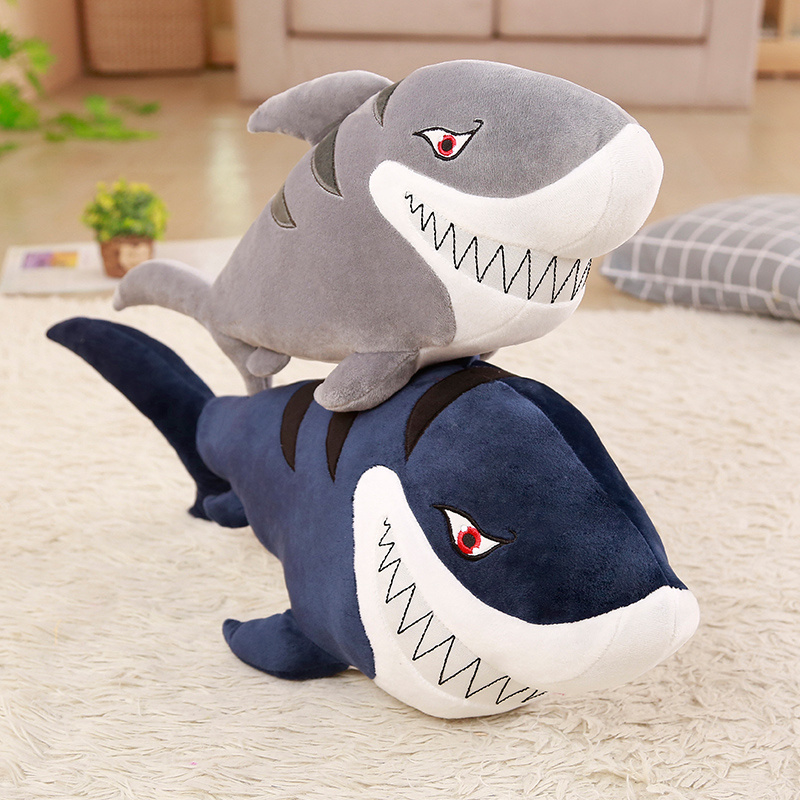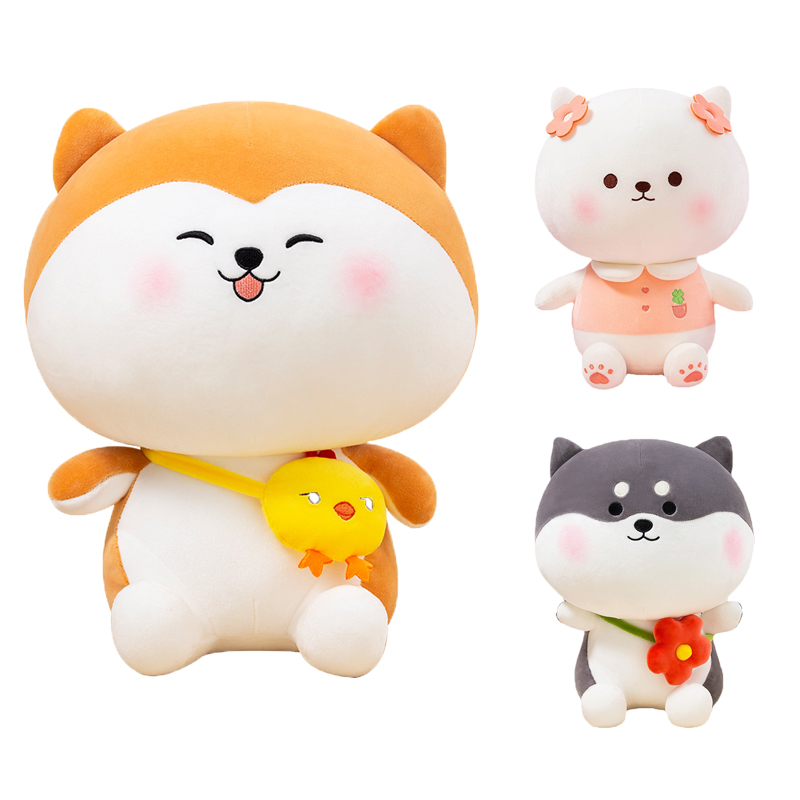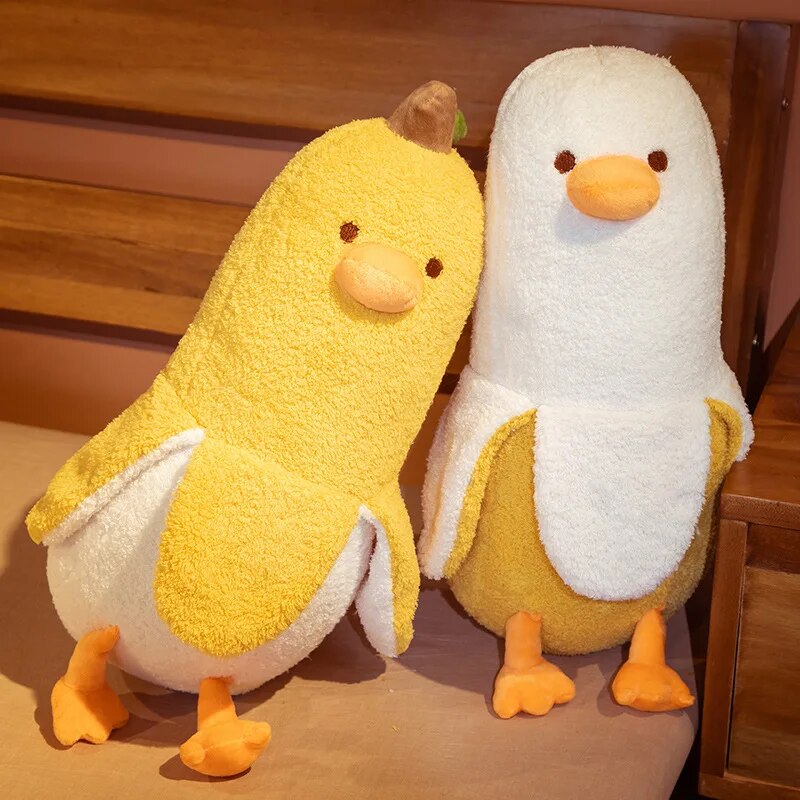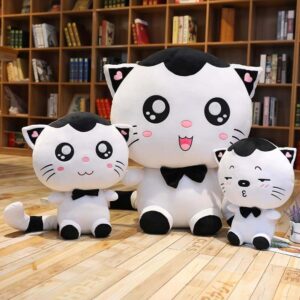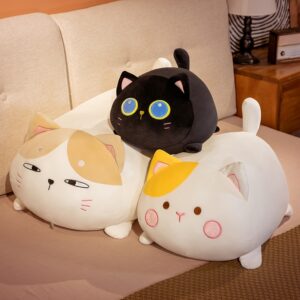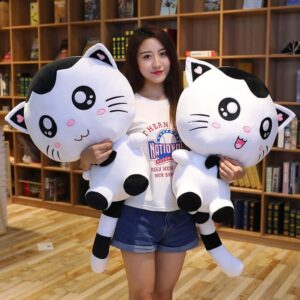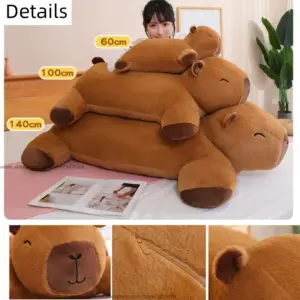

There are dozens of fun games kids can play with their stuffed animals: teddy bear picnics, pretend vet or doctor clinics, hide and seek with a plush, a stuffed animal school, plush parades and talent shows, toy sleepovers, sorting and counting games, obstacle-course rescues and puppet shows. These games need nothing but a few plushies and some imagination, and they help children practise language, counting, empathy, problem-solving and storytelling while having fun. Here are fifteen easy games for different ages, plus tips for making plush play even better.
Key Takeaways
- Pretend play games like picnics, vets and school build language and empathy.
- Active games like plush parades and rescues burn energy indoors.
- Learning games like sorting and counting sneak in early maths.
- Creative games like puppet shows and photo stories spark imagination.
- Pick games by age and let your child take the lead.

Pretend Play Games
1. Teddy bear picnic
Lay out a blanket, cups, plates and pretend (or real) snacks, and invite every plushie. Children practise serving, sharing and polite conversation. Sing songs and tell stories as the “guests” enjoy their feast.
2. Vet or doctor clinic
Set up a clinic with a toy doctor’s kit, bandages made from fabric scraps and a waiting area. Children diagnose, bandage and comfort their patients. This game can also help children feel less nervous about their own check-ups.
3. Stuffed animal school
Line up plushies as pupils and let your child be the teacher, taking a register, reading a story or teaching letters and numbers. It’s great for practising what they’re learning.
4. Shop or café
Plushies become customers at a pretend shop or café. Children take orders, “make” food and handle play money, practising counting and conversation.
5. Stuffed animal sleepover
Before bed, set up a cosy “sleepover” for plushies with tiny blankets and a bedtime story. It’s a gentle wind-down game, and children over 12 months can then cuddle a favourite to sleep.
Active Games
6. Hide and seek
Hide a plush somewhere in the room and give clues: “warmer” or “colder,” or riddles for older children. Take turns hiding and seeking.
7. Plush parade
Line up the plushies and march them around the house to music, or put on a talent show where each toy “performs.”
8. Obstacle-course rescue
Build a course with cushions and chairs, then “rescue” a stuck plushie on the other side. Great for burning energy on rainy days.
9. Plush toss
Toss soft toys into a laundry basket or hula hoop from different distances. Soft plush is safe for indoor throwing and makes a fun aiming game.
Learning Games
10. Sorting and counting
Sort plushies by colour, size or type of animal, then count each group. Older children can make simple graphs of their collection.
11. Animal facts game
For each plush animal, share one real fact: where it lives, what it eats or what sound it makes. A dinosaur plush like the Brontosaurus Dinosaur Stuffed Animal (from $29.95) is perfect for prehistoric facts.
12. Story chain
Each player adds one sentence to a story starring the plushies. It builds vocabulary, listening and imagination. Read why storytelling is important for kids.

Creative Games
13. Puppet show
Turn a cardboard box or a table with a sheet into a stage, and let plushies perform a show with different voices.
14. Plush photo story
Older children can photograph their plushies in different poses and places to create a photo story or a mini comic.
15. Dollhouse adventures
Small plush can visit a dollhouse or a cardboard-box house. Older kids may enjoy building a detailed miniature home with our DIY doll house kits.
Games for Siblings and Playdates
Plush games are perfect for playing together. Siblings can run a shop where one is the shopkeeper and the other the customer, then swap roles. Friends can bring their own plushies to a “zoo” where each child is a keeper describing their animals. A plush relay race, passing a soft toy along a line without dropping it, gets everyone laughing. Group games like these encourage turn-taking, cooperation and sharing, and they’re easy to adapt for children of different ages, with older ones helping younger ones.
Rainy-Day Plush Olympics
Stuck indoors? Hold a Plush Olympics. Set up events such as the long jump (toss a plush as far as possible), the balance beam (walk along a line of tape with a plush on your head), the obstacle course and the “gentle landing” (drop a plush onto a cushion target). Make medals from paper and let each plushie compete. Children practise coordination, counting scores and good sportsmanship.
Making Simple Props at Home
You don’t need to buy accessories for plush play. Shoe boxes become beds or cars, tea towels turn into capes, paper cups make hats, and fabric scraps become bandages or blankets. A cardboard box with a door cut out is an instant house, and a laundry basket can be a boat. Making props together is a creative activity in its own right.
Games by Age
| Age | Best games |
|---|---|
| 1–3 years | Hide and seek, plush toss, simple picnics, sleepovers |
| 3–5 years | Vet clinic, shop, school, parades, sorting by colour |
| 6–8 years | Story chains, obstacle rescues, animal facts, puppet shows |
| 9+ years | Photo stories, comics, dollhouse building, plush talent shows |
What Kids Learn Through Plush Games
- Language: giving toys voices and telling stories.
- Empathy: caring for “patients” and “guests.”
- Maths: counting, sorting and using play money.
- Problem-solving: rescues and hide-and-seek clues.
- Creativity: shows, stories and photo comics.
Read more in how stuffed animals contribute to your child’s development.
Tips for Great Plush Play
- Let your child lead and follow their ideas.
- Join in: giving a toy a funny voice makes any game better.
- Rotate plushies so different toys get a turn in the spotlight.
- Use everyday items like boxes, blankets and cups as props.
- Choose safe, age-appropriate plush with stitched features for young children.
Most importantly, keep play relaxed and fun. There’s no right or wrong way to play with stuffed animals, and the best games are often the ones your child invents.
Frequently Asked Questions
What games can you play with stuffed animals?
Teddy bear picnics, vet clinics, school, hide and seek, parades, sorting and counting, story chains and puppet shows.
Are stuffed animal games good for development?
Yes. They support language, empathy, problem-solving, counting and creativity.
How can I make plush play more fun?
Join in with voices and stories, use simple props and let your child direct the game.
How many stuffed animals do kids need for these games?
Just a few. Even one or two plushies can star in a picnic, a clinic or a puppet show.
What can I use as props for plush games?
Everyday items work well: boxes, blankets, cups, tea towels, cushions and fabric scraps.
Can older children play with stuffed animals?
Yes. Older kids enjoy photo stories, comics, talent shows and building miniature worlds for their plush.
What age is pretend play with stuffed animals best for?
Simple pretend play often begins around 18 months to 2 years and grows more complex through the preschool and early school years.
Let the Games Begin
With a few plushies and a little imagination, every day can be an adventure. Find new playmates in our kawaii stuffed animals and stuffed animals for toddlers, explore how to play pretend with a toddler, or start at the My Heart Teddy homepage.