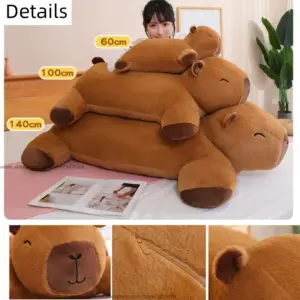

The best ways for children to have fun mix play with a little learning: cracking secret codes, simple weaving and crafts, pretend play with toys and plushies, building forts, scavenger hunts, music, baking and outdoor games. Most of these need nothing more than paper, string, a few household items and some time together. Below are fifteen tried-and-tested ideas for different ages, including activities that build reading, maths and language skills, plus tips for keeping children happily busy without relying on screens.
Key Takeaways
- Secret codes turn reading and maths into a puzzle.
- Crafts like weaving build fine motor skills and patience.
- Pretend play with plush supports language and empathy.
- Active games like scavenger hunts burn energy and spark curiosity.
- Talking during play is one of the easiest ways to help young children learn new words.

Secret Codes for Kids
Codes make children feel clever and give reading and number practice a sense of mystery.
1. Number code
Swap each letter for a number (A = 1, B = 2, and so on). Write a message in numbers, give your child the key and let them decode it. Older children can write their own coded notes.
2. Caesar cipher
Named after Julius Caesar, who is said to have used it, this code shifts every letter a set number of places along the alphabet. With a shift of three, A becomes D and B becomes E. Make a simple paper wheel to help younger children encode and decode.
3. The scytale
An ancient Greek method associated with the Spartans: wrap a strip of paper around a cylinder, write the message along it, then unwrap it. The letters only line up again when the strip is wrapped around a cylinder of the same size. A kitchen roll tube works perfectly.
4. Invisible ink
Write a message with lemon juice and a cotton bud, let it dry, then have an adult gently warm the paper (for example near a lamp bulb) to reveal the writing as it turns brown.
Crafts and Making
5. Simple weaving
Cut slits into the top and bottom of a piece of card, wrap wool around it to make the “warp,” then weave strips of paper or yarn over and under. A blunt plastic needle keeps it safe for young hands, and patting the rows down is surprisingly satisfying. Weaving builds hand-eye coordination and introduces patterns.
6. Loom band jewellery
For older children, rubber band bracelets are a colourful, absorbing craft; see more about kids with loom bands.
7. Sticker scenes and journals
A notebook and a sheet of stickers become a story, a map or a comic strip. See our kawaii stickers and kawaii notebooks.
Pretend Play and Toys That Build Language
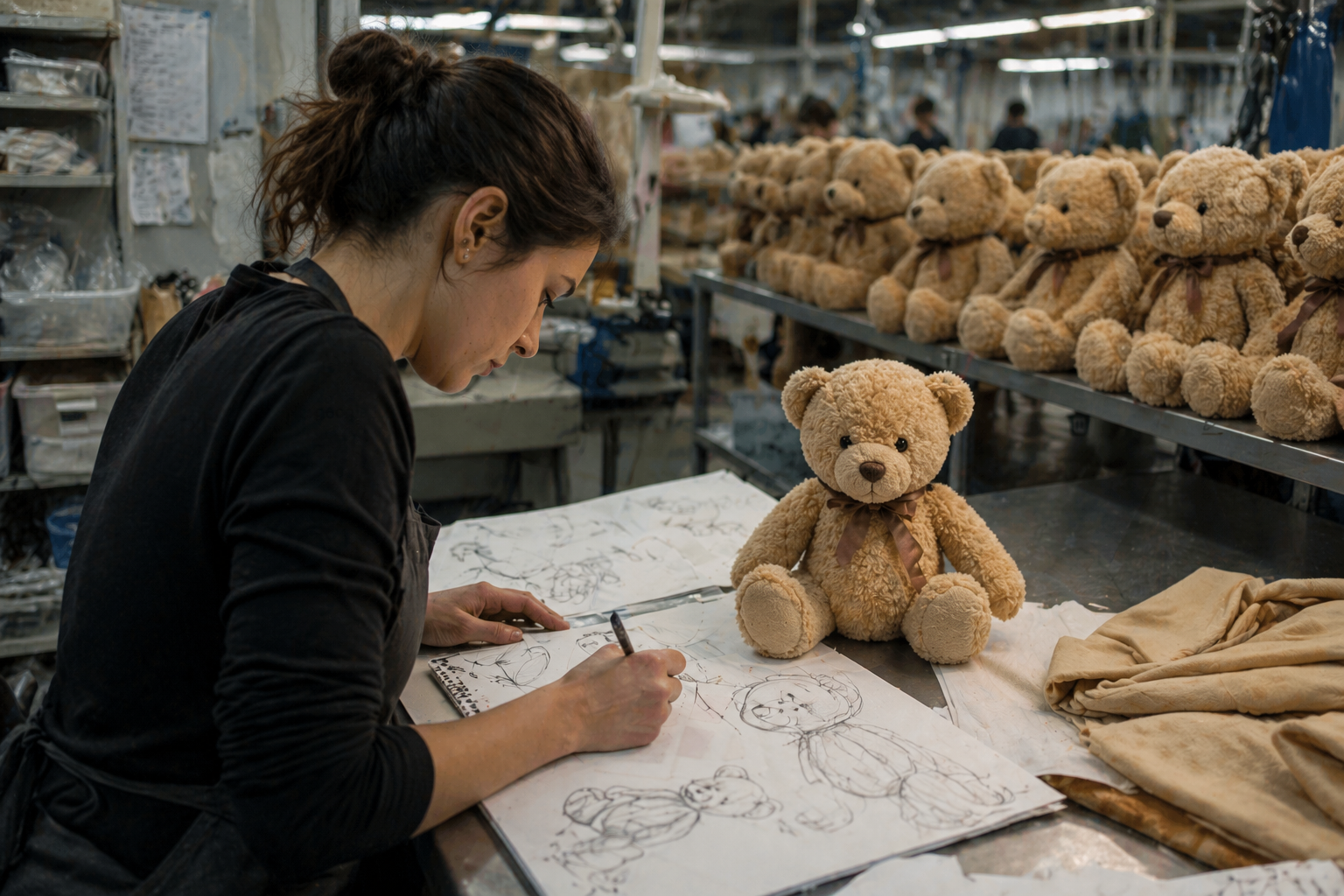
8. Teddy bear picnic or tea party
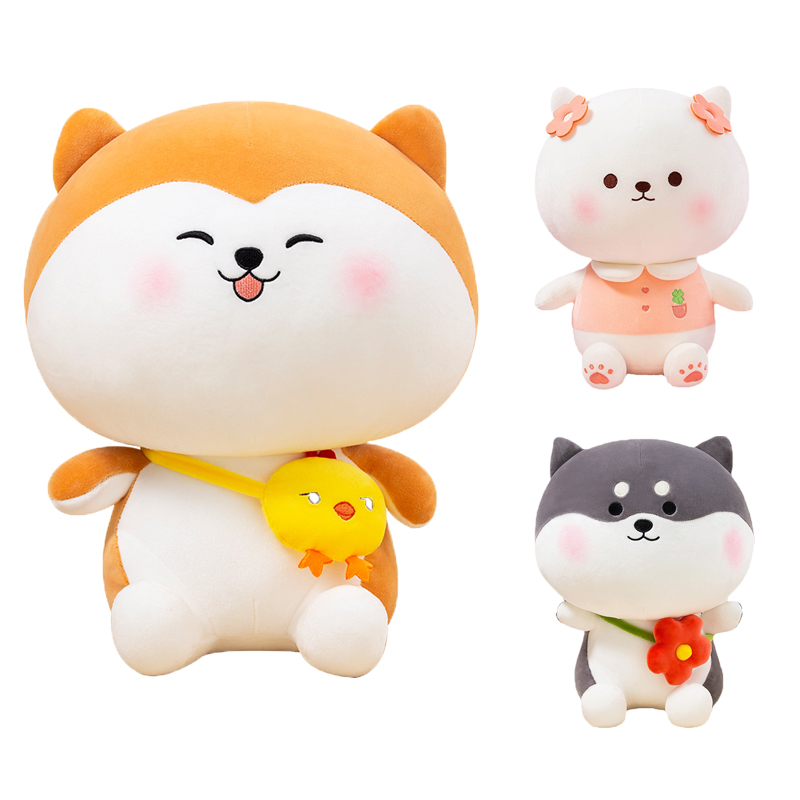
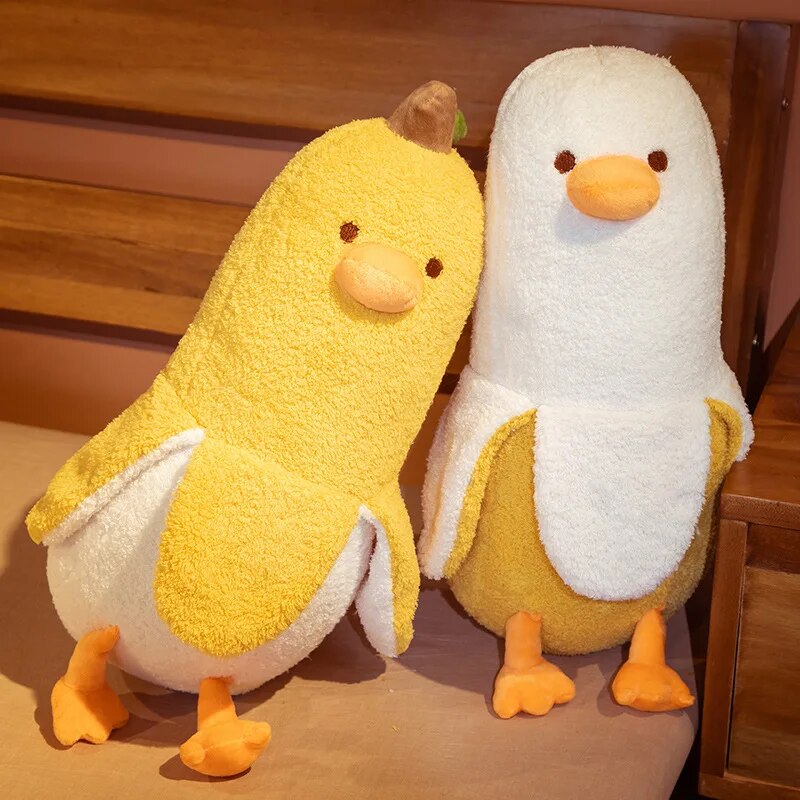
Set out a blanket, cups and pretend food for a party with plushies as guests. Children practise sharing, manners and conversation.
9. Toy cars and garages for “position words”
Driving cars in, out, on, under and behind a garage is a natural way to teach toddlers small but important words.
10. Animal sounds and names
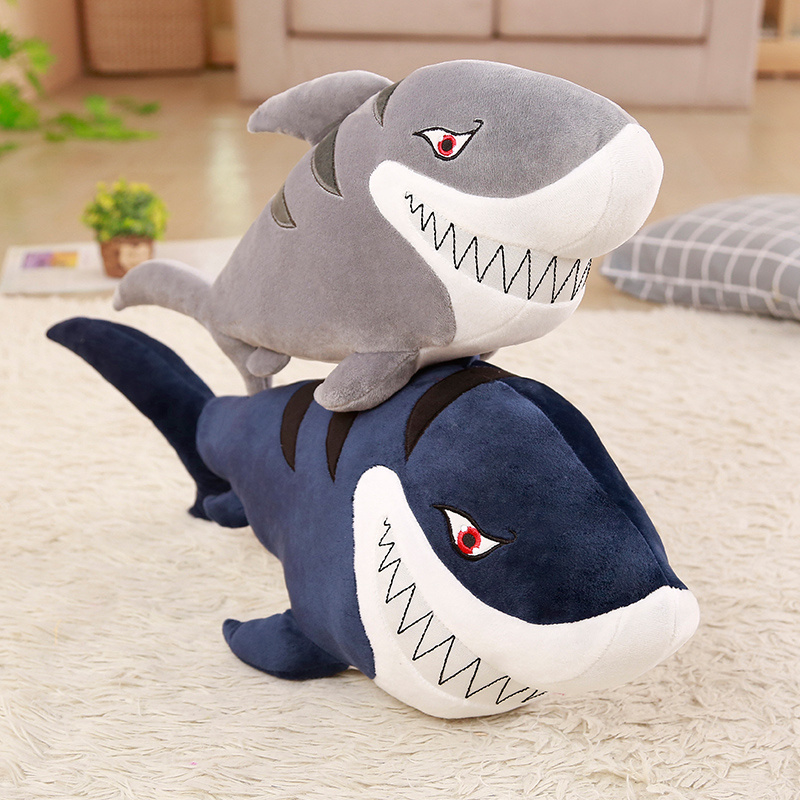
Plush or toy animals are perfect for practising animal names and sounds with toddlers, and for describing size, colour and texture with older children. Explore our sea animal toys and kawaii stuffed animals.
The key to building language is talking together: describe what you’re doing, ask open questions and wait for answers. Read more in how to play pretend with a toddler and why storytelling is important for kids.
Active and Adventurous Fun
11. Scavenger hunt
Write or draw a list of things to find indoors or in the garden, such as “something red,” “a leaf” or “something soft.” For readers, use riddles as clues.
12. Build a blanket fort
Chairs, sheets and cushions make a den for reading, snacks and a plushie sleepover. Add a torch for extra adventure.
13. Dance party or musical statues
Put on music and freeze when it stops. It’s great for burning energy on rainy days.
Learning Through Everyday Activities
14. Baking together
Measuring, pouring and counting turn baking into a maths lesson, and children love eating the results. Always supervise around ovens and knives.
15. Gardening
Planting seeds in a pot or garden teaches patience and responsibility, and children love checking on their seedlings each day.
A Rainy-Day Fun Plan
Stuck indoors? Try this simple schedule to keep the day moving:
- Morning: a secret-code treasure hunt around the house, with a small prize at the end.
- Late morning: a craft session, such as card weaving or a sticker comic.
- Lunch: make sandwiches or pizzas together.
- Afternoon: build a blanket fort and read stories inside with a pile of plushies.
- Late afternoon: a dance party or musical statues to burn off energy.
- Evening: a quiet game or puzzle before bath and bed.
Family Game Night Ideas
Once a week, gather everyone for a game night. Classic card games, charades, simple board games and “guess the drawing” games work for mixed ages. Let a different family member choose the game each week, and make it special with snacks and a cosy setup. Game nights build turn-taking, counting and good sportsmanship, and they give everyone something to look forward to.

Activity Ideas by Age
| Age | Good activities |
|---|---|
| 1–3 years | Animal sounds with plush, toy cars and position words, dancing, simple stickers |
| 3–5 years | Tea parties, card weaving, scavenger hunts with pictures, baking with help |
| 6–8 years | Number codes, invisible ink, loom bands, blanket forts, gardening |
| 9+ years | Caesar cipher and scytale, journaling, advanced crafts, planning a family game night |
Tips for Screen-Free Fun
- Keep supplies handy in an “activity box” with paper, crayons, stickers, string and tape.
- Rotate toys so older ones feel new again.
- Follow your child’s interests: a dinosaur fan will love a dinosaur scavenger hunt.
- Join in: children play longer and more creatively when an adult shares the fun.
- Allow boredom: a little downtime often sparks the most creative ideas.
For more ideas, see things to do at home to keep the kids busy and fun games kids can play with their stuffed animals.
Frequently Asked Questions
What are fun activities for kids at home?
Secret codes, crafts, blanket forts, tea parties with plushies, scavenger hunts, baking and dance parties are all easy and fun.
How can I make learning fun for my child?
Turn skills into games: codes for reading, baking for maths, and pretend play for language.
What is a simple secret code for kids?
The number code (A = 1, B = 2…) is the easiest. Older children enjoy the Caesar cipher, which shifts letters along the alphabet.
What can kids do on a rainy day?
Plan a mix of quiet and active fun: a code treasure hunt, a craft, a blanket fort with stories, and a dance party to burn off energy.
Why is play important for children?
Play helps children develop language, problem-solving, social skills and creativity, and it’s how they make sense of the world around them.
How do I keep my child busy without screens?
Keep an activity box ready, rotate toys, follow their interests and join in the play.
More Ways to Play
Fun doesn’t need to be complicated. A plushie, a sheet of stickers or a secret message can fill an afternoon with laughter. Explore our kawaii stationery, mini claw machines and stuffed animals for toddlers, or start at the My Heart Teddy homepage.