
Capybara hot springs are warm outdoor baths that Japanese zoos prepare for their capybaras each winter. The tradition began by accident in 1982 at Izu Shaboten Zoo, when a keeper noticed capybaras gathering in hot cleaning water. Today some zoos even float yuzu citrus in the bath, following a Japanese winter custom.
Few animal photos are as soothing as a capybara up to its chin in steaming water, eyes half closed and a citrus fruit balanced on its head. This guide explains where capybara hot springs (onsen) came from, why capybaras enjoy them, what the yuzu is for, and how to see the baths yourself. For the basics on why capybaras are so lovable, start with our capybara plushies guide.
Key Takeaways
- The capybara hot spring started in 1982 at Izu Shaboten Zoo in Shizuoka Prefecture, Japan.
- It was discovered by accident, when capybaras huddled in warm water a keeper had used for cleaning.
- Yuzu baths follow a Japanese custom of bathing with yuzu around the winter solstice.
- Other Japanese zoos copied the idea, so several parks now run capybara baths in winter.
- Season: the baths run in the colder months, roughly late autumn to early spring. Check each zoo’s website for dates.

What Is a Capybara Hot Spring?
A capybara hot spring is a heated outdoor pool, set up in a zoo’s capybara area during winter, where the animals can soak whenever they like. In Japanese, a hot spring bath is called an onsen, so these are often known as “capybara onsen”. The capybaras walk in and out freely, and many visitors come just to watch them relax.
The water is not a natural spring at every zoo. Some parks use heated water. The idea is the same everywhere: give a warm-climate animal a cosy place to warm up on cold days.
How Did Capybara Hot Springs Start?
Capybara hot springs started by chance. On a cold winter day in 1982, a keeper at Izu Shaboten Zoo in Shizuoka Prefecture was cleaning the capybara enclosure with hot water. The capybaras gathered in the warm puddles and huddled together. Staff realised the animals loved the warmth, so they began preparing a proper warm bath for them each winter.
The bath became one of the zoo’s best-known attractions. Over the following decades, other Japanese zoos and animal parks adopted their own capybara baths, and photos spread around the world.
Why Do Capybaras Like Hot Springs?
Capybaras like hot springs because warm water helps them stay comfortable in a climate much colder than their home. Wild capybaras live in South America, around rivers, lakes and wetlands, where the weather is warm for much of the year. Japanese winters can be cold, and keepers have observed that capybaras develop dry skin in winter, which a warm soak may soothe.
Capybaras are also natural water lovers. They are semi-aquatic, with slightly webbed feet, and their eyes, ears and nostrils sit high on the head so they can stay low in the water while still seeing, hearing and breathing. A capybara relaxing in a bath is simply doing what comes naturally, just with warmer water.

Why Do Capybaras Have Yuzu in Their Bath?
Capybaras have yuzu in their bath because of a Japanese winter custom called yuzuyu (yuzu bath). Around the winter solstice, many people in Japan float yuzu citrus in their bath, a tradition linked to staying healthy through winter. Izu Shaboten Zoo applies the same custom to its capybaras, filling their pool with yuzu during the season.
Yuzu is a fragrant citrus fruit, a little like a cross between a lemon and a mandarin. The bright yellow fruit bobbing around the brown capybaras makes for some of the most photographed scenes in Japanese zoos. Some capybaras even nibble the fruit, and keepers watch the animals closely.
Where Can You See Capybaras in Hot Springs?
You can see capybaras in hot springs at several Japanese zoos during winter. Izu Shaboten Zoo, near Itō on the Izu Peninsula, is the original. Since the idea spread, other parks run their own capybara baths, so check which zoos are near your travel route.
Before you go, keep these tips in mind:
- Check the season: baths usually run in winter, roughly late autumn to early spring. Dates vary each year, so check the zoo’s official website.
- Check bath times: some zoos run special yuzu days or set bath times, especially around the winter solstice.
- Be respectful: follow staff instructions, keep your hands out of the enclosure and avoid flash photography.
- Dress warmly: you will be outdoors in winter, watching very comfortable capybaras.
Is the Capybara Onsen Good for the Animals?
Zoos design capybara baths as winter enrichment: a comfortable option the animals can choose to use or ignore. Because capybaras come and go freely and keepers monitor them, the baths give them a warm retreat on cold days. This also fits how capybaras naturally live, spending much of their time in or near water.
As with any animal attraction, welfare depends on good care: clean water, sensible temperatures, space to leave the pool and staff who watch for stress. Visitors help by staying calm and quiet.
How to Bring the Capybara Onsen Mood Home
You can’t soak with a capybara, but you can borrow their winter calm. A soft capybara plush, a warm drink and a blanket make a pretty good home onsen. Our capybara plushies are ready for cosy nights in:
- Giant Capybara Plush: big enough to lean on, from $50.99.
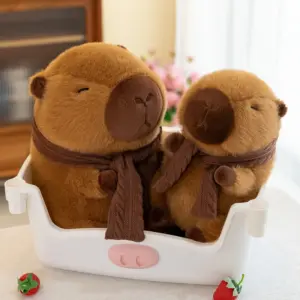
- Cozy Capybara Plush with Scarf: dressed for winter in a knitted scarf, $35.99.
- Capybaras with Red Hats and Plush Hamburgers: a fun pair for collectors, from $90.99.
Please keep plushies out of the bath, though. Most plush should be spot cleaned or gently washed and dried flat, as explained in our guide to cleaning giant stuffed animals. See all our capybara plush, or discover why capybaras are so sociable in why capybaras get along with other animals.

What Is an Onsen? A Quick Guide for Capybara Fans
An onsen is a Japanese hot spring bath, and bathing in one is a much-loved part of Japanese life. Japan is a volcanic country with thousands of natural hot springs, and people visit onsen towns to relax, especially in the colder months. Many onsen are outdoors, so bathers can soak in warm water while snow falls around them, which is exactly the scene capybara baths recreate.
Human onsen come with a few etiquette rules, and they explain why capybara baths feel so fitting:
- Wash before you soak. Bathers rinse and wash at a shower area before entering the shared bath.
- Keep the water clean. Towels stay out of the water, and many people rest a small towel on their head, much like a capybara wearing a yuzu.
- Relax quietly. An onsen is a place to unwind, not to splash.
Capybaras have no rules to follow, of course, but the sight of them soaking calmly in steaming water, eyes half closed, is the onsen mood in animal form. It is easy to see why these baths became such a hit with Japanese visitors.
FAQs
Do capybaras like hot water?
Capybaras appear to enjoy warm water, especially in cold weather. In Japanese zoos they often choose to soak in heated baths for long periods during winter, which is how the capybara onsen tradition began.
Where is Izu Shaboten Zoo?
Izu Shaboten Zoo is in Shizuoka Prefecture, Japan, near the city of Itō on the Izu Peninsula. It is known as the zoo where the capybara hot spring tradition began in 1982.
When is the capybara hot spring season?
Capybara baths usually run during the colder months, roughly from late autumn to early spring. Exact dates and yuzu bath days change each year, so check the zoo’s official website before visiting.
Why are capybaras so popular in Japan?
Capybaras’ calm, rounded look fits Japan’s kawaii (cute) culture perfectly. Hot spring photos, capybara characters and merchandise have all helped make them one of the country’s favourite zoo animals. Learn more about the word in our guide to kawaii desu meaning.
Can I bathe my capybara plush?
Soaking a plush can clump the filling and take a long time to dry. Spot clean it, or use a gentle cold machine wash in a mesh bag if the care label allows, then air dry it fully.
What is yuzu?
Yuzu is a fragrant East Asian citrus fruit, a little like a cross between a lemon and a mandarin. In Japan it is used in cooking and, every winter, floated in baths as part of the yuzu bath custom.
Explore more cuddly companions in our kawaii stuffed animals, or head back to the My Heart Teddy homepage.