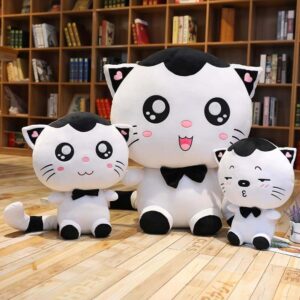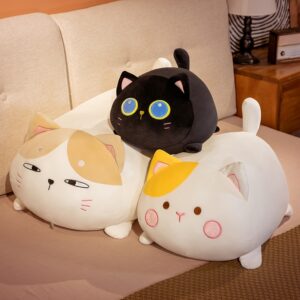
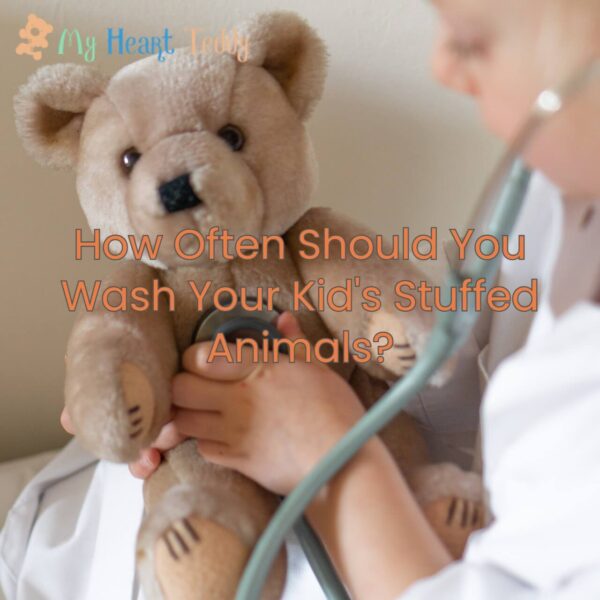
How often should you wash your kids’ stuffed animals? A good rule of thumb is to wash a child’s everyday bedtime plush every one to two weeks, other well-used plush about once a month, and display or rarely used plush every few months, plus straight away after illness, spills, vomit or a trip somewhere messy. Children with dust-mite allergies or asthma may need their plush washed more often, ideally in hot water if the label allows. Always check the care label, then choose machine washing, hand washing or spot-cleaning accordingly. Here’s a simple schedule and step-by-step instructions for keeping your child’s plush clean, safe and soft.
Key Takeaways
- Bedtime plush: wash every 1–2 weeks.
- Everyday play plush: about once a month.
- Always wash after illness, vomit or heavy soiling.
- Allergies: wash more often, in hot water (at least 130°F / 54°C) if the label allows.
- Dry completely to prevent musty smells and mould.

How Often to Wash Stuffed Animals
| Type of plush | How often |
|---|---|
| Favourite bedtime plush | Every 1–2 weeks |
| Everyday play plush | About once a month |
| Plush that goes outdoors, to nursery or on trips | After each messy outing |
| Display or rarely used plush | Every few months, plus regular dusting |
| Any plush after illness | Straight away |
| Plush for a child with dust-mite allergies | Weekly, if possible |
Why Washing Plush Matters
Stuffed animals go everywhere with children, so they collect dust, crumbs, drool, skin oils, pet hair and germs. Dust mites, among the most common indoor allergy triggers, can live in soft toys just as they do in bedding. Regular washing keeps plush hygienic, fresher-smelling and kinder to sensitive noses and skin. For more on allergies, read how to make a hypoallergenic purchase online.
Step 1: Check the Care Label
The label tells you whether a toy can be machine-washed, hand-washed or only surface-cleaned. Toys with electronics, sound boxes or batteries, very old or vintage plush, and plush with glued-on parts usually shouldn’t be submerged.
Step 2: Machine Washing
- Check seams and repair any small holes so filling doesn’t escape.
- Place the plush in a mesh laundry bag or a pillowcase tied shut.
- Use a gentle or delicate cycle and a small amount of mild detergent.
- Use cool or warm water for most plush; for dust mites, the Asthma and Allergy Foundation of America recommends washing at 130°F (54°C) or hotter, if the label allows.
- Add an extra rinse to remove all the detergent.
Step 3: Hand Washing
- Fill a basin with lukewarm water and a little mild detergent.
- Gently squeeze the plush in the water; don’t twist or wring.
- Rinse in clean water until it runs clear.
- Press out excess water with a towel.
Step 4: Spot-Cleaning
For plush that can’t be submerged, dab marks with a cloth dipped in mild soapy water, then with a cloth dampened in clean water, and let it air-dry. A lint roller or soft brush removes dust and hair between cleans.
Step 5: Dry Completely
Drying properly is essential. Air-dry plush in a warm, well-ventilated room, turning it often, until the filling is dry all the way through. If the label allows tumble drying, use a low setting, ideally with a couple of clean dryer balls to help fluff the filling. Damp filling can lead to mould and musty odours; see how to get rid of musty odours from toys.

Killing Dust Mites Without Washing
For plush that can’t be washed, allergy organisations suggest sealing it in a bag and placing it in the freezer for at least 24 hours, then brushing or vacuuming it to remove the dead mites. This kills mites but doesn’t remove dirt, so it’s a complement to cleaning rather than a replacement.
Cleaning After Illness
When your child has been ill, wash their comfort plush as soon as they’re feeling better, along with their bedding. Use the warmest water the care label allows, dry the toy completely, and wash your hands after handling it. If a toy has been soaked in vomit or other bodily fluids and can’t be washed thoroughly, it may be safest to replace it. Having a spare comfort toy ready makes this much less stressful for your child.
Toys with Batteries, Sounds or Lights
Never put toys with electronics in the washing machine unless the manufacturer says it’s safe. Remove batteries first, then spot-clean the fabric with a barely damp cloth. Some plush has a removable sound box you can take out before hand-washing; let the toy dry fully before putting it back. If water gets into a battery compartment, leave it open to dry completely and check for corrosion before reuse.
Signs a Plush Needs Washing Now
- It smells musty, sour or “off.”
- There are visible stains, crumbs or sticky patches.
- Your child has been unwell.
- It has been dropped somewhere dirty, like a car park or a puddle.
- Your child’s allergy symptoms seem worse at bedtime.
Tips to Make Washing Easier
- Keep a spare of a favourite bedtime toy so one can be washed while the other is in use.
- Wash while your child is busy or asleep, so the toy is back by bedtime.
- Choose washable plush when buying for young children.
- Rotate toys so not every plush needs cleaning at once.
- Store plush in breathable bins to keep dust down; see our plush toy storage.
Washing Giant and Special Plush
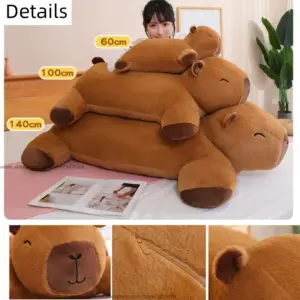
Giant plush is often too big for home machines, so spot-clean and vacuum it regularly; our guide on how to clean giant stuffed animals explains the options. For vintage or sentimental plush, gentle brushing and spot-cleaning are safest; see how to look after a plush toy collection.
With a spare toy, a mesh bag and a regular schedule, keeping plush clean becomes a quick, easy part of the laundry routine rather than a chore.
Frequently Asked Questions
How often should I wash my child’s stuffed animals?
Bedtime plush every 1–2 weeks, everyday plush about monthly, and any plush straight away after illness or spills.
Can you machine wash stuffed animals?
Many can, on a gentle cycle in a mesh bag. Check the care label first and avoid washing toys with electronics.
What temperature kills dust mites?
Allergy organisations recommend washing at 130°F (54°C) or hotter, if the toy’s label allows.
How do I dry a stuffed animal?
Air-dry in a warm, ventilated room until fully dry, or tumble-dry on low if the label permits.
Can I use fabric softener on stuffed animals?
It’s best to skip it. Softener can leave residue on plush fibres and may irritate sensitive skin.
Is it OK to put stuffed animals in the dryer?
Only if the label allows. Use a low heat setting, and never tumble-dry plush with electronics or glued parts.
How can I wash a stuffed animal without ruining it?
Use a mesh bag, a gentle cycle, mild detergent and cool to warm water, then dry slowly and fully.
Should I wash a new stuffed animal before giving it to a baby?
Yes, washing new plush before first use is a good idea, especially for babies who mouth toys.
Keep Plush Clean, Safe and Cuddly
A simple washing routine keeps your child’s plush fresh for years of hugs. Find easy-care favourites in our baby plushies and stuffed animals for toddlers, or start at the My Heart Teddy homepage.