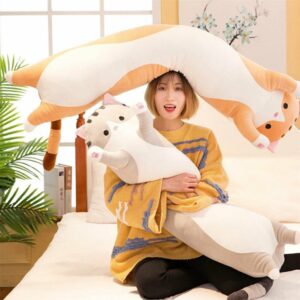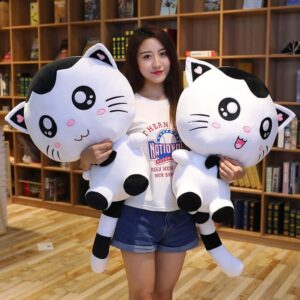
Buying stuffed toys for toddlers has real advantages: a soft toy gives a young child comfort and security, a partner for pretend play, a reason to talk and practise new words, and a safe way to rehearse caring for others and handling big feelings. Between the ages of one and three, children are learning to be a little more independent, and a familiar plush friend can make that big step feel safer. Here are the main benefits of stuffed toys for toddlers, how to use them in everyday play, and how to choose one that’s safe and age-appropriate.
Key Takeaways
- Comfort and security: a familiar plush helps toddlers cope with bedtime, separation and new places.
- Language practice: talking to and about a toy gives toddlers extra chances to use new words.
- Pretend play: feeding, dressing and “putting to bed” a plushie builds imagination and empathy.
- Independence: short spells of solo play with a soft friend build confidence.
- Safety matters: choose toys labelled for their age, with stitched features and strong seams.

1. Stuffed Toys Give Toddlers Comfort and Security
Many toddlers form a strong bond with one special toy or blanket. Child psychologists call this a transitional object, a term introduced by the British paediatrician and psychoanalyst Donald Winnicott in the early 1950s. The idea is simple: a familiar, comforting object helps a young child feel secure as they spend more time apart from their parents, for example at bedtime, at nursery or with a babysitter.
That’s why a favourite plushie often comes along on car journeys, to the doctor and on holiday. Read more in why children become so attached to stuffed animal toys.
2. They Encourage Independence
Toddlers want to do things “by myself,” but they also want to stay close to you. A soft toy can bridge that gap. Encourage short periods of independent play, such as a few minutes building a “house” for a plushie or reading to it, while you’re nearby. Over time, those small moments help children feel confident playing on their own.
3. They Support Language Development
The toddler years bring a huge jump in language, as children move from single words to short sentences. Plushies give them extra chances to practise. A toddler might name their toy, tell it what’s happening (“Teddy eat!”) or repeat phrases they’ve heard from you. You can help by:
- giving the toy a voice and asking your child questions
- naming body parts, colours and feelings (“Bunny’s ears are long,” “Bear looks sleepy”)
- reading a story together and asking the plushie to “find” pictures
- singing songs where the toy joins in with actions
Stories are especially powerful; see why storytelling is important for kids.
4. They Spark Pretend Play and Imagination
Between about 18 months and three years, many children begin simple pretend play: feeding a toy, tucking it into bed or taking it for a “walk.” This kind of play is how toddlers make sense of everyday life, by copying what they see grown-ups do. A plushie can be a patient, baby, pet, friend or pupil, and every role helps your child practise new ideas.

For ideas to try at home, see our guide to playing pretend with a toddler and fun games kids can play with their stuffed animals.
5. They Help Toddlers Practise Caring and Empathy
When a toddler cuddles a “sad” bear, bandages a bunny or shares a pretend snack, they’re practising kindness. Taking care of a toy gives children a safe way to try out the caring behaviours they receive from you, and it opens up conversations about feelings: “How does Teddy feel? What would make him happy?”
6. They Build Social Skills
Toddlers are only beginning to learn how to play with other children. Plushies make it easier: two children can take turns pushing a toy in a pram, give their animals a tea party, or swap toys for a while. These simple games are early practice in sharing, turn-taking and cooperation.
7. They Offer Gentle Sensory Play
Soft fur, smooth ribbons, bumpy textures and different shapes give toddlers plenty to explore with their hands. Bright colours and friendly faces also hold their attention. Our sensory plushies are chosen for interesting textures and squishy, huggable shapes.
Everyday Ways to Play with a Stuffed Toy
| Activity | What it builds |
|---|---|
| Bedtime routine with the plushie | Security and predictable routines |
| Teddy bear picnic | Pretend play, sharing, new words |
| “Doctor” play | Empathy and confidence before real check-ups |
| Hide and seek with a toy | Memory, problem-solving, excitement |
| Bath time for a washable toy | Caring routines and sensory play |
| Story time where the toy “listens” | Listening skills and vocabulary |
How to Choose a Safe Stuffed Toy for a Toddler
- Check the age label. Choose toys marked for their age group.
- Avoid small parts. In the US, toys meant for children under three must not include small parts that could be a choking hazard.
- Prefer stitched features. Embroidered eyes and noses can’t be pulled off.
- Test the seams. Give a firm tug; stuffing should stay inside.
- Skip long ribbons and cords.
- Choose easy-care fabrics. Toddler toys get dropped, chewed and carried everywhere, so washability matters.
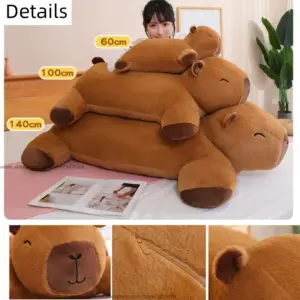
- Pick a manageable size. Something your toddler can carry easily is usually more loved than a giant toy.

For care, see how often to wash your kids’ stuffed animals. For more on materials, read what you should know about chemicals in children’s toys.
A Toy Is a Helper, Not a Substitute
Stuffed toys are wonderful companions, but the biggest boost to a toddler’s development is time with the people who love them. Use plushies as part of shared play, talking and reading, rather than a replacement for it.
Stuffed Toys and Big Feelings
Toddlers feel emotions strongly but don’t yet have the words to explain them. A plushie gives them a way to show what’s going on: they might make their teddy “cry,” comfort it or put it in time out. You can use the toy to talk about feelings (“Is Bunny feeling cross?”) and to model calming strategies, like taking deep breaths together. Over time, this gentle practice helps children recognise and manage their own emotions.
Frequently Asked Questions
Are stuffed animals good for toddlers?
Yes. They offer comfort, encourage pretend play and language practice, and help toddlers explore feelings, as long as they are age-appropriate and safely made.
Why does my toddler carry their stuffed animal everywhere?
It’s very common. A favourite toy can act as a “transitional object” that helps them feel secure when things are new or when you’re apart.
What age can a toddler sleep with a stuffed animal?
The American Academy of Pediatrics advises no soft objects in the sleep space for the first 12 months. After that, choose a small, safe plushie; see when can my baby sleep with a stuffed animal.
Should I worry if my toddler talks to their stuffed animal?
Not at all. Talking to toys is a normal and healthy part of play. It helps toddlers practise words, act out daily routines and explore feelings in a safe way.
What size stuffed animal is best for a toddler?
A small to medium plush that they can carry by themselves is usually best for everyday play.
Find Your Toddler’s New Best Friend
Explore our stuffed animals for toddlers, cuddly favourites like the Kawaii Fox Plush and Seal Plush, and the full kawaii stuffed animals range, or start at the My Heart Teddy homepage. Looking for a birthday present? See why stuffed toys are the best gift for a 2-year-old.