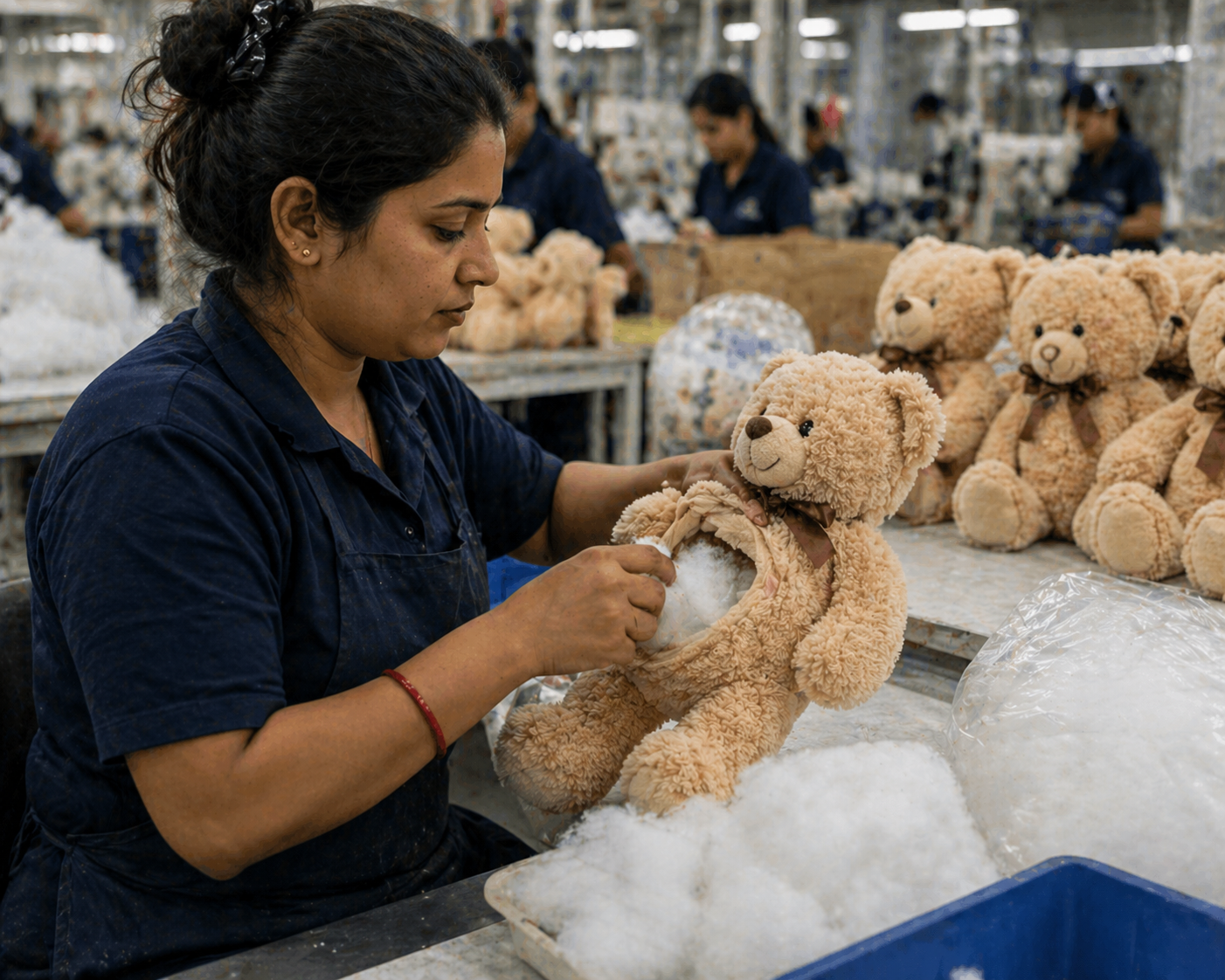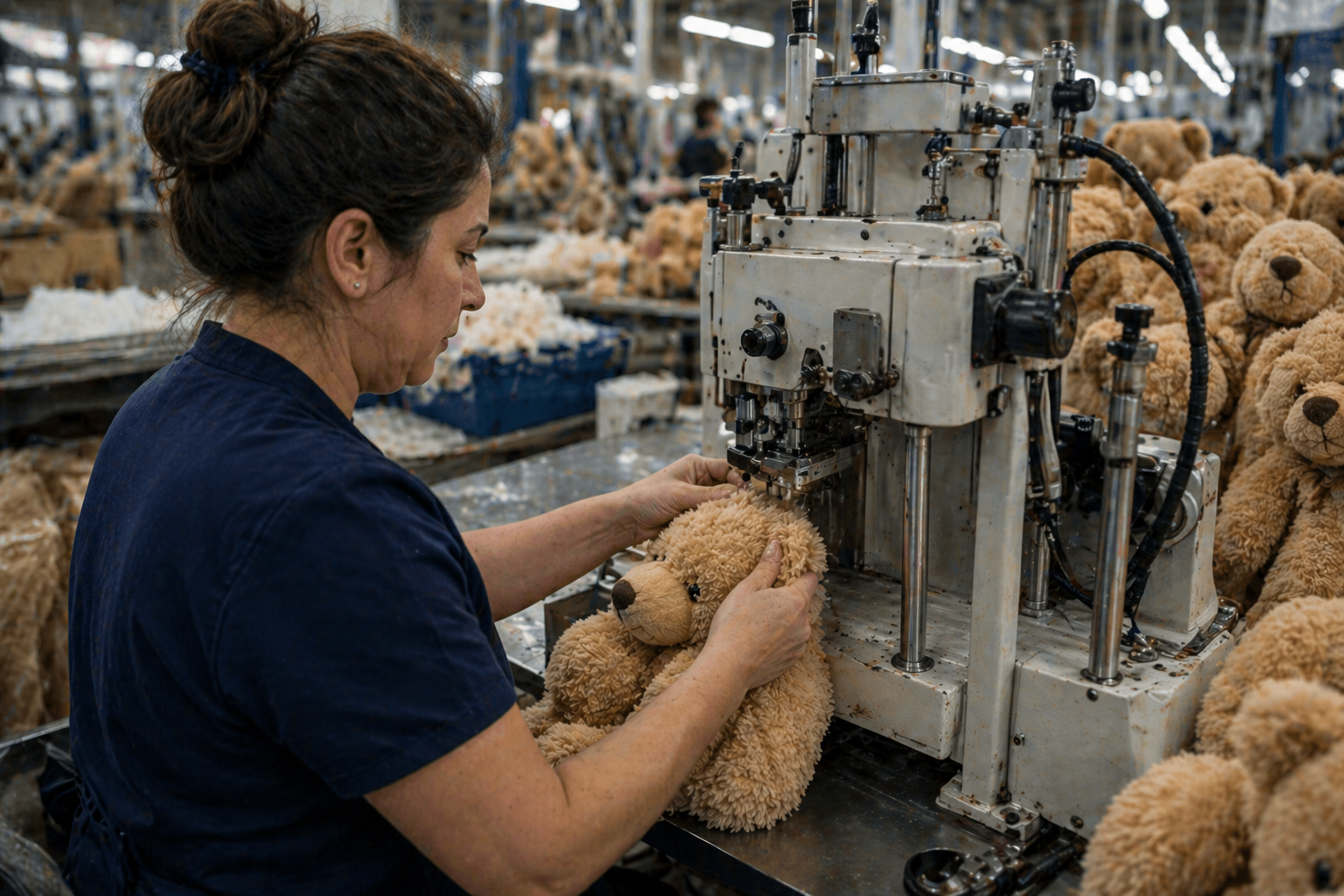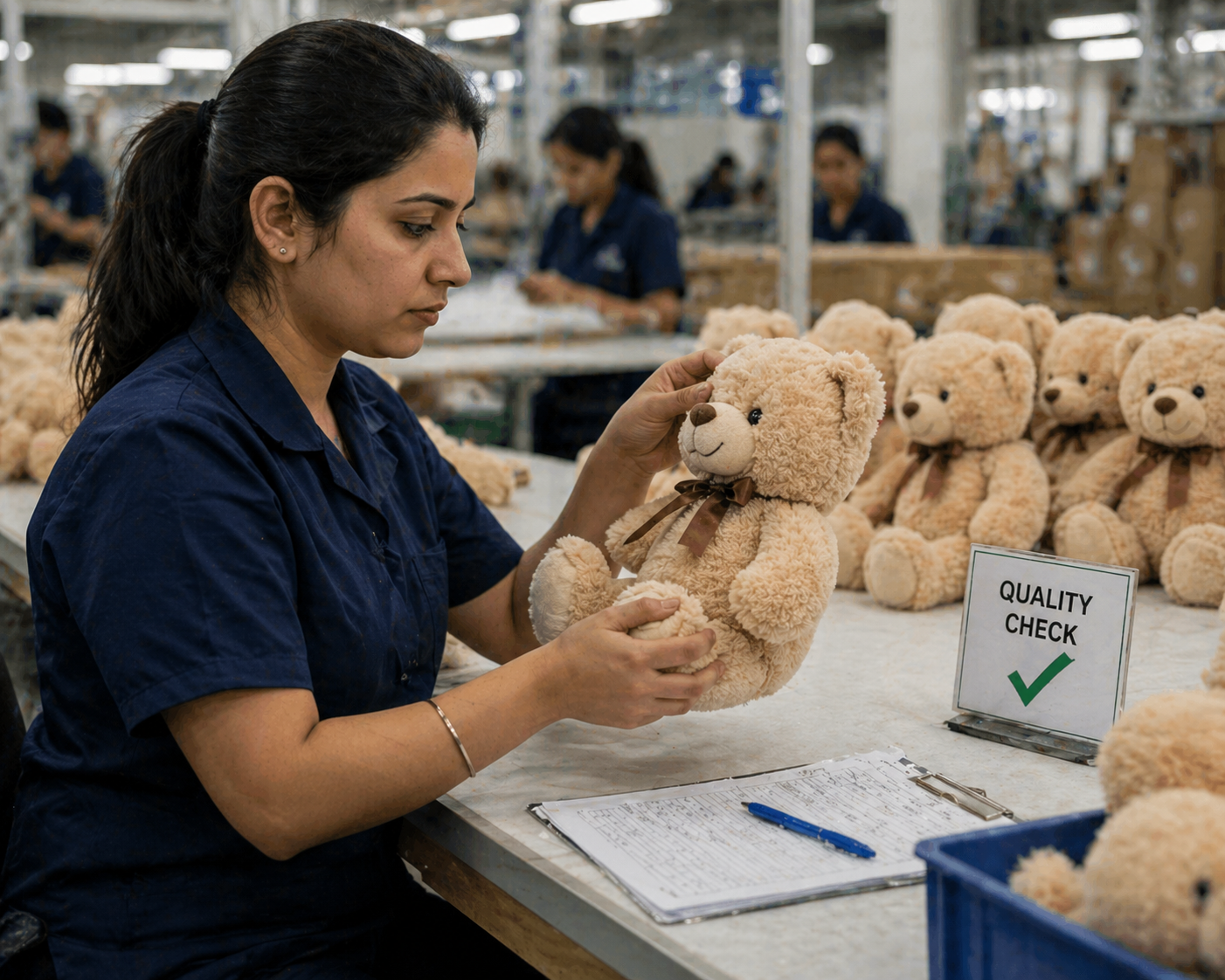
The main chemicals of concern in children’s toys are lead (in paint and some metals), certain phthalates (chemicals that soften plastics), cadmium in cheap metal jewellery, and, in older baby products, BPA. Most countries now strictly limit these in children’s products: in the United States, the Consumer Product Safety Improvement Act of 2008 caps lead and bans several phthalates in toys and childcare items above 0.1%, and the European Union restricts them under its toy-safety and REACH rules. The best protection for parents is to buy from reputable sellers, check age labels and safety marks, avoid very old or unbranded painted toys, and watch for recalls. Here’s what you need to know, explained simply.
Key Takeaways
- Lead and certain phthalates are the chemicals most strictly regulated in toys.
- US law (CPSIA, 2008) limits lead in children’s products and bans several phthalates above 0.1% in toys and childcare articles.
- The EU restricts chemicals in toys through the Toy Safety Directive and REACH.
- Buy from trusted sellers and look for safety standards such as ASTM F963 (US) or the CE mark (EU).
- Check recall lists and be cautious with vintage or unbranded painted toys.

Which Chemicals Are a Concern in Toys?
| Chemical | Where it was found | Why it’s a concern |
|---|---|---|
| Lead | Old or poorly made paint, some metal parts | Harmful to children’s developing brains and nervous systems |
| Phthalates | Soft PVC plastics such as some squeeze toys | Some are linked to hormone disruption |
| Cadmium | Cheap metal jewellery and charms | Toxic if swallowed or chewed |
| BPA (bisphenol A) | Formerly in some hard plastic baby bottles and cups | Possible hormone effects; now banned in baby bottles in the US and EU |
How Are Toys Regulated?
United States
The Consumer Product Safety Improvement Act (CPSIA), passed in 2008, sets strict limits for children’s products. It caps lead in surface coatings such as paint at 90 parts per million and in the material of the product itself at 100 parts per million. It permanently bans three phthalates (DEHP, DBP and BBP) above 0.1% in children’s toys and childcare articles, and a later Consumer Product Safety Commission rule extended the ban to five more. Toys sold for children must also meet the mandatory toy-safety standard ASTM F963 and be tested by an accredited laboratory.
European Union
In the EU, the Toy Safety Directive sets limits on many chemicals in toys, and the REACH regulation restricts several phthalates in toys and childcare articles. Toys sold in the EU must carry the CE mark, and the harmonised standard EN 71 covers physical and chemical safety. The UK has equivalent rules, with the UKCA mark.
BPA in baby products
BPA was once used in some hard plastic baby bottles. The EU banned it in baby bottles in 2011, and the US Food and Drug Administration stopped allowing it in baby bottles and sippy cups in 2012, after manufacturers had already moved away from it.
Why Did These Rules Come In?
A major turning point was 2007, when millions of toys were recalled in the United States, including large recalls by Mattel, because some had been coated with paint containing lead. Public concern helped drive the passage of the CPSIA the following year. Since then, testing and certification requirements for children’s products have become much stricter.
Are Stuffed Animals Safe?
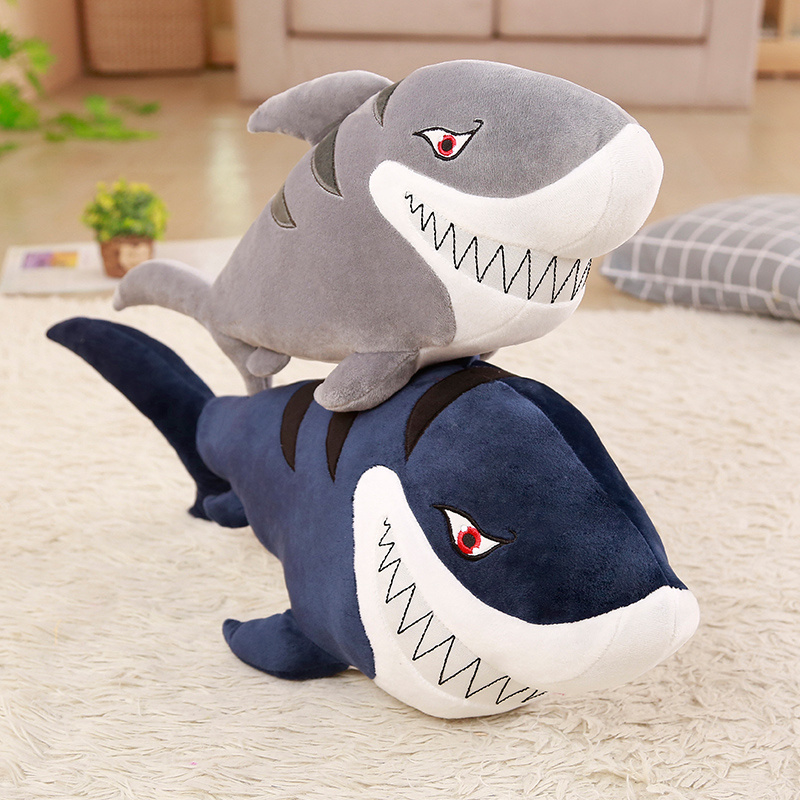
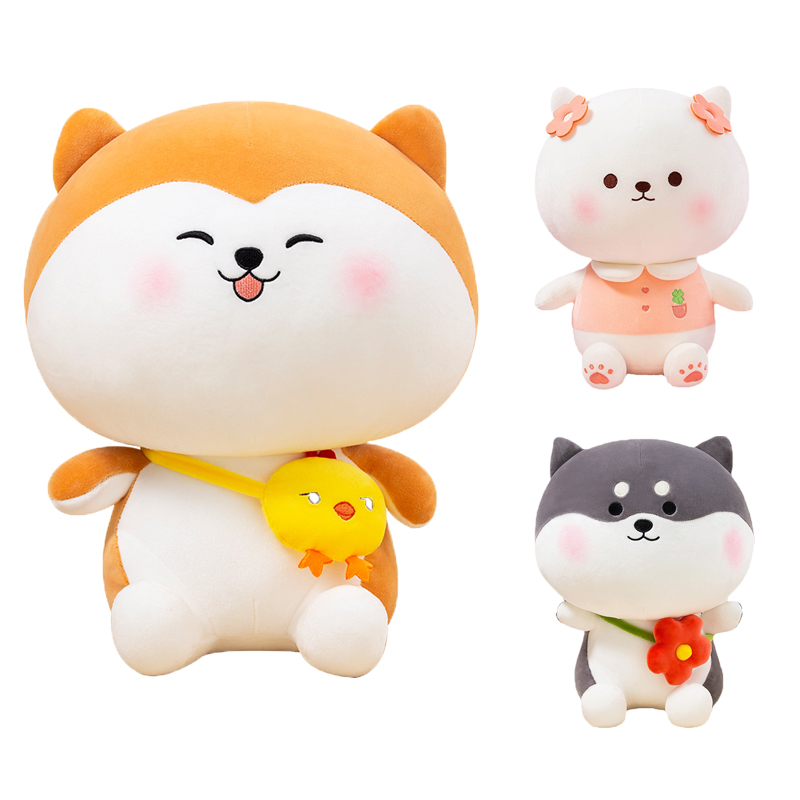
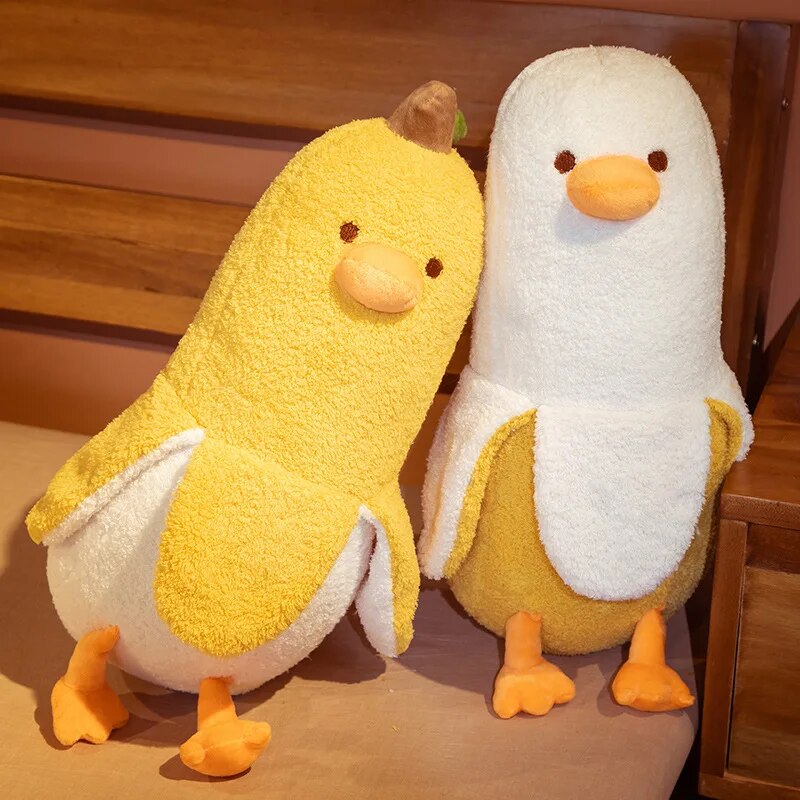
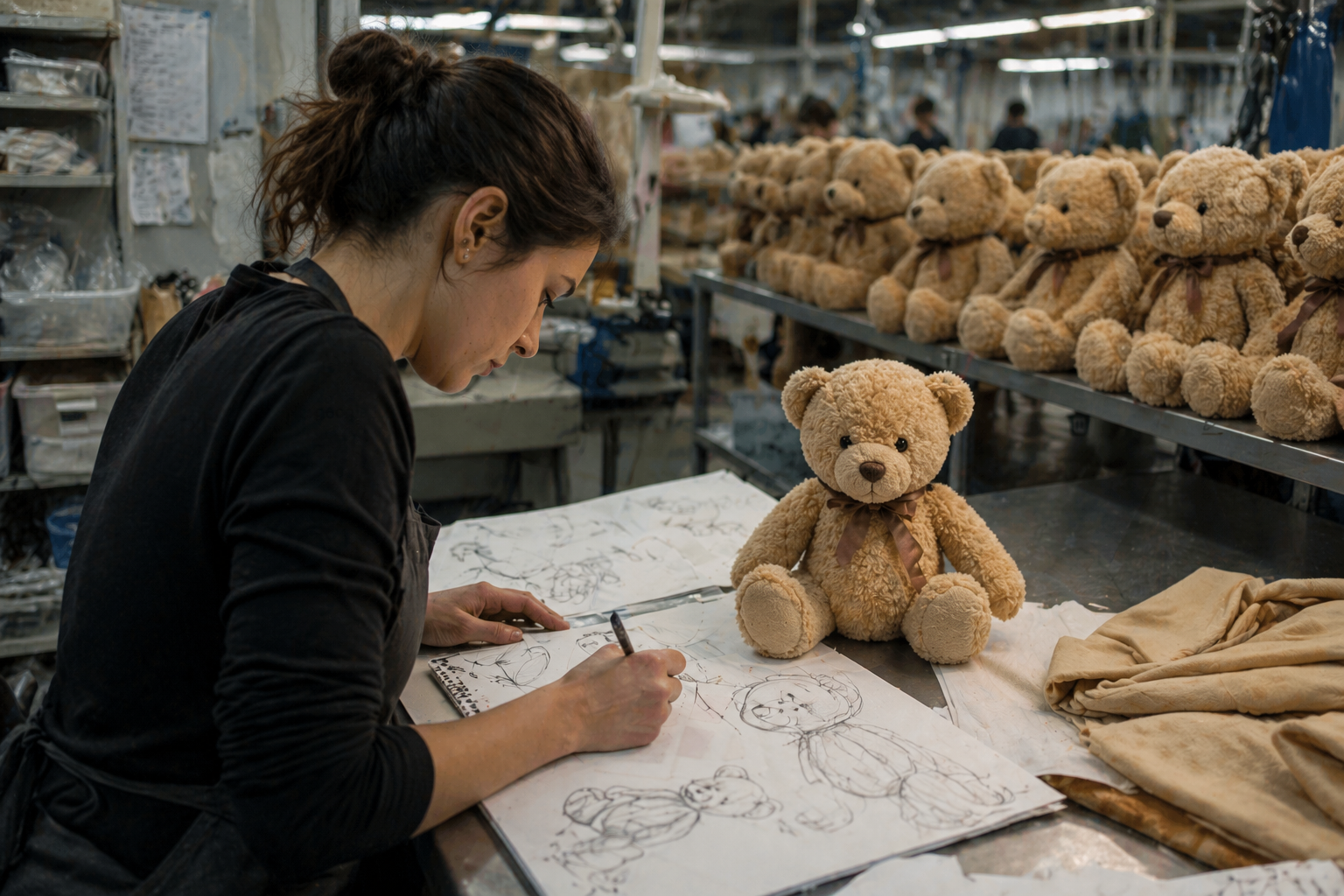
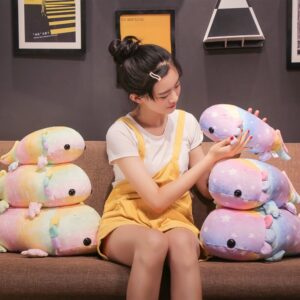
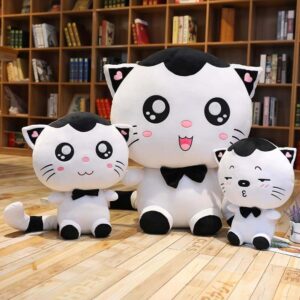
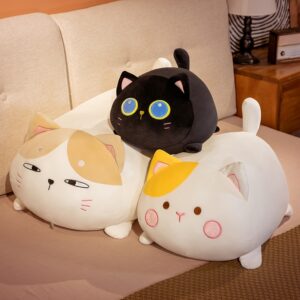
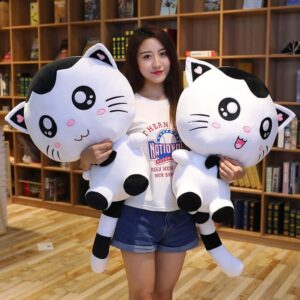
Soft toys are mostly fabric and fibre filling, with fewer painted or plastic parts than many other toys, which reduces some risks. As with any toy, quality matters. Look for plush from reputable sellers, with stitched or securely fixed eyes for young children, no strong chemical smell, and clear labelling of age and materials. Wash new plush before giving it to a baby or toddler, and choose unscented toys for sensitive children. For allergy tips, read how to make a hypoallergenic purchase online.
How to Choose Safer Toys
- Buy from reputable shops and brands that state the safety standards they meet.
- Look for safety marks such as ASTM F963 compliance in the US or the CE/UKCA mark in Europe and the UK.
- Check the age label and follow it, especially for children under three.
- Be cautious with vintage and second-hand painted toys, which may pre-date modern rules.
- Avoid cheap metal jewellery for young children, who may chew it.
- Trust your nose: a strong chemical smell is a reason to return a toy.
- Check recalls: the US Consumer Product Safety Commission publishes recalls at cpsc.gov, and the EU runs the Safety Gate alert system.
- Register products where possible so manufacturers can contact you about recalls.
Natural and Organic Toys: Are They Safer?
Toys made from organic cotton, untreated wood or natural rubber appeal to many parents, and they can reduce exposure to some synthetic chemicals. “Natural” doesn’t automatically mean safe, though: natural materials can still pose choking risks or trigger allergies, and wooden toys can be painted with poor-quality finishes. Whatever the material, look for products that meet recognised safety standards.

How to Read a Toy Label
A good toy label tells you a lot. Look for the recommended age, the manufacturer’s or importer’s name and contact details, safety marks such as CE or UKCA, warnings about small parts, and care instructions. In the US, children’s products must also carry tracking information, such as a batch or date code, that helps identify the product if there’s a recall. Missing, misspelled or vague labels are a warning sign that a toy may not have been properly tested.
Counterfeit Toys: A Hidden Risk
Fake versions of popular toys and characters are a known problem, especially when sold very cheaply online. Counterfeits may skip safety testing altogether, so they’re more likely to contain restricted chemicals or loose small parts. Buy licensed characters from official or authorised stores, and be wary of listings with stock photos only, no clear seller information or prices far below normal.
Everyday Habits That Reduce Exposure
- Wash children’s hands after play and before meals.
- Wash new plush and fabric toys before use.
- Throw away cracked or peeling toys.
- Keep toys meant for older children away from babies who mouth everything.
- Dust and vacuum regularly, since dust can carry chemicals from household items.
Frequently Asked Questions
Are there still toxic chemicals in toys?
Modern toys sold legally in the US and EU must meet strict limits for lead, phthalates and other chemicals. Problems are most likely with unbranded, counterfeit or very old toys.
What does CPSIA mean on a toy?
It refers to the US Consumer Product Safety Improvement Act of 2008, which sets testing and chemical limits for children’s products.
Are phthalates banned in toys?
Several phthalates are banned above 0.1% in children’s toys and childcare articles in the US, and restricted in toys in the EU.
How can I check if a toy has been recalled?
Search the US Consumer Product Safety Commission recall list at cpsc.gov, or the EU Safety Gate database in Europe.
Is BPA still used in baby bottles?
No. BPA is banned in baby bottles in the EU and no longer allowed in baby bottles and sippy cups in the US.
Play Safely and Happily
Toys make memories, and a little knowledge helps you choose ones that are safe as well as fun. Explore soft, simple toys in our baby plushies and stuffed animals for toddlers, read our buyer’s guide to choosing the right stuffed animal, or start at the My Heart Teddy homepage.