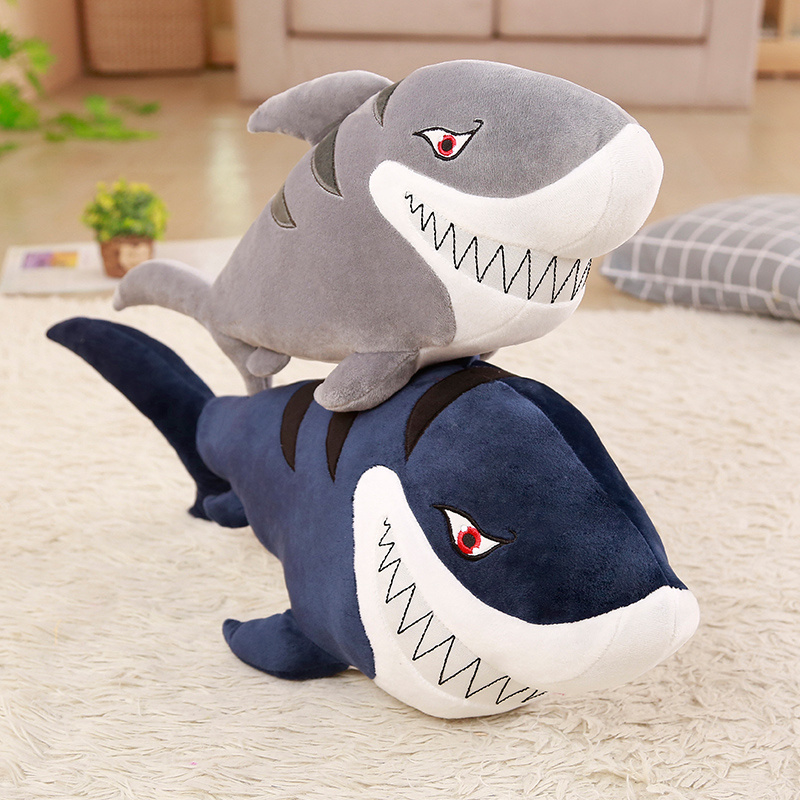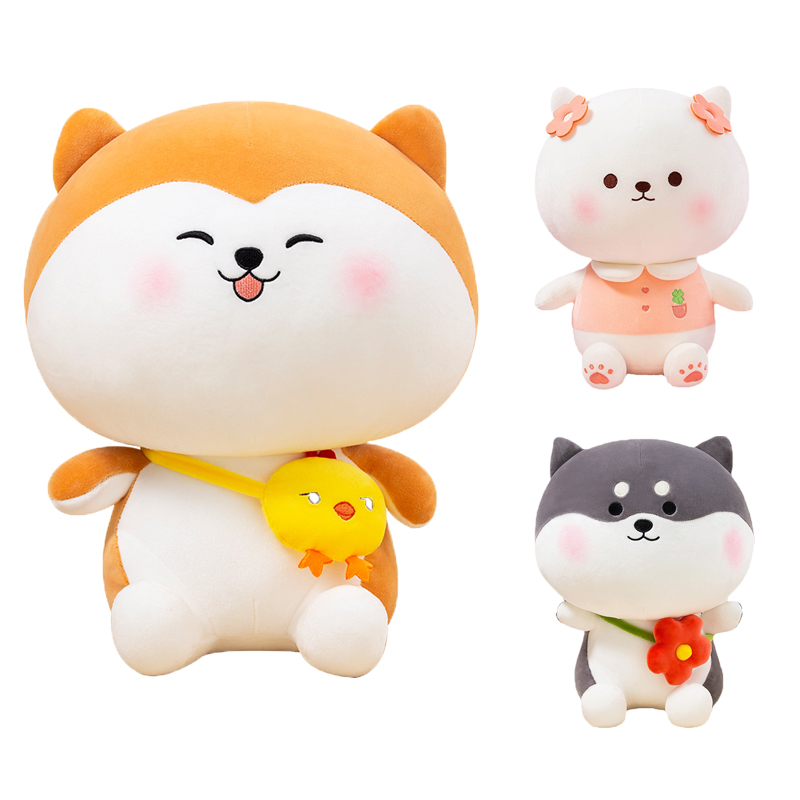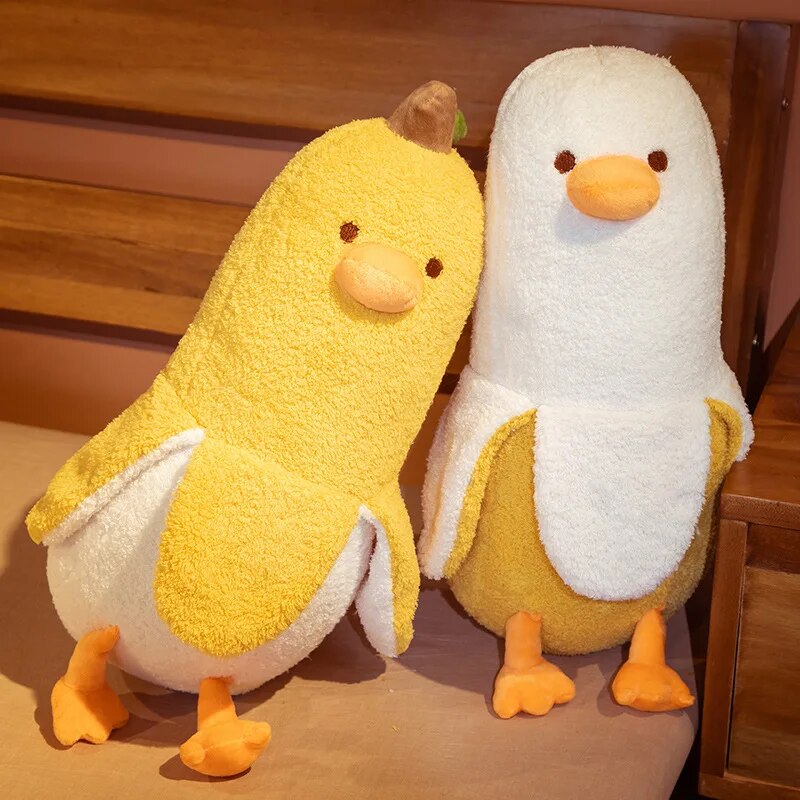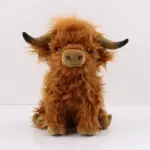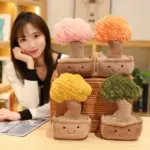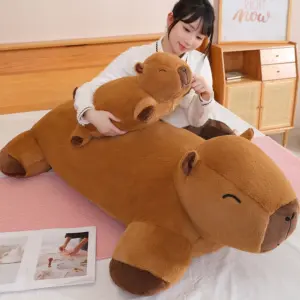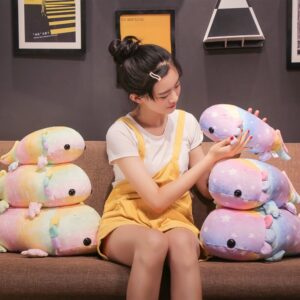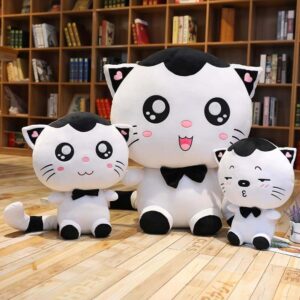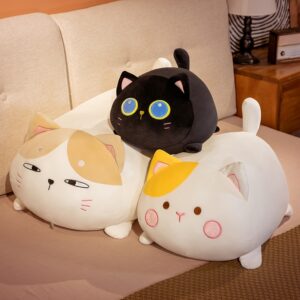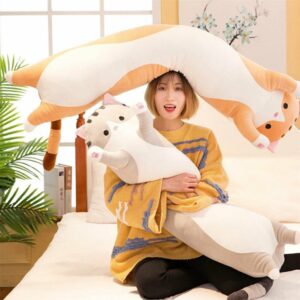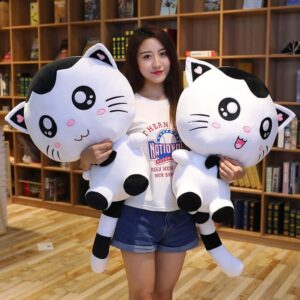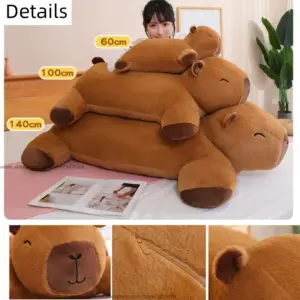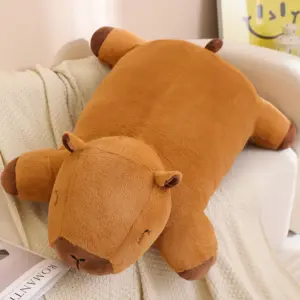

Parents choose stuffed animals for children because few toys do so much for so little: a plushie is soft and safe to cuddle, encourages pretend play and conversation, helps children cope with bedtime and change, lasts for years, and suits every age from baby to teen. Unlike many toys, it doesn’t need batteries, screens or instructions; a child’s imagination does all the work. Here’s why stuffed animals are such a good choice, how they support development at each stage, and how to pick the right one for your child.
Key Takeaways
- Engaging for all ages: bright colours and soft textures attract babies, while older kids love characters.
- Support development: pretend play builds language, empathy and social skills.
- Build confidence: caring for a toy helps children feel capable and in charge.
- Comforting: a familiar plush helps with bedtime, nursery and travel.
- Affordable and long-lasting: a good plush can be loved for years.
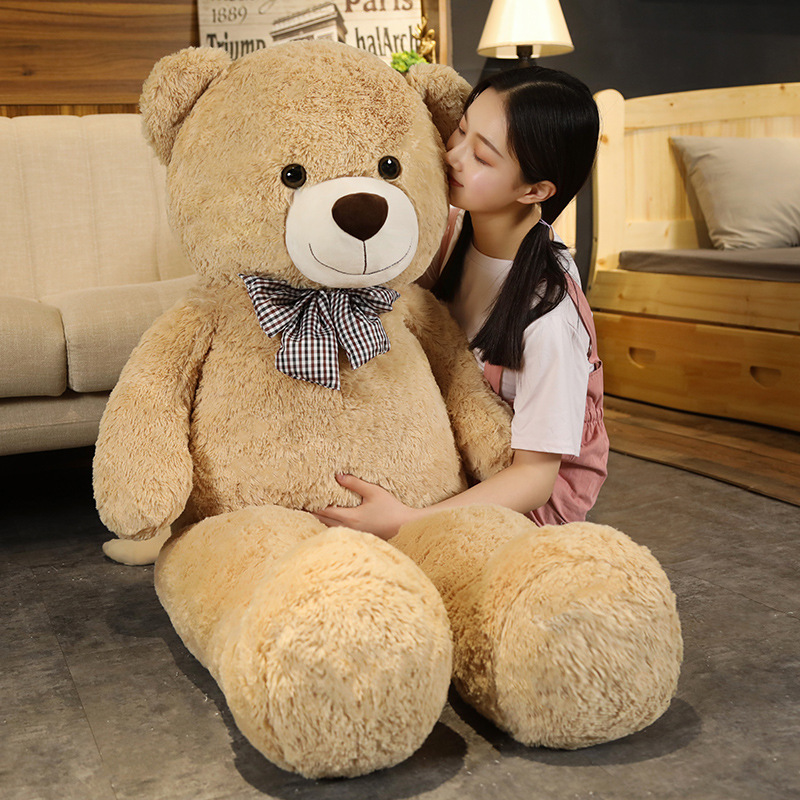
1. Stuffed Animals Are Naturally Engaging
Babies are drawn to faces, contrast and colour, and they explore the world through touch. A plushie offers all of these at once: a friendly face, bright or soft colours and an interesting texture to grip and squeeze. As children grow, the appeal shifts to characters and favourite animals, but the attraction of a soft, friendly toy never really fades.
2. They Can Be Personal
Many families choose a plush that means something: the child’s favourite animal, a character from a beloved book, or a toy given on a special day. Adding a name on the gift tag, or matching the plush to a nursery theme, turns a simple toy into a personal companion. That personal connection is a big part of why children treasure their plush for so long.
3. They’re Loved from Preschool to Tween Years
Stuffed animals aren’t only for toddlers. Preschoolers use them for tea parties and imaginary adventures, school-age children collect them and make them part of their bedroom, and tweens and teens often keep a few for comfort and decor. Few toys stay relevant across so many years.
4. They Build Confidence
When children talk to, feed or “teach” their plushies, they’re the one in charge. This kind of role play lets them practise being capable and responsible, and it gives shy children a safe audience for trying out words and ideas. Caring for a toy also introduces empathy: children learn to think about how someone else might feel.
Learn more in how stuffed animals contribute to your child’s development.

5. They Offer Comfort and Security
A favourite plush often becomes a child’s comfort object, which psychologists call a “transitional object.” It helps them feel safe when they’re tired, unwell, in a new place or apart from their parents. That’s why so many children bring a stuffed animal to bed, on holiday or to their first day at nursery. Read why children become so attached to stuffed animal toys.
6. They Support Development at Every Stage
| Stage | How plush helps |
|---|---|
| Babies | Sensory exploration: textures, colours and faces (supervised play only; keep soft toys out of the cot for the first 12 months) |
| Toddlers | Comfort, carrying, first pretend play, new words |
| Preschoolers | Role play, storytelling, empathy and sharing |
| School age | Collecting, imaginative games, bedtime comfort |
| Tweens and teens | Comfort, nostalgia, room decor |
7. They’re Affordable and Long-Lasting
Compared with many toys, plush is good value. A quality stuffed animal costs less than most electronic toys, needs no batteries and survives years of hugs and drops. Small tears are easy to mend at home, and many plushies can be spot-cleaned or machine-washed. For care tips, see how often to wash your kids’ stuffed animals.
8. They Make Perfect Gifts
Plush suits birthdays, holidays, new siblings, get-well wishes and “just because” moments. It comes in every size, colour and theme, so it’s easy to match to the child. Our gift guide and why stuffed toys make the best gift for a 2-year-old have more ideas.

How to Choose the Right Stuffed Animal
- Age label first: choose plush marked for your child’s age.
- Stitched features for babies and toddlers, with no small or loose parts.
- Strong seams that hold up to tugging.
- Washable fabric, especially for younger children.
- A carryable size for everyday play; save giant plush for decor and big hugs.
- Their interests: dinosaurs, unicorns, sharks or their favourite real animal.
Our buyer’s guide to choosing the right stuffed animal goes into more detail.
Simple Ways to Play with Stuffed Animals
- Teddy bear picnic: set out a blanket, cups and pretend snacks for a plush party.
- Vet or doctor: bandage paws, listen to heartbeats and give “medicine.”
- School: line up plushies and let your child be the teacher.
- Hide and seek: hide a plush somewhere in the room and give clues.
- Story time: read a book aloud to a row of stuffed animal “listeners.”
- Puppet show: use a cardboard box as a stage and give each toy a voice.
Find more ideas in fun games kids can play with their stuffed animals.
Choosing Plush for Children with Allergies
Stuffed animals can collect dust mites, which can bother children with allergies or asthma. Choose plush that’s machine-washable, wash it regularly in hot water if the label allows, and keep the number of plush in the bedroom to a few favourites. Smooth, short-pile fabrics are easier to keep clean than long, shaggy fur. Our guide on how to make a hypoallergenic purchase online explains more.
Stuffed Animals vs Other Toys
Electronic toys often entertain by doing the playing for the child, while building toys and puzzles develop problem-solving. Stuffed animals fill a different role: they’re about comfort, feelings and imagination. The healthiest toy box includes a mix, and a well-loved plush is often the toy children keep long after the others are outgrown.
When a Plushie Becomes a Keepsake
Many adults still own a stuffed animal from childhood. Because plush is soft, personal and tied to memories of comfort, it’s one of the toys people are least likely to give away. Choosing a quality plush today can mean giving your child something they’ll treasure for decades; read why children can’t bear to get rid of their teddy bears.
Frequently Asked Questions
Why are stuffed animals good for children?
They provide comfort, encourage pretend play and language, build empathy and confidence, and last for years.
At what age can a child have a stuffed animal?
Babies can enjoy supervised play with soft toys labelled for their age. The American Academy of Pediatrics advises keeping soft objects out of the sleep space for the first 12 months.
Are stuffed animals educational?
Yes. Pretend play with plush supports language, social skills, empathy and storytelling.
How many stuffed animals does a child need?
Just a few favourites are enough. Children often play more creatively with fewer toys; see how to avoid having too many toys.
What makes a stuffed animal safe?
An age label, stitched features, strong seams, no small parts or long ribbons, and fabric that’s easy to clean.
Find Your Child’s New Best Friend
From first teddies to giant cuddle buddies, there’s a plushie for every child. Explore our stuffed animals for toddlers, baby plushies and kawaii stuffed animals, or start at the My Heart Teddy homepage.