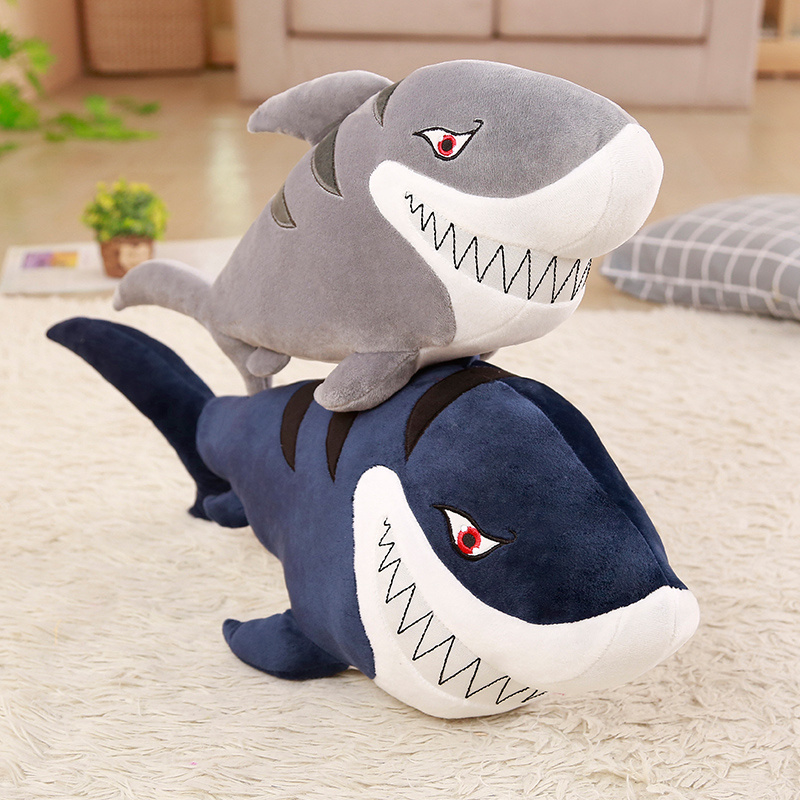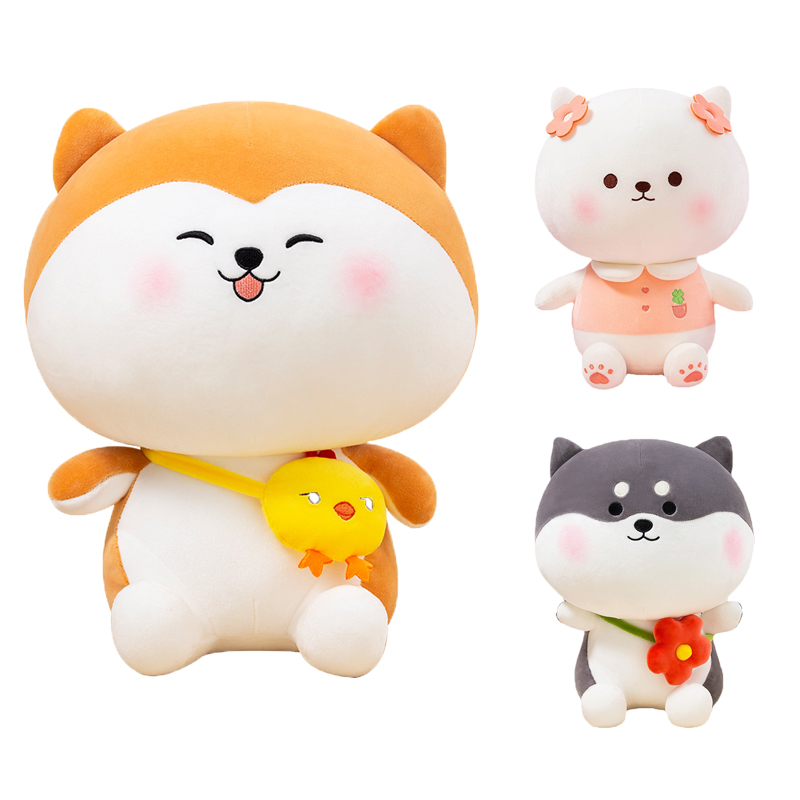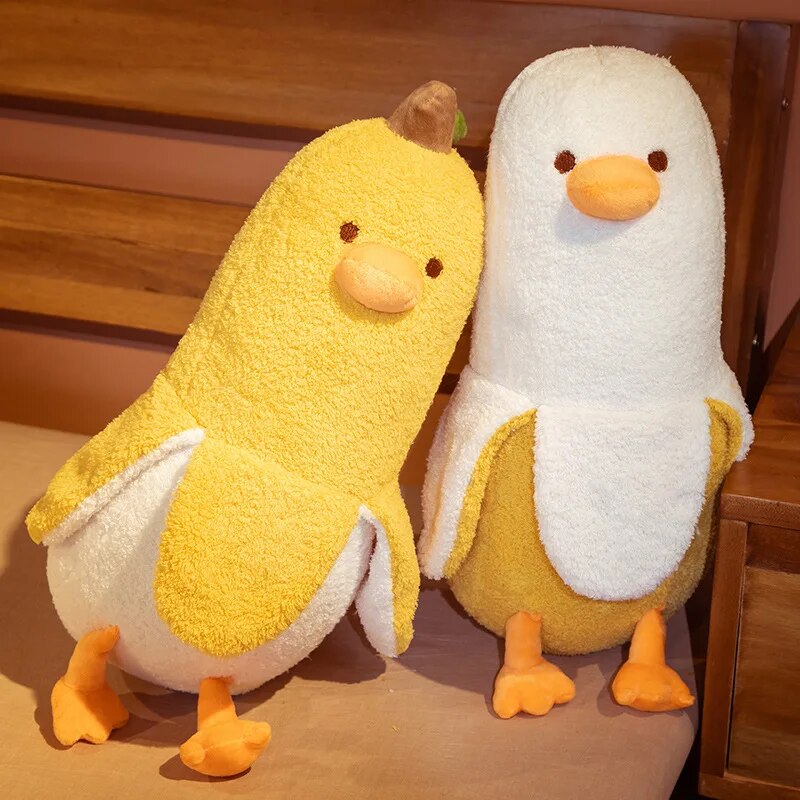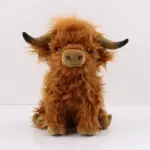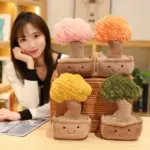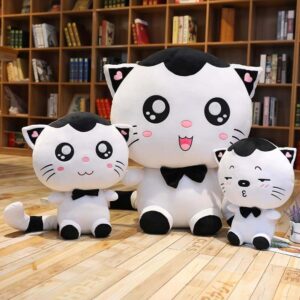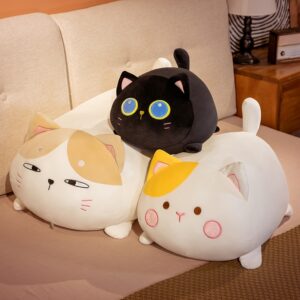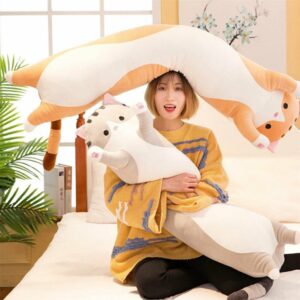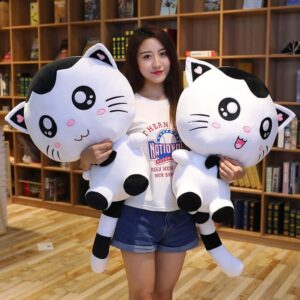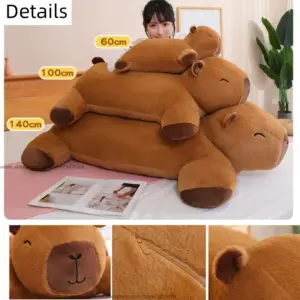
Japan is a kawaii plushies collector’s paradise because cute characters are part of everyday life there: character shops sell plush of Sanrio, San-X, Studio Ghibli and Pokémon favourites, game centres are packed with crane machines full of prize plush, and you’ll find soft toys shaped like everything from onigiri and melon bread to deep-sea creatures. Plush in Japan isn’t only for children; adults collect, gift and display it too. Here’s what makes Japan so special for plush lovers, the types of kawaii plush you’ll find, where collectors shop, and how to start a Japanese-style collection at home.
Key Takeaways
- Kawaii means cute, lovable or adorable, and it’s a big part of Japanese culture for all ages.
- Character plush rules: Sanrio, San-X, Ghibli and Pokémon characters are collected everywhere.
- Crane games made winning prize plush a national pastime.
- Food and unusual plush, from sushi to giant isopods, show how far kawaii can go.
- You can build a kawaii collection anywhere by choosing a theme and mixing sizes.
What Does Kawaii Mean?
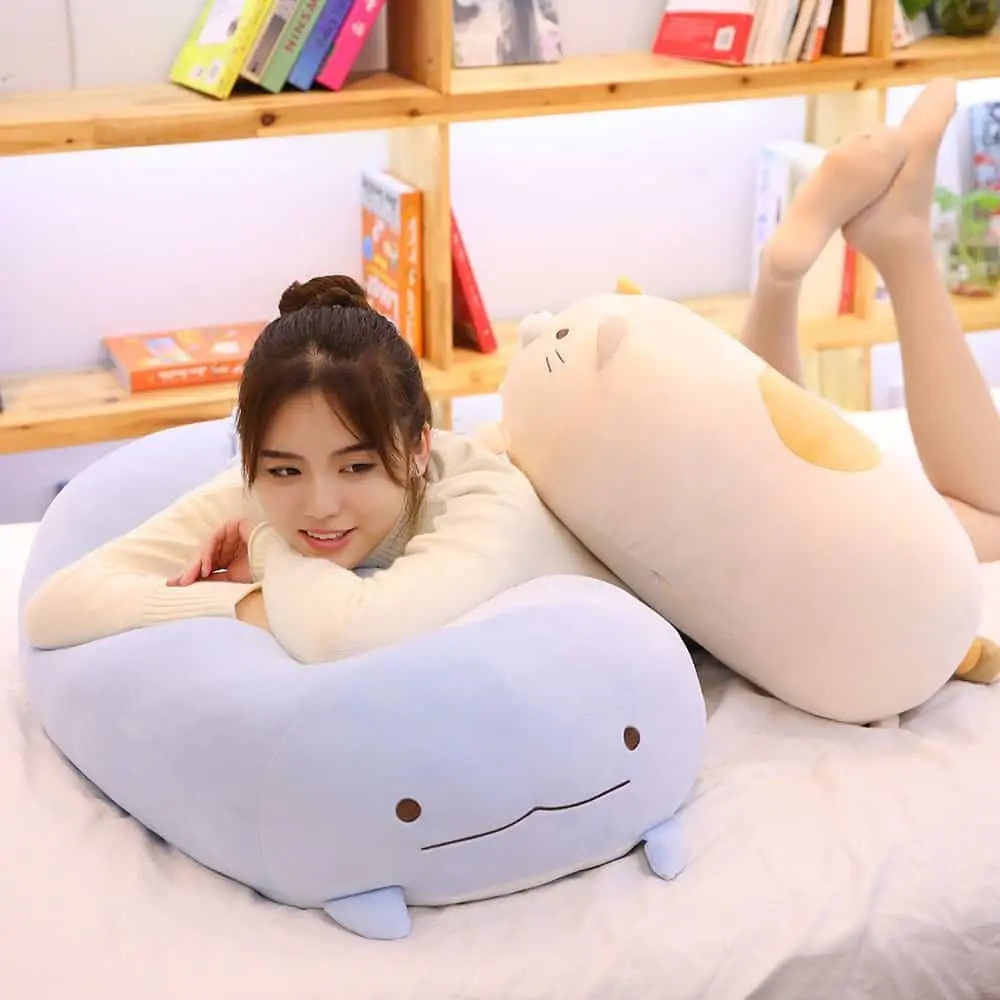
Kawaii (かわいい) is usually translated as “cute,” but it also means lovable and adorable, and it carries a feeling of affection and wanting to protect something small. Linguists trace the word to the older Japanese kawayushi, which once carried meanings closer to “pitiable” or “embarrassed” before gradually shifting to “lovable” and “cute.” Today kawaii describes a whole aesthetic of round shapes, soft colours and gentle faces. Read more in our guide to the kawaii desu meaning.
Why Is Japan a Plush Collector’s Paradise?
- Cute is everywhere. Mascots appear on trains, banks, city halls and snack packets, so plush characters feel completely normal for adults.
- Character culture. Many characters are created first as designs and then sold as plush, stationery and accessories.
- Prize plush. Crane games in arcades release exclusive plush you can’t buy in shops.
- Seasonal and limited editions. Spring sakura versions, summer festival outfits and winter designs encourage collecting.
- Endless variety. From tiny keychain plush to giant body pillows, there’s a size for every shelf.
Classic Kawaii Characters
A few companies dominate Japan’s plush shelves:
| Company | Famous characters |
|---|---|
| Sanrio | Hello Kitty (1974), My Melody (1975), Pompompurin (1996), Cinnamoroll (2001), Kuromi (2005), Gudetama (2013) |
| San-X | Rilakkuma (2003) and friends like Korilakkuma, Sumikko Gurashi (2012) |
| Studio Ghibli | Totoro and the Catbus (My Neighbor Totoro, 1988), No-Face (Spirited Away, 2001) |
| Pokémon | Pikachu, Snorlax, Eevee and hundreds more since 1996 |
Each has its own fans. Sumikko Gurashi’s shy “life in the corner” characters are especially popular with adults; see what Sumikko Gurashi means in Japanese. For the lazy egg, read why Gudetama is the best Sanrio character.
Familiar Faces from Films and Games
Plush based on beloved films and games is a huge part of Japanese collecting. Totoro, the round grey forest spirit from My Neighbor Totoro, is one of the most recognisable soft toys in the world, and Studio Ghibli even uses him in its logo. Pokémon fans can visit official Pokémon Center stores, the first of which opened in Tokyo in 1998, for everything from tiny Pikachus to huge Snorlax pillows. Learn more about the forest spirit in who is Totoro?

Crane Games and Prize Plush
Walk into any Japanese game centre and you’ll see rows of crane machines filled with plush. Sega’s UFO Catcher, released in 1985, helped make these machines a fixture of Japanese arcades. Many character plushies are made specifically as prizes, so collectors hunt for them in arcades rather than shops. Prize-plush makers such as Amuse are known for their soft, chunky designs. Want the fun at home? See our mini claw machines.
Food Plush: Sushi, Bread and Snacks
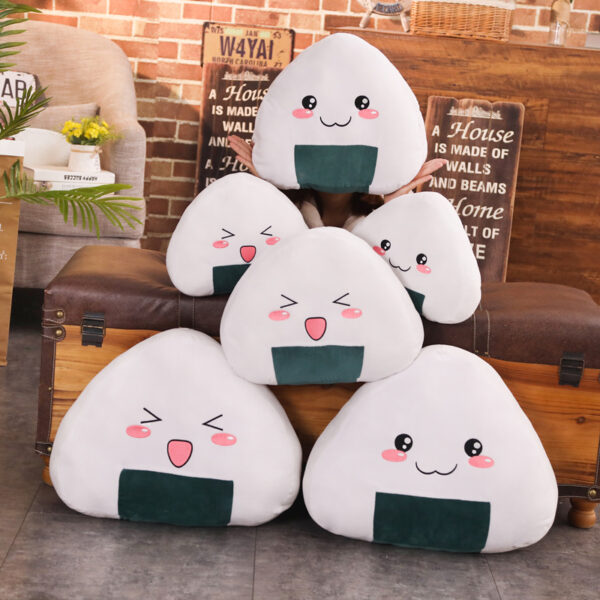
Food is one of the most loved themes in Japanese plush. You’ll find sushi, onigiri rice balls, tofu, dumplings, melon bread and loaves with sleepy faces. They’re funny, comforting and perfect for themed collections.
- Kawaii Japanese Sushi Plush Pillow (40cm) (from $31.99): a squishy sushi pillow.
- Kawaii Japanese Loaf Bread Plush (from $26.99): a loaf of bread with a cute face.
- 8Pcs Mini Pudding Plushies | 41 Styles (from $28.99): a set of tiny pudding plush in 41 styles.
- Plush Mood Sushi (from $20.99): sushi with different moods.

The Unusual Side of Kawaii
In Japan, almost anything can become cute. The giant isopod, a deep-sea crustacean, became a popular plush after aquarium specimens gained a following, and you’ll also find plush versions of everyday objects, vegetables and odd fantasy creatures. If something can be given a round body and a tiny face, there’s probably a plush of it.
Practical Plushies
Japanese plush often has a job to do. Look for plush tissue-box covers, neck pillows for train commutes, hand-warmer plush for winter and huge body pillows for sleeping. Cute and useful is a very kawaii combination. Browse our kawaii tissue boxes and neck pillows.
Where Collectors Shop in Japan
- Kiddy Land in Harajuku: a multi-floor toy and character shop on Omotesando.
- Pokémon Center Mega Tokyo: in Sunshine City, Ikebukuro.
- Sanrio Puroland: an indoor Sanrio theme park in Tama, Tokyo, opened in 1990.
- Game centres: found in every city, especially Akihabara, for prize plush.
- Character shops in stations and malls: many have dedicated San-X, Sanrio and Ghibli corners.
Tips for Buying Plush in Japan
- Check for limited editions. Seasonal and region-only plush often sell out quickly.
- Look at the tag. Official character plush usually carries the maker’s tag and logo.
- Leave room in your luggage. Plush is light but bulky; a vacuum bag helps.
- Set a crane-game budget. Prize machines are fun, but costs add up fast.
- Bring a tote bag. Many shops charge for carrier bags.
How to Start a Japanese-Style Plush Collection
- Pick a theme: one character family, food plush, or animals in pastel colours.
- Mix sizes: combine a large “anchor” plush with small ones around it.
- Display them: shelves, baskets or a bed corner keep a collection tidy.
- Look after them: dust gently and wash according to the label.
For more tips, read how to start a plush animal toys collection and our anime plush collection guide.
Japanese Plush Words to Know
- Nuigurumi: the Japanese word for a stuffed toy.
- Mochi-mochi: soft, stretchy and squishy, named after chewy rice cakes.
- Fuwa-fuwa: fluffy and light.
- Amigurumi: small crocheted or knitted stuffed toys.
- Gachapon: capsule-toy vending machines, often stocked with tiny plush keychains.
Frequently Asked Questions
Why do Japanese adults like plushies?
Cute characters are part of everyday life in Japan, so collecting and displaying plush is seen as a normal hobby for all ages.
What are the most popular plush characters in Japan?
Sanrio characters like Hello Kitty and Cinnamoroll, San-X’s Rilakkuma and Sumikko Gurashi, Studio Ghibli’s Totoro, and Pokémon are among the best known.
Where can I buy plushies in Japan?
Character shops such as Kiddy Land, official stores like the Pokémon Center, Sanrio Puroland, and crane games in arcades.
What does kawaii mean?
Kawaii means cute, lovable or adorable, with a sense of affection for something small and gentle.
Note: My Heart Teddy is not affiliated with the companies and characters mentioned. They are named for information only.
Bring Japan’s Kawaii Plush Home
You don’t need a plane ticket to start a kawaii collection. Explore our collectible plushies, Sumikko Gurashi characters and the Giant Chiikawa Plush, or discover everything at the My Heart Teddy homepage. Curious about the culture? Visit our Japanese culture page.