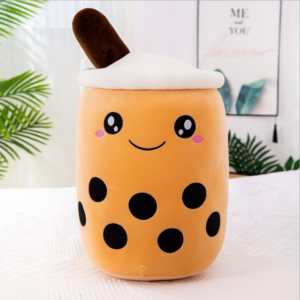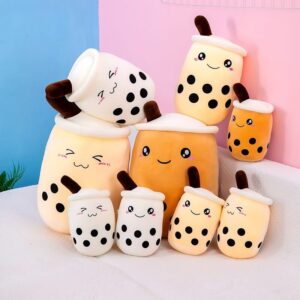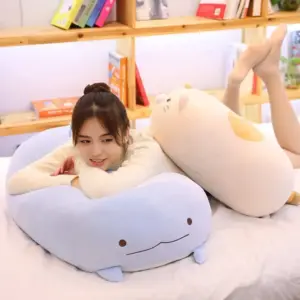
The smallest stuffed animals in any collection carry a weight their size doesn't suggest. For very young children — infants and toddlers — the right small plush is often the first object they form a genuine emotional attachment to. It goes in the cot, the car seat, the changing bag, and the buggy. It gets carried to nursery on the first day and brought to hospital appointments. A well-chosen small stuffed animal becomes, in child development terms, a transitional object — something that represents home and safety when a child is in an unfamiliar environment.
At My Heart Teddy, our small and mini plush designs under 30 cm are built with this role in mind. The safety specifications are tighter, the fabric choices are deliberate, and the size is precise. This page covers everything you need to choose the right small stuffed animal for the youngest members of your family — and explains why size, in this category, matters more than people expect.
What Counts as a Small Stuffed Animal?
The small range spans 10–30 cm but divides into two meaningfully different sub-categories. Designs under 15 cm are novelty and collector items — palm-sized, often with very small accessories or detailed embellishments that make them inappropriate as primary toys for children under 5. Designs in the 15–30 cm range are proper toys: large enough to hug and carry, small enough for an infant to hold, and proportioned correctly for young children.
When most parents say they want a "small stuffed animal" for a baby or toddler, they mean the 20–25 cm range. This is large enough that it poses no positional risk in a cot, light enough for a 6-month-old to grip and move, and sized to fit in any changing bag without taking up the entire space.
🐣 My Heart Teddy — Baby-Safe Small Plush
Shop Baby-Safe Small Stuffed Animals
Our baby plushies collection — designed specifically for the youngest children. Embroidered features, hypoallergenic PP cotton fill, EN71-certified fabric. Safe from 3 months under supervision.
Safety Guide — What Makes a Small Stuffed Animal Truly Baby-Safe
EN71 certification is the baseline — but it's not sufficient on its own for very young children. The specific safety criteria that matter for babies and toddlers using small plush toys go beyond the fabric test. Here's what to check:
🛡️ Safe sleep reminder: No stuffed animal — regardless of size or safety certification — should be placed in a cot or sleep space during unsupervised infant sleep. This is a universal safe sleep guideline from pediatric health organizations worldwide, separate from toy safety standards. Small plush are for supervised awake time with infants under 12 months.
Small Stuffed Animals by Age — What Works When
Why Small Stuffed Animals Form the Strongest Emotional Bonds
The relationship between a toddler and their small plush toy is one of the most studied topics in early childhood development. The psychologist D.W. Winnicott coined the term "transitional object" in 1951 to describe the toy, blanket, or soft object that a child uses to bridge the psychological gap between themselves and their primary caregiver — and the defining characteristic of the most bonded-to transitional objects is almost always that they're small enough to be carried everywhere.
A toy that goes everywhere becomes a consistent presence across all of a child's environments. It's there at home, at nursery, at the grandparents' house, in the car, at the doctor's office. That consistent presence — in varying, sometimes stressful contexts — is precisely what builds the depth of attachment. A giant stuffed animal that stays in the bedroom cannot perform this function. A medium plush that stays in the living room cannot perform it either. The small plush, in the child's hands or bag at all times, can.
This is why parents of toddlers who've lost their small comfort plush experience such acute distress on behalf of their child — the attachment to that specific object is real, consistent, and meaningful to the child in ways that extend well beyond play. If your child selects a small plush as their transitional object, we'd strongly recommend purchasing an identical spare while the design is available. Many parents discover this need too late.
Where Small Stuffed Animals Go — Use Cases by Lifestyle
👶 My Heart Teddy — Safe for the Smallest Hands
Baby Plushies & Small Kawaii Stuffed Animals
Specifically designed for infants and toddlers — embroidered features only, hypoallergenic PP cotton fill, EN71-certified fabric, double-stitched seams. No accessories. No loose parts. Trusted by 2,400+ families.
Caring for Small Stuffed Animals — Washing & Maintenance
Small stuffed animals are the size category most suited to machine washing, and also the category that needs it most frequently — they travel everywhere, which means they encounter more surfaces, more environments, and more contact with other children's hands.
- Machine washing: Cold gentle cycle in a mesh laundry bag. The small size means the fill weight stays manageable for a home machine. Use mild detergent — baby-specific laundry liquid is ideal for plush used by infants.
- Air dry only: Small plush dry faster than larger designs — typically 6–12 hours. Even so, always test the center for residual dampness before returning to use or storage.
- Frequency: Weekly surface wipe for daily-use plush; full machine wash every 2–4 weeks for infant comfort objects. If a child has been ill, wash immediately before returning the plush to use.
- Backup strategy: If the plush has become your child's primary comfort object, purchase an identical spare now. Wash both simultaneously so they develop the same texture, scent, and appearance — children notice the difference between a fresh backup and a worn original.
🧸 The backup tip parents wish they'd followed: If your child has formed a strong attachment to a specific small plush, buy an identical spare while the design is in stock and wash them together from the beginning. Children aged 18 months–3 years can distinguish their specific comfort object from a new identical replacement by scent and texture alone. A backup that's been washed alongside the original is accepted; a fresh-from-packaging replacement often isn't.
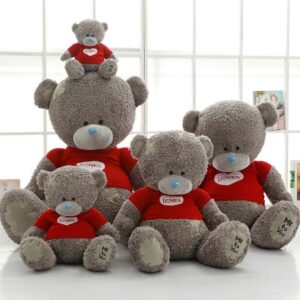
Our Most-Loved Small & Baby Stuffed Animals
Every design below is available in small sizes and meets all our baby-safe criteria — embroidered features, hypoallergenic fill, EN71-certified fabric, no accessories.
Frequently Asked Questions — Small Stuffed Animals
Q: What size is a small stuffed animal?
Small stuffed animals are typically under 30 cm in length. The most commonly purchased small size for infants and toddlers is 20–25 cm — large enough to feel like a proper toy, small enough to fit in any bag. Designs under 15 cm are novelty/collector items and may not be appropriate for young children. When shopping for a small plush, confirm whether the listed measurement includes any long ears or tails, which can add significant length beyond the body measurement.
Q: Are small stuffed animals safe for babies?
With the right specifications, yes — from 3 months with adult supervision. Requirements: embroidered (not button) features, hypoallergenic PP cotton fill, double-stitched seams, no detachable accessories, and no long-pile fur that could shed. Safe sleep guidelines recommend keeping all plush out of infant sleep spaces during unsupervised sleep for children under 12 months — this applies regardless of how safe the toy itself is. All My Heart Teddy small plush are EN71-certified and meet all material safety requirements.
Q: What is the best small stuffed animal for a newborn?
For newborns (0–6 months), a 15–20 cm design with no accessories, embroidered features, short-pile soft fabric, and lightweight fill is ideal. The high-contrast black-and-white colouring of Holstein cow plush or black-and-white panda designs can engage newborn visual attention before they can reach for the toy. Classic white, pale grey, or pale cream designs are the most popular newborn gift choices. Always use with adult supervision and keep out of the sleep space.
Q: Can small stuffed animals be machine washed?
Yes — small plush under 30 cm are well-suited to machine washing. Use a cold gentle cycle inside a mesh laundry bag to protect the fabric surface. The small fill weight is manageable for a home washing machine without balance issues. Air dry fully before returning to use — even small designs can retain core moisture for 12–24 hours. See our plush care guide for full instructions.
Q: Why do children bond so strongly with small stuffed animals?
Because small plush go everywhere. Attachment research shows that children form the strongest bonds with objects that are present across multiple environments — home, nursery, grandparents, travel. A small plush that fits in a pocket or bag is consistent across all contexts, which deepens the emotional association over time. This is what child psychologists call a "transitional object" — it bridges the gap between familiar and unfamiliar environments for children between 6 months and 4 years of age.
Q: Should I buy a backup of my child's favourite small stuffed animal?
Yes — and sooner than you think you need to. If a child has selected a small plush as their primary comfort object, purchase an identical spare while the design is still in stock and wash both simultaneously from the beginning. Children aged 18 months–3 years can distinguish their specific comfort object from a clean replacement by scent and texture. A backup that's been washed and used alongside the original is accepted; a fresh-from-packaging replacement often isn't, especially after a stressful loss event.