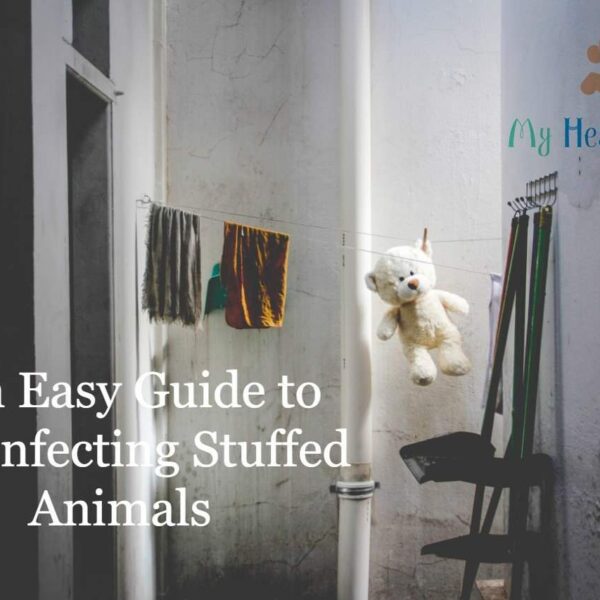
To disinfect stuffed animals, machine-wash them in the warmest water the care label allows, then tumble-dry them on the highest safe heat setting until completely dry. Heat from washing and drying is the most practical way to reduce germs on soft toys. For plush that can’t be washed, spot-clean the surface, use a laundry sanitiser or soft-surface product only as its label directs, and let the toy dry fully. Freezing is often recommended online, but it is a way to kill dust mites, not a reliable way to kill bacteria or viruses. This guide covers disinfecting after illness, after head lice and bed bugs, and what not to do.
Key Takeaways
- Heat is your friend: wash in the warmest water and dry on the hottest setting the label allows.
- After illness, wash comfort toys along with bedding once your child is feeling better.
- Freezing kills dust mites but doesn’t reliably kill bacteria or viruses.
- Don’t scrub plush with bleach; it can damage fabric and leave residue.
- Head lice: hot wash and hot dry, or seal unwashable plush in a bag for two weeks.

Cleaning vs Disinfecting: What’s the Difference?
| Term | What it means | For plush |
|---|---|---|
| Cleaning | Removing dirt, grime and some germs with soap and water | Regular washing or spot-cleaning |
| Sanitising | Reducing germs to a lower level | Hot washing and drying; laundry sanitisers used as labelled |
| Disinfecting | Killing most germs on a surface, usually with chemicals | Mostly designed for hard surfaces; check labels carefully |
Most disinfectant sprays and wipes are made for hard surfaces like worktops and door handles, not for soft toys children cuddle and put in their mouths. For plush, careful hot washing and thorough drying are usually the safest and most effective approach. For everyday care, see how often to wash your kids’ stuffed animals.
When Should You Disinfect Stuffed Animals?
- after your child has had a cold, flu, stomach bug or other illness
- after vomit, diarrhoea or other bodily fluids
- after head lice or bed bugs in the home
- after a toy has been somewhere very dirty
- before passing second-hand plush on to a new child
Step 1: Check the Care Label
The label tells you the maximum water temperature and whether the toy can be tumble-dried. Toys with electronics, sound boxes, glued-on parts, very old fabrics or delicate filling usually shouldn’t be machine-washed. Remove clothes, bows and accessories so they can be washed separately.
Step 2: Machine Wash on Warm or Hot
- Check for loose seams or holes and mend them first.
- Place the toy in a mesh laundry bag or a pillowcase tied shut.
- Wash with regular detergent at the warmest temperature the label allows.
- Add a laundry sanitiser if you like, following the product’s instructions exactly.
- Run an extra rinse to remove any residue.
The Asthma and Allergy Foundation of America recommends washing at 130°F (54°C) or hotter to kill dust mites, where the fabric allows.
Step 3: Dry with Heat
If the label permits, tumble-dry on the highest safe heat setting until the toy is completely dry all the way through. Heat helps to finish the job, and thorough drying prevents mould and musty smells. Plush that can’t go in the dryer should air-dry in a warm, ventilated room, turned regularly. Damp filling is a breeding ground for mould; see how to get rid of musty odours from toys.

Step 4: For Plush You Can’t Wash
- Spot-clean the surface with warm water and mild detergent on a cloth, then “rinse” with a clean damp cloth.
- Use soft-surface products only as labelled. Some sanitising sprays are approved for soft fabrics; read the label for contact time and whether the item is suitable for children’s toys, and let the toy dry fully.
- Use heat carefully: a short spell in the tumble dryer on a heat setting the toy can tolerate may help, even if it can’t be washed.
- Consider replacing it if it’s soaked in vomit or other fluids and can’t be cleaned thoroughly.
Disinfecting After Illness
When your child is ill, they cuddle, cough on and drool over their favourite plush. Once they’re feeling better, wash the toy along with their bedding and pyjamas, using the warmest settings the labels allow, and dry everything thoroughly. Wash your hands after handling soiled items. If possible, keep a spare comfort toy so your child isn’t without their friend while one is in the wash.
Head Lice and Bed Bugs
Head lice: the US Centers for Disease Control and Prevention (CDC) advises machine-washing items that were in contact with the person’s head in the two days before treatment in hot water (130°F / 54°C) and drying them on a high heat cycle. Items that can’t be washed can be dry-cleaned or sealed in a plastic bag for two weeks.
Bed bugs: the US Environmental Protection Agency (EPA) notes that putting items in a dryer on high heat for 30 minutes can kill bed bugs. Plush that can’t take heat can be sealed in a bag while you treat the infestation, ideally with professional help.
What About Freezing?
Freezing plush in a sealed bag for at least 24 hours is a recognised way to kill dust mites, which helps people with dust-mite allergies. However, freezing doesn’t reliably kill bacteria or viruses, so it isn’t a substitute for washing after illness. If you freeze a toy, wash or vacuum it afterwards to remove dead mites.
What Not to Do
- Don’t scrub plush with undiluted bleach. It can discolour and weaken fabric and leave residue on a toy children may mouth. Only use bleach if the care label explicitly allows it, diluted exactly as directed.
- Don’t cut toys open to wash the filling unless you’re confident repairing them; it often ruins the shape.
- Don’t mix cleaning products; some combinations produce harmful fumes.
- Don’t give back a damp toy, which can grow mould.
- Don’t machine-wash toys with batteries or electronics.
Keeping Plush Cleaner for Longer
Wash hands before cuddle time, keep plush off the floor, and store toys in breathable bins between uses. Our plush toy storage range, such as the Cotton Linen Kids Toy Storage Box (from $27.99), keeps soft toys tidy and dust-free.
Frequently Asked Questions
How do you disinfect a stuffed animal?
Wash it in the warmest water the care label allows and dry it on the highest safe heat setting until completely dry.
Does freezing a stuffed animal kill germs?
Freezing kills dust mites, but it doesn’t reliably kill bacteria or viruses. Wash with heat after illness instead.
Can I use disinfectant spray on stuffed animals?
Only products labelled for soft surfaces, used exactly as directed, and the toy must dry fully before a child uses it.
Should I throw away a stuffed animal after illness?
Usually not. Most can be washed and dried with heat. Replace a toy only if it can’t be cleaned thoroughly.
How do I disinfect a stuffed animal after lice?
Wash in hot water (130°F / 54°C) and dry on high heat, or seal it in a plastic bag for two weeks.
Clean, Safe and Ready for Cuddles
A hot wash and a thorough dry take care of most germs, so your child’s best friend can get back to bedtime duty. Find easy-care plush in our stuffed animals for toddlers and baby plushies, or start at the My Heart Teddy homepage.